- Home
- How to Grow Vegetables
- Growing Cucumbers
- Zucchini
How to Grow Zucchini: The Complete Guide from Seed to Harvest

Learning how to grow zucchini is one of the most rewarding decisions a beginner vegetable gardener can make - and a humbling one for gardeners who underestimate quite how productive a single plant can be.
Zucchini is legendary in the gardening world for its extraordinary productivity. A single healthy plant in good conditions produces fruit continuously for months, and the running joke among gardeners is well-earned: by midsummer, experienced zucchini growers are leaving bags of fruit on neighbors' doorsteps and sneaking them into unlocked cars.
Growing zucchini is genuinely easy. The seeds germinate in days, the plants establish quickly, and fruit appears in as little as fifty days from sowing. The main skill in how to grow zucchini well is understanding the harvesting rhythm - because zucchini left on the vine too long become woody, seedy marrows that slow plant production dramatically.
Pick frequently and pick young, and a single zucchini plant will reward you all summer long. According to the University of Minnesota Extension, zucchini and summer squash are among the most productive and easy-to-grow vegetables for home gardeners, making them an ideal starting point for first-time growers.
Source: University of Minnesota Extension - Growing Summer Squash and Zucchini
Choosing Zucchini Varieties
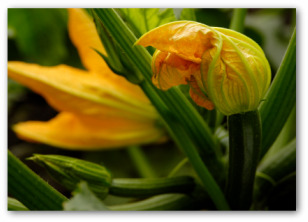
The first step in how to grow zucchini successfully is choosing the right variety for your space and preferences. Zucchini comes in more variety than most gardeners realize - from classic dark green to golden yellow, from traditional elongated shapes to round globe types, and from large sprawling vines to compact bush types perfect for smaller gardens and containers.
The most important choice when growing zucchini is between bush and vining types. Bush zucchini varieties stay relatively compact - typically two to three feet in diameter - and are self-supporting. They are the best choice for raised beds, smaller gardens, and containers. Standard vining zucchini varieties spread more aggressively, sending out long stems in all directions that can cover four to six square feet or more. They tend to be slightly more productive than bush types but need significantly more space.
Classic dark green zucchini remains the most popular choice for home gardeners growing zucchini for the first time - Black Beauty and Dark Star are reliable, widely available, and very productive. Yellow zucchini varieties like Golden Zucchini and Eldorado produce fruit with the same flavor and texture as green types but with beautiful golden color that adds visual variety to the kitchen. Round zucchini varieties like Eight Ball and Cue Ball produce perfectly spherical fruits that are excellent for stuffing - a completely different culinary experience from the standard elongated type.
Specialty varieties worth exploring once you have mastered the basics of growing zucchini include Costata Romanesco (Italian ribbed; outstanding flavor considered superior to standard zucchini by many experienced gardeners), Patio Star (ultra-compact; ideal for containers), and Zephyr (bicolored green and yellow; very attractive and productive).
Best zucchini varieties for home gardeners
| Variety | Type | Color | Days to Harvest | Best For |
|---|---|---|---|---|
| Black Beauty | Bush | Dark green | 50 days | Classic beginner choice; very productive |
| Dark Star | Bush | Very dark green | 50 days | Compact; great flavor; disease resistant |
| Golden Zucchini | Bush | Golden yellow | 50 days | Visual variety; same flavor as green types |
| Eight Ball | Bush | Dark green; round | 50 days | Stuffing; novel shape; very productive |
| Patio Star | Ultra-compact bush | Dark green | 50 days | Containers; very small spaces |
| Costata Romanesco | Vining | Light green; ribbed | 52 days | Superior flavor; Italian cooking; gourmet |
| Zephyr | Bush | Yellow and green bicolor | 54 days | Beautiful appearance; productive; fun to grow |
| Cue Ball | Bush | Pale green; round | 50 days | Stuffing; mild flavor; excellent in containers |
When and Where to Plant Zucchini

Getting the timing and location right is fundamental to how to grow zucchini successfully. Zucchini is a warm-season crop that is completely frost-intolerant. Unlike tomatoes which can be transplanted out at the last frost date, zucchini does best when planted after the last frost has passed and soil has warmed to at least 60 degrees Fahrenheit - ideally 65 to 70 degrees. Planting into cold soil causes slow, weak growth and makes plants much more vulnerable to disease.
Use our free interactive zone finder to confirm your last frost date before planning your zucchini planting dates. For most of the continental US, zucchini goes outdoors between late April in the warmest zones and early June in northern states. Check your soil temperature with a thermometer six inches deep before planting - a ten-dollar investment that removes all the guesswork from timing.
Location is equally important when growing zucchini. Zucchini needs full sun - a minimum of six to eight hours of direct sunlight daily. It is one of the most sun-demanding common vegetables, and partial shade results in poor fruit production, increased disease pressure, and weak growth. Choose the sunniest available position in your garden. Zucchini also needs excellent air circulation around the plants to prevent the fungal diseases that commonly affect this crop, particularly powdery mildew. Avoid planting in enclosed corners or against walls that restrict air flow.
Soil Preparation for Growing Zucchini
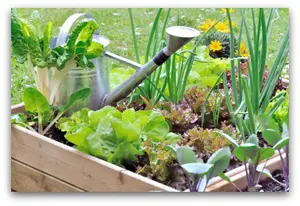
 Planting bean seeds, and getting ready to transplant the little zucchini plants.
Zucchini is a heavy feeder and a moisture-demanding crop, and preparing the soil well before planting makes a significant difference to how productive and healthy your plants will be through the season. Growing zucchini in poor, compacted, or waterlogged soil results in slow growth, poor fruit set, and increased disease problems.
Zucchini grows best in fertile, well-draining soil rich in organic matter with a pH of 6.0 to 6.8. Work two to three inches of compost into the planting area before sowing or transplanting. This single preparation step improves drainage in clay soils, improves moisture retention in sandy soils, and provides the slow-release nutrition that growing zucchini through a long productive season requires.
Raised beds are an excellent environment for growing zucchini because of their free-draining, rich, loose growing medium. Even bush varieties need reasonable space in a raised bed - plan for at least two square feet per plant at minimum, and three square feet is better for most standard bush varieties. A single zucchini plant in a well-prepared raised bed position with full sun will produce more fruit than most households can comfortably consume.
Zucchini is one of the best vegetables to grow using the no-dig method. A no-dig bed with a generous compost mulch provides ideal growing conditions - good drainage, excellent organic matter content, and the undisturbed soil structure that promotes strong root development. See our complete no-dig vegetable gardening guide for full details.
How to Plant Zucchini from Seed
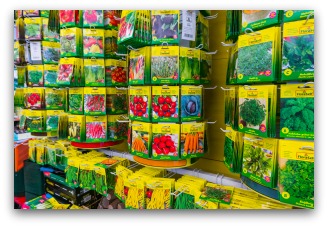
Planting from seed is the best and most practical method for growing zucchini, and it is much simpler than starting many other vegetables from seed. Zucchini seeds are large, germinate very quickly in warm soil, and grow so fast that there is little advantage to starting them indoors more than three to four weeks before outdoor planting - unlike tomatoes and peppers which need a long indoor start.
Direct sowing zucchini outdoors is the simplest and often the best approach for how to grow zucchini. Sow seeds one inch deep after the last frost when soil is warm. Plant two to three seeds per position and thin to the strongest one seedling when plants are four to five inches tall. Space bush variety planting positions at least three feet apart in all directions. Vining varieties need four to six feet.

If you want a slight head start, start zucchini seeds indoors two to three weeks before your planned outdoor transplant date - not more than this. Use biodegradable peat or coir pots that can go directly in the ground without disturbing roots, as zucchini dislikes root disturbance during transplanting. A heat mat speeds germination - zucchini seeds germinate best at soil temperatures of 70 to 90 degrees Fahrenheit and emerge in five to seven days in warm conditions.
Zucchini seeds have very high germination rates when fresh. If your seeds are more than two years old, test germination between damp paper towels before sowing to confirm viability. Fresh seeds from reputable suppliers are worth purchasing each season for growing zucchini - the cost is minimal and germination rates from fresh seed are dramatically higher than from old stock.
Watering and Feeding Zucchini

Zucchini is a thirsty crop that needs consistent moisture throughout the growing season to produce the best-quality fruit. Inconsistent watering is one of the most common causes of problems when growing zucchini - including the blossom end rot that affects developing fruits when moisture stress interrupts calcium uptake.
Water zucchini plants deeply once or twice per week rather than shallowly and frequently. Deep watering encourages roots to grow downward into more stable moisture reserves. In hot summer conditions, large established zucchini plants may need watering every two to three days. The surest guide is to push your finger two inches into the soil near the plant base - if it feels dry at that depth, water thoroughly.
Always water at the base of the plant rather than overhead. Wet zucchini foliage is the primary driver of powdery mildew, the most common disease problem when growing zucchini. Even brief periods of wet leaves in warm, humid conditions can establish a powdery mildew infection. Drip irrigation or a soaker hose keeps foliage consistently dry and dramatically reduces mildew pressure throughout the season.
Zucchini is a heavy feeder that benefits from regular fertilization through its long productive season. At planting, work compost and a balanced vegetable fertilizer into the soil. Once the first fruits begin to form, switch to a high-potassium tomato-type feed applied every two weeks. This supports continuous fruit production through the summer. Container-grown zucchini plants need feeding weekly rather than every two weeks because nutrients wash out more rapidly through regular container watering.
Understanding Zucchini Flowers and Pollination

Understanding how zucchini flowers and pollination work is one of the most important things to know about how to grow zucchini, because pollination failure is by far the most common reason that zucchini plants flower abundantly but produce little or no fruit.
Zucchini produces separate male and female flowers on the same plant. Male flowers appear first - typically two weeks before female flowers - on a long, thin stem. Female flowers appear later and are identifiable by the small, immature zucchini at their base. This tiny zucchini shape behind the flower is the ovary that becomes fruit if the flower is successfully pollinated. If it is not, it yellows and falls from the plant.
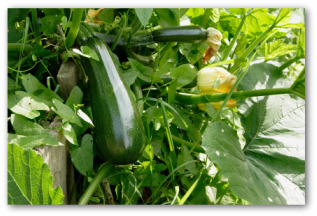
Bees transfer pollen from male to female flowers when they visit. When learning how to grow zucchini in a garden,having good bee populations and plenty of companion flowering plants is most important. Pollination will happen naturally and reliably. Problems arise when bee populations are low - in early morning before bees are active, in rainy weather when bees stay in their hives, or in gardens with few flowering plants nearby.
Hand pollination is the reliable solution for how to grow zucchini with poor pollination. Using a small paintbrush or a cotton swab, transfer pollen from the center of a freshly opened male flower to the center of a freshly opened female flower. Do this in the morning when flowers are freshly open. Hand pollinate two or three female flowers each morning during poor pollination periods and fruit set will be consistent regardless of bee activity.
Attracting pollinators to your garden dramatically improves zucchini production without any intervention. Planting borage, marigolds, nasturtiums, dill, and other open-faced flowering plants throughout your vegetable garden increases bee activity and dramatically improves natural pollination when growing zucchini and other cucurbits. See our companion planting chart for vegetables for the full guide to pollinator-attracting plants.
Identifying male and female zucchini flowers
| Feature | Male Flower | Female Flower |
|---|---|---|
| Stem | Long, thin straight stem | Short stem with small swelling at base |
| Base of flower | No swelling; plain stem | Small immature zucchini visible at base |
| Center of flower | Single stamen covered in pollen | Multi-lobed sticky stigma in center |
| Timing | Appears first; 1-2 weeks before females | Appears after males are established |
| Purpose | Produces pollen only; cannot set fruit | Becomes fruit when successfully pollinated |
| If not pollinated | Falls from plant normally after 1 day | Baby zucchini yellows and falls off |
How to Harvest Zucchini

Harvesting correctly is the most important ongoing skill in how to grow zucchini productively. The harvesting rule is simple: harvest young, harvest often. This one principle makes the difference between a plant that produces abundantly for three months and one that slows down and stops after a few oversized fruits.
Harvest zucchini when fruits are six to eight inches long for standard elongated varieties - at this size the flesh is tender, the seeds are tiny, and the flavor is at its best. Round varieties should be harvested at three to four inches in diameter. Do not wait for zucchini to grow larger than this. A zucchini left on the vine to reach marrow size develops a woody texture, large seeds, watery flesh, and very little flavor. Worse, the plant interprets a large, mature fruit as a signal that its reproductive goal is accomplished and significantly reduces new fruit production.
Check your zucchini plants every two to three days during peak summer production - every day at the height of the season. In warm weather zucchini grows so fast that a fruit that was perfectly sized on Monday can be a giant by Wednesday. The infamous "baseball bat zucchini" is the result of missing a fruit behind a large leaf for just a few days.
Use a sharp knife or pruning shears to harvest zucchini, cutting the stem one to two inches above the fruit. Never twist or pull the fruit from the plant - this tears the soft, hollow stem and creates an entry point for disease. If you find an oversize zucchini you missed, remove it immediately to redirect the plant's energy back into producing new fruits.
Common Zucchini Growing Problems and Solutions

Several common problems can arise when learning how to grow zucchini, but most of them have straightforward solutions once you understand the cause. Here are the most common issues and how to address them.
1. Blossom end rot is one of the most alarming-looking problems when growing zucchini. The developing fruit develops a dark, sunken, rotting patch at the blossom end (the end opposite the stem). It is caused by calcium deficiency, which is almost always a result of inconsistent watering rather than actual calcium shortage in the soil. The calcium is present, but moisture stress prevents the plant from taking it up. The solution is consistent watering and heavy mulching to maintain even soil moisture. Remove affected fruits and improve your watering routine.
2, Powdery mildew - a white powdery coating on zucchini leaves - is almost universal in mature zucchini plants by late summer. It does not kill the plant and does not significantly affect fruit quality if it appears late in the season. Prevent it by watering at the base only, ensuring good air circulation around plants, and choosing mildew-resistant varieties. If mildew appears early in the season (before midsummer) and is spreading rapidly, a spray of diluted baking soda solution (one tablespoon per gallon of water) or neem oil applied to affected leaves can slow its progression.
3. Squash vine borer is a serious pest in much of the eastern United States when growing zucchini outdoors. The adult moth lays eggs at the base of the plant stem and the larvae tunnel into the stem, causing the plant to wilt suddenly and collapse. Prevention is far more effective than treatment - row cover over young plants until they flower protects against egg-laying. Bush varieties recover better from borer damage than vining types. Succession planting (sowing a second round of seeds in midsummer) ensures a replacement crop is growing even if early plants are lost to borer.
4. Growing zucchini with no fruit despite abundant flowers is almost always a pollination problem. See the flowers and pollination section above for solutions including hand pollination and attracting pollinators.
Common zucchini problems and solutions
| Problem | Most Likely Cause | Solution |
|---|---|---|
| Blossom end rot (dark sunken patch) | Inconsistent watering; calcium uptake failure | Water consistently; mulch heavily; remove affected fruits |
| Flowers but no fruit | Poor pollination; only male flowers present | Hand pollinate; plant flowers nearby; wait for female flowers |
| Baby zucchini yellowing and falling off | Unpollinated female flowers | Hand pollinate female flowers in the morning |
| Powdery mildew (white coating on leaves) | Poor air circulation; overhead watering; humid conditions | Water at base only; improve spacing; baking soda spray; choose resistant varieties |
| Sudden plant collapse | Squash vine borer larvae in stem | Row cover until flowering; check base of stem; succession plant |
| Slow growth; pale leaves | Cold soil; insufficient sun; nitrogen deficiency | Wait for warm soil before planting; full sun location; feed with balanced fertilizer |
| Bitter or tough fruit | Fruit left too long on vine; water stress | Harvest at 6-8 inches; water consistently |
| Aphids on growing tips | Aphid infestation | Jet of water; neem oil; encourage ladybugs; plant basil nearby |
Companion Planting for Zucchini

Companion planting is particularly valuable when learning how to grow zucchini because several excellent companions directly address the two most common zucchini challenges: poor pollination and squash vine borer attack. Thoughtful planting of the right neighbors makes a measurable difference to zucchini productivity and health.
Borage is the best companion for growing zucchini. It attracts bees with its star-shaped blue flowers, dramatically improving pollination. It also deters squash vine borers and tomato hornworms. Allow one or two borage plants per zucchini plant for maximum benefit, and allow them to self-seed so they come back reliably each year. Once borage is established in a garden, it seeds itself and becomes a permanent fixture with no further planting required.
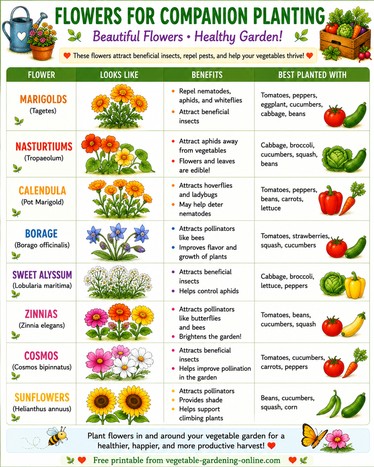
Nasturtiums planted around zucchini act as a trap crop for aphids and add a beautiful visual element to the vegetable garden. Marigolds throughout the bed deter a wide range of soil and foliar pests. Beans and peas planted nearby fix nitrogen in the soil, which benefits the heavy-feeding zucchini plants. Dill before it flowers attracts beneficial insects that prey on common zucchini pests.
Keep zucchini away from potatoes - both crops share certain pest and disease susceptibilities and compete aggressively for soil resources. Fennel should always be kept away from zucchini and all other vegetables in the garden due to its allelopathic chemicals that inhibit neighboring plant growth. See our complete companion planting vegetables for the full guide to what grows well with zucchini.
How to Grow Zucchini in Containers

Growing zucchini in containers is very achievable with the right setup, and the results can be just as productive as in-ground growing. The keys are a large enough container, a compact bush variety, consistent watering, and regular feeding.
Choose a bush variety specifically for container growing - Patio Star, Bush Baby, Astia, or any variety described as compact or container-suitable. Standard vining varieties become unmanageable in containers. A compact bush zucchini in the right container produces abundantly and looks attractive on a sunny patio or deck.
The minimum container size for growing zucchini is large - at least 10 gallons, and larger is better. A half-barrel planter is ideal. The container must have drainage holes - zucchini roots rot quickly in waterlogged soil. Use a quality potting mix with compost incorporated and a slow-release organic fertilizer mixed in at planting time. Place the container in the sunniest available position and do not move it once the plant is established.
Water container zucchini daily in warm weather - sometimes twice daily during heat waves, as containers dry out much faster than in-ground beds. Begin weekly liquid feeding with a high-potassium tomato fertilizer once the first flowers appear. A single well-managed container zucchini plant will produce enough fruit to keep a household well supplied through the summer. See our complete container vegetable gardening guide for full advice on container growing.
What to Do with a Zucchini Surplus
 Garden harvest; there is always an abundance of zucchini!
Every gardener who learns how to grow zucchini eventually faces the same wonderful problem: far more fruit than they can possibly eat. Even one or two plants produce prodigiously in good conditions, and by midsummer the kitchen can feel overwhelmed. Here are the best strategies for managing a zucchini surplus.
The most effective way to slow zucchini production is simply to harvest less frequently and allow some fruits to mature and enlarge on the plant. A large, mature zucchini signals the plant to slow down new fruit production. This is not the ideal approach for fruit quality but is the most practical volume management tool when you genuinely have more than you need.
Shredded raw zucchini freezes beautifully for use in baking through the year - zucchini bread, muffins, fritters, and soups all use shredded zucchini and cannot be distinguished from fresh. Grate, squeeze out excess moisture, and freeze in measured portions. Blanched and frozen zucchini pieces work well in cooked dishes. Zucchini can be pickled, made into relish, and used in chutneys.
Zucchini flowers are a genuine delicacy that most supermarkets never stock - the male flowers (without a baby fruit at their base) can be stuffed with ricotta and herbs, lightly battered, and fried for one of summer's best treats. Harvest male flowers in the morning when they are freshly open, keeping a few on the plant at all times for pollination purposes.
Frequently Asked Questions About How to Grow Zucchini

1. How many zucchini plants do I need?
For most households, one or two plants is more than enough. A single healthy zucchini plant in good conditions produces 6 to 10 pounds of fruit per week at peak production. Two plants will produce more zucchini than most families can eat. If you are growing zucchini specifically to freeze or preserve for winter use, three to four plants is a practical quantity.
2. Why does my zucchini have lots of flowers but no fruit?
The most common cause is pollination failure. Check whether female flowers (with a tiny zucchini at their base) are present - male flowers appear two weeks before females and cannot produce fruit. Once female flowers appear, try hand pollinating in the morning using a small brush to transfer pollen from a male to a female flower. Planting bee-attracting flowers nearby significantly improves natural pollination.
3. How long does it take to grow zucchini?
Most zucchini varieties produce their first harvestable fruit 50 to 60 days from direct sowing outdoors. This makes zucchini one of the fastest-producing warm-season vegetables. From a transplant started indoors, first harvest is typically 45 to 55 days after transplanting outdoors.
4. Can I grow zucchini vertically?
Yes - vining varieties of zucchini can be trained up a very sturdy trellis. The fruits are heavy and the trellis must be able to support significant weight, ideally with individual fruits supported in fabric slings as they develop. Learning how to grow zucchini vertically saves ground space and improves air circulation, reducing disease pressure significantly. Bush varieties do not vine and cannot be grown this way. See our vertical vegetable gardening guide for more info.
5. Why is my zucchini turning yellow and falling off before it gets big?
This is an unpollinated female flower dropping. The tiny immature fruit behind the flower needs to be pollinated by a bee or by hand before it will develop into a full-size zucchini. Without pollination, the plant reabsorbs the energy and drops the fruit. See the pollination section above for complete advice on hand pollination and attracting bees.
See our Complete How to Grow Vegetables Hub
- Growing Vegetables — complete hub for growing all vegetables at home

Recent Articles


-
Small Vegetable Garden Plans: 8 Layouts That Maximise Space
Oct 08, 26 10:41 AM
 Small vegetable garden plans are some of the most searched and most valuable resources in home food growing.
 -
USDA Zone Finder - Find Your Vegetable Planting Dates | Vegetable-Gardening-Online.com
Oct 07, 26 03:53 PM
 Find your USDA hardiness zone, last spring frost date, and first fall frost date by state and region. Free interactive zone finder from Vegetable-Gardening-Online.com.
 -
Interactive Vegetable Garden Planner | Vegetable Gardening Online
Oct 07, 26 02:29 PM
Design a vegetable garden with correctly scaled plant spacing, companion flowers, drag-and-drop placement, and a printable plan. -
Free Printable Garden Stationery: Gardening Letter Paper & Note Cards
Oct 07, 26 12:48 PM
Free printable garden stationery: watercolor letter paper, lined and unlined, plus folded note cards with garden, fall, and Christmas scenes. Print at home. -
Free Preschool Vegetable Garden Cut and Paste Activities
Oct 07, 26 12:43 PM
 Free preschool vegetable garden cut and paste activities for ages 3-4. Build your own backyard, container, or seed packet garden scene, and sticker sheets.
 -
Planning a Vegetable Garden: Layouts, Raised Beds, Containers & More
Oct 06, 26 07:44 PM
 Planning a vegetable garden? Start here: layouts, raised beds, containers, square foot gardening, free planning tools, and tips to avoid beginner mistakes.
 -
How to Start a Vegetable Garden: 10 Easy Steps for Beginners
Oct 06, 26 04:38 PM
 How to start a vegetable garden in 10 easy steps: pick a sunny spot, choose raised beds or containers, prepare the soil, and grow easy vegetables.