- Home
- How to Grow Vegetables
- Growing Tomatoes
- Tomatoes
How to Grow Tomatoes: The Complete Guide from Seed to Harvest

Learning how to grow tomatoes is one of the most rewarding things a vegetable gardener can do - and one of the most searched gardening questions on Google every single year. For good reason. A homegrown tomato picked warm from the vine on a summer day tastes so different from anything available in a supermarket that it can genuinely change how you think about food. Growing tomatoes is not difficult, but it does reward attention and consistency. This complete guide covers everything you need to know about how to grow tomatoes, from choosing the right variety to harvesting a bumper crop. By Vegetable-Gardening-Online.com | Updated May 2026 | 14 min read

Tomatoes are the most popular home garden crop in North America - and have been for decades. Once you understand the basics of how to grow tomatoes well, you will find them one of the most generous and satisfying crops in the garden, producing hundreds of fruits from a single plant all summer long.
What You Will Learn in This How to Grow Tomatoes Guide
- Choosing the right tomato variety
- Determinate vs indeterminate tomatoes
- Starting tomatoes from seed vs buying transplants
- When to plant tomatoes outdoors
- How to plant tomatoes correctly - the deep planting method
- Spacing tomatoes for best results
- Staking and supporting tomatoes
- Watering tomatoes correctly
- Feeding and fertilising tomatoes
- Pruning tomatoes - to prune or not to prune
- How to grow tomatoes in containers
- Common tomato problems and how to fix them
- When and how to harvest tomatoes
Choosing the Right Variety When You Grow Tomatoes
There are hundreds of tomato varieties available, and choosing the right one for your situation is the first step to success. Varieties differ in size, flavour, disease resistance, growing habit, and time to harvest. For beginners learning how to grow tomatoes, the best advice is to start with a disease-resistant variety suited to your climate.
| Tomato Type | Best Known Varieties | Best For | Days to Harvest |
|---|---|---|---|
| Cherry tomatoes | Sweet Million, Sungold, Tumbling Tom, Black Cherry | Beginners; containers; snacking; prolific harvests | 60-70 days |
| Slicing / beefsteak | Big Boy, Celebrity, Brandywine, Early Girl | Sandwiches; fresh eating; largest fruits | 70-85 days |
| Paste / plum | Roma, San Marzano, Amish Paste | Sauces; canning; drying; cooking | 70-80 days |
| Grape tomatoes | Juliet, Grape Tomato, Sweet Grape | Salads; snacking; less splitting than cherry types | 60-70 days |
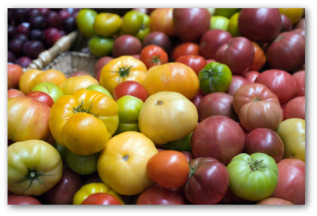
| Heirloom varieties | Brandywine, Cherokee Purple, Green Zebra, Black Krim | Exceptional flavour; unique colours; saving seeds | 75-90 days |
Best beginner varieties: If you are learning how to grow tomatoes for the first time, cherry tomatoes are your best starting point. They produce the fastest, the most abundantly, and are the most forgiving of minor mistakes. Sungold (orange, incredibly sweet) and Sweet Million (classic red cherry) are two of the most reliably productive varieties in home gardens.
Determinate vs Indeterminate Tomatoes - What You Need to Know
Understanding this distinction is essential when learning how to grow tomatoes, because it affects spacing, support, pruning, and when you get your harvest.
| Determinate (Bush) Tomatoes | Indeterminate (Vining) Tomatoes | |
|---|---|---|
| Growth habit | Grow to a fixed height (2-4 ft) and stop | Keep growing until killed by frost - can reach 6-10 ft |
| Harvest | All fruit ripens at once over 2-3 weeks | Continuous harvest all season long |
| Support needed | A sturdy cage is usually sufficient | Tall stake, trellis, or very heavy cage essential |
| Pruning | Not recommended - reduces yield | Pruning suckers improves airflow and fruit size |
| Best for | Canning large quantities at once; small spaces; containers | Continuous fresh eating all summer; maximum total yield |
| Example varieties | Roma, Celebrity, Bush Early Girl, Patio | Sungold, Sweet Million, Brandywine, Big Boy, San Marzano |
Most home gardeners growing tomatoes for fresh eating prefer indeterminate varieties because they produce continuously throughout summer rather than all at once. Most cherry tomatoes are indeterminate.

Starting Tomatoes from Seed vs Buying Transplants
You have two options when learning how to grow tomatoes: start plants from seed indoors 6-8 weeks before your last frost date, or buy young transplants from a garden centre in spring. Both work well - here is how to choose:
How to Grow Tomatoes from Seed
Starting from seed gives you access to hundreds of varieties unavailable as transplants, costs far less per plant, and gives you the deepest understanding of how to grow tomatoes from the very beginning. Sow seeds:
- 6-8 weeks before your last frost date (find yours on our free zone chart)
- In small pots or seed trays filled with seed-starting compost
- At a depth of about one quarter inch
- In a warm location - tomato seeds germinate best at 70-80°F (21-27°C)
- Keep the compost moist but not waterlogged
- Seedlings emerge in 5-10 days and need a sunny windowsill or grow lights immediately
Buying Transplants
Buying young tomato plants from a garden centre is the easiest way to grow tomatoes and is perfectly good for most home gardeners. Look for compact, dark green transplants about 6-8 inches tall with thick stems. Avoid leggy, pale yellow plants or any showing signs of pests or disease. Harden off purchased transplants by setting them outside in a sheltered spot for a few hours each day for a week before planting.

When to Plant Tomatoes Outdoors
Tomatoes are warm-season crops that are killed by frost. This is the single most important rule of how to grow tomatoes outdoors: never plant them outside until after your last frost date has passed and overnight temperatures are consistently above 50°F (10°C).
Planting too early is one of the most common mistakes when learning how to grow tomatoes. Cold soil - even without frost - stops tomato growth completely. A tomato planted in cold soil in April will often be overtaken by a tomato planted in warm soil in late May. Wait for the warmth. Your tomatoes will grow faster and more vigorously than plants put out too early.
Find your planting date: Download our free USDA Zone Chart to find the last frost date for your area and calculate the exact right time to plant tomatoes outdoors in your location.
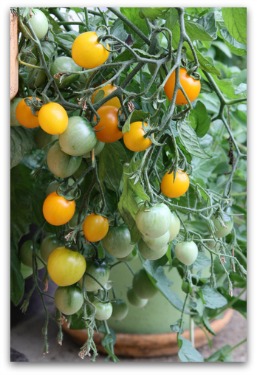
How to Plant Tomatoes Correctly
The method you use to plant tomatoes makes a significant difference to how well they establish and how productive they become. The most important technique in how to grow tomatoes well is deep planting - burying the stem much deeper than it was growing in the pot.
The Deep Planting Method
Tomatoes are unique among common vegetables in that they can grow roots all along their buried stem. A tomato transplant buried deeply develops a much larger, more extensive root system than one planted at the same depth it was in its pot - leading to faster growth, better drought resistance, and higher yields. When you plant tomatoes:
- Dig a hole deep enough to bury two thirds of the plant - yes, that deep
- Remove the lower leaves from the stem that will be buried
- Place the plant in the hole - the top third of the plant with its leaves should stick out above ground
- Fill the hole with soil mixed with a handful of compost and a sprinkle of bone meal or low-nitrogen fertiliser
- Firm the soil around the stem and water thoroughly
Alternatively, for very leggy transplants, dig a shallow trench 3-4 inches deep and lay the plant on its side, bending the tip gently upward. Roots will develop all along the buried stem within days.
Add a handful of compost to the planting hole: Mix in a generous amount of well-rotted compost when you plant tomatoes. Many experienced gardeners also add a sprinkle of crushed eggshells or gypite to the hole to provide calcium, which helps prevent blossom end rot later in the season.
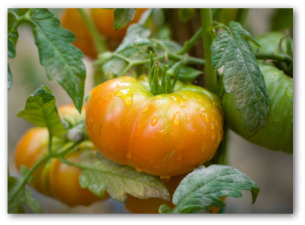
Spacing Tomatoes for Best Results
One of the most common mistakes in how to grow tomatoes is planting too closely. Crowded tomato plants compete for water, nutrients, and sunlight, while poor air circulation between crowded plants greatly increases disease. Space tomatoes generously:
| Type | Plant Spacing | Row Spacing | In a Raised Bed |
|---|---|---|---|
| Determinate (bush) varieties | 24-30 inches apart | 36 inches between rows | One plant per 2 square feet |
| Indeterminate (vining) varieties | 36-48 inches apart | 48-60 inches between rows | One plant per 3-4 square feet |
| Cherry tomatoes | 24-36 inches apart | 36-48 inches between rows | One plant per 2-3 square feet |
| In containers | One plant per container | n/a | 10-gallon minimum container |
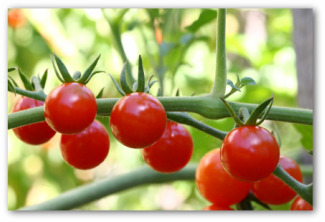
Staking and Supporting Tomatoes
Every tomato plant needs support - this is non-negotiable in how to grow tomatoes successfully. Unsupported tomato plants sprawl on the ground where they become targets for pests and disease, and fruits rot from contact with soil. Set up supports at planting time before roots develop - adding supports later risks damaging roots.
Support Options for Growing Tomatoes
| Support Type | Best For | Notes |
|---|---|---|
| Tomato cage | Determinate and cherry tomatoes | Simple; no tying needed. Use heavy-duty cages for indeterminate types - lightweight wire cages collapse under the weight of a full-grown plant. |
| Single stake | All types | Drive a 6-foot stake 12 inches into the ground at planting time. Tie the main stem loosely with soft ties every 12 inches as the plant grows. |
| Trellis / Florida weave | Multiple indeterminate plants in a row | String twine between posts in a weave pattern as plants grow. Very efficient for larger plantings. |
| Wooden or bamboo tripod | Individual plants | Three canes tied together at the top provide good support and look attractive in the garden. |
For indeterminate tomatoes, plan on a support at least 6 feet tall. Many vigorous varieties will reach the top and keep going - you can pinch the growing tip when it reaches the top of the support to redirect the plant's energy into ripening existing fruit.
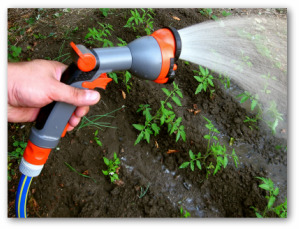
How to Water Tomatoes
Consistent watering is the most important skill in how to grow tomatoes well. More tomato problems - blossom end rot, fruit cracking, poor fruit set - trace back to inconsistent moisture than any other single cause. The goal is steady, even moisture throughout the growing season: never waterlogged, never bone dry.
How Much Water Do Tomatoes Need?
Tomatoes need approximately 1-2 inches of water per week. In hot summer weather, that can mean watering every 2-3 days for plants in the ground, or daily for container-grown tomatoes. Use the finger test: push your finger 2 inches into the soil - if it feels dry, water. If it still feels moist, wait.
How to Water Tomatoes Correctly
- Water at the base - never overhead. Wet foliage is the primary cause of fungal diseases like early blight and late blight. Always water at soil level.
- Water deeply - a slow, deep watering that soaks down 6-8 inches is far better than a quick daily sprinkle. Deep watering encourages deep root growth, which makes plants more drought-resistant.
- Water in the morning - this allows any accidental foliage wetting to dry before evening, reducing disease risk.
- Mulch around plants - a 3-inch layer of straw, shredded leaves, or wood chip mulch around the base of each tomato plant retains moisture, regulates soil temperature, and reduces the frequency of watering by up to 50%.
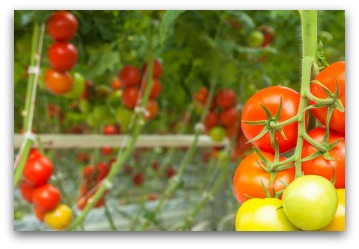
Drip irrigation: A simple drip irrigation system or soaker hose is the ideal watering solution for tomatoes. It delivers water directly to the root zone at soil level, keeps foliage dry, and can be put on a timer to ensure completely consistent moisture. For serious tomato growing, it is the single best equipment investment you can make.
Feeding and Fertilising Tomatoes
Tomatoes are heavy feeders - they need regular nutrition throughout the growing season to produce their best harvests. Getting the feeding balance right is an important part of how to grow tomatoes well.
The Feeding Timeline for Growing Tomatoes
| Growth Stage | What to Feed | Why |
|---|---|---|
| At planting | Compost and bone meal in the planting hole | Slow-release phosphorus encourages strong root development |
| First 4 weeks after planting | Balanced fertiliser (equal N-P-K) | Supports leafy growth while roots establish |
| When first flowers appear | Switch to low-nitrogen, high-potassium tomato fertiliser | High nitrogen now causes leafy growth at the expense of fruit |
| Throughout fruiting | Weekly liquid tomato feed (high potassium) | Supports continuous fruit development and flavour |
Too much nitrogen kills tomato production: The most common feeding mistake when learning how to grow tomatoes is using a general all-purpose fertiliser throughout the season. High-nitrogen fertilisers cause tomato plants to produce lush, dark green leaves and very few fruits. Once flowers appear, always switch to a dedicated tomato or flowering plant feed that is high in potassium (K).

Pruning Tomatoes - Should You Remove Suckers?
Tomato suckers are the shoots that grow in the angle between the main stem and a side branch. Left to grow, each sucker becomes a full new growing stem, which on indeterminate varieties eventually creates a large, bushy, multi-stemmed plant. Whether to remove them is a genuinely debated topic among experienced tomato growers.
The Case for Pruning Suckers When You Grow Tomatoes
- Keeps the plant to one or two main stems - easier to support and train
- Improves air circulation, reducing disease
- Directs the plant's energy into a smaller number of larger, earlier-ripening fruits
- Particularly beneficial in short-season climates where getting fruit to ripen before frost is a challenge

The Case Against Pruning
- More stems means more leaves, which means more photosynthesis and potentially more total fruit
- Each sucker that is removed is a potential source of tomatoes
- Particularly applies to determinate varieties - removing suckers from determinate tomatoes significantly reduces yield
The practical recommendation: For indeterminate varieties, remove suckers below the first flower cluster to keep the base of the plant open and airy. Above the first flower cluster, decide how many stems you want to train (one or two is common) and remove suckers on the others. For determinate varieties, do not prune suckers.
How to Grow Tomatoes in Containers
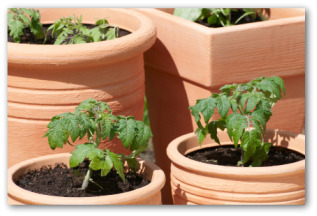
Growing tomatoes in containers is one of the most popular approaches in modern vegetable gardening, and a great option for patios, balconies, and small spaces. The keys to how to grow tomatoes in containers successfully are container size, consistent watering, and regular feeding.
- Minimum container size: 10-gallon for cherry tomatoes; 15-20 gallon for larger varieties
- Best varieties for containers: Any cherry or compact determinate variety - Tumbling Tom, Patio, Bush Early Girl, or any variety labelled "compact" or "container"
- Soil: Use a quality potting mix, never garden soil. Mix in a slow-release granular fertiliser at planting.
- Watering: Container tomatoes may need watering daily in hot weather - the finger test applies every day
- Feeding: Begin weekly liquid tomato feed as soon as flowers appear - containers deplete nutrients much faster than garden beds
Common Tomato Problems and How to Grow Past Them
| Problem | Cause | Fix |
|---|---|---|
| Blossom end rot (black leathery patch at bottom of fruit) | Calcium deficiency caused by inconsistent watering | Water consistently; add gypsum or crushed eggshells to soil; calcium foliar spray |
| Cracking / splitting | Inconsistent watering - dry spell followed by heavy watering | Mulch heavily; water consistently; harvest at first blush of colour |
| Blossom drop | Temperatures too high (above 95°F / 35°C) or too low (below 55°F / 13°C) for pollination | Shade cloth in extreme heat; wait - flowers will set when temperatures moderate |
| Early blight (brown spots with yellow rings on lower leaves) | Fungal disease; worsened by overhead watering and poor air circulation | Remove affected leaves; water at base only; improve spacing; fungicidal spray if severe |
| Yellowing lower leaves | Usually normal - lower leaves yellow and die naturally as the plant matures | Remove yellowed leaves; ensure consistent watering and feeding |
| Catfacing (misshapen, scarred fruits) | Cold temperatures during fruit development | Do not plant too early; use row covers during cool spells |
| Tomato hornworm | Large caterpillar that defoliates plants rapidly | Hand-pick; look for frass (droppings) to locate caterpillars; use Bacillus thuringiensis (Bt) |
| Aphids | Small soft-bodied insects on growing tips and undersides of leaves | Strong jet of water; introduce ladybirds; neem oil; plant basil nearby as a deterrent |
Prevention is always better than cure: Most common tomato problems are preventable with good cultural practice - consistent watering, correct spacing, base-level watering, and not planting too early. The University of Minnesota Extension has excellent guidance on diagnosing and managing tomato problems specific to different growing regions.
See our Companion Planting Vegetables Chart for more information on companion planting!
Companion Planting When You Grow Tomatoes
What you plant near your tomatoes matters. The right companions can deter pests, improve flavour, and increase yields. The worst companions share diseases or compete aggressively with tomatoes.
Best Companions for Growing Tomatoes
- Basil - the classic tomato companion. Basil repels thrips, aphids, and whiteflies through its volatile oils. Plant one basil plant per tomato plant.
- French marigolds - their root exudates suppress soil nematodes that attack tomato roots. Plant a border of marigolds around your tomato bed.
- Carrots - a well-studied beneficial pairing. Tomatoes and carrots are mutually beneficial neighbours.
- Parsley - attracts beneficial insects; grows well in the shade of tomato plants

Keep Away from Tomatoes
- Potatoes - both are in the nightshade family and share the same devastating diseases, including blight. Keep them in separate beds and rotate both annually.
- Fennel - allelopathic to tomatoes; keep fennel in its own isolated spot
- Corn - shares the same pest (tomato fruitworm / corn earworm)
For a full guide to companion planting with tomatoes and all other vegetables, see our complete companion planting chart.
How to Harvest Tomatoes
Knowing when and how to harvest is the final piece in how to grow tomatoes successfully - and it is more nuanced than it might seem.
When to Harvest Tomatoes
Fully vine-ripened tomatoes have the best flavour, but leaving fruit on the vine too long invites cracking and pest damage. The ideal harvest point for most tomatoes is when the fruit is fully coloured but still slightly firm to gentle pressure - it will finish ripening perfectly on the kitchen counter within a day or two.
For large indeterminate varieties in autumn when frost threatens, harvest all green tomatoes before the first frost. Green tomatoes ripen successfully indoors at room temperature over 2-3 weeks. Never refrigerate tomatoes - cold temperatures destroy flavour compounds irreversibly.
How to Get More Tomatoes Throughout the Season
- Harvest regularly - picking ripe tomatoes signals the plant to set more fruit. Leaving overripe fruit on the vine slows production.
- Keep feeding - weekly liquid tomato feed through the entire fruiting period maintains productivity
- Remove old or diseased foliage - keeping the plant tidy redirects energy into fruit production
- Keep watering consistently - tomatoes that experience water stress late in the season often crack their fruit when watering resumes
- Growing Vegetables — complete hub for growing all vegetables at home

Recent Articles


-
How to Grow Cabbage
Sep 15, 26 12:33 PM
 How to Grow Cabbage: The Complete Guide from Seed to Harvest. This complete guide covers everything you need to know about how to grow cabbage.
 -
Easiest Vegetables to Grow: 15 Foolproof Crops for Beginners
Sep 15, 26 09:24 AM
 Easiest vegetables to grow for beginners - with advice on what makes each one easy, how to get started, and which vegetables are harder than they look.
 -
How to Grow Green Beans
Sep 14, 26 07:53 PM
 How to Grow Green Beans: The Complete Guide to Bush and Pole Beans. Green beans are one of the most forgiving crops a beginner can choose.
 -
Seasonal Vegetable Garden
Sep 14, 26 05:38 PM
 Seasonal Vegetable Garden — Growing Food Through Every Season
 -
Overwintering Vegetables: Fall-Planted Crops for Early Spring Harvest
Sep 14, 26 05:35 PM
 Learn about overwintering vegetables like garlic, fava beans, and onions, planted in fall to sit through winter and reward you with an early spring harvest.
 -
Free Vegetable Garden Journal— Printable Downloads for Home Gardeners
Sep 14, 26 01:51 PM
 Download our free Vegetable Garden Journal — choose a full 16-page version or simpler 7-page journal. Track planting, harvest, & garden notes season by season.
 -
Free Vegetable Garden Cut and Paste Activities for Kids Ages 5-7
Sep 12, 26 09:13 PM
 Free printable vegetable garden cut and paste activities for kids ages 5-7. Build your own garden, match seeds to plants, and learn what grows where.