- Home
- Free Garden Printables
- Companion Planting Chart Vegetables
Companion Planting Chart Vegetables... What Grows Well Together

Use our companion planting chart vegetables to create a well planted garden that uses space efficiently, needs fewer pesticides, and produces healthier plants — all by choosing the right neighbours.
Companion planting is one of the most powerful tools a vegetable gardener has — and one of the most misunderstood. The right plant neighbours repel pests, improve soil fertility, attract pollinators, and make the most of your garden space. The wrong ones stunt growth and invite problems. This complete guide gives you a full companion planting chart, the best plant pairings explained, and the combinations to avoid — all in one place.
Gardeners have practiced companion planting for thousands of years. The Native American "Three Sisters" system — corn, beans, and squash grown together — is one of the oldest and most productive intercropping systems ever developed. Modern research has confirmed what generations of gardeners observed: some plants genuinely benefit one another, and others genuinely interfere.
This guide cuts through the noise to give you a practical, science-grounded companion planting reference for the most common vegetable garden plants. Use the chart as a planning tool alongside our free interactive garden planner, which checks companion compatibility automatically as you design your bed.
What You'll Find in This Guide
- How companion planting works — the science and the tradition
- The five types of companion planting benefits
- The full companion planting chart
- The best companion planting combinations
- Combinations to avoid
- Universal companions — plant these everywhere
- The Three Sisters — the world's oldest companion planting system
- Practical tips for using companion planting in your garden
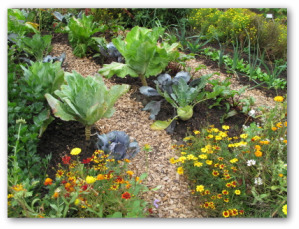 Companion planting vegetables is helpful in many ways. Adding colorful flowers to your vegetable garden looks great too!
Check out all of our Free Vegetable Garden Printables; there is something for everyone! Zone Finder, Interactive Garden Planner, Children's Activity and Coloring pages, Companion Planting Guide, and more!
This page is part of our Free Vegetable Garden Printables collection, where you will find all our free downloads in one place — worksheets, plans, coloring books, zone charts, and more.
Free Vegetable Garden Printables — all our free downloads for home vegetable gardeners in one place
How Companion Planting Works —
Science and Tradition
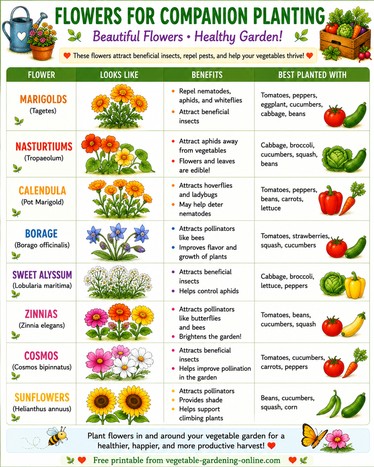
It's worth being honest upfront: companion planting exists on a spectrum from well-documented science to centuries-old gardening tradition. Some combinations have solid research behind them. Others are based on generations of observation that hasn't been formally studied. Both have value — but it's helpful to know which is which.
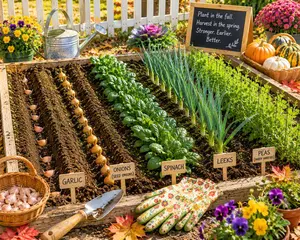
 Companion planting works well in all types of gardens; including raised bed gardens.
Well Documented Science

The Best Companion Planting Combinations
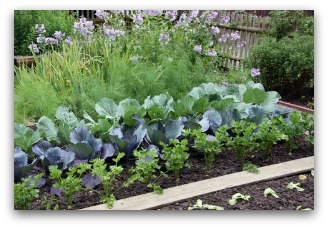
These are the most reliable and well-documented plant pairings in vegetable gardening - the combinations that experienced gardeners return to season after season because they consistently work.
Tomatoes and basil
The classic pairing. Basil repels thrips, aphids, and whiteflies through its volatile oils. Many gardeners report improved tomato yield and flavour. Plant one basil plant at the base of every tomato plant for best results.
Tomatoes and marigolds
French marigolds release compounds from their roots that suppress soil nematodes - microscopic pests that damage tomato roots. Plant a border of marigolds around your tomato bed. The effect lasts for years after the marigolds are removed.
Carrots and onions
One of the most mutually beneficial pairings in the garden. Onion scent deters carrot fly; carrot foliage deters onion fly. Interplant rows of each for maximum benefit to both crops.
Beans and corn
Beans fix nitrogen in the soil that feeds the heavy-feeding corn. Corn provides a natural climbing structure for pole beans. Both produce more when grown together - one of the key relationships in the Three Sisters system.
Lettuce and tomatoes
Lettuce benefits from the afternoon shade provided by tomato plants in summer heat, extending its season by several weeks. Tomatoes fill the vertical space while lettuce uses the ground level efficiently - excellent use of a small bed.
Brassicas and nasturtiums
Nasturtiums are a brilliant trap crop - aphids flock to them in preference to brassicas. Plant nasturtiums at the edges of your cabbage and broccoli beds as a sacrificial lure. Knock aphids off the nasturtiums with a jet of water to prevent populations building up.
Strawberries and borage
Borage is the best strawberry companion. It repels pests and its star-shaped blue flowers attract bees which dramatically improve strawberry pollination and fruit set. Allow two to three borage plants per bed - they self-seed freely and come back reliably each year.
Cucumbers and dill
Dill before it flowers attracts beneficial insects that prey on cucumber beetles and aphids. Note: flowering dill can inhibit cucumbers - harvest or cut dill before it bolts and goes to flower to maintain the benefit.

Combinations to Avoid in Your Vegetable Garden
These are the most reliably problematic plant combinations - pairs that consistently underperform or actively harm each other when planted nearby. Keep these separated in your garden design.
Fennel and almost everything
Fennel is allelopathic - it releases chemicals from its roots that inhibit the growth of most vegetables including tomatoes, peppers, beans, and brassicas. Grow fennel in its own isolated bed or pot, completely away from your vegetable garden. The only vegetables that tolerate it reasonably well are dill and some lettuces.
Tomatoes and potatoes
Both are in the nightshade family and share the same serious diseases, particularly blight. Growing them together concentrates disease risk enormously. Keep them in separate beds and rotate both annually - never plant either in the same bed two years in a row.
Cucumbers and potatoes
Potatoes increase cucumber susceptibility to blight and the two compete aggressively for soil resources. Keep them in different areas of the garden.
Brassicas and tomatoes
Both are heavy feeders and compete intensely for soil nutrients. Additionally, tomatoes may exude chemicals that inhibit brassica growth. Give each their own bed section and do not plant them adjacent to each other.
Garlic and onions next to beans and peas
Allium root exudates can inhibit the nitrogen-fixing bacteria that live on bean and pea roots - reducing the legumes' soil-improving ability. They are fine growing in the same garden bed, but avoid planting them in directly adjacent squares.

Companion Planting Chart Vegetables

Use this companion planting chart as your quick reference guide when planning your vegetable garden. The good companions column shows plants to grow nearby. The keep apart column shows plants to keep well separated. The notes explain why.
| Vegetable | Good Companions | Keep Apart | Notes |
|---|---|---|---|
| Tomatoes | Basil, carrots, parsley, marigolds, borage, asparagus, spinach, lettuce | Fennel, cabbage family, corn | Basil repels thrips; marigolds deter nematodes. Keep away from fennel - it stunts tomatoes. |
| Peppers | Basil, carrots, tomatoes, parsley, marigolds | Fennel, kohlrabi | Basil and marigolds deter common pepper pests. Peppers and tomatoes share similar companions. |
| Cucumbers | Beans, peas, dill, nasturtiums, sunflowers, marigolds, lettuce | Potatoes, aromatic herbs (sage, rosemary) | Nasturtiums trap aphids; beans fix nitrogen. Keep away from potatoes - they share blight. |
| Zucchini and Squash | Corn, beans, nasturtiums, borage, marigolds, peas | Potatoes | The Three Sisters combination - squash, corn, and beans - is the gold standard. Borage deters squash vine borers. |
| Beans | Carrots, corn, squash, cucumbers, strawberries, potatoes, celery | Garlic, chives, fennel | Beans fix nitrogen for heavy feeders like corn. Alliums can inhibit bean growth. |
| Peas | Carrots, corn, cucumbers, radishes, spinach, turnips | Garlic, onion family, gladiolus | Nitrogen fixers that benefit almost all neighbours. Alliums can inhibit their growth when directly adjacent. |
| Corn | Beans, squash, cucumbers, sunflowers, dill, marigolds | Tomatoes, fennel | Central plant in the Three Sisters. Corn and tomatoes share similar pests. |
| Lettuce | Carrots, radishes, strawberries, chives, garlic, tall plants for shade | Celery, parsley in large quantities | Lettuce benefits from afternoon shade in summer - plant under tomatoes or beans to extend its season. |
| Spinach | Strawberries, peas, beans, celery, garlic | Few known conflicts | One of the most compatible vegetables. Grows well as an underplanting beneath taller crops. |
| Carrots | Tomatoes, onions, lettuce, rosemary, sage, chives, leeks | Dill when flowering | Onions and leeks repel carrot fly. Tomatoes and carrots are mutually beneficial - a well-studied pairing. |
| Onions and Garlic | Tomatoes, peppers, carrots, lettuce, brassicas, strawberries | Beans, peas (avoid directly adjacent) | Excellent pest deterrents throughout the garden. Fine in the same bed as beans and peas - just not in adjacent squares. |
| Broccoli and Brassicas | Celery, dill, onions, garlic, nasturtiums, marigolds, rosemary | Strawberries, tomatoes, peppers | Celery deters cabbage white butterfly. Nasturtiums trap aphids. Rotate beds annually - never follow one brassica with another. |
| Kale | Beets, celery, onions, garlic, nasturtiums, marigolds | Strawberries, tomatoes | Same companions as other brassicas - aromatic herbs and alliums provide good pest protection. |
| Potatoes | Beans, corn, cabbage, marigolds, horseradish | Tomatoes, cucumbers, squash, sunflowers, fennel | Tomatoes and potatoes share blight - keep well separated. Horseradish at corners deters Colorado potato beetle. |
| Beets | Onions, lettuce, cabbage, kohlrabi, garlic, brassicas | Pole beans (runner beans) | Bush beans and beets are fine together; pole beans are the ones to avoid. Beets improve soil for brassicas. |
| Strawberries | Borage, spinach, lettuce, chives, marigolds, thyme | Cabbage family, fennel, tomatoes, peppers | Borage is the ultimate strawberry companion - it repels pests and attracts pollinators. Chives deter strawberry aphids. |
| Basil | Tomatoes, peppers, asparagus, marigolds | Sage when directly adjacent | The tomato-basil partnership is one of the most studied in companion planting. Basil repels thrips, aphids, and whiteflies. |
| Marigolds | Tomatoes, peppers, cucumbers, beans, squash - almost everything | Few conflicts | The most universally useful companion plant. French marigolds produce root exudates that suppress nematodes for years after planting. |
| Sunflowers | Cucumbers, corn, squash, tomatoes as a windbreak | Potatoes | Attract pollinators and provide windbreak and light shade. Can be allelopathic to potatoes. |

The Five Types of Companion Planting Benefits
Understanding what kind of benefit a companion relationship provides helps you make smarter planting decisions. Use our companion planting chart for vegetables to help get started.
| Benefit Type | How It Works | Example |
|---|---|---|
| Pest repellent | Strong scents confuse or deter pest insects from finding host plants | Basil near tomatoes confuses thrips and aphids |
| Soil enrichment | Nitrogen-fixing bacteria in legume roots add fertility to soil for neighbouring plants | Beans and peas near corn and squash |
| Pollinator attraction | Flowering companions attract bees and beneficial insects, improving pollination and pest control | Borage near strawberries and tomatoes |
| Physical support / shade | Tall crops provide shade for heat-sensitive neighbours; climbing crops use tall plants as support | Lettuce in the shade of tomatoes in summer; beans climbing corn |
| Trap cropping | Sacrificial plants attract pests away from valuable crops | Nasturtiums drawing aphids away from beans and brassicas |
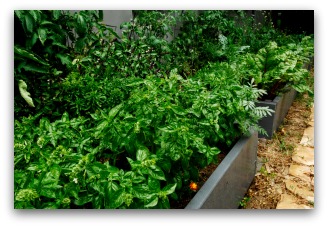
Universal Companions -
Plant These Throughout Your Garden
Some plants are so beneficial as companions that experienced gardeners dot them throughout every bed, regardless of what else is growing nearby. These are the best neighbours in the vegetable garden world - add them freely to any planting.
French marigolds
The most research-backed companion plant available. Root exudates suppress nematodes for years; strong scent deters aphids, whiteflies, and many other pests. Plant as a border around every bed and fill gaps between vegetable plants. Especially effective near tomatoes and peppers. Use French marigolds (Tagetes patula) specifically - not African marigolds.
Nasturtiums
Outstanding trap crop for aphids - pests prefer nasturtiums to most vegetables. Also attract predatory insects and the edible flowers are a bonus in salads. Plant at bed edges and corners as a sacrificial lure. Allow aphids to colonise them and they will leave your vegetables alone.
Basil
Repels thrips, aphids, and whiteflies through volatile compounds. Attracts pollinators when flowering. Plant between tomatoes and peppers throughout the bed - one basil plant per two to three vegetable plants is a practical rule of thumb.
Borage
Attracts bees (dramatically improving pollination of all crops), deters tomato hornworm, and self-seeds freely so it comes back reliably once established. Allow two to three borage plants per bed and let some go to flower and seed each year.
Chives
Repel aphids, carrot fly, and Japanese beetles through their allium scent. Very low maintenance and return every year as a perennial. Plant in clumps between vegetables throughout the garden - particularly useful near carrots and lettuce.

The Three Sisters -
The World's Oldest Companion Planting System

The Three Sisters is a Native American companion planting system practiced for over 3,000 years by peoples including the Haudenosaunee (Iroquois) across North America. It combines corn, beans, and squash in a way that makes each more productive than if grown alone. It is one of the most elegant and well-documented examples of companion planting in agricultural history.
How each sister contributes
- Corn - the first sister: Grows tall and straight, providing a natural climbing pole for the bean vines. The tallest of the three, it reaches for the sun above the other plants.
- Beans - the second sister: Climb the corn stalks and fix nitrogen from the air into the soil, feeding both the corn and the squash. The vines also stabilise the corn in wind.
- Squash - the third sister: Spreads broad, prickly leaves across the ground, shading out weeds, retaining soil moisture, regulating soil temperature, and deterring pests from reaching the corn and beans.
How to plant the Three Sisters
- Week 1: Plant corn seeds in a block - not a single row. Corn needs to be near other corn plants for pollination. Space seeds 12 inches apart in a grid, with a minimum of 4 plants by 4 plants.
- Week 2-3: When corn is 4-6 inches tall, plant 4-6 bean seeds in a circle around each corn plant, about 6 inches from the base. Do not plant too early - beans will overtake small corn seedlings.
- Week 3-4: Once beans are a few inches tall, plant squash between the corn, 2-3 feet apart. Choose sprawling varieties like butternut or acorn squash for best coverage.
The Three Sisters traditionally needs a minimum 4x8 ft bed, ideally larger. In a smaller 4x4 ft space, a simplified version works well: one row of corn at the back, beans at the base of the corn, and one compact squash plant at the front corner.
Practical Tips for Using Companion Planting
- When using our companion planting chart for vegetables: Do not try to implement every recommendation at once. Start with three or four proven pairings - tomatoes with basil and marigolds, carrots with onions - and build your knowledge from there. A few reliable companions work better than trying to follow every rule.
- Distance matters. For companion effects to work, plants need to be within 2-3 feet of each other. A marigold at the other end of the garden will not help the aphids on your tomatoes.
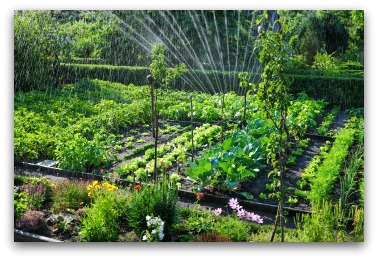
- Interplant rather than segregate. The most effective companion planting mixes crops together rather than planting each vegetable in its own block. Marigold borders, basil plants between tomatoes, and chives scattered throughout the bed are all more effective than companions growing separately.
- "Keep apart" means separate beds for serious conflicts. For the most problematic combinations - tomatoes and potatoes, brassicas and strawberries - keep them in different beds. For milder conflicts like onions and beans, simply avoid placing them in directly adjacent squares.
- Use our free garden planner to check compatibility before you plant. Our interactive planner shows companion conflicts and beneficial pairings as you design your bed - saving you from discovering a problem after planting day.
- Keep notes. Record what you planted where and what results you observed. After two or three seasons you will have personalized knowledge of what works in your specific garden - more valuable than any chart.
 Beautiful patio vegetable garden.
Return to our Free Vegetable Garden Printables hub for all our free downloadable charts, calendars, planners, and worksheets.
- Free Vegetable Garden Printables — all our free downloadable garden charts, planners, calendars, and worksheets

Recent Articles


-
How to Grow Cabbage
Sep 15, 26 12:33 PM
 How to Grow Cabbage: The Complete Guide from Seed to Harvest. This complete guide covers everything you need to know about how to grow cabbage.
 -
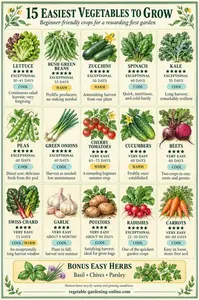
Easiest Vegetables to Grow: 15 Foolproof Crops for Beginners
Sep 15, 26 09:24 AM
 Easiest vegetables to grow for beginners - with advice on what makes each one easy, how to get started, and which vegetables are harder than they look.
 -
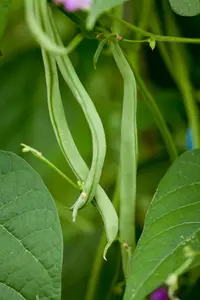
How to Grow Green Beans
Sep 14, 26 07:53 PM
 How to Grow Green Beans: The Complete Guide to Bush and Pole Beans. Green beans are one of the most forgiving crops a beginner can choose.
 -
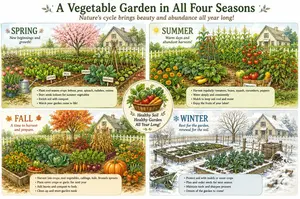
Seasonal Vegetable Garden
Sep 14, 26 05:38 PM
 Seasonal Vegetable Garden — Growing Food Through Every Season
 -
Overwintering Vegetables: Fall-Planted Crops for Early Spring Harvest
Sep 14, 26 05:35 PM
 Learn about overwintering vegetables like garlic, fava beans, and onions, planted in fall to sit through winter and reward you with an early spring harvest.
 -
Free Vegetable Garden Journal— Printable Downloads for Home Gardeners
Sep 14, 26 01:51 PM
 Download our free Vegetable Garden Journal — choose a full 16-page version or simpler 7-page journal. Track planting, harvest, & garden notes season by season.
 -
Free Vegetable Garden Cut and Paste Activities for Kids Ages 5-7
Sep 12, 26 09:13 PM
 Free printable vegetable garden cut and paste activities for kids ages 5-7. Build your own garden, match seeds to plants, and learn what grows where.