- Home
- Seasonal Gardens
- Cold Hardy Vegetables
Cold Hardy Vegetables: The Complete Guide to Frost-Tolerant Crops

Cold hardy vegetables are the secret to a productive garden that keeps giving long after most gardeners have called it a season.
While warm-season crops like tomatoes and cucumbers die at the first frost, cold hardy vegetables actively thrive in cool conditions - and many of them taste significantly better after frost than before it.
A well-planted cold hardy vegetable garden can provide fresh food from September right through to March in many climates, and year-round in milder zones.

This complete guide covers everything you need to know about cold hardy vegetables - which crops are the most frost tolerant, how cold each one can handle, which ones actually improve in flavor after frost. Also, how to protect them for even longer harvests, and how to plan a cold hardy vegetable garden that keeps producing through the coldest months of the year.
According to Oregon State University Extension, properly timed cold hardy vegetable plantings can provide fresh harvests well into winter and even through to early spring in many climates. Use our free zone chart at the link below to find your first frost date before you plan your cold hardy vegetable planting schedule.
Source: Oregon State University Extension - Cold Hardy Vegetables

Knowing which vegetables can survive cold and frost is one of the most valuable pieces of knowledge a home gardener can have for extending the seasonal vegetable garden into spring and fall. This page is part of our Seasonal Vegetable Garden hub, where you will find complete guides for all four seasons, cold frame growing, and the timing tools that help you plant each crop at exactly the right time.
Seasonal Vegetable Garden — complete hub for spring, summer, fall, and winter vegetable gardening guides
The Science Behind Cold Hardy Vegetables
Understanding why cold hardy vegetables survive frost - while others do not - makes you a much better winter gardener.
Cold hardy vegetables have evolved a remarkable natural adaptation: when temperatures drop, they convert stored starches into sugars, which act as a natural antifreeze in their cell fluids.
This is why kale, carrots, parsnips, and Brussels sprouts taste noticeably sweeter after frost. The plant is literally producing sugar to protect itself from freezing.

This same process that improves the flavor of cold hardy vegetables also lowers the freezing point of their cell sap, allowing them to survive temperatures that would rupture and kill the cells of frost-tender plants.
According to Oregon State University Extension, truly cold hardy vegetables can survive temperatures down to 20 degrees Fahrenheit or lower, while semi-hardy vegetables tolerate light frosts in the 28 to 32 degree range before suffering damage.

The key to success with cold hardy vegetables is hardening off - gradual exposure to progressively cooler temperatures before hard frost arrives.
Plants that have been slowly acclimatized to cold are significantly more frost tolerant than the same variety planted late into already-cold conditions.
This is why timing your cold hardy vegetable plantings correctly - getting them in the ground in late summer with enough time to establish before cold sets in - makes such a big difference to how well they survive and produce through winter.
Two categories of cold hardy vegetables
| Category | Temperature Tolerance | Vegetables | Notes |
|---|---|---|---|
| Semi-hardy | 28-32°F (-2 to 0°C) Light frost only |
Lettuce, beets, carrots, Swiss chard, celery, cauliflower, Chinese cabbage, parsley, endive, radishes, green onions | Tops may be damaged by hard frost but roots of root crops usually survive. Benefit from row cover protection below 28°F. |
| Very cold hardy | 20°F (-7°C) and below Hard frost and snow |
Kale, spinach, Brussels sprouts, cabbage, collard greens, leeks, parsnips, garlic, overwintering onions, arugula, mache, claytonia | Survive hard frosts and snow with minimal or no protection. Many improve in flavour significantly after frost. |

Cold Hardy Vegetables That Taste Better After Frost
One of the great pleasures of growing cold hardy vegetables is discovering how many of them genuinely improve in flavor after frost.
This is not a gardening myth - it is a well-documented biological process.
As temperatures drop, cold hardy vegetables convert their starches to sugars, producing noticeably sweeter, more complex flavor than the same crop grown in warm conditions.

Kale is the most dramatic example. Frost-kissed kale from a cold hardy vegetable garden has a sweetness and depth that summer kale never achieves - many people who dislike kale in summer become devoted fans after tasting it from a frost-hardened plant.
Brussels sprouts are famous for the same reason: the classic advice is to wait for at least one hard frost before harvesting, when their flavor is at its nutty, sweet best.
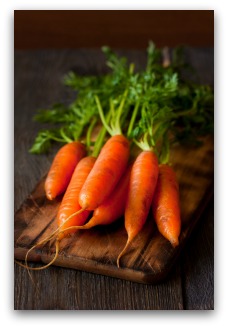
Carrots and parsnips left in the ground through frost become noticeably sweeter - as sweet as candy in the case of autumn-harvested carrots - because the cold converts their stored starches completely.
Spinach, cabbage, and collard greens all show the same improvement. If you have only ever eaten these cold hardy vegetables grown in warm conditions, tasting them properly frost-hardened will be a revelation.
Cold hardy vegetables that sweeten after frost
| Vegetable | Flavour Improvement After Frost | Best Harvesting Strategy |
|---|---|---|
| Kale | Dramatic - becomes noticeably sweet and tender | Begin harvesting after first hard frost; continues improving through winter |
| Brussels sprouts | Very significant - removes bitterness; develops nutty sweetness | Wait for two or three hard frosts before harvesting for best flavour |
| Carrots | Significant - becomes notably sweeter | Leave in ground after frost; harvest through winter as needed |
| Parsnips | Dramatic - frost is essential for full flavour development | Many gardeners refuse to harvest until after several hard frosts |
| Spinach | Moderate - flavour deepens and intensifies | Harvest leaves from established plants through winter |
| Cabbage | Moderate - becomes sweeter and more tender | Fall-grown cabbage is superior in quality to summer-grown |
| Collard greens | Significant - one of the most improved cold hardy vegetables | Best after multiple frosts; harvest outer leaves continuously |
The Most Cold Hardy Vegetables: Crop by Crop Guide
Here is a detailed guide to the most reliably cold hardy vegetables for a fall and winter garden, with specific temperature tolerances, planting advice, and best varieties for cold-weather growing.

Kale - the hardiest of all cold hardy vegetables
Kale is the undisputed champion of cold hardy vegetables. Established kale plants survive temperatures down to 10 to 15 degrees Fahrenheit with minimal protection, and continue producing harvestable leaves through hard frosts and even light snow. A kale plant started in late summer can provide fresh leaves from September right through to the following April in most climates - a seven-month productive season from a single planting. Best varieties for cold hardiness: Lacinato (Dinosaur Kale), Red Russian, Winterbor, Vates (specifically bred for overwintering).
Spinach - cold hardy vegetable that overwinters reliably
Spinach is one of the most cold hardy vegetables available and one of the most valuable for a winter garden. Established plants survive temperatures down to around 20 degrees Fahrenheit, often coming through hard frosts that would kill most other crops. Spinach sown in late summer or early autumn can overwinter successfully under a light mulch or row cover and resume vigorous growth in early spring, providing some of the earliest harvests of the new season. Best varieties for cold hardiness: Bloomsdale Long Standing, Tyee, Giant Winter, Savoy types (crinkled leaves trap air and resist cold better than flat-leaf types).
Brussels sprouts - long season cold hardy vegetable
Brussels sprouts are one of the most cold hardy vegetables in the brassica family and are perfectly designed for autumn and winter harvesting. They need a long growing season - start seeds in late spring or early summer for an autumn harvest - but once established they are extremely resilient. Brussels sprouts survive temperatures down to around 20 degrees Fahrenheit and their flavour improves with every frost. Practical Self Reliance notes that Brussels sprouts thrive for up to six weeks after the first frost and can even be brought indoors, plant and all, to continue producing in a cool basement through January. Best varieties: Long Island Improved, Jade Cross, Diablo (very cold hardy hybrid).
Cabbage - versatile cold hardy vegetable for storage
Cabbage is one of the most cold hardy vegetables for long-term harvesting and storage. Mature cabbage heads survive hard frosts down to around 20 degrees Fahrenheit and can often be left in the garden through light snow and harvested as needed. Fall-grown cabbage is generally considered superior in quality to summer-grown cabbage, with denser, sweeter heads. Best varieties for cold hardiness: January King (exceptional frost hardiness; beautiful purple-tinged leaves), Savoy types (most cold hardy of all cabbage types), Storage varieties like Danish Ballhead.
Leeks - the most underrated cold hardy vegetable
Leeks are one of the most underrated cold hardy vegetables and one of the most practical for winter harvesting. Well-established leeks survive temperatures down to around 0 degrees Fahrenheit with no protection at all in most soils. They grow slowly but can be harvested as needed right through winter by simply pulling them from the ground, acting as a natural cold store that maintains quality until the moment of harvest. Best varieties for cold hardiness: King Richard (early), Musselburgh (extremely hardy), Blue Solaise (extraordinary cold hardiness; turns blue-green in cold weather).
Carrots - cold hardy vegetable that stores in the ground
Carrots are one of the most practical cold hardy vegetables for a winter garden because they can be left in the ground through frost and harvested as needed, effectively turning your garden bed into a natural refrigerator. In most climates they can be kept in the ground through December and beyond under a thick mulch. The flavour improves dramatically after frost. Best varieties for cold hardiness and storage: Bolero, Napoli, Autumn King, St. Valery. Avoid early-maturing varieties for this purpose - choose varieties described as maincrop or storage types.
Parsnips - the ultimate cold hardy root vegetable
Parsnips are one of the most cold hardy vegetables available and arguably the one that benefits most dramatically from frost. They can be left in the ground through the entire winter in most climates, surviving temperatures well below freezing. Their flavour develops fully only after frost - many experienced gardeners consider parsnips harvested before frost to be essentially unfinished. Best varieties: Gladiator (reliable and sweet), Tender and True (classic variety; excellent flavour), Hollow Crown.
Collard greens - cold hardy vegetable especially for southern gardens
Collard greens are among the most cold hardy vegetables in the leafy green category and a staple of winter gardens in the southern United States. They withstand temperatures down to around 15 to 20 degrees Fahrenheit and continue producing through hard frosts. Like kale and Brussels sprouts, their flavour improves significantly after cold exposure. Best varieties: Champion (fast-growing; 60 days), Flash (heat and cold tolerant; excellent all-season), Vates (compact and cold hardy).
Mache (corn salad) - the most cold hardy salad green
Mache, also called corn salad or lamb's lettuce, is possibly the most cold hardy salad vegetable available - it survives temperatures down to around 5 degrees Fahrenheit and continues producing small, tender rosettes of nutty-flavoured leaves through conditions that would kill any other salad crop. It grows slowly but is extraordinarily resilient. Sow in late summer or autumn and harvest through winter and early spring. Best variety: Vit (the most cold-hardy and widely available variety).
Arugula - fast-growing cold hardy vegetable
Arugula is one of the fastest-growing and most cold hardy vegetables for a fall and winter salad garden. It germinates quickly in cool soil, grows rapidly, tolerates hard frosts, and provides peppery, flavourful leaves that work beautifully in autumn salads. It can be sown as late as six weeks before the first frost for a harvest before winter, or in early autumn under protection for a winter supply. Best variety: Wild Arugula (smaller leaves than standard; more peppery flavour; more cold hardy).
Cold Hardy Vegetables: Complete Frost Tolerance Chart
Use this cold hardy vegetables frost tolerance chart to plan your autumn and winter garden. Knowing exactly how much cold each vegetable can handle allows you to make smart decisions about which crops need protection and which can be left to fend for themselves through hard weather.
| Vegetable | Minimum Temp (no protection) | Minimum Temp (with row cover) | Improves with frost? | Can overwinter? |
|---|---|---|---|---|
| Mache / Corn salad | 5°F (-15°C) | Below 0°F | Yes | Yes |
| Kale | 10°F (-12°C) | 0°F (-18°C) | Yes - dramatically | Yes |
| Leeks | 0°F (-18°C) | Below 0°F | Mild improvement | Yes |
| Spinach | 20°F (-7°C) | 10°F (-12°C) | Yes | Yes (Zone 5+) |
| Brussels sprouts | 20°F (-7°C) | 10°F (-12°C) | Yes - significantly | Yes (Zone 5+) |
| Cabbage | 20°F (-7°C) | 10°F (-12°C) | Yes | Yes (Zone 6+) |
| Collard greens | 15°F (-9°C) | 5°F (-15°C) | Yes - significantly | Yes (Zone 6+) |
| Parsnips | In ground: survives hard freeze | n/a - leave in ground | Yes - dramatically | Yes - harvest through winter |
| Carrots | In ground: survives to 20°F | n/a - leave in ground + mulch | Yes - significantly | Yes - harvest through winter |
| Arugula | 25°F (-4°C) | 15°F (-9°C) | Mild improvement | With protection (Zone 6+) |
| Garlic | Fully winter hardy | n/a - no protection needed | n/a | Yes - plant autumn, harvest summer |
| Broccoli | 26°F (-3°C) | 18°F (-8°C) | Mild improvement | No - harvest before hard frost |
| Lettuce | 28°F (-2°C) | 20°F (-7°C) | No | Only with good protection |
| Swiss chard | 28°F (-2°C) | 20°F (-7°C) | Yes - mildly | Zone 7+ without protection |
| Beets | 29°F (-2°C) | 22°F (-6°C) | Yes | Roots survive; tops may die back |
How to Protect Cold Hardy Vegetables Through Winter
Even the most cold hardy vegetables benefit from some protection when temperatures drop very low or conditions are harsh. The right protection extends harvests by weeks or months, protects crops through extreme cold snaps, and keeps leaves in the best possible condition for harvesting.
Here are the most practical protection methods for cold hardy vegetables in a home garden.
Row covers, also called horticultural fleece or floating row cover, are the most versatile and cost-effective protection tool for cold hardy vegetables.
Lightweight row cover provides four to eight degrees of frost protection and can be draped directly over plants or supported on wire hoops. It lets in light and rain while keeping cold and wind off plants.
Even very cold hardy vegetables like kale and spinach benefit significantly from row cover during extreme cold snaps, and semi-hardy vegetables that would otherwise be killed can continue producing under row cover through conditions well below their normal tolerance.
Keep a roll of row cover ready from September onward and deploy it whenever hard frost is forecast for your cold hardy vegetable beds.

Mulch is one of the simplest and most effective tools for protecting cold hardy root vegetables left in the ground.
A six to eight inch layer of straw, shredded leaves, or wood chips applied over the bed before the ground freezes keeps soil temperatures stable, prevents the surface from freezing solid, and allows you to push the mulch aside and harvest roots through winter.
Carrots, parsnips, beets, leeks, and celeriac can all be kept in the ground in good condition through hard winters under a thick mulch layer.

Cold frames take cold hardy vegetable protection to the next level.
A cold frame is essentially a box with a transparent lid that traps solar warmth and creates a microclimate significantly warmer than the open air.
Cold frames can extend the productive season of cold hardy vegetables by six to eight weeks beyond their normal outdoor limit.
Lettuce, spinach, arugula, and mache that would struggle in open conditions through December produce beautifully under a cold frame.
See our full guide to cold frame vegetable gardening for detailed construction and management advice.

Protection methods compared
| Protection Method | Temperature Benefit | Best For | Cost |
|---|---|---|---|
| Lightweight row cover | 4-8°F warmer | All cold hardy vegetables; quick deployment for frost warnings | Low - $10-20 per roll |
| Heavy row cover / frost blanket | 8-12°F warmer | Semi-hardy vegetables during hard frost; extends season significantly | Low-Medium - $15-30 |
| Straw / leaf mulch | Insulates ground; prevents freeze | Root vegetables left in ground; overwintering crowns | Very low - free if you have leaves |
| Cold frame | 10-20°F warmer | Salad greens, spinach, arugula, herbs through winter | Medium - $30-80 DIY; $50-150 purchased |
| Low tunnel (hoops + plastic) | 10-15°F warmer | Rows of cold hardy vegetables; more space than cold frame | Low-Medium - $20-50 for materials |
| Cloche (individual) | 5-10°F warmer | Individual valuable plants; quick overnight protection | Low - old milk jugs work perfectly |
Planning Your Cold Hardy Vegetable Garden: Timing Guide
The most important rule of planning a cold hardy vegetable garden is to start earlier than feels necessary.
Most cold hardy vegetables need to be well established before hard cold arrives - a plant that has had time to develop a strong root system and harden off gradually is dramatically more cold tolerant than the same variety planted directly into cold conditions.
The ideal approach is to sow or transplant cold hardy vegetables while summer is still in progress, so they are growing vigorously before the first cool nights of autumn arrive.
Use our free zone finder to find your first frost date, then count backward from that date to work out your planting schedule.
Fast cold hardy vegetables like arugula and radishes need only four to six weeks before the first frost. Slower crops like kale, Brussels sprouts, and leeks need to be established much earlier - often in midsummer - to reach their full potential as cold-season crops.
Cold hardy vegetable planting schedule
| Cold Hardy Vegetable | When to Plant | Direct Sow or Transplant | Ready to Harvest |
|---|---|---|---|
| Brussels sprouts | 12-14 weeks before first frost | Start indoors; transplant | After first hard frost |
| Leeks | 10-12 weeks before first frost | Start indoors or direct sow early | Autumn through winter |
| Cabbage (fall) | 10-12 weeks before first frost | Start indoors; transplant | Autumn through winter |
| Broccoli (fall) | 10-12 weeks before first frost | Start indoors; transplant | Before hard frost |
| Kale | 8-10 weeks before first frost | Direct sow or transplant | Autumn through spring |
| Collard greens | 8-10 weeks before first frost | Direct sow or transplant | After first frost through winter |
| Spinach | 6-8 weeks before first frost | Direct sow | Autumn; overwinters for spring |
| Swiss chard | 6-8 weeks before first frost | Direct sow or transplant | Autumn through early winter |
| Lettuce (cold-hardy types) | 6-8 weeks before first frost | Direct sow or transplant | Autumn; with protection into winter |
| Carrots (storage) | 10-12 weeks before first frost | Direct sow | Autumn; leave in ground through winter |
| Beets | 8-10 weeks before first frost | Direct sow | Autumn; harvest before hard freeze |
| Arugula | 4-6 weeks before first frost | Direct sow | Autumn; with protection into winter |
| Mache | 6-8 weeks before first frost | Direct sow | Winter through early spring |
| Garlic | October to November | Plant cloves directly | Following June / July |
Cold Hardy Vegetables by Growing Zone
How many cold hardy vegetables you can grow through winter, and how much protection they need, depends significantly on your USDA growing zone. Use our free interactive zone finder to confirm your zone before planning your cold hardy vegetable garden.
In Zones 3 and 4, winters are very cold and a cold hardy vegetable garden relies heavily on cold frames, row covers, and mulched root vegetables left in the ground.
The most reliable cold hardy vegetables for these zones are the very hardiest - kale, spinach, mache (also called lambs lettuce), leeks, carrots, and parsnips in the ground with mulch, and garlic planted in autumn.
Brussels sprouts, planted early enough, will produce well before the deepest cold arrives.
In Zones 5 and 6, a wider range of cold hardy vegetables can be grown through autumn and into winter with some protection.
Kale, spinach, arugula, mache, (also called lambs lettuce), leeks, carrots, and parsnips can all be grown with minimal protection. Cabbage and collards extend well into winter with row cover.
Cold frames allow lettuce, spinach, and arugula to continue through the coldest months.

In Zones 7 and 8, cold hardy vegetables can be grown with very little or no protection through most winters.
The full range of cold hardy vegetables produces abundantly through autumn and winter.
Kale, spinach, chard, collards, leeks, and root vegetables can all be harvested fresh through January and February. A light row cover is enough to protect most crops through the occasional hard cold snap.
In Zones 9 and above, cool-season crops including most cold hardy vegetables actually thrive in what is the most pleasant growing season of the year.
Plant cold hardy vegetables from October onward for harvests through the winter months when summer heat has finally eased.
Common Mistakes When Growing Cold Hardy Vegetables
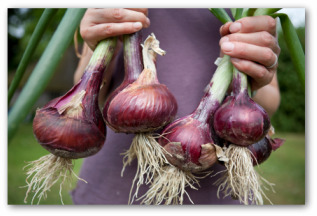
Growing cold hardy vegetables successfully through autumn and winter is straightforward once you understand the key principles - but there are some common mistakes that cause disappointment even with reliable cold-tolerant crops.
1. Planting too late is by far the most common mistake with cold hardy vegetables. A kale or spinach plant needs several weeks to establish before serious cold arrives. Plants set out in October into already-cold soil will struggle; the same plants established in August and September will sail through winter. Time your cold hardy vegetable sowings and transplants to give each crop the establishment time it needs before autumn cold sets in.
2. Not hardening off plants is another common error. Cold hardy vegetables that have been grown in a sheltered greenhouse or warm house and planted directly into cold outdoor conditions will suffer even if the variety is extremely frost tolerant. Gradual acclimatisation to outdoor conditions - a week of progressively longer exposure to outdoor air before transplanting - makes a very significant difference to how well plants cope with cold.
3. Waiting too long to harvest root vegetables that benefit from frost is a missed opportunity. Many gardeners harvest carrots and parsnips in September before frost has had a chance to sweeten them. Leave storage varieties in the ground through the first frosts and the flavour difference is remarkable. The cold works in your favour - trust it.
4. Ignoring winter harvests entirely is perhaps the biggest missed opportunity of all. Many gardeners assume there is nothing to do in the garden between October and March. A bed of well-chosen cold hardy vegetables with a little protection provides fresh food all winter long - and the quality of truly frost-hardened kale, parsnips, leeks, and spinach is among the finest that any garden produces.
Frequently Asked Questions About Cold Hardy Vegetables

1. What temperature can cold hardy vegetables survive?
The most cold hardy vegetables - kale, mache, leeks, and established spinach - can survive temperatures down to 10 to 20 degrees Fahrenheit with no protection. With row cover or cold frame protection, the hardiest cold hardy vegetables can survive even colder conditions. Semi-hardy vegetables tolerate light frosts in the 28 to 32 degree range. Always check the specific tolerance of each crop and use the frost chart above as a guide.
2. Do cold hardy vegetables need watering in winter?
Cold hardy vegetables in winter need significantly less water than summer crops. Cooler temperatures and shorter days mean plants grow much more slowly and evaporation is minimal. Check soil moisture every week or two and water only if the top two inches of soil feel dry. In climates with regular winter rainfall, supplemental watering is rarely needed. Avoid watering when frost is forecast and never water in the evening when temperatures will drop overnight.
3. Can I grow cold hardy vegetables in containers through winter?
Yes, with some limitations. Containers freeze through much faster than in-ground soil because they are exposed on all sides. Move containers against a sheltered wall or into an unheated garage or porch during very hard cold snaps. The most successful cold hardy vegetables in winter containers are kale, spinach, arugula, and hardy herbs. Use large containers - at least five gallons - which retain heat better than small ones.
4. Which cold hardy vegetables are best for a beginner's first winter garden?
Start with kale, spinach, and arugula - all reliable, low-maintenance, and genuinely productive through autumn and into winter. Add leeks if you sowed them early enough. Leave carrots in the ground under a mulch layer. These five cold hardy vegetables require very little attention and deliver excellent results for a first winter growing attempt.
5. How do I know which cold hardy vegetables to choose for my zone?
Use our free interactive USDA zone finder to confirm your zone and first frost date, then refer to the frost tolerance chart and planting schedule above to match crops to your specific conditions. The most reliably productive cold hardy vegetables are consistent across all zones - kale, spinach, leeks, and root vegetables in the ground represent a solid foundation for any cold hardy vegetable garden.
For a practical seasonal gardening checklist that covers which cold-hardy and cool-season vegetables to plant in spring and fall — along with watering, mulching, and soil care tasks for every season — DripWorks at dripworks.com has a beginner-friendly seasonal guide that complements the cold-hardy vegetable information on this page.
DripWorks — Seasonal Gardening Checklist for Beginners — practical checklist of seasonal gardening tasks including cold-hardy and cool-season planting for spring and fall
More Vegetable Gardening Guides

Continue building your cold season vegetable garden with these related guides:
- Fall Vegetable Garden - The Complete Guide to Autumn Growing
- Growing Vegetables from Seed - Complete Guide
- Raised Bed Vegetable Gardening for Beginners
- No-Dig Vegetable Gardening
- Companion Planting Chart for Vegetables
- Square Foot Gardening: The Complete Guide
- Free Interactive Vegetable Garden Planner
- Free USDA Zone Finder - Find Your Planting Dates
Recent Articles


-
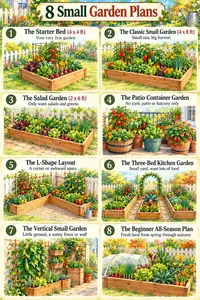
Small Vegetable Garden Plans: 8 Layouts That Maximise Space
Oct 08, 26 10:41 AM
 Small vegetable garden plans are some of the most searched and most valuable resources in home food growing.
 -
USDA Zone Finder - Find Your Vegetable Planting Dates | Vegetable-Gardening-Online.com
Oct 07, 26 03:53 PM
 Find your USDA hardiness zone, last spring frost date, and first fall frost date by state and region. Free interactive zone finder from Vegetable-Gardening-Online.com.
 -
Interactive Vegetable Garden Planner | Vegetable Gardening Online
Oct 07, 26 02:29 PM
Design a vegetable garden with correctly scaled plant spacing, companion flowers, drag-and-drop placement, and a printable plan. -
Free Printable Garden Stationery: Gardening Letter Paper & Note Cards
Oct 07, 26 12:48 PM
Free printable garden stationery: watercolor letter paper, lined and unlined, plus folded note cards with garden, fall, and Christmas scenes. Print at home. -
Free Preschool Vegetable Garden Cut and Paste Activities
Oct 07, 26 12:43 PM
 Free preschool vegetable garden cut and paste activities for ages 3-4. Build your own backyard, container, or seed packet garden scene, and sticker sheets.
 -
Planning a Vegetable Garden: Layouts, Raised Beds, Containers & More
Oct 06, 26 07:44 PM
 Planning a vegetable garden? Start here: layouts, raised beds, containers, square foot gardening, free planning tools, and tips to avoid beginner mistakes.
 -
How to Start a Vegetable Garden: 10 Easy Steps for Beginners
Oct 06, 26 04:38 PM
 How to start a vegetable garden in 10 easy steps: pick a sunny spot, choose raised beds or containers, prepare the soil, and grow easy vegetables.