- Home
- Growing Herbs in the Garden
- Growing Dill
Growing Dill In a Backyard Vegetable Garden
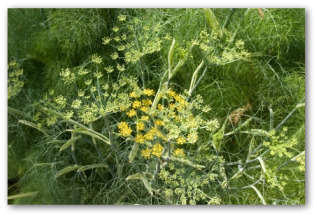
Easy tips for growing dill in a home vegetable, kitchen, or herb garden.
Learn how to plant, grow, care for, and harvest dill plants when backyard vegetable gardening.
Flowering leads ultimately to seeding, an important part of the herbal calendar, as many plants are cultivated for their seeds.

Design Your Own Vegetable Garden Layout Using our Free "Vegetable Garden Planner" Software!
Dill, caraway, coriander, cumin, fenugreek, mustard, poppy, and sesame are all used as staple seed producers.
When large quantities are desired, plants are best grown as utility crops in the kitchen garden.
The annual plants can also be sown between vegetables in your garden.
Few seeding herbs are very decorative, and you will probably want to prevent accidental seeding among other herbs.
Always choose a warm location for dill, to help seeds ripen and dry on the plants.
Download Free Garden Planning Worksheets, Garden Diary, Zone Chart, Or Planting Guide
National cuisines have evolved over many centuries and include strong echoes of former customs.
The choice of herbs for seasoning is no exception.
Certain flavors are instantly attributed to regional cookery such as dill in northern Europe.
 Dill makes a great companion plant in the vegetable garden, and also in a kitchen herb garden.
Dill is one of the most useful and fast-growing herbs in the garden — loved by cooks, pollinators, and swallowtail butterfly caterpillars alike.
This page is part of our Growing Herbs in the Garden hub, where you will find individual growing guides for dill and all the major culinary herbs, along with tips for using herbs as companion plants throughout your vegetable garden.
Growing Herbs in the Garden — complete hub for all our herb growing guides, container herb tips, and companion planting information
Planting Dill for Use as a Culinary Herb

Several herbs, all important candidates for the culinary herb garden, possess oils that are helpful in aiding digestion.
Dill is known as one of the herb ingredients that can be used in dill water or "gripe water" to settle upset stomachs, which can also be made using fennel, caraway, coriander, and aniseed.
The seeds are the part used for this home remedy, so make a point of leaving the growing dill to flower for harvesting at the end of the season.
Additionally, the leaves or seeds of the aromatic herb plant can be used as flavoring or garnish.
Dill is one of the most valuable companion plants in the vegetable garden, attracting ladybugs, parasitic wasps, and other beneficial insects that naturally control pests.
For research-based companion planting guidance covering dill and all the major vegetable crops, visit the Old Farmer's Almanac companion planting chart at almanac.com.
Old Farmer's Almanac — Companion Planting Guide — research-based companion planting chart covering dill and all the major vegetable garden crops
Growing Dill in Herb and Container Gardens

- When choosing sites for herbs and planning a small border, dill is best planted for the middle section.
- The plants grow 1 ½ feet to 3 ½ feet tall.
- Herbs are ideal subjects not only for conventional pots, but containers of all types.
- Dill is an also an excellent choice for planting in sunny window boxes.
A window box makes a perfect herb garden, accessible at all times and
changing with the seasons if a supply of potted plants is kept in
reserve.
Hardy and self-seeding, this fern-like plant attracts honeybees when allowed to mature to 2 or 3 feet tall.
Growing dill needs just 8 inch spacing on all sides.
If harvested young, it can be inter-planted with cucumbers, cabbage, onions, lettuce, and carrots.
Dill weed is a tasty addition to soups, salads, creamed entrees, and cheese or tofu dips.
It is also a staple in making vinegars and pickles.
How to Grow Dill
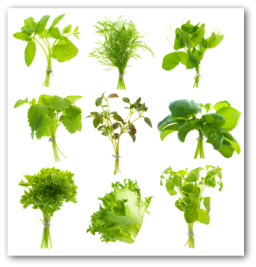
- Seeds germinate in 21 days.
- Sow seeds directly in the garden after last frost.
- For transplants, start seeds 8 to 10 weeks before setting out, which can be done after last frost.
- For a fall harvest, sow seeds directly in the garden in July
Planting Dill
- Dill does best in moderately rich, well-drained, moist soil.
- The preferred pH range is 5.0 to 7.0.
- Grow dill around fruit trees since it attracts pollinating bees.
- The herb is known as a growth-enhancing companion around cole crops, lettuce, and onions.
- It also has the reputation to repel insects from corn.
- Make succession plantings every three weeks from May to August for a fresh supply of leaves and seeds.

Harvesting Dill
Harvest a few leaves as needed from plants throughout the season.
They are at their best before flower heads develop.
The leaves, known as dill weed, can be dried.
Seeds heads are ready for harvest 8 weeks after planting.
Let them turn completely brown prior to picking, but catch them before they shatter.
Back To Top
Growing Dill to Vegetable Gardening

Recent Articles


-
How to Grow Cabbage
Sep 15, 26 12:33 PM
 How to Grow Cabbage: The Complete Guide from Seed to Harvest. This complete guide covers everything you need to know about how to grow cabbage.
 -
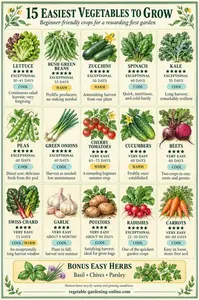
Easiest Vegetables to Grow: 15 Foolproof Crops for Beginners
Sep 15, 26 09:24 AM
 Easiest vegetables to grow for beginners - with advice on what makes each one easy, how to get started, and which vegetables are harder than they look.
 -
How to Grow Green Beans
Sep 14, 26 07:53 PM
 How to Grow Green Beans: The Complete Guide to Bush and Pole Beans. Green beans are one of the most forgiving crops a beginner can choose.
 -
Seasonal Vegetable Garden
Sep 14, 26 05:38 PM
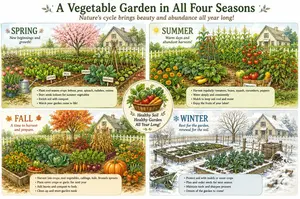
 Seasonal Vegetable Garden — Growing Food Through Every Season
 -
Overwintering Vegetables: Fall-Planted Crops for Early Spring Harvest
Sep 14, 26 05:35 PM
 Learn about overwintering vegetables like garlic, fava beans, and onions, planted in fall to sit through winter and reward you with an early spring harvest.
 -
Free Vegetable Garden Journal— Printable Downloads for Home Gardeners
Sep 14, 26 01:51 PM
 Download our free Vegetable Garden Journal — choose a full 16-page version or simpler 7-page journal. Track planting, harvest, & garden notes season by season.
 -
Free Vegetable Garden Cut and Paste Activities for Kids Ages 5-7
Sep 12, 26 09:13 PM
 Free printable vegetable garden cut and paste activities for kids ages 5-7. Build your own garden, match seeds to plants, and learn what grows where.