- Home
- How to Grow Vegetables
- Growing Tomatoes
Growing Tomatoes in
Your Vegetable Garden
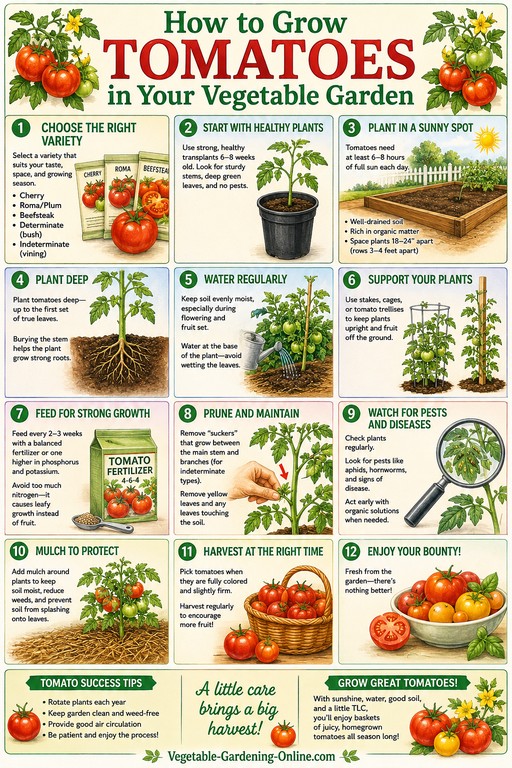
Growing tomatoes successfully in your garden, or a container garden; how easy is it?
Tomatoes are the plant most home gardeners start with, and for good reason.
I have been growing vegetables, or helping my parents to grow vegetables, since 1961, and in all that time, nothing draws people into gardening quite like the difference between a store-bought tomato and one that ripened on your own vine!
Once you have tasted the difference, there is no going back.
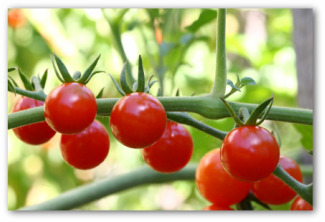
 Tomatoes ripening on the vine.
Growing tomatoes successfully comes down to a handful of things done well: choosing a variety suited to your growing season, giving the plant enough sun and room, watering consistently, and paying attention when something looks off. None of it is complicated, but each piece matters.
This page covers what you need to know to get a healthy crop, along with links to more detailed pages on specific varieties, common problems, and what to do with your harvest at the end of the season.
Curious about growing vegetables that need less water and care over time? See our guide on how to start landrace gardening.
Choosing a Tomato Variety
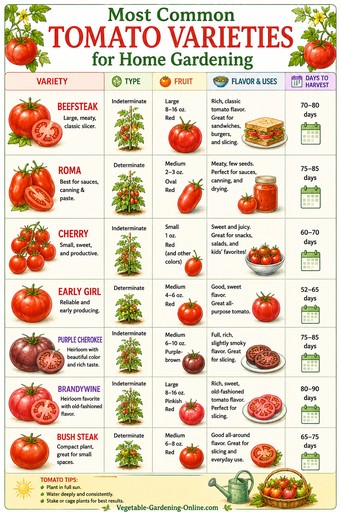
With thousands of tomato varieties available, choosing where to start can feel overwhelming.
A good rule of thumb is to plant at least one reliable, well-known variety alongside anything new you want to try, so you are guaranteed a harvest even if the new variety struggles.
Heirloom varieties like Cherokee Purple and Brandywine are beloved for their rich, old-fashioned flavor, though they tend to take longer to ripen and can be more prone to cracking than modern hybrids.
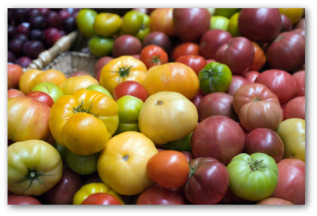 Popular heirloom tomato varieties to grow at home; Cherokee Purple, Brandywine, and Yellow Brandywine.
If you are new to growing tomatoes, pairing an heirloom with a dependable hybrid is a good way to enjoy exceptional flavor without risking your whole harvest.
Cherry and grape tomatoes are especially forgiving for beginners, ripening earlier and more reliably than large slicing varieties. Paste tomatoes, with their meaty, low-moisture flesh, are the better choice if you plan to can or freeze your harvest.
Growing Tomatoes at a Glance
| Factor | Guideline |
|---|---|
| Sun | Full sun; at least 6-8 hours daily |
| Soil pH | Slightly acidic, around 6.0-6.8 |
| Spacing | About 2-3 feet apart, depending on variety |
| Planting time | After all danger of frost has passed and soil has warmed |
| Days to maturity | 60-90 days, depending on variety |
| Watering | Deep and consistent; avoid wetting the foliage |
Planting Tomatoes for a Strong Start
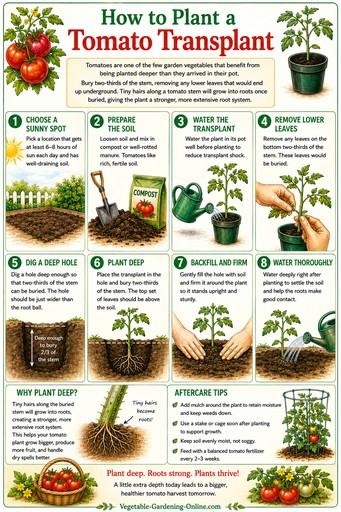
- Tomatoes are one of the few garden vegetables that benefit from being planted deeper than they arrived in their pot.
- Bury two-thirds of the stem, removing any lower leaves that would end up underground.
- Tiny hairs along a tomato stem will grow into roots once buried, giving the plant a stronger, more extensive root system than if it were planted at the same depth it was growing before.
- Choose the sunniest spot available.
- Tomatoes need at least six hours of direct sun a day to produce well, and more is generally better.
Tomatoes make excellent container plants.
- If you are limited for garden space, growing tomatoes in pots placed in a sunny location will provide an abundance of fruit.
- Tomatoes are always a good choice when planning a container garden in a sunny location.
- Use a good quality potting soil with added compost or fertilizer to fill your containers.
- Immediately after you transplant your tomato plant, place a "tomato cage" over the small plant.
- See our complete guide to growing tomatoes in containers.
Caring for Tomato Plants Through the Season
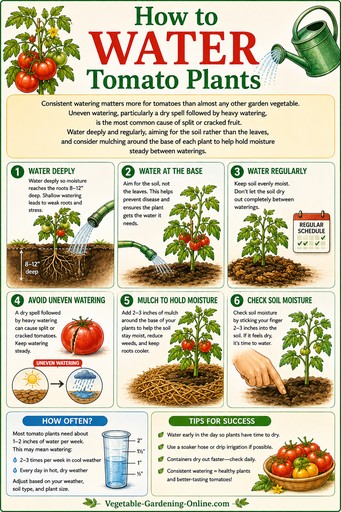
Consistent watering matters more for tomatoes than almost any other garden vegetable. Uneven watering, particularly a dry spell followed by heavy watering, is the most common cause of split or cracked fruit.
Water deeply and regularly, aiming for the soil rather than the leaves, and consider mulching around the base of each plant to help hold moisture steady between waterings.
For more detail on watering routines, see our page on watering tomato plants.
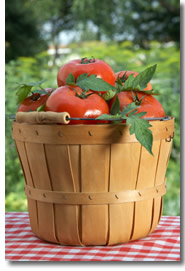 Basket of freshly harvested ripe tomatoes from the garden.
Tomatoes are heavy feeders and benefit from regular fertilizing throughout the growing season, particularly once they begin setting fruit.
Over-fertilizing with nitrogen, though, can produce a plant with lush green growth and very little fruit, so it is worth understanding the right balance. See our page on fertilizing tomatoes for more guidance.
Keep an eye on the leaves throughout the season.
Yellowing leaves can signal several different issues, from watering problems to nutrient deficiencies to disease, and catching it early makes a real difference.
If you notice yellowing, our page on why tomato leaves turn yellow walks through the most common causes.

When the Season Ends:
What to Do with Green Tomatoes
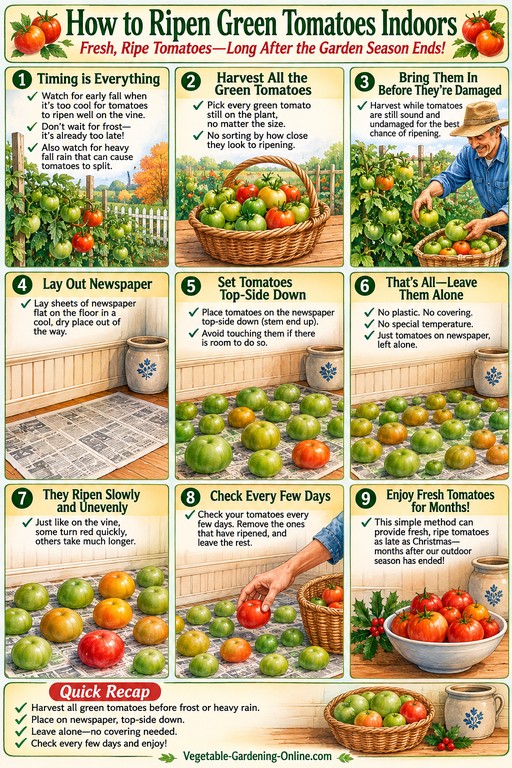
If your tomato season ends before everything on the vine has ripened, don't let those green tomatoes go to waste — see How to Ripen Green Tomatoes Indoors for a simple way to keep enjoying fresh tomatoes for months after your outdoor season ends.


Explore more: Cherokee Purple Tomato | Brandywine Tomato | Watering Tomato Plants | Fertilizing Tomatoes | Why Are My Tomato Leaves Turning Yellow? | How to Ripen Green Tomatoes Indoors
Source: Washington State University Extension
- Growing Vegetables — complete hub for growing all vegetables at home

Recent Articles


-
How to Grow Cabbage
Sep 15, 26 12:33 PM
 How to Grow Cabbage: The Complete Guide from Seed to Harvest. This complete guide covers everything you need to know about how to grow cabbage.
 -
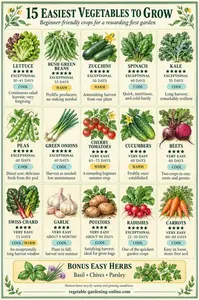
Easiest Vegetables to Grow: 15 Foolproof Crops for Beginners
Sep 15, 26 09:24 AM
 Easiest vegetables to grow for beginners - with advice on what makes each one easy, how to get started, and which vegetables are harder than they look.
 -
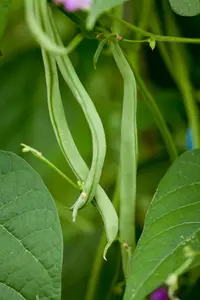
How to Grow Green Beans
Sep 14, 26 07:53 PM
 How to Grow Green Beans: The Complete Guide to Bush and Pole Beans. Green beans are one of the most forgiving crops a beginner can choose.
 -
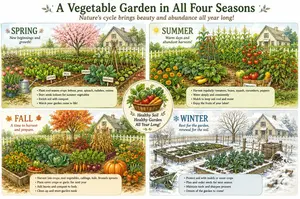
Seasonal Vegetable Garden
Sep 14, 26 05:38 PM
 Seasonal Vegetable Garden — Growing Food Through Every Season
 -
Overwintering Vegetables: Fall-Planted Crops for Early Spring Harvest
Sep 14, 26 05:35 PM
 Learn about overwintering vegetables like garlic, fava beans, and onions, planted in fall to sit through winter and reward you with an early spring harvest.
 -
Free Vegetable Garden Journal— Printable Downloads for Home Gardeners
Sep 14, 26 01:51 PM
 Download our free Vegetable Garden Journal — choose a full 16-page version or simpler 7-page journal. Track planting, harvest, & garden notes season by season.
 -
Free Vegetable Garden Cut and Paste Activities for Kids Ages 5-7
Sep 12, 26 09:13 PM
 Free printable vegetable garden cut and paste activities for kids ages 5-7. Build your own garden, match seeds to plants, and learn what grows where.