- Home
- Planning A Garden
- Planting Guide
Garden Planting Guide,
Zone Chart

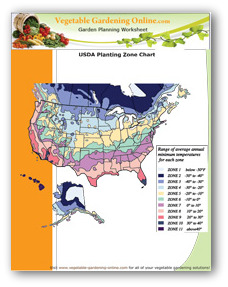
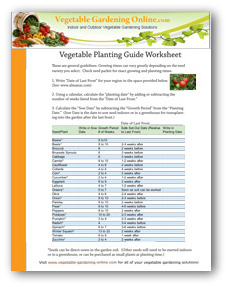

Use our free garden planting guide to plan your home vegetable garden!
Use our free zone finder to locate your planting zone information.
Follow our easy charts for when to plant, and for how long it will take to begin harvesting your own delicious vegetables.
It's easy to grow fresh organic veggies whether in a backyard plot, or on a sunny porch, deck or balcony!
📅 We've published a new, more complete guide to this topic. See our updated Vegetable Planting Calendar for exact month-by-month planting dates for every common vegetable, organized by your growing zone. Not sure what zone you're in? Use our free Interactive USDA Zone Finder to find your exact frost dates first.

Download our free planting guide and other helpful worksheets for planning and growing your own vegetable garden at home!
Check out all of our Free Vegetable Garden Printables.
Planting a home vegetable garden can be fun and pretty simple to do with just a few tips to help you get started.
Even if you don't know how to plant a garden, you will find it easy to succeed with our simple planting guide.
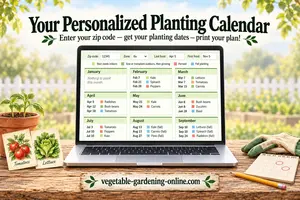
For a customizable vegetable garden planting calendar based on your zip code — with exact planting dates for every vegetable calculated from your local frost dates — the Old Farmer's Almanac at almanac.com is one of the most trusted and widely used planting guides available for home vegetable gardeners across North America.
- Old Farmer's Almanac — Planting Calendar — free customizable vegetable garden planting calendar by zip code, with planting dates for every major vegetable based on your local frost dates
This page is part of our Free Vegetable Garden Printables collection, where you will find all our free downloads in one place — worksheets, plans, coloring books, zone charts, and more.
Free Vegetable Garden Printables — all our free downloads for home vegetable gardeners in one place
Garden Planting Guide


The following vegetables can be planted approximately a month before the date of the last frost:
- broccoli
- Brussels sprouts
- cabbage
- cauliflower
- collards
- greens
- onions
- parsley
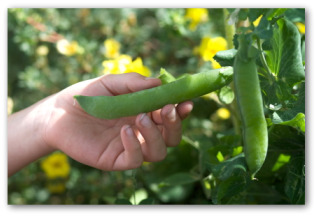
- peas
- radish
- spinach
Please see our planting guide for specifics on each of the above vegetables.
Also, for the most accurate planting instructions, read the back of the seed packet, or see the information supplied with the vegetable transplants that you have purchased.

The following vegetables can be planted approximately 2 weeks after the date of the expected last frost:
- beans
- beets
- carrots
- corn
- cucumber
- eggplants
- lettuce
- okra
- peppers
- potatoes
- pumpkin
- squash
- tomato
- zucchini
Online Garden Planning Guide
Design Your Own Vegetable Garden Layout Using our Free "Vegetable Garden Planner" Software!
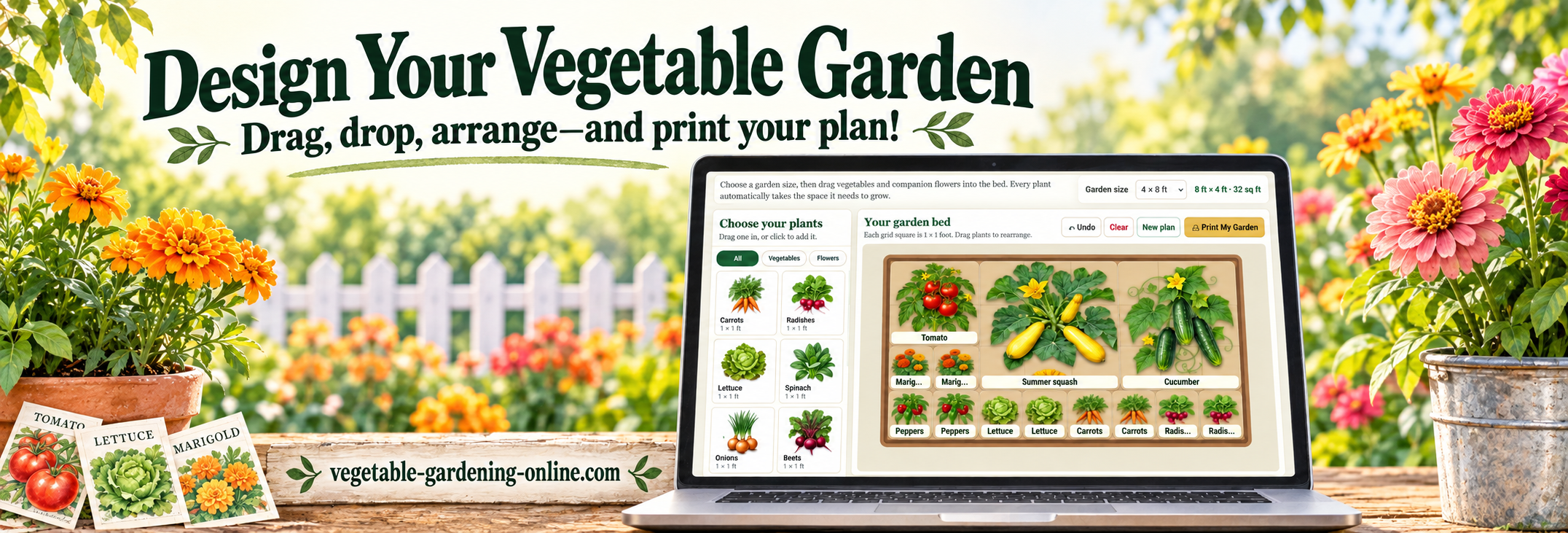
- To begin, choose your favorite vegetables that can be grown in your area.
- Use our free zone chart if you need help determining this.
- Decide how much space you have in a sunny location.
- Most vegetable require a minimum of six hours of sunlight per day.
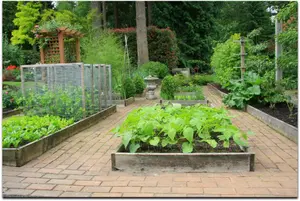
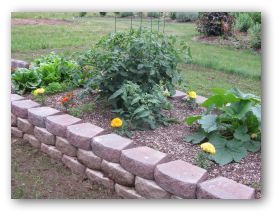
- Choose which type of garden to build; in-ground, raised bed, container, or square foot.
Many garden vegetables require warmer soil and air temperatures in order to thrive.
This is why many favorites such as tomatoes, peppers, corn, and squash cannot be safely planted outdoors until after the last frost has occurred.
Peas, lettuce, cabbage, onions and a few others can be safely planted outdoors in the spring, as they thrive in cooler weather.
Garden Planting Guide
for Beginning Gardeners
Keep in mind these basic rules for successful vegetable gardening:
Good Soil
Adequate Water
Keep the Weeds Out!
Sunny Location
Soil for your garden will give you best results if it is amended to be both fertile and easily workable with lots of compost to keep it loose and crumbly.
Water should be conveniently located, and set up to water automatically if possible.
This will help prevent accidentally allowing young plants to dry out before their root system is fully established.
Weeds will rob your garden plants of both water and much-needed nutrients.
I don't know anyone who really loves weeding their garden, but it must be done if you are to have a happy and healthy garden!
A few garden plants, such as lettuce, spinach, and beets, can tolerate partial shade.
All other vegetable plants need full sun in order to mature and produce to their potential.
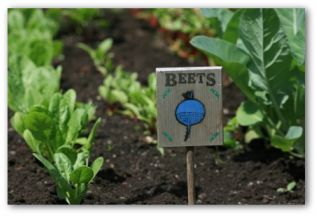
Even the best laid garden plans can sometimes be ruined with an unexpected frost, hail storm, drought conditions, or an attack of garden pests.
Sometimes it is possible to replant damaged garden plants in time for them to grow to maturity.
Other years, you have to be philosophical, and try again next season.
Use our new Garden Planting Guide to determine the best time to plant your garden vegetables.
Return to our Planning a Vegetable Garden hub for complete guides to garden design, layout, raised beds, containers, and planning tools.
- Planning a Vegetable Garden — complete hub for garden design, layout, raised beds, containers, and planning tools

Recent Articles


-
Raised Bed Vegetable Garden: Plans, Layouts, and How to Build One
Sep 27, 26 09:37 PM
 A raised bed vegetable garden step by step: where to put it, size and depth, materials, how to build and fill it, a free 4x8 planting plan, and what to grow.
 -
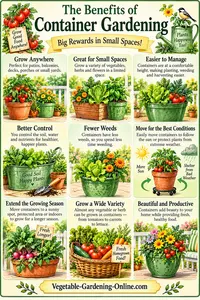
Container Vegetable Gardening: Ideas, Designs, and Growing Tips
Sep 27, 26 05:56 PM
 Container vegetable gardening made easy: best pots and soil, what to grow, pot sizes, watering and feeding, plus container garden designs, ideas, and pictures.
 -
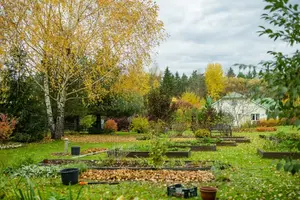
Fall Vegetable Garden Guide: The Complete Guide to Autumn Growing
Sep 26, 26 11:28 AM
 This fall vegetable garden guide covers the best crops, timing, frost protection, and planting charts for a productive autumn harvest.
 -
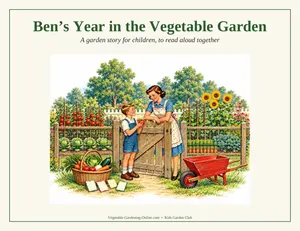
Garden Story for Children: Free Printable; Ben's Garden Year
Sep 25, 26 12:50 PM
 A free printable garden story for children ages 4-7. Read it online or print the picture book: Ben plants seeds in winter, grows a tomato, and picks radishes.
 -
Basic Vegetable Garden Design: Layouts, Plans, and Ideas for Any Yard
Sep 24, 26 08:10 PM
 Basic vegetable garden design made simple: pick a layout, raised beds or in-ground, paths and water, the four-square rotation, and free plans and a planner.
 -
Child Vegetable Garden--Kids Gardening Hub
Sep 23, 26 08:04 PM
 Everything for kids in the garden; free worksheets, coloring books, preschool activities, scarecrow projects, and tips for planning a child vegetable garden.
 -
Growing Cucumbers — Complete Guide to Planting, Care, and Harvest
Sep 23, 26 01:59 PM
 Complete guide to growing cucumbers: varieties, planting times, soil, spacing, trellising, watering, pests, and harvesting for a big cucumber crop.