- Home
- How to Grow Vegetables
- Growing Lettuce
- How to Grow Spinach
How to Grow Spinach: The Complete Guide from Seed to Harvest
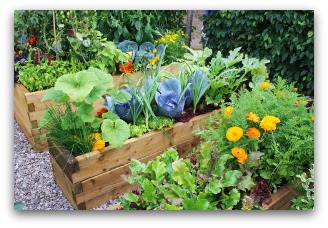
Learning how to grow spinach is one of the most rewarding entry points into cool-season vegetable gardening.
Spinach is fast-growing, nutrient-dense, and delivers a noticeably better flavor and texture homegrown than anything sold in a plastic clamshell at the store - tender, sweet, and ready to eat within weeks of sowing the seed.
It is also one of the easiest greens to fit into almost any garden, since a single small bed or even a few containers can supply a household with fresh leaves for weeks at a time.
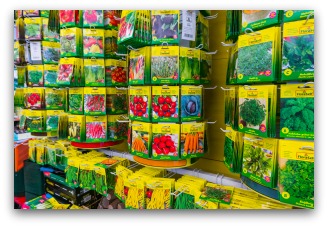
The one quirk that catches many beginners off guard when learning how to grow spinach is its strong preference for cool weather.
Spinach grows best in temperatures between about 45 and 75 degrees Fahrenheit, and it responds to both heat and long summer daylight hours by bolting - sending up a central flower stalk and turning bitter rather than continuing to produce tender leaves.
Once you understand this single characteristic, growing spinach becomes remarkably straightforward, and timing your plantings around it is really the only skill this guide needs to teach you.
According to Utah State University Extension, spinach tastes best when plants grow rapidly and mature before the heat of summer arrives, and seed can be sown as soon as soil temperatures reach 40 degrees Fahrenheit in spring.

Source: Utah State University Extension - How to Grow Spinach in Your Garden
The Three Types of Spinach to Grow in a Home Garden

Before getting into the practical steps of how to grow spinach, it helps to understand the three main leaf types available, since each has a slightly different texture, appearance, and ideal use in the kitchen.
Savoy spinach has crinkled, deeply puckered, dark green leaves that grow close to the ground. It is generally the most cold-tolerant and disease-resistant of the three types, with a pleasantly chewy texture, though the deep crinkles can trap soil and grit, meaning savoy leaves need more thorough washing before use.
Smooth (flat-leaf) spinach has flat, spade-shaped leaves on a more upright plant. It is easier to clean than savoy types and tends to be the variety most often used commercially, since the smooth surface sheds soil readily during washing and processing.
Semi-savoy spinach splits the difference, with leaves that are only lightly crinkled on a fairly upright plant. Many gardening experts recommend semi-savoy varieties as the best starting point for beginners learning how to grow spinach, since they combine good flavor, solid disease resistance, and easier cleaning than full savoy types, without sacrificing much in the way of cold tolerance.
The three spinach leaf types compared
| Type | Leaf Texture | Cold Hardiness | Ease of Cleaning |
|---|---|---|---|
| Savoy | Deeply crinkled | Excellent | More difficult - traps soil |
| Semi-savoy | Lightly crinkled | Very good | Easier than savoy |
| Smooth (flat-leaf) | Flat, spade-shaped | Good | Easiest - sheds soil readily |
Best Spinach Varieties for Home Gardens

Choosing the right variety is one of the most effective things you can do in how to grow spinach successfully, since seed packets are typically labeled clearly for either cold-hardiness or bolt-resistance, and matching the variety to the season you intend to grow it in is your single best defense against the most common spinach problems.
Bloomsdale Long Standing is one of the most popular and reliable spinach varieties for home gardeners, with thick, crinkled, glossy dark green leaves and notably good resistance to bolting compared to many older varieties. It performs well in both spring and fall plantings and is an excellent all-around starting point for anyone learning how to grow spinach for the first time.
For a spring crop specifically, look for varieties described as bolt-resistant or slow-to-bolt, since these are bred to hold off flowering longer as days lengthen and temperatures climb.
Varieties like Tyee and Olympia fall into this category and are good choices when your main goal is stretching out the spring harvest window as long as possible.
For a fall crop intended to overwinter for an extra-early spring harvest, look instead for varieties specifically described as cold-hardy or winter types, often grown from spiny (rather than round) seed, which tends to correlate with better cold tolerance.
Space, a semi-savoy hybrid, is widely used for exactly this overwintering purpose, even in fairly cold climates, when covered with deep mulch or grown in a cold frame.
Best spinach varieties by purpose
| Variety | Type | Days to Maturity | Best For |
|---|---|---|---|
| Bloomsdale Long Standing | Savoy | 43-48 days | All-around reliable choice; good bolt resistance |
| Tyee | Semi-savoy | 40-45 days | Spring planting; very bolt-resistant |
| Olympia | Smooth | 45 days | Spring planting; bolt-resistant |
| Space | Semi-savoy | 37-45 days | Overwintering; downy mildew resistant |
| Giant Noble | Smooth | 45 days | Large leaves; mosaic virus resistant |
| America | Savoy | 50-52 days | Heat and drought tolerant; good summer-edge performer |
When to Plant Spinach: Spring and Fall

Timing is the single most important thing to get right in how to grow spinach well, since this cool-season crop has a genuinely narrow comfort zone and performs poorly outside it regardless of how well everything else is managed.
For a spring crop, sow spinach seeds directly outdoors four to six weeks before your last frost date, as soon as the soil can be worked and has reached at least 40 degrees Fahrenheit. Spinach seed actually germinates even in soil close to freezing, though germination is fastest at 55 to 65 degrees and takes seven to ten days under those conditions.
The goal with spring spinach is to get plants growing rapidly while temperatures are still cool, so they reach maturity and give you several harvests before the heat of early summer arrives and triggers bolting.
For a fall crop - which many experienced gardeners consider the better and sweeter of the two seasons for how to grow spinach - sow seeds six to eight weeks before your first fall frost date, once soil temperatures have cooled to around 70 degrees or below. Fall spinach benefits from the same cooling trend that makes other crops like carrots and kale sweeter, and it is far less prone to bolting since day length is shortening rather than lengthening through the harvest period. Use our free interactive zone finder to confirm your frost dates before mapping out your how to grow spinach schedule for both seasons.
For a continuous supply through the cool months of the year, sow a new small batch every seven to fourteen days throughout your spring and fall planting windows - a classic succession planting approach that staggers harvests instead of delivering one large flush all at once. See our complete succession planting vegetables guide for more on this technique as it applies to fast-growing crops like spinach.
Spinach planting calendar by region
| Region | Spring Sowing | Fall Sowing | Notes |
|---|---|---|---|
| Northern US (Zones 3-5) | Late March to April | Early to mid August | Both crops reliable; consider overwintering varieties for fall |
| Mid-Atlantic / Midwest (Zones 5-6) | March | Late August to early September | Fall crop often outperforms spring in flavor |
| Pacific Northwest (Zones 7-8) | February to March | September | Mild winters allow some overwintering without protection |
| Southern US (Zones 8-10) | January to February | October (often the best season) | Can grow right through winter in many areas |
Soil Preparation and Site Selection

Good soil preparation makes a meaningful difference in how to grow spinach with lush, rapid, tender growth, since spinach is a relatively heavy nitrogen feeder for a fast-maturing leafy crop.
Spinach prefers fertile, well-drained soil rich in organic matter, with a pH between 6.5 and 7.5. Unlike many vegetables, spinach is genuinely sensitive to low soil pH - overly acidic soil causes slow, yellowed (chlorotic) growth, so testing your soil and adding lime if needed before planting is well worth the effort.
Work two to three inches of compost into the bed before sowing to supply the nitrogen and organic matter that fast leafy growth depends on.
Choose a site in full sun for spring and fall plantings, though spinach tolerates partial shade better than most vegetables and genuinely benefits from afternoon shade if you are pushing a planting into the warmer edges of the season, since reduced light intensity helps delay bolting.
Good drainage matters too - spinach dislikes soil that stays consistently waterlogged, which encourages the root rot and fungal diseases that are among its more common problems.
How to Plant Spinach Seeds

The practical mechanics of how to plant spinach are simple and almost always based on direct sowing outdoors, since spinach has a delicate root system that does not always handle transplanting disturbance well, though transplants can work for an earlier start if handled carefully.
Sow seeds about half an inch deep, spaced one to two inches apart within rows, with rows themselves spaced twelve to eighteen inches apart.
After germination, thin seedlings to a final spacing of three to four inches apart - closer spacing is fine and even helpful for weed suppression if you plan to harvest frequently as a cut-and-come-again crop, since dense plantings shade out competing weeds effectively.
Spinach seed has a notably hard outer coat, and soaking seeds in water for several hours to twenty-four hours before sowing can speed up and improve germination, though it is not strictly necessary if soil moisture is already good.
Keep the seed bed consistently moist until germination, which typically takes seven to ten days in favorable cool soil.
If you want an earlier start than direct outdoor sowing allows, seedlings can be started indoors in cell trays about five to six weeks before transplanting, then moved outside once they have four to six mature leaves and a well-developed root system - handle the root ball gently at transplant time to minimize the disturbance that can trigger premature bolting
Watering and Feeding Spinach

Consistent watering is one of the most important ongoing tasks in how to grow spinach with tender, mild-flavored leaves rather than tough, bitter ones. Spinach has a relatively shallow root system and very little tolerance for drought stress, which shows up quickly as both reduced leaf quality and accelerated bolting.
Water spinach regularly to keep the soil evenly moist, never allowing it to dry out completely between waterings. About one inch of water per week is a reasonable baseline, increasing during any warm or windy stretch when soil dries faster.
A two-inch layer of mulch - straw, shredded leaves, or even grass clippings - around established plants helps maintain this even moisture, suppresses competing weeds, and has the added benefit of keeping the root zone a little cooler as temperatures rise later in the season, which helps delay bolting somewhat.
Feeding needs are moderate but real in how to grow spinach productively, since it is a faster-growing leafy crop than many root vegetables and draws fairly heavily on available nitrogen. If the bed was well prepared with compost at planting time, additional feeding often is not necessary for a single quick crop.
For longer cut-and-come-again harvesting from the same plants, a light side-dressing of a balanced or nitrogen-leaning organic fertilizer after the first cutting helps sustain vigorous regrowth. Avoid letting plants experience either fertilizer or water stress, since both push spinach toward premature flowering rather than continued leaf production.
Preventing Bolting: The Biggest Spinach Challenge

Bolting is, without question, the single biggest challenge in how to grow spinach successfully, and understanding it thoroughly will save you more disappointment than any other piece of advice in this guide.
Bolting is the process by which a spinach plant suddenly shifts from producing leaves to producing a tall central flower stalk, after which the leaves quickly turn tough, bitter, and unpalatable. Once bolting begins in earnest, it cannot be reversed - the plant has made its decision and is moving toward seed production.
Bolting in spinach is triggered primarily by long daylight hours - generally once day length exceeds roughly twelve and a half to fifteen hours, depending on variety - combined with warming temperatures, typically once daytime air consistently climbs above about 75 to 77 degrees Fahrenheit. Both signals tell the plant that its narrow cool-season window is closing and it should reproduce before conditions become unfavorable.
The most effective strategies for delaying bolting when growing spinach are choosing bolt-resistant varieties for spring plantings, maintaining genuinely consistent soil moisture throughout the plant's life (since drought stress accelerates bolting noticeably), providing afternoon shade or shade cloth once temperatures start climbing into the upper 70s, and simply timing your plantings so that maturity falls within the cool window rather than stretching into the heat.
Once you see the first signs of a central stalk forming and thickening, harvest the entire plant immediately rather than waiting, since leaf quality declines very quickly from that point forward.
How to Harvest Spinach

Knowing how and when to harvest is an important final skill in how to grow spinach for the best possible flavor and the longest possible productive period from each planting.
Spinach can be harvested at baby leaf size for tender salad greens in as little as twenty-one to thirty days, or allowed to mature further for cooking use, typically forty to fifty days from sowing depending on variety.
There are two practical harvesting approaches.
1. The cut-and-come-again method removes only the larger outer leaves while leaving the central growing point intact, allowing the plant to continue producing new leaves over several additional weeks - this is the most space-efficient and longest-lasting approach for most home gardens.
2. Alternatively, the whole-plant method cuts the entire plant about an inch above the soil line in one harvest, which is more practical for a single larger batch destined for cooking or freezing, but ends that particular planting's production.
Do not wait too long to harvest spinach or let leaves grow excessively large hoping for more volume - bitterness sets in quickly past peak maturity, and the longer leaves sit on the plant, the tougher and more fibrous they become. Harvest in the cool of morning when possible, since leaves are at their crispest and least prone to wilting immediately after cutting.
Growing Spinach Through Winter

One of the most rewarding extensions of growing spinach is overwintering it for an extra-early spring harvest, an approach particularly well suited to spinach because young plants tolerate remarkably cold temperatures - established seedlings can survive down to roughly 15 to 20 degrees Fahrenheit with minimal protection.
To overwinter spinach, sow a fall crop of a cold-hardy, spiny-seeded variety in late summer, timed so plants reach a modest, semi-mature size before the hardest freezes of winter arrive - not so large that they bolt before winter, but established enough to survive dormant through the cold months.
Once hard frost threatens, cover the bed with a deep layer of straw mulch, or move plants into the protection of a cold frame. The plants essentially pause growth through the coldest weeks, then resume vigorously as days lengthen and temperatures rise in very early spring, often providing a harvest weeks before any newly sown spring crop could catch up.
In mild winter climates, spinach planted in fall can often be harvested right through winter with no protection at all, since temperatures rarely drop low enough to threaten established plants. See our complete winter vegetable gardening guide and cold frame vegetable garden guide for more on extending your spinach season at both ends of the year using these techniques.
Common Problems When Growing Spinach
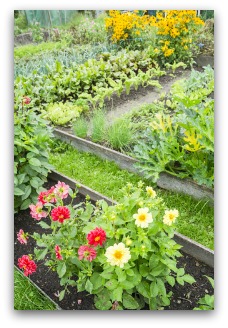 Companion planting flowers in the vegetable garden not only is pretty, but it helps deter insect pests.
A handful of recurring issues account for most of the trouble gardeners run into while learning how to grow spinach, and the great majority trace back to either bolting or one of a few manageable pests and diseases.
Tough, fibrous leaves with a bitter edge are most often simply the result of inconsistent watering or waiting too long to harvest, rather than any disease. Consistent moisture and prompt harvesting at a young, tender stage resolve this in almost every case.
Downy mildew, appearing as yellow patches on upper leaf surfaces with grayish fuzzy growth underneath, is one of the more common fungal diseases affecting spinach, particularly in cool, damp, poorly ventilated conditions. Choosing resistant varieties, spacing plants for good air circulation, and watering at the base rather than overhead all reduce its likelihood significantly.
Leaf miners are small fly larvae that tunnel through leaf tissue, leaving pale, blister-like trails that make affected leaves unappealing even though the rest of the plant is unaffected. Removing and discarding affected leaves promptly, along with row cover to physically exclude the adult flies before they lay eggs, are the most effective organic controls. Aphids occasionally cluster on the undersides of leaves and respond well to a strong jet of water or insecticidal soap for more established infestations.
Mosaic virus causes mottled, yellow-streaked leaves and reduced vigor, and unfortunately has no cure once a plant is infected - affected plants should be removed and destroyed promptly to prevent the aphids that often spread the virus from carrying it to healthy neighboring plants. Choosing virus-resistant varieties is the most reliable preventive step.
Common spinach problems and solutions
| Problem | Most Likely Cause | Solution |
|---|---|---|
| Bolting (flower stalk, bitter leaves) | Heat and long daylight hours | Bolt-resistant varieties; afternoon shade; consistent watering; correct timing |
| Tough, bitter leaves | Inconsistent watering; harvested too late | Water consistently; mulch; harvest young and often |
| Yellow patches with gray fuzz underneath | Downy mildew | Resistant varieties; better spacing; water at base; good air circulation |
| Pale, blister-like trails in leaves | Leaf miner larvae | Remove affected leaves; row cover to exclude adult flies |
| Slow growth; yellowing leaves | Low soil pH; nutrient deficiency | Test soil; add lime if needed; feed with balanced fertilizer |
| Mottled, streaked leaves | Mosaic virus (spread by aphids) | Remove infected plants; control aphids; choose resistant varieties |
Companion Planting for Spinach

Companion planting offers practical benefits in how to grow spinach, mainly through shade and efficient use of space rather than dramatic pest deterrence, since spinach is a fairly easygoing neighbor in most garden layouts.
Taller crops like peas, beans, and brassicas such as broccoli and cabbage make excellent companions, since their height provides the dappled afternoon shade that helps delay bolting in spinach planted nearby as the season warms.
Strawberries are a classic companion as well, sharing similar soil and watering preferences while staying low enough not to compete for light.
Radishes, lettuce, and other quick-maturing crops pair well with spinach for efficient succession use of the same bed space.
Keep spinach away from potatoes, which can compete for similar nutrients and occasionally share certain soil-borne disease pressures.
See our complete companion planting chart for vegetables for the full guide to pairing spinach with other crops in your garden.
Growing Spinach in Containers

Growing spinach in containers works very well, since its shallow roots and compact growth habit suit container culture better than almost any other leafy vegetable. Use a container at least six to eight inches deep with good drainage, filled with a quality potting mix blended with compost.
Sow seeds at the same depth and spacing recommended for in-ground plantings, and keep container spinach consistently watered, since pots dry out considerably faster than garden soil, and drought stress is exactly the trigger you are trying hardest to avoid.
In warm weather, move containers to a spot with afternoon shade to help delay bolting, an adjustment that is much easier to make with a portable container than with an in-ground bed.
Indoor growing under a full-spectrum LED grow light, run for twelve to fourteen hours a day, is a practical option when outdoor conditions are too hot or too cold for spinach to thrive, giving you a reliable supply of fresh leaves regardless of season. See our complete container vegetable gardening guide for further advice on container growing in general.
Frequently Asked Questions About How to Grow Spinach

1. How long does it take to grow spinach from seed to harvest?
Most spinach varieties are ready for a baby leaf harvest in as little as twenty-one to thirty days, and reach full maturity for cooking use in forty to fifty days, depending on variety and growing conditions. This makes spinach one of the faster crops you can grow, particularly valuable for filling short gaps in a succession planting schedule.
2. Why did my spinach bolt so quickly?
Premature bolting in how to grow spinach is almost always caused by some combination of rising temperatures above about 75 degrees Fahrenheit and lengthening daylight hours, often worsened by inconsistent watering. Planting at the correct time for your season, choosing a bolt-resistant variety, and keeping soil consistently moist are the most effective preventive measures.
3. Can spinach survive frost?
Yes, quite well. Established spinach seedlings tolerate temperatures down to roughly 15 to 20 degrees Fahrenheit, and light frost does not damage mature plants at all. This cold tolerance is exactly what makes overwintering spinach for an extra-early spring harvest such a practical technique in many climates.
4. Why are my spinach leaves so small?
Small leaves are usually a sign of overcrowding, insufficient nitrogen, or harvesting too early before plants have had a chance to size up. Thin plants to the recommended three to four inch spacing, ensure adequate fertility at planting time, and allow a little more time before the first harvest if leaf size matters more to you than the very earliest possible picking.
5. Is fall or spring better for growing spinach?
Many experienced gardeners consider fall the better season for how to grow spinach, since cooling temperatures and shortening days work in the plant's favor rather than against it, reducing bolting risk and often producing sweeter, more tender leaves than a spring crop racing against rising summer heat. Both seasons work well, but fall plantings tend to be more forgiving for beginners.
More Vegetable Growing Guides
- Growing Vegetables — complete hub for growing all vegetables at home

Recent Articles


-
How to Grow Cabbage
Sep 15, 26 12:33 PM
 How to Grow Cabbage: The Complete Guide from Seed to Harvest. This complete guide covers everything you need to know about how to grow cabbage.
 -
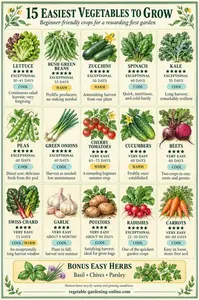
Easiest Vegetables to Grow: 15 Foolproof Crops for Beginners
Sep 15, 26 09:24 AM
 Easiest vegetables to grow for beginners - with advice on what makes each one easy, how to get started, and which vegetables are harder than they look.
 -
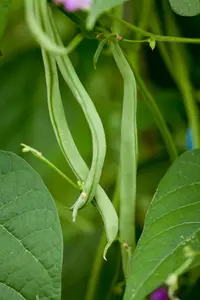
How to Grow Green Beans
Sep 14, 26 07:53 PM
 How to Grow Green Beans: The Complete Guide to Bush and Pole Beans. Green beans are one of the most forgiving crops a beginner can choose.
 -
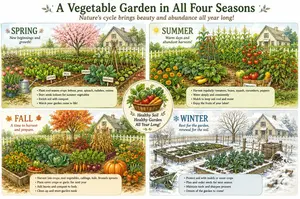
Seasonal Vegetable Garden
Sep 14, 26 05:38 PM
 Seasonal Vegetable Garden — Growing Food Through Every Season
 -
Overwintering Vegetables: Fall-Planted Crops for Early Spring Harvest
Sep 14, 26 05:35 PM
 Learn about overwintering vegetables like garlic, fava beans, and onions, planted in fall to sit through winter and reward you with an early spring harvest.
 -
Free Vegetable Garden Journal— Printable Downloads for Home Gardeners
Sep 14, 26 01:51 PM
 Download our free Vegetable Garden Journal — choose a full 16-page version or simpler 7-page journal. Track planting, harvest, & garden notes season by season.
 -
Free Vegetable Garden Cut and Paste Activities for Kids Ages 5-7
Sep 12, 26 09:13 PM
 Free printable vegetable garden cut and paste activities for kids ages 5-7. Build your own garden, match seeds to plants, and learn what grows where.