- Home
- How to Grow Vegetables
- Growing Tomatoes
- Why Are My Tomato Leaves Turning Yellow
Why Are My Tomato Leaves Turning Yellow? Diagnosis and Fixes
 Beautiful ripe home-growntomatoes are one of the joys of summer.
Why are my tomato leaves turning yellow is one of the most common questions a tomato grower asks, and the honest first answer is: do not panic yet.
A yellow leaf here or there on an otherwise healthy, productive plant is rarely a sign of disaster. Tomato plants yellow leaves for a wide range of reasons, from completely normal aging at the bottom of the plant to watering habits, nutrient shortages, pests, and a handful of diseases. Most of these causes are easy to fix once you know what you are looking at.
The key to working out why are my tomato leaves turning yellow in your specific case is paying attention to the pattern: which leaves are affected (the oldest at the bottom, the newest at the top, or leaves scattered throughout).
Or noticing whether the yellowing is uniform or appears between the veins while the veins stay green, and whether other symptoms like spots, wilting, or curling are present alongside the color change.
This guide walks through every major cause in order of likelihood, with the visual clues that distinguish one from another, so you can move from "why are my tomato leaves turning yellow" to a confident diagnosis and a practical fix.
According to Clemson Cooperative Extension's Home and Garden Information Center, tomatoes are susceptible to a wide range of diseases and disorders that can cause yellowing, and identifying which one you are dealing with starts with a close look at exactly where and how the symptoms appear on the plant.
Source: Clemson Cooperative Extension - Tomato Diseases & Disorders
Yellowing tomato leaves are one of the most common problems home gardeners bring to their vegetable garden care routine — and one of the most varied, since the same symptom can have several different causes.
This page is part of our Garden Care and Maintenance hub, where you will find complete guides to vegetable garden pest and disease management, watering and irrigation, weed control, and all the ongoing care tasks that keep a productive garden healthy through the season.
Garden Care and Maintenance — complete hub for vegetable garden care including pest and disease diagnosis, watering, weeding, and fencing
Start Here: Where Is the Yellowing Happening?

Before diving into individual causes, the single most useful diagnostic question is simply where on the plant the yellowing is occurring, since this one observation rules out or points toward the majority of possible explanations almost immediately.
If only the lowest, oldest leaves near the base of the plant are yellowing while the rest of the plant looks healthy and green, this is very often completely normal. Older leaves naturally decline and are shed as the plant matures and redirects its energy toward upper growth and fruit production - a process called senescence that happens to every tomato plant eventually and requires no intervention at all.
If yellowing appears specifically between the veins, with the veins themselves remaining green (a pattern called interveinal chlorosis), this points strongly toward a nutrient deficiency, and which leaves are affected narrows it down further - older leaves typically point to magnesium, while new growth at the top pointing to interveinal chlorosis usually means iron or another micronutrient tied to soil pH.
If yellowing is accompanied by spots, lesions, wilting, or one-sided dieback on the plant, a disease is more likely than a simple nutrient or watering issue, and the specific appearance of those additional symptoms is what allows you to tell one disease apart from another. The sections below walk through each of these categories in turn.
Normal Aging: The Most Common, Least Worrying Cause
 Graphic of naturally aging tomato leaves turning yellow--not a problem! Click on image to download and print.
By far the most common answer to why are my tomato leaves turning yellow turns out to be the least concerning one: ordinary aging of the lowest leaves on the plant.
As a tomato plant grows taller and puts more energy into new leaves, flowers, and fruit higher up, the oldest leaves near the soil line naturally yellow, weaken, and eventually drop off. This is a normal part of the plant's life cycle, not a sign of disease or poor care.
You can usually tell this is what is happening because only the bottom one or two leaf clusters are affected, the rest of the plant looks vigorous and deep green, and there are no spots, lesions, or other unusual markings on the yellowing leaves themselves.
Removing these older yellowing leaves is a reasonable and even beneficial step, since it improves air circulation around the base of the plant and reduces the lower foliage that is most exposed to soil-borne disease spores splashed up during watering or rain.
If yellowing starts spreading upward to leaves well above the bottom one or two clusters, or if it is happening early in the plant's life before much fruit has set, normal aging becomes a less likely explanation and it is worth working through the other causes covered in this guide.
Watering Problems: Both Too Much and Too Little
Over-watering

Watering issues are one of the most frequently misdiagnosed answers to why are my tomato leaves turning yellow, in part because both over-watering and under-watering can produce yellowing, and the instinctive response to yellow leaves - water more - sometimes makes an over-watering problem considerably worse.
Over-watering is the more common culprit of the two, and it works in a roundabout way: saturated, poorly drained soil starves tomato roots of oxygen and can lead to root rot, and a struggling root system cannot take up nutrients and water effectively even though plenty of moisture is physically present in the soil.
The yellowing this produces tends to look limp and pale rather than crisp, and is often accompanied by lower leaves yellowing and dropping, sometimes with a faint smell of rot near the root zone in severe cases.
Check by pushing a finger about two inches into the soil near the plant - if it feels cool and wet, hold off on watering rather than adding more.
Under-watering
 Under-watering tomato plants can cause tomato leaves to turn yellow. Click on image to download chart.
Under-watering causes yellowing too, but the pattern usually looks different - leaves tend to yellow with crisp, dry edges, and the whole plant may look slightly wilted or droopy even when the soil surface looks dry rather than visibly cracked.
Tomatoes generally need about one inch of water per week under normal conditions, more during hot or windy stretches, applied deeply and consistently rather than in frequent shallow doses that encourage roots to stay near the surface where they dry out fastest.
Overwatering vs. underwatering at a glance
| Symptom | Overwatering | Underwatering |
|---|---|---|
| Leaf appearance | Limp, pale yellow, soft | Crisp, dry edges, yellow-brown |
| Soil at 2 inches deep | Cool and wet | Dry and warm |
| Whole plant appearance | Yellowing lower leaves; possible rot smell at base | Slight wilting even when not in direct sun |
| Fix | Let soil dry out somewhat; improve drainage | Water deeply and consistently; add mulch |
Nutrient Deficiencies: Nitrogen, Magnesium, and Iron

Nutrient shortages are another very common answer to why are my tomato leaves turning yellow, and the specific pattern of yellowing - which leaves, and whether the veins stay green - usually points to a specific nutrient. Working through these patterns methodically is the fastest path to a correct answer.
Nitrogen deficiency causes general, uniform yellowing that starts on the older, lower leaves first, since the plant moves available nitrogen to newer growth and effectively sacrifices its oldest leaves when supply runs short. The whole plant often looks pale and grows slowly rather than showing a distinct localized pattern. A side dressing of compost, blood meal, or a balanced organic fertilizer typically resolves this within one to two weeks as new growth comes in greener.
Magnesium deficiency produces a distinctive pattern called interveinal chlorosis on older leaves - the tissue between the veins turns yellow while the veins themselves stay green, sometimes progressing to a reddish-purple tinge along the leaf margins in more advanced cases. Since magnesium is a core component of Epsom salt (magnesium sulfate), a foliar spray or soil application of roughly one tablespoon of Epsom salt per gallon of water is a fast, well-established home remedy, with improved color often visible on new growth within ten to fourteen days.
Iron deficiency produces the same interveinal chlorosis pattern as magnesium, but on new growth at the top of the plant rather than older leaves. Iron deficiency is usually tied to soil pH that is too high (alkaline) for the plant to access iron that may already be present in adequate amounts - testing and correcting soil pH toward the slightly acidic range tomatoes prefer (around 6.2 to 6.8) often resolves this more effectively than adding iron directly. Existing yellow leaves generally will not green back up regardless of which nutrient is involved; what you are watching for is whether new growth comes in a healthier color after correcting the deficiency.
Diseases that cause yellow tomato leaves
| Disease | Key Identifying Signs | Where It Starts | Action |
|---|---|---|---|
| Early blight | Yellowing plus brown spots with target-like rings | Lowest leaves first | Remove affected leaves; improve air circulation; avoid overhead watering |
| Septoria leaf spot | Many small spots, dark borders, pale centers, yellow halo | Lower leaves, humid conditions | Remove affected leaves; improve airflow; fungicide if severe |
| Fusarium / Verticillium wilt | One-sided or whole-branch yellowing and wilting | Often one side or section of plant | No cure; remove plant; resistant varieties next season; rotate crops |
| Mosaic virus | Mottled yellow-green pattern; distorted new growth | Variable; spreads via aphids | No cure; remove and destroy plant; control aphids; sanitize tools |
Diseases That Cause Yellow Tomato Leaves

Several common tomato diseases include yellowing as one of their symptoms, and learning to recognize the additional signs that accompany each one is the key to telling a disease apart from a simple nutrient or watering problem when working through why are my tomato leaves turning yellow. Each disease leaves its own distinct calling card alongside the yellowing itself.
Early blight is one of the most common tomato diseases overall, caused by a soil-dwelling fungus that splashes up onto the lowest leaves first. It produces yellowing combined with brown spots that often show a distinctive target-like pattern of concentric rings, gradually spreading upward through the plant over the season. Removing affected lower leaves promptly, improving air circulation through proper spacing and pruning, and avoiding overhead watering all help slow its spread.
Septoria leaf spot causes numerous small, circular spots with dark borders and pale gray centers, frequently surrounded by a yellow halo, and tends to appear on lower leaves first in humid conditions before spreading upward. Fusarium wilt and Verticillium wilt are soil-borne fungal diseases that cause more dramatic, often one-sided yellowing and wilting - sometimes affecting just one branch or one side of the plant while the rest looks comparatively normal - and unfortunately have no cure once established, making resistant varieties and crop rotation the most effective defenses for future seasons.
Viral diseases such as tomato mosaic virus produce a mottled, patchy yellow-and-green pattern across leaves, often combined with distorted or stunted new growth, and are typically spread by aphids or other sap-feeding insects, or sometimes mechanically on garden tools moved between plants. There is no treatment for a viral infection once a plant is infected - affected plants should be removed and destroyed to prevent the virus from spreading further through the garden.

Diseases that cause yellow tomato leaves
| Disease | Key Identifying Signs | Where It Starts | Action |
|---|---|---|---|
| Early blight | Yellowing plus brown spots with target-like rings | Lowest leaves first | Remove affected leaves; improve air circulation; avoid overhead watering |
| Septoria leaf spot | Many small spots, dark borders, pale centers, yellow halo | Lower leaves, humid conditions | Remove affected leaves; improve airflow; fungicide if severe |
| Fusarium / Verticillium wilt | One-sided or whole-branch yellowing and wilting | Often one side or section of plant | No cure; remove plant; resistant varieties next season; rotate crops |
| Mosaic virus | Mottled yellow-green pattern; distorted new growth | Variable; spreads via aphids | No cure; remove and destroy plant; control aphids; sanitize tools |
Pests That Cause Yellow Tomato Leaves
 Tomato pests aphids and spider mites chart. Click on image to download.
Sap-feeding pests are another answer worth ruling out when working through why are my tomato leaves turning yellow, since their feeding damage produces yellowing that can look superficially similar to a nutrient deficiency at first glance. A close look at the leaf undersides usually settles the question quickly.
Aphids cluster on the undersides of leaves and on new growth, feeding on plant sap and causing a stippled or generally weakened, yellowish appearance over time, often alongside curled or distorted new leaves. They also excrete a sticky residue called honeydew that can attract sooty mold, adding a dark, dusty appearance to affected foliage.
Spider mites cause a fine, stippled yellowing or bronzing, especially in hot, dry weather, and are often accompanied by very fine webbing visible on the undersides of leaves or between stems when populations build up.
Both pests respond well to a strong jet of water to dislodge them, followed by insecticidal soap or neem oil for more established infestations. Inspecting the undersides of leaves regularly, especially during hot, dry weather when spider mites in particular tend to build up quickly, catches these problems early before significant yellowing sets in.
Transplant Shock and Root Problems
 Healthy young caged tomato plant growing in the garden.
Recently transplanted seedlings sometimes show yellowing that has nothing to do with disease, nutrients, or pests, and everything to do with the disruption of moving from a container into the garden.
Why are my tomato leaves turning yellow shortly after transplanting is a question many beginners ask, and the most common answer is simple transplant shock - the root system is adjusting to its new environment, and a leaf or two yellowing and dropping during this adjustment period is normal and usually resolves within a week or two as new roots establish.
Root-bound seedlings that spent too long in a small pot before transplanting, or transplants set out into soil that is still too cold, can show more pronounced yellowing and slower recovery. Hardening off transplants gradually before planting, handling the root ball gently during transplanting, and waiting until soil has genuinely warmed before setting plants out all reduce the severity of this temporary yellowing.
If yellowing continues well beyond two to three weeks after transplanting, or if it is accompanied by stunted growth rather than gradual improvement, it is worth checking the planting depth and drainage at the root zone rather than assuming the plant will simply grow out of it
Quick Diagnostic Checklist
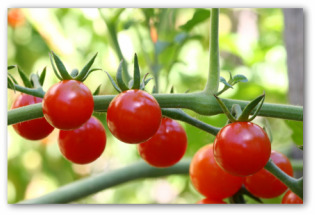
When you are standing in the garden trying to work out why are my tomato leaves turning yellow, this quick checklist walks through the questions in the order that narrows things down fastest.
First, check which leaves are affected. Only the very lowest leaves, with the rest of the plant healthy? This is most likely normal aging and needs no action.
Second, look for a pattern of yellow between green veins. Interveinal yellowing on older leaves points to magnesium; on new growth at the top, it points to iron and soil pH.
Third, check the soil moisture two inches down. Wet and cool suggests overwatering; dry and warm suggests underwatering.
Fourth, look for spots, lesions, or rings on the yellowing leaves. Their presence points toward a fungal disease like early blight or septoria leaf spot rather than a nutrient or watering issue.
Fifth, check for one-sided or whole-branch yellowing combined with wilting, which suggests a vascular wilt disease such as fusarium or verticillium.
Sixth, inspect the undersides of leaves closely for aphids, fine webbing, or stippling, which point to pest feeding damage rather than any of the above.
Working through these six questions in order resolves the great majority of cases without needing to send a sample to a lab or call in outside help, though persistent or worsening cases are always worth a call to your local extension office for a more definitive diagnosis.
How to Prevent Yellow Tomato Leaves Going Forward
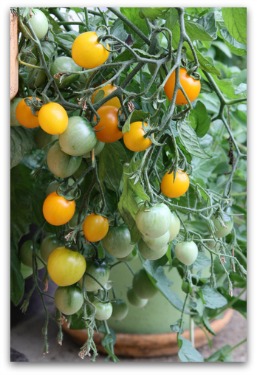
Many of the causes behind why are my tomato leaves turning yellow are at least partially preventable with a few consistent habits applied across the season, reducing how often you have to diagnose why are my tomato leaves turning yellow in the first place.
Prepare the soil properly, adding compost, well-rotted manure, and a good organic soil mix to provide necessary nutrients for your tomato plants.
Water consistently and deeply rather than in irregular bursts, aiming for roughly one inch per week and adjusting upward during hot or windy stretches.
A thick layer of mulch around the base of plants helps even out soil moisture between waterings and reduces the swings that contribute to both nutrient uptake problems and disease-favoring conditions.
Feed tomatoes with a balanced organic fertilizer at planting time, then side-dress with a tomato-specific or high-potassium feed once flowering begins, watching for the specific deficiency patterns described above so you can correct any gaps before they become severe.
Stake, cage, or trellis tomato plants to keep foliage up off the ground, away from soil-splashed disease spores, and improve air circulation through the canopy.
Water at the base of the plant rather than overhead, ideally in the morning so any incidental moisture on leaves dries quickly rather than sitting overnight in conditions fungal diseases favor.
Practice crop rotation, avoiding planting tomatoes or other nightshade family crops in the same bed location more than once every three to four years, since several of the more serious tomato diseases persist in soil for years once established.
See our complete how to grow tomatoes guide for full season-long care advice that helps prevent many of the issues covered in this troubleshooting guide before they start.
Frequently Asked Questions
Why are my tomato leaves turning yellow?
1. Should I remove yellow leaves from my tomato plant?
In most cases, yes. Removing yellowing leaves - whether from normal aging, disease, or deficiency - improves air circulation, reduces the surface area available to disease organisms, and redirects the plant's energy away from leaves that are not contributing much photosynthesis anyway. If disease is suspected, bag and dispose of the removed leaves rather than composting them, to avoid spreading spores back into the garden.
2. Why are my tomato leaves turning yellow and falling off?
Yellowing followed by leaf drop is a natural progression once a leaf has declined past the point of recovery, regardless of the underlying cause. If this is limited to the lowest leaves on an otherwise healthy plant, it is simply normal aging. If it is spreading higher up the plant or happening rapidly, work through the diagnostic checklist above to narrow down whether watering, nutrients, disease, or pests are responsible.
3. Can yellow tomato leaves turn green again?
Existing yellow leaf tissue generally does not regain its green color, regardless of the cause, since the chlorophyll breakdown that produces the yellowing is not reversible in already-affected tissue. What you are watching for after making a correction - whether to watering, feeding, or pest control - is whether new growth comes in a healthier green color, which typically becomes visible within one to two weeks if the underlying problem has genuinely been addressed.
4. Is it normal for tomato leaves to yellow in very hot weather?
Some yellowing and even leaf curling during extreme heat is a normal stress response as the plant works to conserve moisture, and is not necessarily a sign of an underlying problem if it resolves once temperatures moderate and watering keeps pace with the heat. Persistent yellowing that does not improve once a heat wave passes is worth investigating further using the causes covered in this guide.
5. How quickly should I expect to see improvement after fixing the problem?
For nutrient deficiencies, new growth typically shows improved color within ten to fourteen days of correcting the deficiency. For watering issues, the plant generally stabilizes within about a week of establishing a consistent schedule. For pest damage, improvement is often visible within a few days once feeding stops. Diseases vary considerably - some respond to cultural changes within a couple of weeks, while vascular wilts such as fusarium have no real recovery once established in a given plant.
- Growing Vegetables — complete hub for growing all vegetables at home

Recent Articles


-
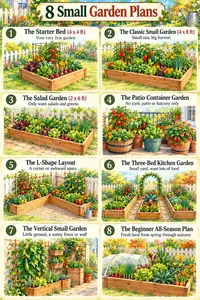
Small Vegetable Garden Plans: 8 Layouts That Maximise Space
Oct 08, 26 10:41 AM
 Small vegetable garden plans are some of the most searched and most valuable resources in home food growing.
 -
USDA Zone Finder - Find Your Vegetable Planting Dates | Vegetable-Gardening-Online.com
Oct 07, 26 03:53 PM
 Find your USDA hardiness zone, last spring frost date, and first fall frost date by state and region. Free interactive zone finder from Vegetable-Gardening-Online.com.
 -
Interactive Vegetable Garden Planner | Vegetable Gardening Online
Oct 07, 26 02:29 PM
Design a vegetable garden with correctly scaled plant spacing, companion flowers, drag-and-drop placement, and a printable plan. -
Free Printable Garden Stationery: Gardening Letter Paper & Note Cards
Oct 07, 26 12:48 PM
Free printable garden stationery: watercolor letter paper, lined and unlined, plus folded note cards with garden, fall, and Christmas scenes. Print at home. -
Free Preschool Vegetable Garden Cut and Paste Activities
Oct 07, 26 12:43 PM
 Free preschool vegetable garden cut and paste activities for ages 3-4. Build your own backyard, container, or seed packet garden scene, and sticker sheets.
 -
Planning a Vegetable Garden: Layouts, Raised Beds, Containers & More
Oct 06, 26 07:44 PM
 Planning a vegetable garden? Start here: layouts, raised beds, containers, square foot gardening, free planning tools, and tips to avoid beginner mistakes.
 -
How to Start a Vegetable Garden: 10 Easy Steps for Beginners
Oct 06, 26 04:38 PM
 How to start a vegetable garden in 10 easy steps: pick a sunny spot, choose raised beds or containers, prepare the soil, and grow easy vegetables.