- Home
- Growing Herbs in the Garden
- Growing Thyme
All About Growing Thyme
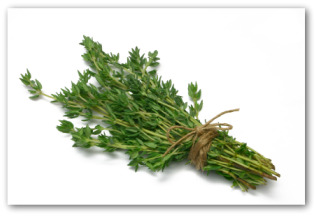
Easy tips for growing thyme in a home vegetable, herb, or kitchen garden.
Learn how to plant, grow, care for, and harvest thyme.
Design Your Own Vegetable Garden Layout Using our Free "Vegetable Garden Planner" Software!
Thyme and other herbs are ideal in high yield gardening.
Most of the popular cooking herbs are modest-sized plants as well as abundant producers with a variety of culinary uses making them perfect candidates for intensive planting.
Companion planting herbs with vegetables have shown to help repel pests in the vegetable garden.
According to the experts, herbs grown only for their leaves are highly compatible for each other, so they can share a common space without causing ill effects.
There are exceptions with spacing perennials too closely; invasive types such as French tarragon and mint can stunt their slower thyme neighbors.
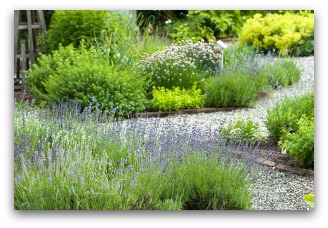 Herb gardens can be a beautiful addition to any landscape design.
Thyme is one of the most versatile herbs you can grow — equally at home in the kitchen, along the edge of a garden path, or tucked between stepping stones.
This page is part of our Growing Herbs in the Garden hub, where you will find individual growing guides for all the major culinary herbs as well as tips for container growing and companion planting with herbs.
Growing Herbs in the Garden — complete hub for all our herb growing guides, container herb tips, and companion planting information
 Try a kitchen herb garden conveniently placed off the back porch, for easy harvesting for you kitchen needs!
Planting Thyme
 Find a sunny spot for an herb container garden; located near the kitchen is ideal for harvesting fresh herbs as you need them!
Download Free Garden Planning Worksheets, Garden Diary, Zone Chart, Or Planting Guide
Planting herbs, both annuals and perennials, in raised beds is an excellent method to provide the effective drainage the plants require.
The key to wintering over perennial herbs successfully in the Northern states depends on the use of raised beds and providing a well-drained bed.
Other factors for ensuring your herb gardens are a success is to protect the plants from heavy spring rains and provide a soil with a neutral pH.
Of the ten most versatile and productive herbs, thyme is in the top three.
Thyme is superb mixed with soft cheeses, as a seasoning in stuffing, salad dressings, gravies, sauces, meats, and egg dishes.
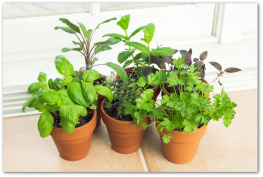 Thyme also grows well indoors in a container garden on a bright windowsill or with a grow light.
How to Grow Thyme
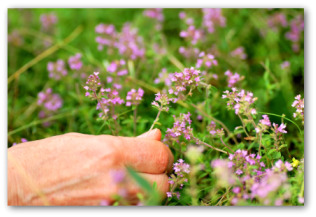
- Thyme can be started from seeds, cuttings, or root divisions.
- Seeds germinate in 3 to 4 weeks.
- Sow them directly in the garden as soon as the ground is workable.
- For starting your own transplants, seed should be sown
indoors 8 to 10 weeks before setting the plants outdoors after threat of
frost has passed.
- Also, small thyme plants ready to transplant can usually be purchased in the spring/early summer from your local garden store.
- For high yield gardening, use intensive spacing of 6 to 12 inches.
- Give the thyme a permanent spot in a bed in full sun.
- The herb prefers light, warm, well-drained soil, a bit on the dry side.
- The pH can range from 6.0 to 8.0.
Starting Thyme Plants from Cuttings or Root Divisions
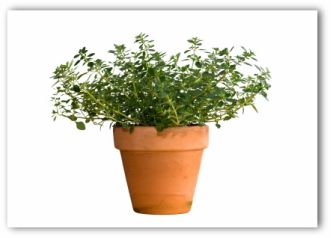
- Take cuttings of thyme in the summertime.
- Plant root divisions in early spring or fall.
- The method of propagating by root division is the easiest and plants become established sooner using this gardening technique.
Popular Thyme Varieties
Creeping is a noteworthy thyme varieties that grows only three inches high and is less vulnerable to winter kill in the North.
Lemon is a citrus scented type that offers a high return for the space.
St. Louis is an exceptionally high yielder.
Common Thyme grows six inches tall.
Three plants should be sufficient for the average gardener. (Not that we would ever insinuate you are anywhere near average!)
Gardening Tips for Growing Thyme
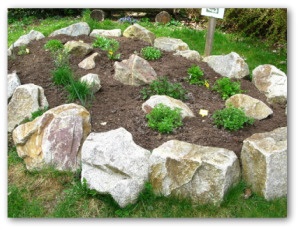
This low-growing hardy perennial with fragrant leaves so important to cooks everywhere rarely grows above a foot.
Seeds are available but it is quicker to buy plants in the spring from local garden centers.
Frequent harvesting of the foliage helps keep the plants compact rather than leggy.
If they become straggly and some of the stems die, cut the entire plant off close to the crown to force new growth.
To extend the season, stop harvesting one month before the first expected frost.
Then harvest lightly until the leaves die back from the cold.
A way to improve the yield of growing thyme is to divide thriving plants every few years to renew vigorous growth.
An inter-planting suggestion is to grow thyme at the base of ornamental or dwarf fruit trees.
As a traditional companion, thyme is believed to enhance the taste of surrounding herbs and vegetables.
Harvesting & Storing Thyme
- Harvest leaves as needed throughout the season.
- For a large quantity of leaves to dry, begin harvesting just before flowers bloom for the finest flavor.
- Growing thyme can also be harvested and frozen for storage.
Back To Top
The University of Minnesota Extension has excellent research-based resources on growing thyme and all the major culinary herbs, covering soil requirements, watering, fertilizing, harvesting, and propagation from cuttings. Visit extension.umn.edu for their complete herb growing guide.
University of Minnesota Extension — Growing Herbs — research-based growing guide covering soil, watering, fertilizing, and harvesting for all major culinary herbs

Recent Articles


-
How to Grow Cabbage
Sep 15, 26 12:33 PM
 How to Grow Cabbage: The Complete Guide from Seed to Harvest. This complete guide covers everything you need to know about how to grow cabbage.
 -
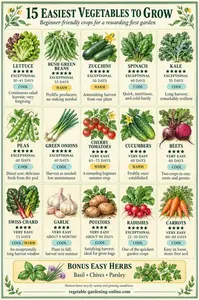
Easiest Vegetables to Grow: 15 Foolproof Crops for Beginners
Sep 15, 26 09:24 AM
 Easiest vegetables to grow for beginners - with advice on what makes each one easy, how to get started, and which vegetables are harder than they look.
 -
How to Grow Green Beans
Sep 14, 26 07:53 PM
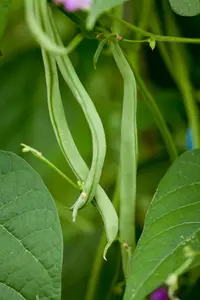
 How to Grow Green Beans: The Complete Guide to Bush and Pole Beans. Green beans are one of the most forgiving crops a beginner can choose.
 -
Seasonal Vegetable Garden
Sep 14, 26 05:38 PM
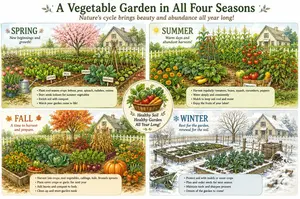
 Seasonal Vegetable Garden — Growing Food Through Every Season
 -
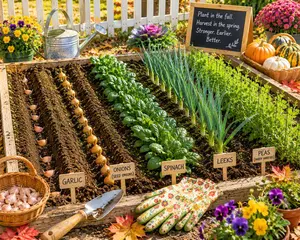
Overwintering Vegetables: Fall-Planted Crops for Early Spring Harvest
Sep 14, 26 05:35 PM
 Learn about overwintering vegetables like garlic, fava beans, and onions, planted in fall to sit through winter and reward you with an early spring harvest.
 -
Free Vegetable Garden Journal— Printable Downloads for Home Gardeners
Sep 14, 26 01:51 PM
 Download our free Vegetable Garden Journal — choose a full 16-page version or simpler 7-page journal. Track planting, harvest, & garden notes season by season.
 -
Free Vegetable Garden Cut and Paste Activities for Kids Ages 5-7
Sep 12, 26 09:13 PM
 Free printable vegetable garden cut and paste activities for kids ages 5-7. Build your own garden, match seeds to plants, and learn what grows where.