- Home
- How to Grow Vegetables
- Growing Broccoli
- How to Grow Cabbage
How to Grow Cabbage:
The Complete Guide from Seed to Harvest
 Healthy young cabbage plant growing in a raised bed garden.
Learning how to grow cabbage rewards you with one of the most visually impressive and genuinely useful crops in the entire vegetable garden.
A bed of mature cabbages, with their tightly wrapped heads ranging from pale green to deep purple, is one of the most satisfying sights a gardener can produce.
And the practical payoff is just as good, since cabbage is endlessly versatile in the kitchen, from fresh slaw and stir-fries to long-term storage and homemade sauerkraut.
Cabbage does ask a little more patience than some of the quicker leafy greens, typically taking somewhere between sixty and one hundred days to mature depending on variety, but it is genuinely approachable for a first-time grower once you understand its strong preference for cool weather.
This complete guide covers everything you need to know about how to grow cabbage - choosing among green, red, and savoy types, getting both spring and fall timing right, preventing the frustrating problem of split heads, and harvesting and storing a crop that can keep for months.
According to the University of Minnesota Extension, cabbage grows best in cool weather and can be planted in spring for a summer crop and again in midsummer for a fall harvest, tolerating below-freezing temperatures late in its growth.
Source: University of Minnesota Extension - Growing Cabbage in Home Gardens
The Main Types of Cabbage to Grow
 Cabbage growing in the garden companion planted with marigolds.
Before getting into the practical steps of how to grow cabbage, it is worth knowing the main types available, since each offers a slightly different texture, flavor, and ideal use, and growing a mix gives you far more variety than sticking with a single kind.
Green cabbage is the classic round-headed type most familiar from grocery stores, with tightly packed, smooth leaves and a mild, slightly sweet flavor. It is versatile in the kitchen and includes many of the best long-term storage varieties, making it the natural starting point for anyone learning how to grow cabbage for the first time.
Red (or purple) cabbage has a similar growth habit to green types but with vibrant red-purple leaves, a slightly peppery flavor, and a notably higher antioxidant content - particularly anthocyanins, the same beneficial compounds found in blueberries. It adds excellent color to salads, slaws, and pickled preparations.
Savoy cabbage is easily recognized by its crinkled, ruffled leaves and looser head structure. It has a more tender texture and milder, sweeter flavor than smooth-leaved types, along with a higher iron content, and many gardeners consider it the most flavorful type for fresh eating, sautéing, or light cooking - though it generally does not store as long as firm green or red heads.
Napa (Chinese) cabbage is actually a different species from the others, with an elongated, more open head and tender, mild-flavored leaves. It matures faster than standard heading cabbage, is especially popular for stir-fries and kimchi, and is grown somewhat differently from the round-headed types, though the basic principles of how to grow cabbage still apply broadly.
Main cabbage types compared
| Type | Leaf Texture | Flavor | Storage Life |
|---|---|---|---|
| Green | Smooth, tightly packed | Mild, slightly sweet | Excellent - several months |
| Red/Purple | Smooth, tightly packed | Slightly peppery | Very good |
| Savoy | Crinkled, ruffled, looser head | Mild, sweet, tender | Shorter than green/red types |
| Napa (Chinese) | Elongated, open, tender | Mild and tender | Shorter; best used fresh |
Best Cabbage Varieties for Home Gardens
 Close-up of a beautifully formed head of cabbage growing in the garden.
Choosing the right variety is a meaningful part of growing cabbage successfully, since varieties are bred and grouped specifically around days to maturity, and planting a mix of early, mid-season, and late types staggers your harvest naturally across the growing season.
Early-maturing varieties such as Golden Acre and Ruby Ball (a red type) are ready in fifty-five to sixty-five days and give you the first cabbages of the season, ideal for fresh eating right away rather than long storage.
Mid-season varieties like Savoy Ace mature around eighty days and offer a good balance of size and flavor.
Late-maturing varieties such as Danish Ball Head take closer to one hundred days but reward the wait with excellent long-term storage potential, often keeping in cold conditions for several months after harvest.
For gardeners specifically concerned about splitting heads or disease pressure, look for varieties with stated resistance codes on the seed packet - letters such as "Y" for yellows virus or "F" for fusarium wilt indicate bred-in resistance.
Varieties described as crack-resistant or split-resistant are particularly valuable in regions with unpredictable rainfall, since they tolerate the rapid moisture shifts that most often cause heads to crack open.
Best cabbage varieties by maturity group
| Variety | Type | Days to Maturity | Notes |
|---|---|---|---|
| Golden Acre | Green | 65 days | Reliable early variety; excellent for beginners |
| Ruby Ball | Red | 55 days | Fastest-maturing red variety; good color |
| Early Jersey Wakefield | Green (pointed) | 60-65 days | Heirloom; resists splitting; compact |
| Savoy Ace | Savoy | 80 days | Crinkled leaves; excellent fresh flavor |
| Danish Ball Head | Green | 100 days | Outstanding long-term storage |
| Stonehead | Green | 65-70 days | Dense, uniform heads; disease resistant |
| Jumbo / Premium Flat Dutch | Green | 105 days | Largest of all cabbage varieties; heads often exceed 12 lbs; excellent all-winter storage |
When to Plant Cabbage: Spring and Fall
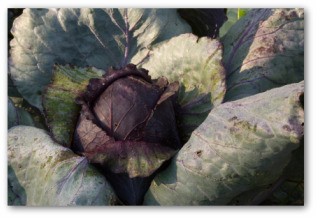 Head of purple cabbage forming in the vegetable garden.
Timing is one of the most important things to get right in learning how to grow cabbage, since this is a genuine cool-season crop that struggles and bolts in sustained heat above about 80 degrees Fahrenheit, while tolerating cold remarkably well once established.
For a spring crop intended for summer harvest, start seeds indoors four to six weeks before your last frost date, since cabbage benefits from a head start that lets it mature before the heat of summer sets in.
Transplant seedlings outdoors two to three weeks before the last frost - young plants tolerate light frost without serious damage, though seedlings are more frost-sensitive than well-established mature plants.
Sowing cabbage seed too late in spring is one of the most common mistakes in how to grow cabbage, since plants that mature during peak summer heat produce poor-quality, loosely formed heads.
For a fall crop - which many experienced gardeners consider easier and more reliable than spring - sow seed directly in the garden in early to mid-July in most regions, timed so the heads mature in the cooling temperatures of autumn rather than fighting through summer heat.
Fall cabbage also benefits from the sweetening effect of a light frost late in the season, much like kale and carrots.
Use our free interactive zone finder to confirm your frost dates before mapping out your how to grow cabbage schedule for either season.
For a continuous supply, succession planting by sowing seed or setting transplants every three to four weeks works well, or simply planting early, mid-season, and late varieties together at the same time, since their different maturity rates naturally stagger the harvest by several weeks without any extra planning.
Cabbage planting calendar by region
| Region | Spring: Start Indoors | Spring: Transplant | Fall: Direct Sow |
|---|---|---|---|
| Northern US (Zones 3-5) | Late February to March | Mid to late April | Early July |
| Mid-Atlantic / Midwest (Zones 5-6) | February | March to early April | Mid to late July |
| Pacific Northwest (Zones 7-8) | January to February | March | July to August |
| Southern US (Zones 8-10) | December | January | August to September |
Soil Preparation and Site Selection
 Soil preparation is the foundation for growing cabbage successfully.
Good soil preparation makes a real difference in how to grow cabbage with large, dense, well-formed heads, since this is a genuinely hungry crop that rewards rich soil with significantly better results.
Cabbage prefers fertile, well-drained soil rich in organic matter, with a pH between 6.5 and 7.5.
Work two to three inches of compost or well-rotted manure into the bed before planting, and consider a soil test if you have not done one recently, since cabbage responds well to phosphorus and potassium applied according to actual soil test recommendations rather than guesswork.
Choose a site in full sun, ideally six to eight hours of direct light daily, with good drainage, since cabbage dislikes sitting in saturated soil, particularly through wet winter months in milder climates.
Firming the soil well around the planting area - cabbage genuinely benefits from compact, firm ground rather than loose, fluffy soil - helps anchor the substantial root system that supports a heavy mature head.
How to Plant Cabbage: Spacing and Depth
 Baby cabbage plant starting to grow in the garden.
The practical mechanics of planting cabbage are straightforward whether starting from seed or transplants, and getting spacing right matters more for cabbage than for many vegetables, since crowded plants compete heavily for the light and nutrients that large heads depend on.
Sow seeds one quarter to one half inch deep if direct sowing, or start indoors in cell trays under bright light at normal room temperatures between 60 and 70 degrees Fahrenheit - no heat mat is needed.
Cabbage seed germinates in about seven days under good conditions.
Thin seedlings or set transplants twelve to eighteen inches apart within rows, with rows themselves spaced two to three feet apart to allow room for these substantial plants to mature.
Transplants should have four to six mature leaves and a well-developed root system before going into the garden, which typically takes six to seven weeks of indoor growing to achieve.
Set transplants slightly deeper than they were growing in their containers, right up to the first leaves, and firm the soil thoroughly around the root ball - cabbage plants genuinely benefit from being planted firmly rather than loosely.
Cabbage spacing at a glance
| Element | Recommendation |
|---|---|
| Seed depth | 1/4 to 1/2 inch |
| Spacing between plants | 12-18 inches |
| Spacing between rows | 2-3 feet |
| Transplant readiness | 4-6 mature leaves; well-developed roots; 6-7 weeks old |
Watering and Feeding Cabbage
 Varieties of cabbage plants growing in the garden.
Consistent, even watering is one of the most important ongoing tasks in how to grow cabbage, since inconsistent moisture is the leading cause of split heads - one of the most common and frustrating problems gardeners encounter with this crop.
Provide about one to two inches of deep, even watering per week, applied infrequently rather than in frequent shallow doses, which encourages a deeper, more resilient root system.
A two-inch layer of mulch around plants helps maintain this even moisture, suppresses competing weeds, and reduces the dramatic swings between dry and saturated soil that cause heads to crack open as internal tissue swells faster than the outer leaves can expand.
Feeding plays an important part in growing cabbage well. Side-dress with a nitrogen-rich fertilizer about four weeks after transplanting or thinning, to support the vigorous leafy growth that builds the head. Then stop additional feeding, particularly nitrogen, once heads begin to form - continued fertilizing at this stage causes excessive leaf growth and significantly increases the risk of splitting, exactly the opposite of what you want as the head is trying to mature and firm up.
Preventing Split Cabbage Heads
 Purple cabbage plants growing in an in-ground vegetable garden.
Splitting is one of the most common frustrations in how to grow cabbage, and understanding why it happens makes prevention straightforward.
A split head occurs when the inner leaves absorb water and swell faster than the tougher outer leaves can expand to accommodate them, usually triggered by a sudden heavy rain or watering session following a dry spell, or simply by a mature head left too long in the garden after reaching full size.
The most effective prevention is consistent, even soil moisture throughout the growing season, achieved through regular watering and a good mulch layer, so the plant never experiences the dramatic dry-then-soaked cycle that triggers rapid internal swelling.
Harvesting promptly once heads feel firm and full-size, rather than leaving them in the garden hoping for a bit more growth, also significantly reduces splitting risk, since mature heads sitting in the garden are the most vulnerable.
If you know rain is coming and cannot harvest a ready head immediately, an old but effective trick is to twist the head firmly about a quarter turn, which severs some of the root system and slows water uptake just enough to buy a few extra days before splitting becomes likely.
How to Harvest Cabbage
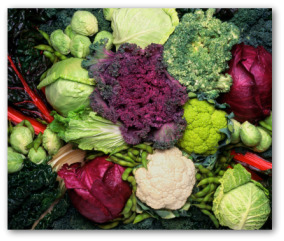 Harvest of brassica vegetables including cabbage, harvested from the garden.
Knowing when and how to harvest cabbage is the final important skill in growing cabbage for the best quality and longest storage life.
Heads are ready when they feel solid and firm to gentle palm pressure - not when they simply reach a calendar date or an expected size, since maturity timing varies with weather and growing conditions.
A head that still yields slightly under pressure may continue tightening; one that already feels spongy or soft has likely passed its peak and is at higher risk of splitting.
To harvest, cut the head from its base with a sharp knife, leaving two to three outer wrapper leaves attached, since these loose leaves help protect the head during handling and storage.
Move harvested heads out of direct sun and into shade or indoors promptly, since cabbage left sitting in hot sun after cutting loses quality quickly.
One clever trick in how to grow cabbage for a bonus harvest is to cut the main head out of the plant while leaving the outer leaves and root system intact in the garden. The plant will often send up several smaller secondary heads from the remaining stem over the following weeks - simply pinch off all but four or so of these to let them develop into a second, smaller harvest from the same planting.
Storing Cabbage After Harvest
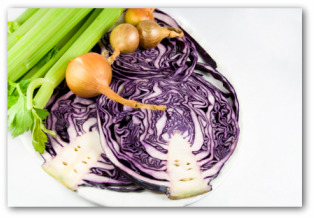 Purple cabbage in the kitchen ready for meal preparation.
Cabbage is one of the best-storing vegetables in the entire garden, and getting storage right is well worth the small extra effort in how to grow cabbage for year-round use rather than a single fresh harvest.
For short-term use, refrigerate cabbage heads wrapped loosely in plastic for up to two weeks, making sure heads are dry before storing to prevent rot
For longer storage, cold, high-humidity conditions are ideal - around 32 degrees Fahrenheit and 95 percent relative humidity, conditions a root cellar, unheated basement, or garage refrigerator can often approximate. Stored this way, many varieties - particularly the late-maturing storage types - keep well for two to six months.
Avoid storing cabbage near apples, pears, or other ethylene-producing fruit, since the gas these fruits release causes cabbage to develop a bitter flavor over time.
Beyond fresh storage, cabbage preserves beautifully through fermentation into sauerkraut or kimchi, or through freezing after blanching, giving you several practical options for making the most of a generous harvest.
Common Problems When Growing Cabbage
 Row of cabbage plants next to a colorful border of flowers.
A handful of recurring issues account for most of the trouble gardeners encounter while learning how to grow cabbage, and the great majority have well-understood causes and straightforward fixes.
Clubroot is the most serious and most feared soilborne disease affecting cabbage and the wider brassica family, causing stunted, wilting plants with swollen, distorted roots.
Once present in soil, it can persist for many years, making strict crop rotation - keeping cabbage and related brassicas out of the same bed for at least three to four years, ideally longer - the only truly effective defense, since there is no cure once a bed is infected.
Working ground limestone into the soil before planting also helps, since clubroot fungus is less aggressive in soil that is less acidic.
A light application worked in at bed preparation, alongside strict crop rotation, gives cabbage its best defense against this persistent disease.
Cabbage worms and loopers, the larvae of various moths and butterflies, feed on leaves and can cause significant damage if left unchecked.
Floating row cover placed over young plants from the start is one of the most effective preventive measures, physically excluding the egg-laying adults.
Hand picking and Bacillus thuringiensis (Bt) spray are effective organic controls for established infestations.
A cutworm collar placed around the base of each transplant is a simple, chemical-free way to protect young stems from cutworm damage. A root maggot mat - a flat disc fitted snugly around the stem at soil level - offers similar protection against root maggots without resorting to soil drenches.
Tipburn, browning at the edges of young inner leaves, results from a calcium deficiency that occurs even in calcium-rich soils when irregular growth periods prevent the plant from transporting calcium efficiently to its newest leaves.
Consistent watering and avoiding extreme swings in growing conditions help minimize this issue.
Aphids occasionally cluster on leaves and respond well to a strong jet of water, with beneficial insects like lady beetles and lacewings - encouraged by planting yarrow, dill, or alyssum nearby - providing effective ongoing control.
Common cabbage problems and solutions
| Problem | Most Likely Cause | Solution |
|---|---|---|
| Stunted, wilting plants; swollen roots | Clubroot (soilborne fungus) | Strict crop rotation (3-4+ years); no cure once present; resistant varieties |
| Heads splitting open | Inconsistent watering; mature head left too long | Even watering; mulch; harvest promptly; twist head if delaying harvest |
| Holes in leaves; chewed foliage | Cabbage worms/loopers | Row cover from planting; hand pick; Bt spray |
| Brown edges on inner young leaves | Tipburn (calcium transport issue) | Consistent watering; avoid irregular growth swings |
| Small insects on leaves | Aphids | Jet of water; encourage beneficial insects with companion flowers |
| Loose, poorly formed heads | Maturing during summer heat; overcrowding | Plant for cool-season maturity; proper spacing |
Companion Planting for Cabbage
 Cabbage plants growing in a vegetable garden.
Companion planting offers genuine benefits in how to grow cabbage, mainly through pest deterrence shared across the wider brassica family.
Strongly aromatic herbs - dill, rosemary, sage, and thyme among them - help deter cabbage moths and loopers through their scent.
Alliums including onions, garlic, and chives planted nearby suppress certain fungal diseases and soil nematodes. Beans and cucumbers are commonly listed as good cabbage companions as well.
Hyssop planted nearby also helps distract cabbage butterflies away from the crop.
Clover sown as a living cover crop around cabbage also offers some protection to the root system while adding organic matter back into the soil.
Keep cabbage away from strawberries, which compete for similar nutrients, and from pole beans, which can create shading and nitrogen imbalances that work against cabbage.
Avoid planting cabbage too close to broccoli, cauliflower, or other brassicas you intend to save seed from, since open-pollinated flowering brassicas can cross-pollinate with each other if not isolated by a reasonable distance. See our complete companion planting chart for vegetables for the full guide to pairing cabbage with other crops in your garden.
Growing Cabbage in Containers
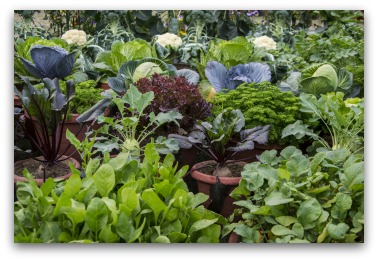 Varieties of cabbage plants growing in a container vegetable garden.
Growing cabbage in containers is genuinely achievable, particularly with compact varieties bred specifically for smaller spaces. Use a container at least five gallons in volume with a minimum twelve-inch diameter and good drainage, filled with a quality potting mix blended with compost.
Choose compact cabbage varieties described as suitable for containers - smaller-headed types perform far better in pots than varieties bred for large, sprawling heads.
Place containers in full sun for at least six hours daily, water consistently (daily in warm weather, since containers dry out quickly), and feed every ten days or so with a diluted liquid fertilizer like fish emulsion once the first true leaves emerge, tapering off once heads begin to form just as you would in the ground.
See our complete container vegetable gardening guide for further advice on container growing in general, and our raised bed vegetable gardening guide if you are considering a dedicated bed specifically for brassicas like cabbage, broccoli, and kale.
Frequently Asked Questions About How to Grow Cabbage
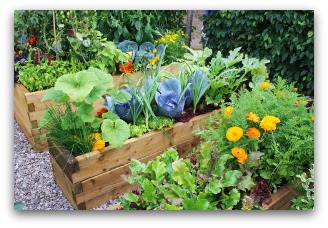 Raised bed garden including cabbage plants, and companion marigold flowers.
1. How long does it take to grow cabbage from seed to harvest?
Most cabbage varieties take sixty to one hundred days from transplanting to harvest, depending on whether you choose an early, mid-season, or late-maturing type. Early varieties like Golden Acre are ready in around sixty-five days, while late storage varieties can take closer to one hundred days. Add roughly six to seven weeks of indoor growing time before transplanting if starting from seed for a spring crop.
2. Why did my cabbage heads split open?
Splitting almost always results from inconsistent watering - typically a dry spell followed by heavy rain or watering, which causes inner leaves to swell faster than outer leaves can expand. Maintaining even soil moisture throughout the season and harvesting promptly once heads feel firm are the most effective preventive steps in how to grow cabbage without this frustrating problem.
3. Can I get a second harvest from one cabbage plant?
Yes, with a simple technique. Cut the main head out while leaving the outer leaves and root system in the garden, and the plant will often send up several smaller secondary heads. Pinch off all but about four of these developing heads to let them mature into a worthwhile second harvest from the same planting.
4. Why are my cabbage heads small or loose rather than firm?
Loose, small, or poorly formed heads usually point to plants maturing during hot summer weather, overcrowding, or insufficient nitrogen during the leafy growth stage before heads begin forming. Timing plantings so maturity falls in cool weather, proper spacing, and adequate early-season feeding all help produce larger, firmer heads.
5. Is cabbage easy to grow for beginners?
Cabbage is approachable for beginners but does require attention to timing and consistent watering more than some other crops, since it cannot tolerate sustained heat and is prone to splitting without even moisture. Starting with an early, disease-resistant variety and paying close attention to the cool-season timing described throughout this guide makes how to grow cabbage a very manageable project even for a first-time grower.
More Vegetable Growing Guides
 Square foot garden with cabbage plants covered with chicken wire to keep out little garden thieves.
Continue building your vegetable growing knowledge with these complete guides from Vegetable-Gardening-Online.com.
- How to Grow Broccoli - Complete Guide
- How to Grow Kale - Complete Guide
- Cold Hardy Vegetables Guide
- Fall Vegetable Garden Guide
- Companion Planting Chart for Vegetables
- Raised Bed Vegetable Gardening for Beginners
- Container Vegetable Gardening Guide
- Organic Vegetable Gardening Guide
- Succession Planting Vegetables Guide
- Free Interactive Vegetable Garden Planner
- Free Interactive USDA Zone Finder

Recent Articles


-
Free Preschool Vegetable Garden Cut and Paste Activities
Sep 29, 26 03:12 PM
 Free preschool vegetable garden cut and paste activities for ages 3-4. Build your own backyard, container, or seed packet garden scene, and sticker sheets.
 -
Preschool Art Activities: Free Garden Crafts and Coloring Pages
Sep 29, 26 03:00 PM
Free preschool art activities with a garden theme: vegetable coloring pages, a seed packet craft, and paper plate scarecrows to print for home or school. -
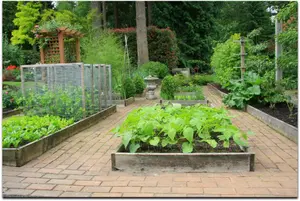
Raised Bed Vegetable Garden: Plans, Layouts, and How to Build One
Sep 27, 26 09:37 PM
 A raised bed vegetable garden step by step: where to put it, size and depth, materials, how to build and fill it, a free 4x8 planting plan, and what to grow.
 -
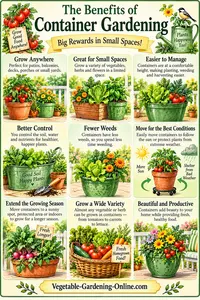
Container Vegetable Gardening: Ideas, Designs, and Growing Tips
Sep 27, 26 05:56 PM
 Container vegetable gardening made easy: best pots and soil, what to grow, pot sizes, watering and feeding, plus container garden designs, ideas, and pictures.
 -
Fall Vegetable Garden Guide: The Complete Guide to Autumn Growing
Sep 26, 26 11:28 AM
 This fall vegetable garden guide covers the best crops, timing, frost protection, and planting charts for a productive autumn harvest.
 -
Garden Story for Children: Free Printable; Ben's Garden Year
Sep 25, 26 12:50 PM
 A free printable garden story for children ages 4-7. Read it online or print the picture book: Ben plants seeds in winter, grows a tomato, and picks radishes.
 -
Basic Vegetable Garden Design: Layouts, Plans, and Ideas for Any Yard
Sep 24, 26 08:10 PM
 Basic vegetable garden design made simple: pick a layout, raised beds or in-ground, paths and water, the four-square rotation, and free plans and a planner.