- Home
- Planning A Garden
- No-Dig Vegetable Gardening
No-Dig Vegetable Gardening: The Complete Guide to Growing More with Less Work
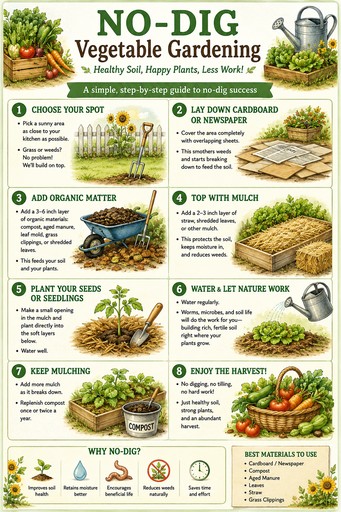
No dig vegetable gardening is one of the most exciting shifts in home food growing in decades. Instead of breaking your back tilling and digging every spring, you build rich productive soil by layering organic matter on top and letting nature do the hard work.
The result is fewer weeds, healthier plants, bigger harvests, and far less effort season after season. This complete guide covers everything you need to get started.
Every experienced gardener who has switched to no dig vegetable gardening says the same thing: they wish they had started sooner.
After years of fighting compacted soil, stubborn weeds, and the annual exhausting ritual of digging and tilling, the no-dig approach feels almost like cheating.
The plants thrive, the weeds nearly disappear, and the work gets easier every single year rather than harder.
No-dig methods pair naturally with a growing homestead garden. See our guide to homestead gardening for beginners for how to build toward more self-sufficiency one season at a time.
Curious about growing vegetables that need less water and care over time? See our guide on how to start landrace gardening.
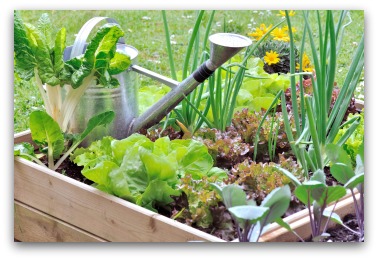
What You Will Learn in This Guide
- Why no dig vegetable gardening works - the science behind it
- The real benefits and honest limitations
- The three main no-dig methods
- How to build a lasagna garden step by step
- The one thing every no-dig garden needs: compost
- What to plant and when
- Year-round maintenance
- Common mistakes and how to avoid them
Why No Dig Vegetable Gardening Works

Healthy garden soil is not just dirt. It is a living ecosystem teeming with bacteria, fungi, earthworms, beetles, and countless other organisms that work together to break down organic matter, cycle nutrients, and create the loose crumbly structure that plant roots love.
A single teaspoon of healthy garden soil contains more living organisms than there are people on Earth.
Traditional digging and tilling damages this ecosystem. It breaks up the networks of mycorrhizal fungi that help plants absorb water and nutrients. It brings buried weed seeds up to the surface where they germinate.
It exposes organic matter to air, causing it to break down and release carbon dioxide rather than staying in the soil as long-term fertility. And it requires enormous physical effort season after season.
No dig vegetable gardening leaves all of that underground life completely intact.
By adding compost on top, you feed the soil organisms, who in turn feed your plants.
Earthworms pull organic matter down from the surface, creating natural drainage channels and leaving behind castings that are extraordinarily rich in plant-available nutrients.
Over time, a no-dig garden's soil becomes progressively richer and more productive with less input from you each year.
No-dig gardening and organic growing are natural partners — both work with the soil's living ecosystem rather than against it. This page is also part of our Organic Vegetable Garden hub, where you will find guides to building organic soil, making your own organic fertilizer, companion planting for pest control, and sourcing organic and heirloom seeds for your garden.
Organic Vegetable Garden — complete hub for growing vegetables organically including no-dig methods, organic fertilizers, and companion planting
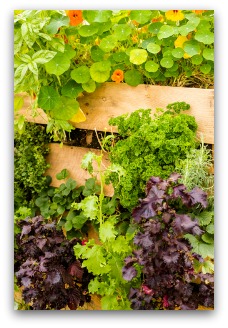
Research finding: Multiple university extension studies confirm that no-till vegetable production consistently matches or outperforms conventional tillage for long-term crop yields - while requiring significantly less labour and improving soil health year over year.
The Real Benefits of No Dig Vegetable Gardening - and Honest Limitations

| Traditional Digging | No Dig Vegetable Gardening |
|---|---|
| Hard physical labour every season | Minimal physical effort after setup |
| Brings weed seeds to the surface | Weed seeds stay buried and dormant |
| Destroys soil structure and fungi | Soil life thrives undisturbed |
| Soil compacts again quickly | Structure improves every year |
| Loses organic matter to oxidation | Organic matter builds up over time |
| Weed pressure stays high year after year | Weed pressure drops significantly each year |
Honest Limitations to Know Before You Start
- The first year requires real effort. Building your initial no-dig beds - gathering cardboard, sourcing compost, and laying the layers - takes genuine work upfront. The reward is that every subsequent year gets noticeably easier.
- Compost is essential. No dig vegetable gardening depends on regular generous applications of good compost. If compost is expensive or hard to source in your area, factor that into your planning.
- Deep-rooted perennial weeds take time. Bindweed, couch grass, and ground elder can push through thick cardboard layers in the first season. They weaken significantly by year two and three, but patience is required.
- Root crops may be shorter in year one. Carrots and parsnips may grow slightly shorter in a brand-new bed as roots hit the transition zone between the compost layer and original soil below. This improves significantly by year two.
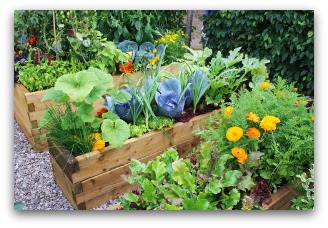
The Three Main No-Dig Gardening Methods
No dig vegetable gardening is not a single technique - it is a family of related approaches, each suited to different situations. Here are the three most practical methods for home vegetable growers.
1. The Charles Dowding Method
The simplest and most elegant approach to no dig vegetable gardening. Each spring, spread a layer of compost - typically 2 to 4 inches - directly on top of your existing beds. No cardboard, no layering. Just compost on top, planted directly into it. This is ideal for established beds that you are converting from dug to no-dig, and for annual maintenance of existing no-dig beds.
2. Lasagna Gardening (Sheet Mulching)
The best method for creating a brand-new no dig vegetable garden from scratch - especially over existing lawn, weedy ground, or poor soil. Named for its layered structure, it smothers existing vegetation with cardboard and builds up rich soil above it using alternating layers of organic materials. Full instructions are in the next section.
3. Deep Mulch (Ruth Stout Method)
A permanent year-round deep layer of straw mulch (8-12 inches) covers the entire garden surface. Plants grow up through it and you part the mulch to plant seeds and transplants. The mulch feeds the soil as it decomposes, suppresses weeds almost entirely, and retains moisture exceptionally well. Best suited to larger gardens where straw is readily and cheaply available.
How to Build a Lasagna Garden Step by Step
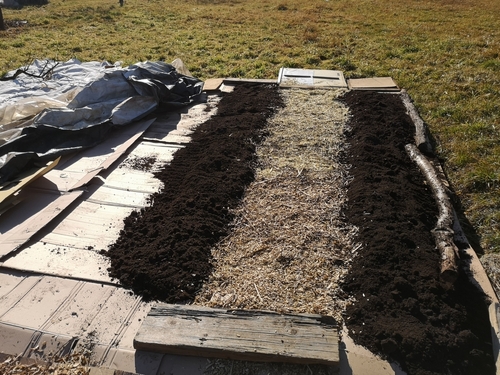

The key to lasagna gardening: alternating layers of carbon-rich browns and nitrogen-rich greens, starting with a solid cardboard base.
Lasagna gardening is the perfect way to start a no dig vegetable garden over any surface - lawn, weeds, compacted soil, even gravel - without any digging whatsoever. The layers smother what is beneath, break down over months, and produce rich crumbly growing medium that vegetables thrive in.
What You Will Need
- Cardboard or newspaper - enough to cover your entire bed area in a solid overlapping layer. Remove all tape, staples, and any shiny coated sections.
- Compost - homemade or bought. This is your most important ingredient.
- Brown carbon materials - straw, dried leaves, wood chips, or shredded paper
- Green nitrogen materials - grass clippings, vegetable kitchen scraps, fresh garden trimmings, or aged manure
- Water - each layer needs to be moist to decompose correctly
Best time to build: Autumn is ideal for starting a no dig vegetable garden - you have abundant leaves, the layers have all winter to decompose, and by spring the bed is rich and ready to plant. But you can build at any time of year and plant transplants into it immediately.
The Layers - Bottom to Top
| Layer | Material | Depth | Purpose |
|---|---|---|---|
| 1 - Base | Mow or flatten existing grass and weeds | - | No need to remove - it becomes part of the first decomposing layer |
| 2 - Cardboard | Overlapping cardboard or 8-10 sheets newspaper, soaked thoroughly | 2-3 layers | Smothers weeds and grass, invites earthworms up from below |
| 3 - Green layer | Grass clippings, kitchen scraps, aged manure | 2-3 inches | Nitrogen-rich material to drive decomposition |
| 4 - Brown layer | Dried leaves, straw, wood chips, shredded paper | 4-6 inches | Carbon-rich material to balance nitrogen |
| 5 - Repeat | Continue alternating green and brown layers | - | Build up to 12-18 inches total - it will settle significantly |
| 6 - Top layer | Good quality compost | 3-4 inches | The planting layer - seeds and transplants go directly into this |
Cardboard mistakes to avoid: Always remove plastic tape and staples before laying cardboard - they will not decompose. Do not use glossy or wax-coated cardboard. Never leave gaps between sheets - weeds will find every opening.
Compost - The Heart of No Dig Vegetable Gardening

If no dig vegetable gardening has a secret ingredient, it is compost. Everything else - the cardboard, the layers, the mulch - is supporting cast. Compost is the star. It feeds your soil life, improves soil structure, provides slow-release nutrition for plants, and suppresses many common diseases. No dig vegetable gardening without generous compost simply does not work.
How Much Compost Do You Need?
For an established no-dig bed (annual maintenance), aim for a 2-inch layer of compost spread across the surface each spring. For a new lasagna bed, plan on 4-6 inches for the top planting layer alone, plus smaller amounts in the middle layers.
For a 4x8 ft bed, 2 inches of compost requires roughly 5-6 cubic feet - about three to four large 2-cubic-foot bags from a garden centre, or a generous barrowload of homemade compost.
Making Your Own Compost
Home composting is the most cost-effective way to supply a no dig vegetable garden. Alternate kitchen scraps, fresh grass clippings, and garden trimmings (greens) with cardboard, dried leaves, and woody prunings (browns). Keep it moist and turn occasionally. In 3-6 months you will have rich dark crumbly compost ready to spread.
What to Plant in a No Dig Vegetable Garden
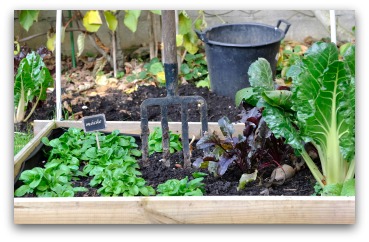
Almost every vegetable grows well in a no dig vegetable garden. The top layer of compost is loose, warm, and fertile - ideal for both seeds and transplants.
| Excellent Crops for No-Dig | Notes |
|---|---|
| Lettuce and salad leaves | Perfect - sow directly into compost, harvest within weeks |
| Tomatoes and peppers | Thrive in the rich compost top layer - plant as transplants after last frost |
| Zucchini and squash | Love the fertility - plant on a small mound of extra compost |
| Beans and peas | Direct sow into compost - nitrogen-fixing roots improve the bed further |
| Onions and garlic | Press sets directly into the compost surface - no fuss |
| Potatoes | Lay seed potatoes on the surface and cover with 4-6 inches of compost and straw rather than digging trenches |
| Kale, spinach, and chard | Sow direct or transplant - very happy in rich compost |
| Herbs | Basil, parsley, and chives all thrive planted directly into the compost layer |
Planting in a brand-new no dig vegetable garden: If you have just built your lasagna bed and want to plant right away, use transplants rather than seeds. Dig a small pocket of compost, set the transplant in, water well, and the roots will establish into the decomposing layers below. Seeds need a more settled bed - wait 4-6 weeks after building, or add an extra-thick top layer of compost for direct sowing.
Year-Round Maintenance for Your No Dig Vegetable Garden
One of the great joys of no dig vegetable gardening is the simplicity of the annual care cycle. Unlike traditional gardens that need digging and heavy amendment every year, a well-managed no-dig bed needs very little.
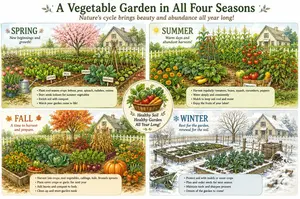
Spring
- Spread 1-2 inches of fresh compost across the entire bed surface
- That is it - your bed is ready to plant. No digging, no tilling, no breaking up clods
- Hand-pull any winter weeds - they come out easily from the loose undisturbed surface
Summer
- Top up mulch between plants to retain moisture and suppress weeds
- Any weeds that appear pull out cleanly by hand - roots have not penetrated deep
- Succession plant empty sections as crops finish
Autumn
- Cut spent annual plants at the base - leave the roots in the soil to decompose and feed soil life
- Add another layer of compost or well-rotted manure as a winter mulch and spring feed
- This is also the best time to build new lasagna beds for next year
Winter
- Leave the compost mulch in place - it protects soil life from frost and worms pull it down gradually
- Grow hardy winter crops such as kale, leeks, garlic, and overwintering onions right through the cold months
- Plan next season's layout using our free interactive garden planner
Plan Your No Dig Vegetable Garden Layout
Use our free interactive planner to design your beds, choose the right vegetables, and check companion planting before you build anything.
Open the Free Garden Planner
Free Planting Worksheets

7 Common No Dig Vegetable Gardening Mistakes
- Skimping on the cardboard layer. A single sheet of cardboard will not suppress established grass or perennial weeds. Use a minimum of two to three layers of corrugated cardboard, fully overlapping all edges. The thicker the better.
- Not wetting the cardboard. Dry cardboard is stiff and resists decomposition. Soak it thoroughly when laying it - the moisture is what helps it break down and attract earthworms up from below.
- Using too-thin a compost layer on top. A 1-inch sprinkle of compost is not enough to plant into. Your top layer should be at least 3-4 inches deep for transplants, and 4-6 inches for direct seeding.
- Using fresh manure on the planting layer. Fresh manure is too strong and can burn seedling roots. Always use well-rotted or composted manure, or keep fresh manure to the lower layers where it has time to mellow before planting.
- Stepping on the beds. Never compact the soil by walking on it. Keep beds no wider than 4 feet so you can reach the centre from either side. Use stepping stones or boards for crossing beds.
- Digging up persistent weeds. When a perennial weed pushes through in year one, resist the urge to dig it out - this disturbs the whole bed structure. Cut it at the surface repeatedly instead. Without light and with consistent cutting, even bindweed eventually gives up.
- Stopping the annual compost top-dressing. No dig vegetable gardening beds need annual compost applications to keep working their magic. Skip it and soil structure gradually suffers. It takes 20 minutes once a year - it is well worth it.
Frequently Asked Questions About No Dig Vegetable Gardening

1. Does no dig vegetable gardening really work?
Absolutely. Charles Dowding has grown vegetables commercially on no-dig beds for over 30 years, with yields consistently matching or exceeding comparable dug beds. Many gardeners report that after two or three years their no dig vegetable garden outperforms anything they grew using traditional methods - and with a fraction of the effort.
2. Can I convert my existing beds to no dig?
Yes - and it is straightforward. Simply stop digging and start applying a 2-3 inch layer of compost to the surface each spring instead. Within two to three seasons, soil structure will improve noticeably and weed pressure will reduce significantly.
3. What can I use instead of cardboard for the base layer?
Newspaper works well - use at least 8-10 sheets thick and overlap generously. Avoid glossy paper. Commercial weed-suppressing membrane is not recommended - it prevents the soil ecosystem from functioning properly and is not biodegradable.
4. How long before a new lasagna bed is ready to plant?
You can plant transplants into a fresh lasagna bed immediately by making pockets of compost. For direct seeding, give the top layer 3-4 weeks to settle. A bed built in autumn will be fully ready and settled by the following spring.
5. Will no dig vegetable gardening work on heavy clay soil?
Yes - in fact no dig is particularly effective on clay soils. Digging clay creates hard clods and destroys structure. Leaving it undisturbed and feeding it from above allows earthworms and soil organisms to gradually improve its texture and drainage. Results take longer on heavy clay, but the improvement is genuine and long-lasting.
6. Where can I get free cardboard for no dig beds?
Supermarkets, appliance stores, furniture shops, moving companies, and recycling centres are all excellent free sources. Large appliance boxes are ideal. Always call ahead - they are usually delighted to have you take cardboard away.
No Dig Vegetable Gardening: Work Smarter, Grow Better
No dig vegetable gardening is not a shortcut - it is a smarter approach. By working with the natural biology of your soil rather than against it, you build genuine long-term fertility that rewards you with healthier plants, dramatically fewer weeds, and harvests that get better every single season. The first year requires real effort to set up. The second season is noticeably easier. By the third year, many no dig vegetable gardeners find that a 30-minute session per week is enough to maintain a highly productive plot.
Whether you build a single 4x4 lasagna bed over a patch of lawn this weekend, or convert an entire kitchen garden to no dig practice, the results will speak for themselves. Start with one bed. Watch what happens. You will very likely never reach for a spade again.

The Rodale Institute at rodaleinstitute.org is the most respected research organization for organic farming and no-till growing in the United States. Their decades of research into organic soil health, no-till methods, and regenerative agriculture make them the definitive authority on the science behind no-dig and organic vegetable growing.
Rodale Institute — leading research organization on organic farming, no-till methods, and regenerative agriculture
Return to our Planning a Vegetable Garden hub for complete guides to garden design, layout, raised beds, containers, and planning tools.
- Planning a Vegetable Garden — complete hub for garden design, layout, raised beds, containers, and planning tools

Recent Articles


-
How to Grow Cabbage
Sep 15, 26 12:33 PM
 How to Grow Cabbage: The Complete Guide from Seed to Harvest. This complete guide covers everything you need to know about how to grow cabbage.
 -
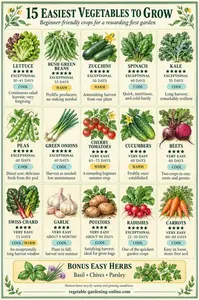
Easiest Vegetables to Grow: 15 Foolproof Crops for Beginners
Sep 15, 26 09:24 AM
 Easiest vegetables to grow for beginners - with advice on what makes each one easy, how to get started, and which vegetables are harder than they look.
 -
How to Grow Green Beans
Sep 14, 26 07:53 PM
 How to Grow Green Beans: The Complete Guide to Bush and Pole Beans. Green beans are one of the most forgiving crops a beginner can choose.
 -
Seasonal Vegetable Garden
Sep 14, 26 05:38 PM
 Seasonal Vegetable Garden — Growing Food Through Every Season
 -
Overwintering Vegetables: Fall-Planted Crops for Early Spring Harvest
Sep 14, 26 05:35 PM
 Learn about overwintering vegetables like garlic, fava beans, and onions, planted in fall to sit through winter and reward you with an early spring harvest.
 -
Free Vegetable Garden Journal— Printable Downloads for Home Gardeners
Sep 14, 26 01:51 PM
 Download our free Vegetable Garden Journal — choose a full 16-page version or simpler 7-page journal. Track planting, harvest, & garden notes season by season.
 -
Free Vegetable Garden Cut and Paste Activities for Kids Ages 5-7
Sep 12, 26 09:13 PM
 Free printable vegetable garden cut and paste activities for kids ages 5-7. Build your own garden, match seeds to plants, and learn what grows where.