Vegetable Garden Planner Interactive
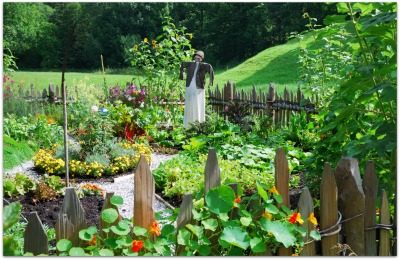
Use our free vegetable garden planner interactive to create your own garden! Create your own custom garden plan here.
1. Start by clicking on the Bed Size button.
2. After choosing your garden bed size, click on the Plant Vegetables button.
3. Next, click the Review Plan button, and you will be able to print your garden plan.
Interactive Vegetable Garden Planner
Design your raised bed, choose your vegetables, and get instant companion planting advice — all in three easy steps.

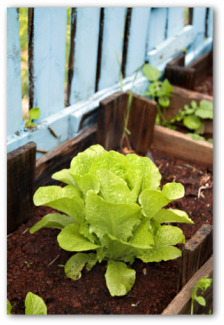
Vegetable Gardening Tips to Help You Grow More This Season
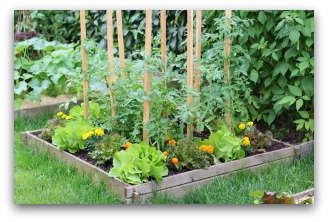
A good garden plan is just the beginning. Once you have your layout sorted using the planner above, these practical tips will help you get the most out of every square foot of your raised bed - whether you are growing vegetables for the first time or improving on last year's results.
Start with the Right Soil
More than any other factor, the quality of your soil determines how well your vegetables grow. Before you plant anything, make sure your raised bed is filled with a rich, loose mix of compost, quality topsoil, and a draining material like perlite or coarse sand. Avoid filling raised beds with straight garden soil - it compacts over time and drains poorly. A good rule of thumb is to use roughly one third compost, one third topsoil or raised bed mix, and one third coarse material for drainage. Your plants will reward you immediately with stronger root growth, better moisture retention, and noticeably bigger harvests.
Even if your soil was excellent last season, top it up each spring with two to three inches of fresh compost. This simple annual habit keeps your bed fertile and productive year after year without any digging or tilling.
Know Your Planting Zone
One of the most common mistakes beginner gardeners make is planting too early - or too late. Your USDA Hardiness Zone tells you when your last spring frost typically occurs, which determines when it is safe to plant warm-season crops like tomatoes, peppers, cucumbers, and zucchini outdoors. Cool-season crops like lettuce, spinach, peas, and radishes can go in the ground four to six weeks before your last frost date - they actually prefer cooler temperatures and can even handle a light frost. Knowing your zone takes the guesswork out of timing and can add weeks of productive growing to both ends of your season. Download our free USDA Zone Chart from the worksheets page for a complete planting guide by zone.Then use our vegetable garden planner interactive to plan your garden.
Water Consistently - Not Just When You Remember
Inconsistent watering is the single biggest cause of preventable problems in vegetable gardens. Too little water and plants stress, stop producing, and become vulnerable to pests. Too much and roots suffocate and rot. The goal is consistent moisture - soil that stays evenly moist two inches below the surface, never waterlogged and never bone dry.
Most vegetable gardens need about one inch of water per week from rain or irrigation combined. In hot summer weather that often means watering every two to three days. The simplest check is to push your finger two inches into the soil - if it feels dry at that depth, it is time to water. Always water at the base of plants rather than overhead, which keeps foliage dry and significantly reduces fungal disease problems.
If you find consistent watering difficult to maintain, a simple drip irrigation system or soaker hose connected to a timer is one of the best investments a vegetable gardener can make. It removes the most common cause of crop failure completely.
Use Companion Planting to Work Smarter
The vegetables you grow next to each other matters more than most gardeners realise. Some plants actively help their neighbours - basil planted near tomatoes repels thrips and whiteflies, while marigolds planted throughout the bed suppress soil nematodes and deter a wide range of common pests. Carrots and onions are mutually beneficial neighbours, each repelling the other's most damaging pest. Beans and peas fix nitrogen from the air into the soil, feeding the heavy feeders growing around them.
Other combinations are actively harmful - tomatoes and potatoes share the same diseases and should always be kept in separate beds. Fennel is one of the most disruptive plants in a vegetable garden, releasing chemicals from its roots that stunt the growth of most vegetables nearby. The companion planting checker built into the garden planner above flags these conflicts automatically as you design your layout. For a complete guide to which vegetables grow well together, visit our companion planting chart. Use our vegetable garden planner interactive to plan your garden!
Harvest Often to Keep Plants Producing
Most vegetables produce more when harvested frequently and young. Zucchini left to grow large stops producing new fruits. Beans left on the vine too long signal the plant that its job is done and production slows. Lettuce and salad leaves picked regularly keep producing for weeks; left to bolt they turn bitter and the plant flowers and dies. Make a habit of checking your garden every two to three days and harvesting anything that is ready. A garden that is picked regularly will almost always produce more total food than one that is harvested in occasional large batches.
Keep a Simple Garden Journal
The gardeners who improve fastest are the ones who write things down. You do not need anything elaborate - a small notebook kept in the shed or garden is enough. Record what you planted, where you planted it, when you sowed or transplanted, and what results you got. Note any pest problems, what worked well, and what you would do differently. After just two seasons of keeping notes you will have personalised knowledge of your own garden that no general guide can replicate. Combined with the garden plan you design above, a simple journal is one of the most powerful tools available to a vegetable gardener at any level of experience.
Use our vegetable garden planner interactive to design and save your layout each season, then download our free planting worksheets for a printable journal, harvest log, and zone planting calendar to keep your garden on track all year long.