- Home
- Planning A Garden
- Raised Bed Gardens
- Raised Bed Vegetable Gardening for Beginners
Raised Bed Vegetable Gardening for Beginners: The Complete Guide
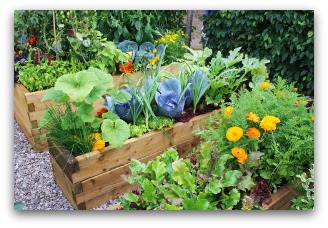
Raised bed vegetable gardening for beginners is the smartest way to start growing your own food - and experienced gardeners who have used every other method will tell you the same thing. Raised bed vegetable gardening gives you complete control over your soil, dramatically reduces weeds, produces significantly bigger harvests, and is far easier on your back than traditional in-ground gardening. Whether you are starting from scratch or converting an existing plot, this complete guide covers everything you need to succeed with raised bed vegetable gardening from day one.
Ask any gardener who switched to raised beds what they would do differently if starting over, and the answer is almost always the same: they wish they had done it sooner. This guide walks you through every step - from choosing the right location and materials to filling your bed with the perfect soil mix and harvesting your first crop.
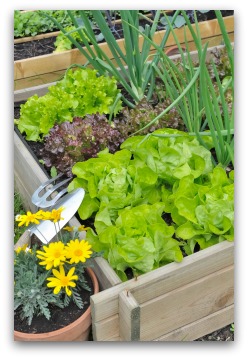
Raised bed vegetable gardening is one of the most rewarding and productive methods available to home gardeners.
This page is part of our Raised Bed Vegetable Garden hub, where you will find complete guides to building your bed, filling it with the right soil mix, and getting the most from raised bed growing season after season.
Raised Bed Vegetable Garden — complete hub for planning, building, and maintaining a productive raised bed vegetable garden
Why Raised Bed Vegetable Gardening Works So Well
Raised bed vegetable gardening outperforms traditional in-ground gardening in almost every measurable way. Understanding why helps you get the most from your beds right from the start.
Better soil from day one
In raised bed vegetable gardening you fill your beds with a perfect soil mix rather than amending whatever native soil you happen to have. Years of struggling with compacted clay, sandy soil, or poor drainage become irrelevant - you start with the ideal growing medium every time.
A longer growing season
Raised beds warm up faster than in-ground soil in spring, often giving you two to four extra weeks at both ends of the growing season. NC State Cooperative Extension notes that this earlier warming is one of the most significant practical advantages of raised bed vegetable gardening, particularly in cooler climates.
Far fewer weeds
Fresh raised bed soil mix contains very few weed seeds. The defined edges keep grass and weeds from creeping in. Dense planting shades the soil surface, preventing weed germination. Most raised bed vegetable gardeners find their weed management drops from hours per week to minutes.
No soil compaction
Because you never walk inside a raised bed, the soil stays loose and aerated permanently. Plant roots penetrate easily, drainage stays excellent, and the soil never needs tilling or breaking up. This is one of the fundamental advantages of raised bed vegetable gardening over any in-ground approach.
Higher yields per square foot
The combination of rich loose soil, no compaction, and intensive planting produces significantly more food per square foot than traditional row gardening. A single well-managed 4x8 ft raised bed can supply a meaningful portion of fresh vegetables for one to two people throughout the growing season.
Easier to work
Raised beds reduce bending and kneeling dramatically, especially as bed height increases. At 18-24 inches tall, you can sit on the edge of the bed to work - making raised bed vegetable gardening genuinely accessible to gardeners of all ages and abilities.
Choosing the Right Location for Your Raised Bed
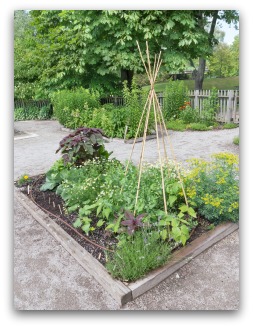
 Raised bed gardens are easier to plant, tend, and harvest. They also fit into small sunny space where there isn't room for a large garden.
Location is the single most important decision you will make in raised bed vegetable gardening for beginners. Get this right and almost everything else becomes easier.
Sunlight - the non-negotiable factor
Most vegetables need six to eight hours of direct sunlight daily. Before you build anything, spend a day watching how light moves across your yard. Note which areas receive morning sun, which get afternoon shade from trees or buildings, and which are mostly shaded. Place your raised bed in the sunniest spot available - even if that means an unconventional position in the yard.
If your sunniest spot only receives four to six hours, you can still grow a productive bed - but focus on cool-season leafy crops such as lettuce, spinach, kale, herbs, and radishes rather than fruiting vegetables like tomatoes, peppers, and cucumbers which need maximum sun to produce well.
Other location considerations
- Close to a water source: Raised beds dry out faster than in-ground gardens. Being near a tap or hose makes consistent watering far more likely.
- Level ground: A sloping site causes uneven watering and can make the bed unstable. Level the area first or build stepped beds on a slope.
- Away from large trees: Tree roots are aggressive and will invade a raised bed within a season or two, competing for water and nutrients.
- Good air circulation: Avoid enclosed corners where air stagnates - poor air movement increases disease pressure on plants.
- Easy access from all sides: Leave at least 18 inches of path around each bed, and 24 inches if you use a wheelbarrow.
Placing on lawn or concrete: You can place a raised bed directly on grass - the grass underneath dies and decomposes, adding organic matter to the bed over time. Lay cardboard underneath before adding soil to speed this up. On concrete or paving, ensure the bed is at least 12 inches deep and that drainage can occur from the base.

Choosing the Right Size for Your First Raised Bed
The most important sizing rule in raised bed vegetable gardening for beginners: never make your bed wider than four feet. A four-foot width allows you to reach the centre comfortably from either side without stepping into the bed. Stepping on garden soil compacts it - which defeats the fundamental advantage of raised bed vegetable gardening.
Recommended sizes for beginners
| Size | Square Footage | Best For |
|---|---|---|
| 4 x 4 ft | 16 sq ft | First-time gardeners; very small spaces; excellent starter size |
| 4 x 8 ft | 32 sq ft | The most popular size for beginners - fits most yards and produces very well |
| 4 x 12 ft | 48 sq ft | Feeding a small family; second-year expansion |
| 4 x 16 ft | 64 sq ft | Serious food growers; maximum recommended length for easy path access |
How deep should a raised bed be?
Depth matters more than most beginners expect. More depth means more root room, better moisture retention, and healthier plants overall.
- 6 inches: Minimum for shallow-rooted crops like lettuce, herbs, and radishes only
- 12 inches: The most popular depth - suits the majority of vegetables well
- 18-24 inches: Ideal for deep-rooted crops like carrots, tomatoes, and potatoes; also much easier on the back since you can sit on the edge to work
The Best Materials for Raised Bed Vegetable Gardening For Beginners
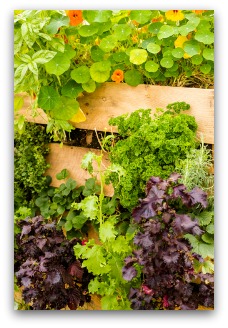
The material you build your raised bed from affects its lifespan, cost, appearance, and safety for growing food. Here are the most practical options with honest assessments of each.
Cedar wood
The most popular choice for raised bed vegetable gardening. Cedar is naturally rot-resistant, safe for food growing, beautiful to look at, and easy to work with. It is more expensive than pine or spruce but lasts ten to twenty years without treatment. If budget allows, cedar is almost always worth the extra cost.
Galvanised steel
Steel raised bed kits have become extremely popular in recent years and for good reason. They are very durable, easy to assemble, modern-looking, and last twenty or more years. The main consideration is that dark-coloured steel can heat up significantly in full summer sun, which can affect soil temperature near the edges. In very hot climates, light-coloured or corrugated steel panels perform better.
Pine or spruce
Less expensive than cedar and widely available at any hardware store. Pine works perfectly well for raised bed vegetable gardening but rots faster - typically lasting three to seven years rather than ten to twenty. A good budget choice if you want to start quickly and inexpensively, knowing you may need to replace it in a few years.
Composite lumber
Made from recycled plastic and wood fibres, composite lumber does not rot, needs no maintenance, and lasts twenty-five or more years. It is more expensive upfront but can be the most cost-effective choice over a long timeframe. Confirmed safe for food gardening.
Concrete blocks or bricks
Extremely durable and permanent. No rot, no replacement needed. The downside is weight and the labour involved in building. Plain concrete blocks work well; avoid decorative painted blocks which can leach chemicals into the soil.
Materials to avoid
Never use railroad ties or old telephone poles - they are treated with creosote, a toxic preservative that leaches into soil and accumulates in food crops. Avoid older pressure-treated lumber labelled CCA (chromated copper arsenate), which contains arsenic. When in doubt about any treated wood, line the inside of the bed with heavy-duty food-safe plastic sheeting as a barrier.
The Right Soil for Raised Bed Vegetable Gardening
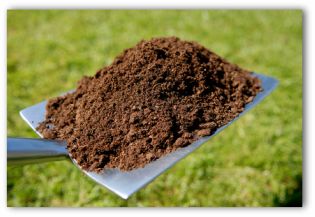
The soil you fill your raised bed with is the most important investment you will make in raised bed vegetable gardening. Everything else - the watering, the planting, the maintenance - depends on getting this right. The great news is that good raised bed soil is simple to create.
Never use garden soil in raised beds
This is the most critical rule in raised bed vegetable gardening. Straight garden soil, topsoil from your yard, or bags labelled simply "topsoil" compact heavily in a raised bed, drain poorly, and quickly become a dense block that suffocates roots. They may also contain weed seeds, pests, and disease organisms. Always use a purpose-made raised bed mix.
The classic raised bed soil recipe
The most reliable soil mix for raised bed vegetable gardening combines three equal parts:
- Compost - the most important ingredient. Use a blend of several compost types if possible (mushroom compost, garden compost, aged manure, worm castings). Variety improves the nutritional profile significantly.
- Peat moss or coir (coconut fibre) - provides structure and moisture retention. Coir is the more sustainable modern choice and works equally well.
- Coarse vermiculite or perlite - provides aeration and prevents compaction. Vermiculite retains more moisture; perlite drains slightly faster. Either works well.
If mixing your own is not practical, look for products labelled "raised bed mix" or "square foot garden mix" at garden centres. These are formulated specifically for raised beds and work well straight from the bag.
How much soil do you need?
Calculate the volume of your bed: Length x Width x Depth in feet equals cubic feet of soil needed. For common bed sizes at 12 inches deep:
- 4x4 ft bed: 16 cubic feet
- 4x8 ft bed: 32 cubic feet
- 4x12 ft bed: 48 cubic feet
For large beds, buying soil in bulk by the cubic yard from a landscape supply company is significantly cheaper than bagged products. Always ask what is in the mix - you want compost included, not just topsoil.
Annual soil maintenance
Each spring, top up your raised bed with two to three inches of fresh compost spread across the surface. This is the entire annual maintenance requirement for raised bed soil - no digging, no tilling, just compost on top. Within a few years your bed will develop into an extraordinarily rich, dark, productive growing medium that improves automatically each season.
What to Plant in Your Raised Bed Vegetable Garden
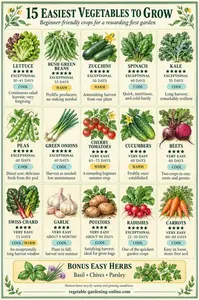
Raised bed vegetable gardening suits almost every vegetable, but some are particularly well suited to the contained, rich-soil environment of a raised bed. For a first 4x8 ft bed, aim for a mix of fast crops that give you early harvests and build confidence, alongside slower main crops for the summer season.
Best vegetables for beginners in raised beds
| Vegetable | Why It Works Well | Days to Harvest | Season |
|---|---|---|---|
| Lettuce and salad greens | Ready in 30-45 days; cut-and-come-again; fills edges and gaps | 30-45 | Cool |
| Radishes | The fastest confidence-builder; ready in 25 days; almost foolproof | 25 | Cool |
| Cherry tomatoes | The summer star of raised bed vegetable gardening; one plant produces hundreds of fruits | 65-75 | Warm |
| Peppers | Love the warm soil and consistent moisture of raised beds; compact and productive | 70-80 | Warm |
| Bush green beans | Direct sow after last frost; incredibly productive; no staking needed | 55 | Warm |
| Carrots | Thrive in the deep, loose, stone-free soil of a raised bed | 70-75 | Cool |
| Spinach | Quick cool-season crop; harvest outer leaves continuously | 40 | Cool |
| Basil and herbs | Fill gaps, deter pests, and give you something to harvest from week one | 30 | Warm |
| Cucumbers | Train up a trellis at the north end; excellent in the rich raised bed soil | 60 | Warm |
| Kale | Harvest outer leaves all season; one of the most productive raised bed crops | 60 | Cool |
Use our free interactive garden planner to plan exactly what goes in each square of your raised bed before you buy a single seed or plant. It shows spacing requirements for all 20 vegetables and checks companion planting automatically.
Spacing and Layout
in Raised Bed Vegetable Gardening
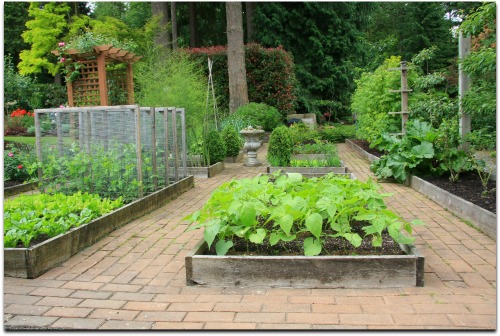
One of the greatest advantages of raised bed vegetable gardening for beginners is the ability to use intensive planting - spacing plants much closer together than traditional row gardening because the rich soil supports it. This means far more food from the same space, and the dense leaf canopy naturally suppresses weeds.
The square foot gardening method
The simplest approach for raised bed vegetable gardening is to divide your bed into a grid of one-square-foot sections and plant each square with the appropriate number of plants for that crop. This eliminates guesswork about spacing and makes the best use of every inch of your bed. For a complete guide see our square foot gardening page.
| Plants per Square Foot | Vegetables |
|---|---|
| 1 plant | Tomatoes, peppers, broccoli, kale, zucchini, cucumbers, cabbage |
| 4 plants | Lettuce, basil, strawberries, Swiss chard, parsley |
| 8-9 plants | Spinach, bush beans, peas, beets |
| 16 plants | Carrots, radishes, onions, garlic |
Tall plants at the north end
Always place your tallest crops - tomatoes, trellised cucumbers, corn, sunflowers - at the north end of the bed so they cast shade away from shorter crops. The south end gets the most sun and is the best spot for sun-loving, lower-growing crops.
Using vertical space
A trellis at the back of a raised bed dramatically increases productive capacity without adding any footprint. Cucumbers, peas, and beans grown vertically free up precious square footage for other crops. A simple six-foot trellis at the north end of a 4x8 ft bed can support an entire cucumber or bean crop while occupying no ground space in the bed itself.
Watering Your Raised Bed Vegetable Garden
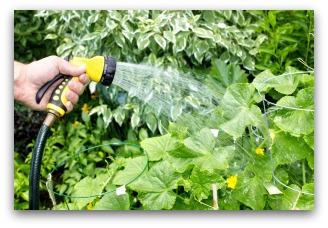
Raised beds drain more freely than in-ground gardens - which is excellent for root health but means they dry out faster and need more frequent watering. This is especially true in hot weather and for beds with a high proportion of perlite in the mix.
How often to water
There is no single answer - it depends on your climate, bed depth, soil mix, and the crops growing. The reliable method is the finger test: push your finger two inches into the soil. If it feels dry, water. If it still feels moist, wait. In summer heat, raised beds often need watering every one to two days. In cool spring weather, every three to four days may be sufficient.
How to water correctly
- Water slowly and deeply so the entire root zone gets moistened - not just the top inch of soil
- Water at the base of plants, not overhead, to reduce fungal disease on foliage
- Water in the morning where possible so foliage has time to dry before evening
- A drip irrigation system or soaker hose on a timer is the best investment for consistent raised bed watering
Mulching to retain moisture
Apply two to three inches of straw, shredded leaves, or wood chip mulch between plants after they are established. Mulch reduces moisture loss by up to fifty percent, suppresses surface weeds, and regulates soil temperature. It is one of the simplest and most effective things you can do for a productive, low-maintenance raised bed vegetable garden.
Seasonal Maintenance for
Raised Bed Vegetable Gardening

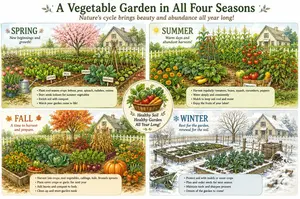
One of the greatest pleasures of raised bed vegetable gardening for beginners is the simplicity of annual care. Unlike in-ground gardens that need digging and heavy amendment every year, a well-managed raised bed needs very little.
Spring
- Top up with two to three inches of fresh compost across the entire bed surface - this feeds the bed for the whole season
- Hand-pull any winter weeds - they come out easily from the loose undisturbed surface
- Check the bed frame for any rot or damage and repair as needed
- Plant cool-season crops four to six weeks before your last frost date
Summer
- Water consistently - the most important summer task in raised bed vegetable gardening
- Top up mulch between plants as it breaks down
- Feed heavy-producing crops like tomatoes and peppers with a liquid feed every two weeks once flowering begins
- Harvest frequently - regular picking keeps plants producing all season
- Replant empty squares immediately as crops finish - never leave space idle
Autumn
- Remove spent summer crops and add them to your compost heap
- Plant cool-season crops for a second harvest - kale, spinach, salad leaves, and garlic for next year
- Apply a layer of compost as a winter mulch and spring feed
- Leave plant roots in the soil where possible - they decompose and feed soil life
Winter
- Leave the compost mulch in place to protect soil life and suppress early weeds
- Plan next year's layout using our free interactive garden planner
- Order seeds early - the best varieties sell out by February
- Hardy crops like kale, leeks, garlic, and overwintering onions keep producing through mild winters
Common Raised Bed Vegetable Gardening
Mistakes to Avoid

- Filling with the wrong soil. Using straight topsoil or garden soil is the most common and most damaging mistake in raised bed vegetable gardening. It compacts into a dense block and drains poorly. Always use a purpose-made raised bed mix or the compost, coir, and perlite recipe above.
- Making the bed wider than four feet. The moment you need to step inside the bed to reach plants, you compact the very soil you have worked hard to keep loose. Keep beds at four feet maximum width.
- Choosing a shady location. Vegetables need sun. A raised bed in shade - even with perfect soil - will produce spindly, unproductive plants. Always prioritise sunlight above all other location factors.
- Inconsistent watering. Raised beds dry out faster than in-ground gardens. Irregular watering causes blossom end rot in tomatoes, cracked fruits, and bitter cucumbers. Set a daily reminder or install a drip system on a timer.
- Planting before the last frost date. The warm soil in a raised bed is tempting to plant early, but warm-season crops are killed by frost. Know your last frost date and wait for it.
- Overcrowding plants. The rich soil in a raised bed is productive but not unlimited. Overcrowding reduces air circulation, increases disease, and makes harvesting difficult. Follow the spacing guide above.
- Not feeding heavy producers. Even great soil gets depleted. Tomatoes, peppers, and cucumbers need regular liquid feeding once they start flowering. A weekly liquid vegetable feed makes a significant difference to yields.
- Skipping the annual compost top-dress. The spring compost layer is what keeps a raised bed improving year after year. Skip it and the soil gradually loses structure and fertility. It takes twenty minutes once a year and is absolutely worth doing.
Frequently Asked Questions About Raised Bed Vegetable Gardening For Beginners

How much does it cost to start raised bed vegetable gardening?
A basic 4x8 ft cedar raised bed typically costs $80-150 for lumber, plus $80-150 to fill it with soil mix - around $150-300 all in for the first setup. Galvanised steel kit beds range from $100-200. The investment pays back quickly in fresh produce - a well-tended 4x8 ft bed can produce several hundred dollars worth of vegetables in a single season.
Do I need to put anything under my raised bed?
On grass or soil, lay cardboard or several sheets of newspaper underneath before filling with soil. This kills existing grass and weeds, breaks down over time to add organic matter, and draws earthworms up into your bed. On concrete or paving, no base lining is needed - just ensure the bed is deep enough (12 or more inches) and that drainage can occur. Avoid non-biodegradable weed fabric as a base - it restricts earthworm activity and root depth.
How many raised beds do I need to feed a family?
A single well-managed 4x8 ft bed can supply a significant portion of salads, herbs, and vegetables for one to two people. For a family of four, three to four 4x8 ft beds growing a mix of cool and warm season crops with succession planting will provide regular fresh harvests throughout the growing season. Start with one bed, succeed with it, then expand in subsequent seasons.
Can I do raised bed vegetable gardening on concrete?
Yes - raised beds work well on concrete, paving, or rooftops provided the bed is deep enough (at least 12 inches, 18 inches is better) and drainage can occur from the base. Use hardware cloth or wire mesh at the base to allow drainage while deterring burrowing pests. Plastic sheeting at the base is not recommended as it traps water.
How do I prevent weeds in a raised bed?
Fresh raised bed soil mix contains very few weed seeds, so weed pressure in year one is usually minimal. The main weed sources are wind-blown seeds landing on bare soil and grass creeping in from the bed edges. Tackle both with a two to three inch layer of mulch between plants, and keep the edges of the bed clearly defined. Any weeds that appear pull out easily from the loose undisturbed surface.
When is the best time to start raised bed vegetable gardening?
Any time. Autumn is ideal - you can build and fill the bed over winter so it is perfectly settled and ready to plant in early spring. But raised beds can be built and planted in the same day in any season. If building in spring, allow at least a week for the soil to settle before planting.
Return to our Raised Bed Vegetable Garden hub for complete guides to building, filling, and planting raised beds.
- Raised Bed Vegetable Garden — complete hub for building, filling, and planting raised vegetable garden beds

Recent Articles


-
How to Grow Cabbage
Sep 15, 26 12:33 PM
 How to Grow Cabbage: The Complete Guide from Seed to Harvest. This complete guide covers everything you need to know about how to grow cabbage.
 -
Easiest Vegetables to Grow: 15 Foolproof Crops for Beginners
Sep 15, 26 09:24 AM
 Easiest vegetables to grow for beginners - with advice on what makes each one easy, how to get started, and which vegetables are harder than they look.
 -
How to Grow Green Beans
Sep 14, 26 07:53 PM
 How to Grow Green Beans: The Complete Guide to Bush and Pole Beans. Green beans are one of the most forgiving crops a beginner can choose.
 -
Seasonal Vegetable Garden
Sep 14, 26 05:38 PM
 Seasonal Vegetable Garden — Growing Food Through Every Season
 -
Overwintering Vegetables: Fall-Planted Crops for Early Spring Harvest
Sep 14, 26 05:35 PM
 Learn about overwintering vegetables like garlic, fava beans, and onions, planted in fall to sit through winter and reward you with an early spring harvest.
 -
Free Vegetable Garden Journal— Printable Downloads for Home Gardeners
Sep 14, 26 01:51 PM
 Download our free Vegetable Garden Journal — choose a full 16-page version or simpler 7-page journal. Track planting, harvest, & garden notes season by season.
 -
Free Vegetable Garden Cut and Paste Activities for Kids Ages 5-7
Sep 12, 26 09:13 PM
 Free printable vegetable garden cut and paste activities for kids ages 5-7. Build your own garden, match seeds to plants, and learn what grows where.