- Home
- Planning A Garden
- Vertical Vegetable Garden
Vertical Vegetable Garden: How to Grow More Food in Less Space

A vertical vegetable garden is one of the simplest and most effective ways to multiply the productivity of a small growing space.
Instead of letting vining and sprawling crops ramble across the ground, a vertical vegetable garden trains them upward onto a trellis, arch, cage, or other support - freeing up the soil underneath for additional plantings and turning a modest bed into something far more productive than its footprint suggests.
Many gardeners who switch to growing vertically discover they can double or even triple their usable growing area without adding a single square foot of new garden.

Beyond the obvious space savings, a vertical vegetable garden offers real advantages in plant health and convenience. Lifting foliage and fruit up off the ground dramatically improves air circulation around the plants, which reduces the fungal diseases that thrive in damp, crowded conditions.
Vegetables grown vertically are also easier to spot, easier to harvest standing upright rather than crouching in the dirt, and less accessible to ground-dwelling pests and slugs.
According to The Old Farmer's Almanac (almanac.com), most vegetables need six to eight hours of direct sunlight regardless of how they are grown, so positioning a vertical structure to face the midday or afternoon sun helps it absorb and reflect heat back onto the plants at night, speeding growth.
This complete guide covers the best structures, the best crops, and the practical details of building and managing a vertical vegetable garden of your own.
Source: The Old Farmer's Almanac - Vertical Gardening Ideas
Why Grow a Vertical Vegetable Garden?
The most obvious benefit of a vertical vegetable garden is space efficiency, but it is far from the only one. Understanding the full range of advantages helps explain why so many experienced gardeners eventually adopt vertical methods even when space is not their primary constraint.
Space efficiency is the headline benefit. A sprawling vining crop like a winter squash or melon can occupy ten to twenty square feet of ground space left to its own devices. The same plant trained up a sturdy trellis occupies a fraction of that footprint at ground level, freeing the soil below and around it for shorter companion crops.
A vertical vegetable garden effectively adds growing area without adding garden size, which makes it one of the most valuable techniques for anyone working with a small yard, a patio, or a handful of raised beds.
Improved plant health is a less obvious but equally important benefit. When vines sprawl across the soil, their leaves stay in constant contact with damp ground, splashback from rain and watering, and still, humid air trapped close to the soil surface. All of these conditions favor the fungal and bacterial diseases that plague tomatoes, cucumbers, and squash. A vertical vegetable garden lifts foliage into open air where it dries quickly after rain and benefits from much better circulation, which measurably reduces disease pressure over a season.
Easier harvesting and fewer losses round out the case for growing vertically. Fruit hanging at eye level or waist height is simple to spot and simple to pick without bending, kneeling, or hunting through dense foliage on the ground.
Gardeners consistently report that they "lose" far fewer zucchini, cucumbers, and beans to over-ripening unnoticed in a vertical vegetable garden than they did when the same crops sprawled on the ground. Fruit and vegetables held up off the soil is also less accessible to slugs, snails, and other ground-level pests, which further protects the harvest.
Choosing the Right Structure for Your Vertical Vegetable Garden
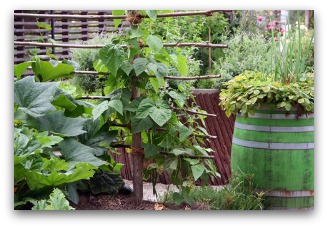
 Vertically growing cucumber plants saves space on the garden bed, and makes the cucumbers easier to see and harvest.
Choosing the right support structure is the most important practical decision in building a vertical vegetable garden. Different structures suit different crops, budgets, and garden layouts, and matching the structure to your specific plants makes the difference between a vertical vegetable garden that thrives and one that collapses under its own harvest.
A simple wood and wire trellis is the classic, versatile choice for a vertical vegetable garden and works well for cucumbers, peas, and beans. A wooden frame provides the structural strength, while a wire grid or netting stretched across it gives tendrils and twining stems plenty of places to grip as they climb. This style is inexpensive to build from basic lumber and hardware cloth or netting, and it can be sized to fit along a fence line or at the back of a raised bed.
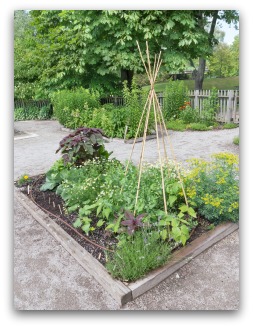
A bamboo or cane teepee is the simplest and most budget-friendly structure in any vertical vegetable garden. Six to eight bamboo canes or straight prunings are pushed into the ground in a circle and tied together at the top, creating a cone-shaped support that suits pole beans and lighter vining peas beautifully. It costs almost nothing if you already have canes on hand, assembles in minutes, and adds a charming cottage-garden silhouette to the space.
An obelisk trellis is a freestanding, tower-shaped support that works particularly well placed in the center of a square raised bed. Its tall, narrow form draws the eye upward and suits lighter climbers like peas, pole beans, and smaller tomato varieties. Because it stands on its own rather than against a fence or wall, an obelisk is one of the most flexible additions to a vertical vegetable garden, since it can be repositioned from season to season as you rotate crops.
A cattle panel arch creates a dramatic, walk-through tunnel over a path or bed and is one of the most striking ways to display a vertical vegetable garden. Galvanized metal uprights anchor a curved cattle panel overhead, and crops like beans, cucumbers, and squash are trained to climb both sides and meet in the middle. Harvesting from underneath an arch loaded with cucumbers or beans is one of the most satisfying experiences a vertical vegetable garden can offer.
A panel trellis - a flat rectangular frame of wood or metal latticework - is the most versatile all-purpose structure for a vertical vegetable garden. Positioned along a fence line or down the center of a wide bed, a panel trellis supports larger crops like cucumbers, pole beans, and indeterminate tomatoes without crowding shorter companion plants nearby. Placed down the middle of a wide bed, a single panel trellis effectively doubles the usable growing surface by providing climbing space on both sides at once.
Vertical vegetable garden structures compared
| Structure | Best Crops | Approximate Cost | Best For |
|---|---|---|---|
| Wood and wire trellis | Cucumbers, peas, beans | $20-50 (DIY) | Fence lines; raised bed backs; all-purpose support |
| Bamboo teepee | Pole beans, lighter peas | Free-$15 | Budget gardens; quick assembly; cottage garden look |
| Obelisk trellis | Peas, pole beans, compact tomatoes | $30-80 | Center of square raised beds; freestanding flexibility |
| Cattle panel arch | Beans, cucumbers, squash | $60-120 | Garden paths; dramatic focal point; walk-through harvesting |
| Panel trellis | Cucumbers, pole beans, indeterminate tomatoes | $40-100 | Wide beds (double-sided use); fence and wall mounting |
| Tomato cage | Determinate and bush tomatoes | $5-15 per cage | Individual plant support; simple and inexpensive |
Best Vegetables for a Vertical Vegetable Garden

Not every vegetable is suited to growing vertically, but a surprising number of common garden crops climb naturally or train easily onto a support, making them ideal candidates for a vertical vegetable garden.
Choosing crops that genuinely want to climb makes the whole system far easier to manage than trying to force a naturally sprawling plant upward against its will.
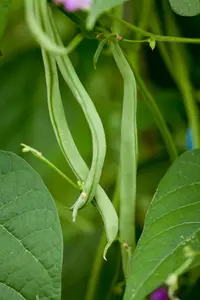
Pole beans are widely considered the single best crop for a vertical vegetable garden. Left unsupported they sprawl everywhere; given a trellis, teepee, or simple pole they twine upward enthusiastically, often reaching eight to ten feet, and need almost no help finding their way - just point the young vine at the support and it takes care of the rest. Climbing peas behave the same way on a smaller scale and are an excellent cool-season counterpart to plant earlier in the year on the same structure.
Cucumbers are outstanding vertical vegetable garden crops. Their natural tendrils grip wire, netting, or lattice readily, and growing them upward keeps the fruit clean, straight, and easy to spot, while dramatically improving air circulation that helps prevent the powdery mildew that so often plagues ground-grown cucumber vines.
Indeterminate (vining) tomatoes are excellent candidates for a vertical vegetable garden, though unlike beans and peas they need to be actively tied to their support as they grow rather than climbing entirely on their own. A sturdy panel trellis, cage, or stake-and-string system keeps tomato vines organized, off the damp ground, and far less prone to the fungal diseases that affect sprawling plants.
Winter squash, pumpkins, and melons can also be grown vertically, though their heavy fruit needs extra support - slings made from old pantyhose, mesh bags, or fabric strips tied to the trellis prevent developing fruit from tearing loose under its own weight as it matures. Smaller-fruited squash varieties are considerably easier to manage vertically than large pumpkin types.
Best crops for a vertical vegetable garden
| Vegetable | Climbing Style | Needs Tying? | Best Structure |
|---|---|---|---|
| Pole beans | Twines naturally; very vigorous | No - self-climbing | Teepee, obelisk, or simple poles |
| Climbing peas | Climbs by tendrils | No - self-climbing | Netting, obelisk, light trellis |
| Cucumbers | Climbs by tendrils | Occasional guiding helpful | Wire/wood trellis, panel trellis, arch |
| Indeterminate tomatoes | Does not climb on its own | Yes - regular tying required | Panel trellis, cage, stake-and-string |
| Winter squash / pumpkins | Sprawling vine; trainable | Yes, plus fruit slings for support | Sturdy arch or heavy-duty panel trellis |
| Melons | Sprawling vine; trainable | Yes, plus fruit slings for support | Sturdy arch or heavy-duty panel trellis |
| Malabar spinach | Twines naturally | No - self-climbing | Light trellis or netting |
What to Plant Underneath: Doubling Up Your Space
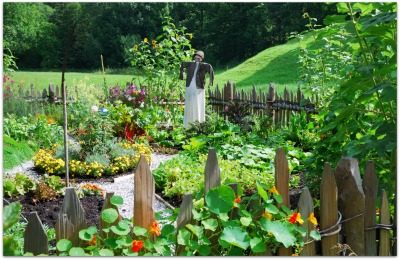
One of the most overlooked advantages of a vertical vegetable garden is what happens underneath the climbing crop. Once beans, peas, or cucumbers are trained upward off the ground, the soil at the base of the trellis becomes valuable real estate that would otherwise be shaded out or trampled by a sprawling vine - and filling it thoughtfully is what truly multiplies the productivity of a vertical vegetable garden.
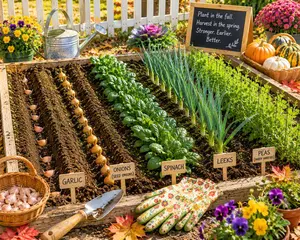
Shallow-rooted, shade-tolerant crops are the best companions for the base of any vertical structure. Lettuce, spinach, and other leafy greens have shallow root systems that do not compete for water and nutrients with the deeper roots of climbing beans or cucumbers, and they actively appreciate the dappled afternoon shade that a tall trellis casts during the hottest part of summer. Radishes are another excellent choice - they mature so quickly that they are often harvested and gone before the climbing crop above has even filled in enough to shade the ground significantly.
Herbs with similarly shallow, undemanding root systems - parsley, chives, and cilantro among them - tuck in neatly at the base of a trellis or obelisk in a vertical vegetable garden and make efficient use of space that would otherwise sit empty. This layered approach, climbing crop above and shallow-rooted crop below, is one of the simplest ways to extract meaningfully more food from the same square footage of garden.
Positioning and Sunlight for a Vertical Vegetable Garden

Correct positioning is essential to getting full value from a vertical vegetable garden, because a trellis or arch placed in the wrong spot can shade out everything around it instead of simply adding growing space.
Most vegetables, climbing or otherwise, need six to eight hours of direct sunlight to produce well, so choose a structure location that gets full sun for as much of the day as possible. Orienting a flat trellis or panel to face south, or toward the midday and afternoon sun, captures the most light for the climbing crop while also allowing the structure to absorb heat during the day that radiates gently back to nearby plants overnight, slightly speeding growth.
Think carefully about the shadow a tall structure will cast as the sun moves through the day. A vertical vegetable garden trellis placed on the north side of a bed, running east to west, generally throws its shadow away from the bed rather than across it, protecting shorter companion crops from being shaded out.
Placed in the wrong orientation, the same structure can rob neighboring plants of hours of light they need. A few minutes spent observing how shadows fall across your garden at different times of day before installing a permanent structure saves a great deal of disappointment later.
Training and Tying Plants in a Vertical Vegetable Garden
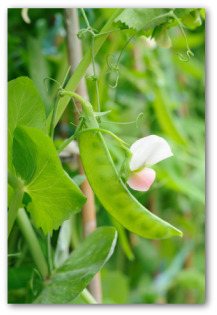
Some crops in a vertical vegetable garden climb almost entirely on their own, while others need regular hands-on guidance to stay on their support. Knowing which is which - and developing a simple weekly habit of checking and tying - keeps the whole system tidy and productive through the season.
Self-climbing crops like pole beans, peas, and cucumbers use tendrils or twining stems to grip their support and generally just need to be pointed in the right direction when young. Gently lean the first few inches of a new seedling toward the trellis or pole, and once a tendril makes contact it will grip on its own and continue climbing with little further intervention, beyond an occasional nudge if a shoot wanders off in the wrong direction.
Non-climbing crops like indeterminate tomatoes need to be actively tied to their support as they grow, since they have no natural climbing mechanism of their own. Soft garden twine, strips of cloth, or reusable garden tape work well - tie loosely in a figure-eight pattern that allows the stem room to thicken without being constricted as the plant grows. Check tomatoes and other tied crops in a vertical vegetable garden every few days during peak growth, since stems can lengthen six inches or more in a single week of warm weather and quickly outgrow their last tie point.
Heavy fruit or vegetables on a vertical vegetable garden structure - winter squash, melons, and large pumpkins in particular - often needs individual support beyond the main trellis. A simple sling made from netting, mesh bags, or even old pantyhose, tied to the structure and cradling the developing fruit, prevents the weight from tearing the fruit loose from the vine before it is ready to harvest.
Watering and Feeding in a Vertical Vegetable Garden

Plants grown vertically often need slightly more attention to watering and feeding than the same crops sprawling on the ground, simply because more of their leaf surface is exposed to drying wind and sun, and because the base of a tall trellis can dry out faster than open soil.
Water at the base of the plant rather than overhead wherever practical, since wetting foliage that is already lifted into open, airy conditions provides little benefit and can still encourage fungal problems on susceptible crops like cucumbers and tomatoes. Most vining vegetables in a vertical vegetable garden need about one to two inches of water per week, adjusted upward during hot, dry, or windy spells when exposed foliage loses moisture more quickly than it would lower to the ground.
Feeding needs are generally similar to growing the same crop horizontally, though the more concentrated planting often used at the base of a trellis or obelisk can deplete soil nutrients a little faster. A generous application of compost at planting time, followed by a balanced organic fertilizer as flowering begins, supports strong growth and good fruit set throughout the season in most vertical vegetable garden setups.
Vertical Vegetable Gardening in Small Spaces and Containers
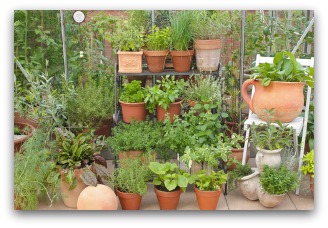
A vertical vegetable garden is especially valuable for gardeners working with a patio, balcony, or other small footprint where there is simply no room for sprawling vines at all. Almost every technique described above scales down neatly into a container setting.
A large container with a small trellis or obelisk inserted directly into the pot lets you grow cucumbers, peas, or compact pole bean varieties on even the smallest balcony. Choose a container of at least ten gallons for vigorous climbers, since a small pot dries out quickly and cannot support the root system a productive vining plant needs over a full season.

Wall-mounted trellis panels are another excellent small-space solution. A simple lattice or wire panel secured to a sunny wall or fence with sturdy hooks supports pots of herbs, lettuce, and trailing crops at multiple heights, effectively turning a flat vertical surface into productive growing space without using any floor area at all. Hanging planters and tiered shelving achieve a similar effect for shallow-rooted crops like strawberries, lettuce, and herbs.
For gardeners specifically working with raised beds, see our complete raised bed vegetable gardening guide and our square foot gardening guide for additional ways to combine vertical structures with intensive bed layouts - the two approaches work extremely well together, since a vertical vegetable garden frees up exactly the kind of horizontal space that square foot gardening is designed to use efficiently.

Common Mistakes in a Vertical Vegetable Garden

A few predictable mistakes account for most of the disappointment gardeners experience when they first try growing vertically, and avoiding them up front makes the whole project go much more smoothly.
Under-building the structure is the most common error. A flimsy trellis that looks adequate when bare often buckles or topples once it is carrying the full weight of a mature cucumber vine or a tomato plant loaded with fruit, especially in wind. Build or buy sturdier than you think you need, and anchor freestanding structures like obelisks and teepees firmly into the soil so they cannot tip over under load.
Placing the structure where it shades out other crops is another frequent oversight. A tall trellis or arch positioned without considering the path of the sun through the day can throw unwanted shade across an entire bed of sun-loving vegetables. Think through shadow patterns before installing anything permanent, and favor placements along the north edge of a bed running east to west wherever possible.
Choosing the wrong crop for the structure causes problems too. A flimsy bamboo teepee asked to support a heavy winter squash, or a delicate wall panel asked to hold a vigorous indeterminate tomato, will struggle regardless of how well it is built. Match plant vigor and fruit weight to structure strength from the start, and add fruit slings for any heavy-fruited crop grown vertically.
Forgetting to plan for harvest access is a smaller but real annoyance. A vertical vegetable garden arch or panel positioned too close to a path or fence can make it awkward to reach in and harvest from the back side. Leave enough working space on at least one side of any structure so picking remains easy all season long.
Frequently Asked Questions About Vertical Vegetable Gardens

1. What is the easiest vegetable to grow in a vertical vegetable garden?
Pole beans are the easiest crop for a first vertical vegetable garden. They climb almost entirely on their own with no tying required, grow vigorously, and produce abundantly on even a simple bamboo teepee or a few poles pushed into the ground. Climbing peas and cucumbers are nearly as straightforward and make excellent next choices.
2. How tall should a vertical vegetable garden trellis be?
Most general-purpose trellises for cucumbers, beans, and peas work well at five to six feet tall, which accommodates the typical mature height of these crops while remaining easy to reach for harvesting. Vigorous pole bean varieties and some cucumber types can reach eight feet or more given the chance, so a taller structure extends the productive season for these crops if height is not a constraint.
3. Can tomatoes be grown in a vertical vegetable garden?
Yes, particularly indeterminate (vining) tomato varieties, which continue producing new growth all season and benefit enormously from being lifted off the ground onto a sturdy panel trellis, cage, or stake-and-string system. Unlike beans and peas, tomatoes do not climb on their own and need to be tied to their support regularly throughout the season.
4. Do I need to buy expensive equipment for a vertical vegetable garden?
No. Some of the most effective vertical vegetable garden structures cost very little or nothing at all - a bamboo teepee built from canes you already have, a simple frame of scrap wood and chicken wire, or a few sturdy poles pushed into the ground. Elaborate purchased trellises and arches are attractive additions, but a productive vertical vegetable garden does not require them.
5. How much more food can I grow with a vertical vegetable garden compared to growing on the ground?
While the exact increase depends on the crop and structure, many gardeners report doubling or even tripling their usable growing space by training vining and sprawling crops upward instead of letting them spread across the ground, simply because the freed-up soil underneath and around the structure becomes available for additional plantings of shorter, shallow-rooted crops.
More Vegetable Gardening Guides

Return to our Planning a Vegetable Garden hub for complete guides to garden design, layout, raised beds, containers, and planning tools.
- Planning a Vegetable Garden — complete hub for garden design, layout, raised beds, containers, and planning tools

Recent Articles


-
How to Grow Cabbage
Sep 15, 26 12:33 PM
 How to Grow Cabbage: The Complete Guide from Seed to Harvest. This complete guide covers everything you need to know about how to grow cabbage.
 -
Easiest Vegetables to Grow: 15 Foolproof Crops for Beginners
Sep 15, 26 09:24 AM
 Easiest vegetables to grow for beginners - with advice on what makes each one easy, how to get started, and which vegetables are harder than they look.
 -
How to Grow Green Beans
Sep 14, 26 07:53 PM
 How to Grow Green Beans: The Complete Guide to Bush and Pole Beans. Green beans are one of the most forgiving crops a beginner can choose.
 -
Seasonal Vegetable Garden
Sep 14, 26 05:38 PM
 Seasonal Vegetable Garden — Growing Food Through Every Season
 -
Overwintering Vegetables: Fall-Planted Crops for Early Spring Harvest
Sep 14, 26 05:35 PM
 Learn about overwintering vegetables like garlic, fava beans, and onions, planted in fall to sit through winter and reward you with an early spring harvest.
 -
Free Vegetable Garden Journal— Printable Downloads for Home Gardeners
Sep 14, 26 01:51 PM
 Download our free Vegetable Garden Journal — choose a full 16-page version or simpler 7-page journal. Track planting, harvest, & garden notes season by season.
 -
Free Vegetable Garden Cut and Paste Activities for Kids Ages 5-7
Sep 12, 26 09:13 PM
 Free printable vegetable garden cut and paste activities for kids ages 5-7. Build your own garden, match seeds to plants, and learn what grows where.