- Home
- Growing Herbs in the Garden
- Growing Fennel
Easy Tips for Growing
Fennel Yourself
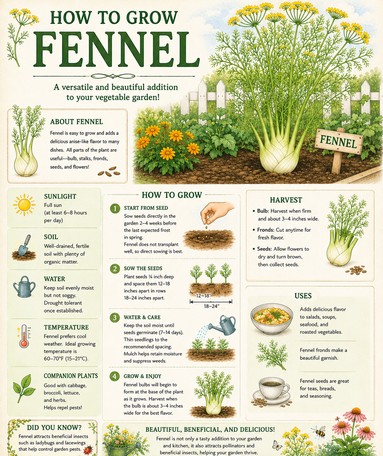
Easy tips for growing fennel in a backyard vegetable garden, or herb garden.
Learn how to plant, care for, and harvest fennel leaves and seeds.
Design Your Own Vegetable Garden Layout Using our Free "Vegetable Garden Planner" Software!
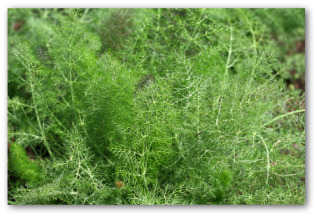
Fennel is a grayish-green, strong-smelling perennial with slims stems that grow up to six feet, which bear soft lacy, dark green leaves.
Creeping rootstock slowly extends plants into sparse clumps.
Small mustard-yellow flowers appear in summer, followed by egg-shaped seedpods.
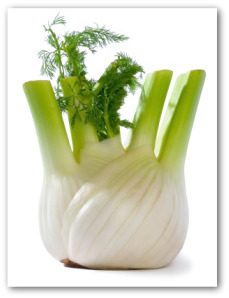
Fennel is a dramatic and beautiful herb with a distinctive anise flavor and tall, feathery foliage that attracts butterflies throughout the season.
Remember to keep it isolated from most vegetables, as it can inhibit the growth of neighboring plants.
This page is part of our Growing Herbs in the Garden hub, where you will find growing guides for fennel and all the other major culinary herbs.
Growing Herbs in the Garden — complete hub for all our herb growing guides, container herb tips, and companion planting information
Past & Present Uses of the Fennel Plant and Seeds
 Adding herbs to a vegetable garden brings many benefits.
This plant was considered a sacred herb by the Anglo-Saxons, used often by ancient Greeks and throughout the Middle Ages.
Roots were once boiled as a vegetable, and frequently used as an expectorant in cough medicines.
Dried stalks of fennel are an essential ingredient of Provencal cuisine.
Download Free Garden Planning Worksheets, Garden Diary, Zone Chart, Or Planting Guide
Soft tips of fennel are most often used to flavor and garnish soups, fish dishes, and baked goods.
Fennel tea is an effective treatment for colic and indigestion.
It is also a popular flavoring for liqueurs and as a scent for cosmetics and soaps.
Oil produced from the seeds is antibacterial.
In warmer regions, fennel attracts swallowtail butterflies.
- The growing tips of fennel are used fresh or dried in early summer.
- Fennel leaves and stems may be cropped several times before flowering.
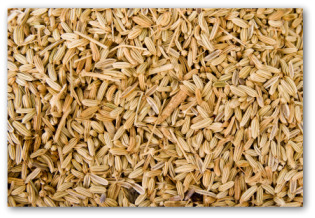
- Seeds from seed-heads are cut in the fall before fully mature and dried.
- Fennel roots are dug in autumn and dried slowly.
A related species, sweet fennel is an annual cropped from the wild for its oils and cultivated as a vegetable for its juicy, swollen stem base.
Growing Fennel
- For lavish growth, light, moist soils are best for growing fennel.
- Winter rain may remove large amounts of lime and nutrients each year.
- Be prepared to feed or compost the soil annually.
- Divide roots in spring and plant in a warm, sunny location.
- You can alternatively sow seeds in spring or summer, either in pots or in-ground 20 inches apart.
- Wet clay soil always benefits from some improvements to open its texture and speed drainage.
- Although, fennel usually copes well with heavy soils, especially if the surface is mulched in summer to prevent drought and cracking.
Vegetable Gardening Tips for Growing Fennel
- Transplant fennel plants while still young because roots become long and tough.
- Water the growing fennel well in dry weather.
- The plant self-seeds freely, so dead-head if seeds are not needed.
- Growing fennel plants become congested and exhausted after 3-4 years, and are then best replaced.
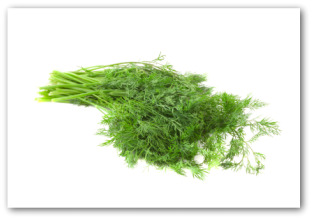
- Avoid growing fennel near dill.
- These two species cross-fertilize readily to produce useless hybrids.
Planting a Small Border of Fennel
Herbs for the back layer that are 3 feet and upwards include perennials: angelica, Artemisia, elecampane, rosemary, sweet cicely, and fennel.
Herbs that need warmer conditions do well when planted along the base of a brick wall facing the sun, which remains warm even after nightfall.
Growing your favorite salad ingredients together in a separate bed creates an attractive miniature garden that can be harvested easily.
It only takes a few minutes to gather leaves of various lettuces, dandelion, lemon balm, and fennel for a connoisseur's salad.
Fennel Gripe Water
Used occasionally to aid digestion and soothe colicky babies, this gripe water is gently effective for babies, children, and adults.
Use 1 teaspoon of fennel seeds to 1-¼ cups water.
For a small child, after making, dilute the infusion with 2 parts water to 1 part gripe water.
It may be ingested warm or cold.
Crush the fennel seeds. Cover with boiling water. Leave to steep for about twenty minutes.
Strain the brew. Discard the fennel seeds.
Back To Top
For a complete guide to the best companion plants for basil — including which vegetables and herbs help basil thrive, repel pests, and produce its best flavor — visit the Old Farmer's Almanac at almanac.com.
Old Farmer's Almanac — Basil Companion Plants — which vegetables and herbs grow best with basil and how to use basil to protect your garden from pests

Recent Articles


-
How to Grow Cabbage
Sep 15, 26 12:33 PM
 How to Grow Cabbage: The Complete Guide from Seed to Harvest. This complete guide covers everything you need to know about how to grow cabbage.
 -
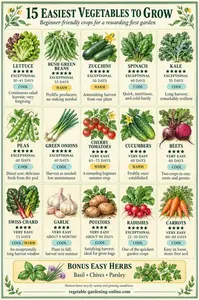
Easiest Vegetables to Grow: 15 Foolproof Crops for Beginners
Sep 15, 26 09:24 AM
 Easiest vegetables to grow for beginners - with advice on what makes each one easy, how to get started, and which vegetables are harder than they look.
 -
How to Grow Green Beans
Sep 14, 26 07:53 PM
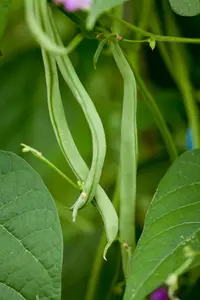
 How to Grow Green Beans: The Complete Guide to Bush and Pole Beans. Green beans are one of the most forgiving crops a beginner can choose.
 -
Seasonal Vegetable Garden
Sep 14, 26 05:38 PM
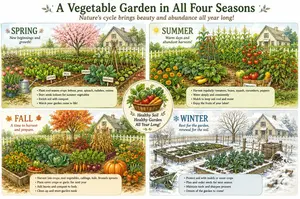
 Seasonal Vegetable Garden — Growing Food Through Every Season
 -
Overwintering Vegetables: Fall-Planted Crops for Early Spring Harvest
Sep 14, 26 05:35 PM
 Learn about overwintering vegetables like garlic, fava beans, and onions, planted in fall to sit through winter and reward you with an early spring harvest.
 -
Free Vegetable Garden Journal— Printable Downloads for Home Gardeners
Sep 14, 26 01:51 PM
 Download our free Vegetable Garden Journal — choose a full 16-page version or simpler 7-page journal. Track planting, harvest, & garden notes season by season.
 -
Free Vegetable Garden Cut and Paste Activities for Kids Ages 5-7
Sep 12, 26 09:13 PM
 Free printable vegetable garden cut and paste activities for kids ages 5-7. Build your own garden, match seeds to plants, and learn what grows where.