- Home
- Seasonal Gardens
- Cold Frame Garden
Cold Frame Vegetable Garden: The Complete Guide to Year-Round Growing

A cold frame vegetable garden is one of the most effective and affordable investments a home food grower can make.
Cold frame vegetable gardening extends your productive growing season by two to three months - both in spring, by allowing you to plant weeks before the last frost, and in autumn, by protecting your crops well past the first killing frost.
For gardeners who want to harvest fresh food as early as possible and as late as possible each year, a cold frame garden is the single most practical tool available.
According to The Old Farmer's Almanac, a cold frame vegetable garden can keep temperatures inside 10 to 25 degrees Fahrenheit warmer than the open air, depending on the weather and the construction of the frame.
This simple temperature difference is enough to transform a three-season garden into a four-season one in most climates, and to allow genuinely year-round growing in milder zones.
This guide covers everything you need to know - what a cold frame is, how to build one, what to grow in it, how to manage it through the seasons, and how to get the maximum benefit from your cold frame vegetable garden.
Source: The Old Farmer's Almanac - How to Build and Use a Cold Frame
A cold frame is one of the most practical investments you can make in your seasonal vegetable garden — it extends both ends of the growing season and protects crops from frosts that would otherwise end the harvest.
This page is part of our Seasonal Vegetable Garden hub, where you will find guides for growing through all four seasons and a complete list of cold-hardy vegetables that thrive in and around cold frame conditions.
Seasonal Vegetable Garden — complete hub for spring, summer, fall, and winter vegetable gardening guides

What Is a Cold Frame Vegetable Garden?
A cold frame is a simple, bottomless box with a transparent lid - usually glass or polycarbonate plastic - that sits directly over a garden bed or on the ground.
The transparent lid lets sunlight in to warm the air and soil inside, while the solid sides and lid trap that warmth and protect the plants from wind, frost, rain, and snow.
The result is a micro-climate that is significantly warmer than the surrounding garden.
The concept of a cold frame vegetable garden is centuries old - medieval monks used stone-sided frames with glass covers to extend the growing season for herbs and salad crops.
Modern cold frames work on exactly the same principle. Unlike a greenhouse, a cold frame requires no heating, no electricity, and very little infrastructure.
It is passive solar technology at its simplest - using nothing but the sun's energy to create a protected growing envi

Gardeners who use a cold frame vegetable garden effectively describe it as moving their garden approximately one and a half growing zones to the south.
A Zone 5 garden with a cold frame can grow crops as if it were Zone 6 or 7 through the coldest months of the year.
Fine Gardening describes a cold frame with a glass top as the easiest and most economical way to achieve a twelve-month growing season.
The difference between a three-season garden and a genuinely productive cold frame vegetable garden is often just a few pieces of lumber and an old window.
The Benefits of a Cold Frame Vegetable Garden

A cold frame vegetable garden delivers benefits across every season, not just in the depths of winter.
Understanding all the ways a cold frame can be used helps you get maximum value from a very simple structure.
In early spring, a cold frame vegetable garden allows you to plant four to six weeks before your last frost date.
Lettuce, spinach, arugula, radishes, peas, and other cool-season crops can be sown while outdoor temperatures are still too cold for open-ground planting.
The cold frame warms the soil, protects from late frosts, and gives you some of the earliest fresh harvests possible in your area.

In late spring, a cold frame vegetable garden becomes an invaluable hardening-off station.
Seedlings started indoors under grow lights are not accustomed to outdoor conditions - wind, direct sun, and temperature fluctuations can cause serious transplant shock if seedlings go straight from a warm house to the open garden.
A cold frame allows you to move seedlings outdoors gradually, with the lid propped open progressively wider each day, until they are fully acclimatized.
This simple step significantly improves transplant survival rates and early establishment.
In autumn, a cold frame vegetable garden extends your harvests weeks or months past the first frost date.
Crops that would be killed by an October frost continue producing in a cold frame through November and often into December.
In milder climates or with the right crops, a cold frame vegetable garden provides continuous harvests right through winter.
In northern gardens, cold frames allow greens to overwinter in dormancy and resume growth very early in spring, providing some of the first fresh food of the new season.
Summary of cold frame vegetable garden benefits by season
| Season | How a Cold Frame Vegetable Garden Helps | Typical Benefit |
|---|---|---|
| Late winter / Early spring | Start cold-season crops 4-6 weeks before last frost; warm soil for early sowing | First harvests 4-6 weeks earlier than open garden |
| Mid spring | Harden off indoor seedlings; protect from late frost; start summer transplants | Better transplant survival; reduced transplant shock |
| Summer | Raise tender seedlings; start autumn brassica transplants; prop lid fully open | Earlier autumn crops; useful propagation space |
| Early autumn | Protect existing crops from early frosts; extend summer season | Summer crops producing 3-4 weeks longer |
| Late autumn / Winter | Protect cold hardy vegetables through hard frosts; maintain winter greens harvest | Fresh harvests through December and beyond |
How to Build a Cold Frame Vegetable Garden

Building a cold frame vegetable garden is one of the most satisfying weekend projects a home gardener can take on.
The materials are inexpensive, the construction is straightforward, and the results last for years.
The classic cold frame design requires no power tools, no special skills, and can often be built largely from materials you already have.
The standard cold frame vegetable garden design is a rectangular bottomless box with sloped sides - taller at the back than the front.
The slope serves two purposes: it sheds rain and snow, and it angles the transparent lid toward the south to capture the maximum amount of winter sunlight.
A typical cold frame is 12 inches tall at the back and 8 inches tall at the front, creating a gentle slope.
The width should match whatever glazing material you are using for the lid - if you are using an old window, build the frame to fit the window.

Cold frame materials: what to use and what to avoid
| Part of Frame | Best Materials | What to Avoid |
|---|---|---|
| Sides / Box | Untreated cedar or redwood (most popular); galvanised steel panels; concrete blocks; thick polycarbonate; repurposed scaffold boards | Treated lumber with arsenic-based preservatives (CCA); painted or stained wood that may leach chemicals; flimsy thin wood that warps |
| Lid / Cover | Old window panes (free and excellent); twin-wall polycarbonate panels (lighter and safer than glass); heavy-duty clear plastic sheeting over a frame | Single-pane glass in cold climates (condensation freezes; loses heat fast); opaque materials (plants need light); anything that traps excessive heat in summer |
| Hinges / Hardware | Galvanised or stainless steel hinges; simple chain or prop to hold lid open | Bare steel (rusts quickly outdoors) |
Step-by-step cold frame vegetable garden construction
- Measure your glazing first. If you are using a salvaged window or polycarbonate panel, measure it before building anything. Cut the frame to fit the cover, not the other way around.
- Cut the side boards. For a standard frame, cut two long boards (front and back) and two short boards (sides). The back board should be 4 inches taller than the front board to create the slope. Standard dimensions: 4 feet wide by 3 feet deep works well for most cold frame vegetable gardens.
- Angle the side boards. Cut the top edge of each side board at an angle so the lid rests flat from the taller back to the lower front. The angle matches the difference in height between front and back divided by the depth of the frame.
- Assemble the box. Join the four boards at the corners with galvanised screws. Pre-drill to prevent splitting. The finished box should be solid and square.
- Attach the lid. Hinge the glazing to the top of the back board. Use two strong hinges for a full-size window lid. The lid should open fully to allow ventilation and harvesting access.
- Add a prop or chain. Attach a chain or wooden prop to hold the lid at different heights for ventilation. This is one of the most important features of a functional cold frame vegetable garden.
- Position facing south. Place the finished cold frame with the lid sloping toward the south to maximise solar gain. Even a slight southward orientation makes a meaningful difference to temperatures inside.
What to Grow in a Cold Frame Vegetable Garden

A cold frame vegetable garden is most productive when planted with crops that genuinely benefit from the protected environment.
Cool-season crops that appreciate the extra warmth in spring and the frost protection in autumn are the natural fit. Warm-season crops can be started in a cold frame but need the lid removed entirely in summer - they will overheat quickly if left enclosed in warm weather.
The best crops for a cold frame vegetable garden are salad greens, hardy vegetables, and root crops that continue producing or storing quality through cold conditions.
Lettuce, spinach, arugula, mache (also known as lambs lettuce), and Asian greens are ideal as they thrive in exactly the cool-but-not-freezing conditions that a cold frame maintains.
They can be sown directly in the frame in late winter for early spring harvests, or in late summer for autumn and winter production.

Root vegetables already growing in the garden bed can be extended significantly by placing a cold frame over them as temperatures drop in autumn.
Carrots, beets, leeks, and turnips that would otherwise need to be harvested before a hard freeze can remain in the ground, protected and harvesting-fresh, for weeks or months longer under a cold frame.
This is one of the simplest and most practical cold frame vegetable garden applications for any gardener.let
Best crops for a cold frame vegetable garden
| Crop | When to Use Cold Frame | What the Cold Frame Provides | Notes |
|---|---|---|---|
| Lettuce | Late winter; late autumn | 4-6 week head start in spring; frost protection in autumn | Sow direct in frame; harvest outer leaves continuously |
| Spinach | Late winter; overwinter | Very early spring harvest; winter survival in colder zones | Overwinter under frame for one of the first spring harvests |
| Arugula | Late winter; late autumn | Fast early crop; extends autumn season significantly | Grows very quickly; succession sow every 3 weeks |
| Mache / Corn salad | Autumn through winter | Continued production through very cold weather | Most cold-tolerant salad green; ideal for winter cold frame |
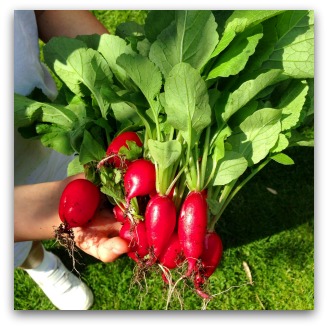
| Radishes | Late winter; late autumn | Earliest spring harvest possible; late autumn extension | Ready in 25 days; excellent first crop of the season |
| Asian greens | Late summer through winter | Fast production; excellent cold frame performance | Bok choy, tatsoi, mizuna all excellent cold frame crops |
| Kale | Autumn through winter | Extends production; protects from very hard freezes | Already cold hardy; cold frame pushes it through severe winter |
| Carrots (in ground) | Late autumn through winter | Keeps roots harvestable through hard frost | Place frame over existing carrot bed as temperatures drop |
| Parsley and chives | Autumn through winter | Extends fresh herb harvest through cold months | Both very cold hardy under cold frame protection |
| Broccoli and cabbage seedlings | Late winter / early spring | Start transplants 4-6 weeks before outdoor planting | Start in cold frame; transplant outside when ready |
Managing Your Cold Frame Vegetable Garden: Temperature and Ventilation
Managing temperature and ventilation is the most important skill in cold frame vegetable gardening.
The same feature that makes a cold frame so useful - its ability to trap heat - can also kill plants if not managed carefully.
On sunny days, even in winter, the temperature inside a cold frame vegetable garden can rise dramatically.
Lettuce, spinach, and most other cold frame crops are damaged by temperatures above 75 to 80 degrees Fahrenheit - which is easily reached inside a glass-lidded frame on a clear February day.
The solution is ventilation - propping the lid open to allow excess heat to escape.
The lid prop or chain you attached during construction is the most important management tool in your cold frame vegetable garden.
- On mild sunny days, prop the lid open a few inches.
- On warm days, open it fully.
- Only close the frame entirely when frost is forecast at night.
This daily opening and closing sounds like more work than it is - it takes thirty seconds - and becomes a natural part of the garden routine.

A simple maximum-minimum thermometer placed inside your cold frame vegetable garden tells you exactly what conditions your plants are experiencing.
This small investment removes all the guesswork and allows you to make informed ventilation decisions.
You will quickly learn how your frame responds to different weather conditions and develop a reliable sense of when to open and when to close without needing to check the thermometer every time.
Automatic vent openers are available for cold frame lids and are one of the best upgrades you can make to a cold frame vegetable garden.
These simple devices use a heat-sensitive wax cylinder to push the lid open automatically when temperatures rise above a set point, and close it again as temperatures cool.
They are inexpensive, require no electricity, and solve the overheating problem entirely for gardeners who cannot monitor the frame during the day.
Cold Frame Vegetable Garden:
The Four-Season Calendar
A cold frame vegetable garden is most productive when used strategically across all four seasons rather than just in autumn and winter.
Here is how to use your cold frame vegetable garden to maximum effect through the entire year.
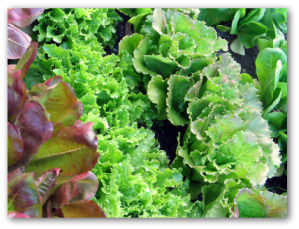
In late winter and early spring, the cold frame vegetable garden wakes up weeks before the open garden.
As soon as days begin to lengthen in February or March, sow radishes, lettuce, spinach, arugula, mache, and Asian greens directly in the frame.
The combination of lengthening days and the warmth trapped by the frame creates ideal growing conditions for cool-season crops.
By the time the last frost date arrives and the open garden can be planted, you will already be harvesting from your cold frame vegetable garden.
In mid spring, use the cold frame vegetable garden as a hardening-off station for indoor seedlings.
Begin by setting transplants in the closed frame for a few hours, then progressively increase their exposure over seven to ten days by propping the lid further open each day.
By the end of this process, plants are ready for the open garden without transplant shock.
Once the hardening-off period is over and warm weather arrives, the cold frame can be propped fully open as a wind shelter for young transplants.
In summer, the cold frame vegetable garden is most useful for starting autumn transplants. In July and August, sow broccoli, cabbage, kale, and other autumn brassicas in the cold frame where the controlled environment helps seeds germinate reliably even in summer heat.
Transplant them to the open garden when they reach the right size.
In autumn and winter, the cold frame vegetable garden comes fully into its own as a production tool.
Close the frame over existing cold hardy crops as temperatures drop, and sow new crops of fast-maturing greens for a continuous winter harvest.
A well-planted cold frame vegetable garden can provide fresh salad leaves, spinach, arugula, and herbs through the coldest months of the year.
Cold Frame Vegetable Garden:
DIY Options and Alternatives
One of the great attractions of a cold frame vegetable garden is the wide range of ways it can be built and adapted.
You do not need to spend a lot of money to get the benefits of cold frame growing.
Some of the most effective cold frame vegetable gardens are built entirely from salvaged or low-cost materials.

The most popular free or low-cost approach is to find old window panes and build a wooden box to fit them.
Single, double, or triple windows removed from house renovations are ideal - they are the right size, already glazed, and usually available for free from building salvage yards, online classifieds, or neighborhood giveaways.
A simple cedar box built to fit a salvaged window creates a cold frame vegetable garden that will last decades and performs as well as any purpose-built frame.
Straw bales arranged in a rectangle with a clear plastic sheet stretched across the top make a surprisingly effective cold frame vegetable garden for larger growing areas.
The straw provides excellent insulation, the plastic admits light, and the whole structure can be assembled and disassembled without any tools. It is not beautiful, but it works.
Commercial cold frame kits are available from garden suppliers at a wide range of price points.
The best combine aluminum or powder-coated steel frames with twin-wall polycarbonate glazing - lighter than glass, equally effective, and much safer.
Purpose-built cold frames often have built-in ventilation systems, prop arms, and integrated drainage. They are a good investment for gardeners who want a neat, ready-made solution.
Cold frame vegetable garden options compared
| Type | Approximate Cost | Lifespan | Best For |
|---|---|---|---|
| Salvaged window + DIY cedar box | $0-30 (wood cost only) | 10-20 years | Budget gardeners; those who enjoy DIY |
| New cedar frame + polycarbonate lid | $50-100 | 10-15 years | Good balance of cost, performance and appearance |
| Straw bale + plastic sheet | $20-40 | 1-2 seasons | Large areas; temporary use; very cold climates needing extra insulation |
| Commercial aluminium/polycarbonate kit | $60-150 | 10-20 years | Neat appearance; no building required; built-in ventilation |
| Cinder block + old window | $10-30 | Indefinite | Permanent installation; excellent insulation from block walls |
Common Cold Frame Vegetable Garden Mistakes

A cold frame vegetable garden is forgiving and simple, but there are a handful of common mistakes that reduce its effectiveness. Knowing these in advance saves the disappointment of discovering them through trial and error.
Forgetting to ventilate on sunny days is the most serious and most common cold frame vegetable garden mistake. Even in January, a closed frame in direct sunshine can reach temperatures that stress or kill plants within hours. Always check the forecast the night before and prop the lid on any day that looks to be clear and mild. An automatic vent opener eliminates this risk entirely.
Placing the cold frame in a shaded position is a design error that undermines the whole purpose. A cold frame vegetable garden depends on solar gain to generate warmth. A frame placed under a tree or in the shadow of a building will be barely warmer than the open air. Always choose the sunniest available position, oriented to face south.
Not preparing the soil inside the frame is another missed opportunity. The soil inside a cold frame vegetable garden should be the best soil in your garden - loose, rich, and well-drained, so plants can grow quickly during the limited growing windows that early spring and winter provide. Work generous amounts of compost into the bed before using the frame, and top up with fresh compost each season.
Trying to grow warm-season crops in a cold frame through summer is a misuse of the tool. Tomatoes, peppers, and cucumbers need the lid removed entirely and effectively just an open box - at which point the cold frame provides no benefit over an open bed. These crops are better grown in the main garden. Save the cold frame for the cool-season crops it genuinely helps.
Frequently Asked Questions About
Cold Frame Vegetable Gardening

1. How much warmer is a cold frame vegetable garden than outside?
A well-built cold frame vegetable garden with a glass or twin-wall poly-carbonate lid typically keeps temperatures 10 to 20 degrees Fahrenheit warmer than outside air on a clear day. On overcast winter days the difference is less - perhaps 5 to 10 degrees. With insulation added around the outside of the frame on very cold nights, internal temperatures can stay significantly warmer than outside through hard freezes.
2. Can I grow vegetables in a cold frame all winter?
In Zones 6 and above, a cold frame vegetable garden can provide genuine winter harvests of cold-hardy greens like spinach, mache, arugula, and kale through most or all of the winter months. In Zones 4 and 5, the cold frame extends the season significantly into winter but very cold snaps may still damage crops. Adding extra insulation - hay bales around the outside, old blankets over the lid at night - extends protection further in colder zones.
3. What is the best glazing for a cold frame vegetable garden?
Twin-wall poly-carbonate is widely considered the best all-around glazing material for a cold frame vegetable garden. It is lighter and safer than glass, provides better insulation than single-layer materials, transmits about 80 percent of available light, and lasts 10 or more years. Old window glass works perfectly well and is often free. Single-layer clear plastic sheeting is the least effective option but still provides useful frost protection.
4. Does a cold frame vegetable garden need watering?
Yes - but much less than an open garden. The closed environment reduces evaporation dramatically, and in many climates winter rainfall keeps the soil adequately moist without supplemental watering. Check soil moisture every week or two by pushing a finger an inch into the soil. Water only when the top inch feels dry, and always water in the morning so the soil surface has time to dry before the lid is closed for the night.
5. How big should my cold frame vegetable garden be?
The most practical size for a first cold frame vegetable garden is 4 feet wide by 3 feet deep - large enough to provide a useful harvest while small enough to manage easily. Four feet is the maximum width from which you can reach the back comfortably without stepping inside. Multiple smaller frames are more flexible than one very large one - you can use each for a different purpose at different times of year.
More Vegetable Gardening Guides

The Old Farmer's Almanac at almanac.com has an excellent introduction to vegetable gardening that covers cool-season and warm-season planting, frost dates, and season extension techniques that work alongside cold frame growing — a useful general reference for anyone planning a productive seasonal vegetable garden.
Old Farmer's Almanac — Vegetable Gardening for Beginners — complete introduction to vegetable gardening covering cool and warm seasons, frost dates, and extending the growing season
Extend your growing season further with these related guides from Vegetable-Gardening-Online.com.- Fall Vegetable Garden - The Complete Guide to Autumn Growing
- Cold Hardy Vegetables - Frost-Tolerant Crops for Autumn and Winter
- Raised Bed Vegetable Gardening for Beginners
- No-Dig Vegetable Gardening
- Growing Vegetables from Seed - Complete Guide
- Companion Planting Chart for Vegetables
- Free Interactive Vegetable Garden Planner
- Free Interactive USDA Zone Finder

Recent Articles


-
Small Vegetable Garden Plans: 8 Layouts That Maximise Space
Oct 08, 26 10:41 AM
 Small vegetable garden plans are some of the most searched and most valuable resources in home food growing.
 -
USDA Zone Finder - Find Your Vegetable Planting Dates | Vegetable-Gardening-Online.com
Oct 07, 26 03:53 PM
 Find your USDA hardiness zone, last spring frost date, and first fall frost date by state and region. Free interactive zone finder from Vegetable-Gardening-Online.com.
 -
Interactive Vegetable Garden Planner | Vegetable Gardening Online
Oct 07, 26 02:29 PM
Design a vegetable garden with correctly scaled plant spacing, companion flowers, drag-and-drop placement, and a printable plan. -
Free Printable Garden Stationery: Gardening Letter Paper & Note Cards
Oct 07, 26 12:48 PM
Free printable garden stationery: watercolor letter paper, lined and unlined, plus folded note cards with garden, fall, and Christmas scenes. Print at home. -
Free Preschool Vegetable Garden Cut and Paste Activities
Oct 07, 26 12:43 PM
 Free preschool vegetable garden cut and paste activities for ages 3-4. Build your own backyard, container, or seed packet garden scene, and sticker sheets.
 -
Planning a Vegetable Garden: Layouts, Raised Beds, Containers & More
Oct 06, 26 07:44 PM
 Planning a vegetable garden? Start here: layouts, raised beds, containers, square foot gardening, free planning tools, and tips to avoid beginner mistakes.
 -
How to Start a Vegetable Garden: 10 Easy Steps for Beginners
Oct 06, 26 04:38 PM
 How to start a vegetable garden in 10 easy steps: pick a sunny spot, choose raised beds or containers, prepare the soil, and grow easy vegetables.