- Home
- How to Grow Vegetables
- Easiest Vegetables to Grow
Easiest Vegetables to Grow:
15 Foolproof Crops for Beginners
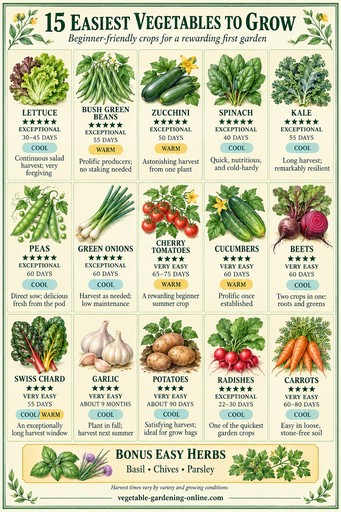 Chart showing the 15 easiest vegetables to grow, ranked by difficulty for beginners
The easiest vegetables to grow share a handful of qualities: they germinate reliably, tolerate minor mistakes, produce generous harvests without constant attention, and reward beginners with results that build confidence fast.
Choosing the easiest vegetables to grow for your first garden - or for a low-maintenance garden at any experience level - is one of the smartest things you can do.
The right starting choices make the difference between a garden that thrives and one that disappoints.This guide gives you the 15 genuinely easiest vegetables to grow, along with honest advice on what makes each one easy, what you need to succeed with it, and the best varieties for beginners. At the end, we also include a short list of vegetables that beginners are often told are easy but which are actually more demanding than their reputation suggests - so you can make informed choices about where to invest your time and energy.
Now that we are "retired", and busier than ever, we stick to the easiest vegetables to grow, keeping it simple and less stressful. We love tomatoes, peppers, and cucumbers from our garden, so have been focusing on these easy to grow and easy to care for vegetables. It helps that one of our friends and neighbors grows a huge garden every year, and keeps us supplied with green beans, corn, and zucchini!
- What Makes a Vegetable Easy to Grow?
- 1. Radishes
- 2. Lettuce
- 3. Bush Beans
- 4. Zucchini
- 5. Spinach
- 6. Kale
- 7. Peas
- 8. Cherry Tomatoes
- 9. Cucumbers
- 10. Beets
- 11. Swiss Chard
- 12. Garlic
- 13. Herbs
- Vegetables That Are Harder Than They Look
- The Best Beginner Vegetable Garden Plan
- Frequently Asked Questions
What Makes a Vegetable Easy to Grow?
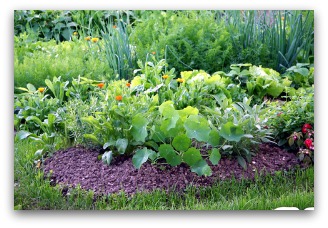 Small raised bed garden layout beautifully designed for growing easy beginner vegetables.
Not every "easy" list means the same thing. Some vegetables are easy to germinate but demand a lot of ongoing care. Others are slow and boring but bulletproof. To qualify as one of the genuinely easiest vegetables to grow, a crop should tick most of these boxes:
- Reliable germination - seeds sprout quickly and consistently without fuss
- Fast results - gives you something to harvest within weeks, not months, building confidence
- Forgiving of minor mistakes - tolerates irregular watering, imperfect soil, and beginner errors without dying
- Low pest and disease pressure - does not require pesticides or constant vigilance to produce well
- Minimal ongoing care - does not need frequent pruning, staking, feeding, or intervention
- High yield relative to effort - produces enough food to feel worthwhile for the time invested
Every crop on this list of the easiest vegetables to grow meets most of these criteria. According to NC State Cooperative Extension, the easiest vegetables to grow are those that thrive in your local climate, require minimal maintenance, and resist common pests and diseases. Some are fast, some are forgiving, some are both. Use the quick reference table below to match the right easy vegetable to your specific situation.

| Vegetable | Easiness Rating | Days to Harvest | Season | Best For |
|---|---|---|---|---|
| Radishes | ⭐⭐⭐⭐⭐ Easiest of all | 25 days | Cool | First-timers; fastest confidence builder |
| Lettuce | ⭐⭐⭐⭐⭐ Exceptional | 30-45 days | Cool | Continuous salad harvest; very forgiving |
| Green beans (bush) | ⭐⭐⭐⭐⭐ Exceptional | 55 days | Warm | Prolific producers; no staking needed |
| Zucchini | ⭐⭐⭐⭐⭐ Exceptional | 50 days | Warm | Astonishing productivity from one plant |
| Spinach | ⭐⭐⭐⭐⭐ Exceptional | 40 days | Cool | Quick, nutritious, very cold-hardy |
| Kale | ⭐⭐⭐⭐⭐ Exceptional | 55 days | Cool | Year-round productivity; almost indestructible |
| Peas | ⭐⭐⭐⭐⭐ Exceptional | 60 days | Cool | Direct sow; delicious fresh from the pod |
| Green onions | ⭐⭐⭐⭐⭐ Exceptional | 60 days | Cool | Harvest as needed; very low maintenance |
| Cherry tomatoes | ⭐⭐⭐⭐ Very easy | 65-75 days | Warm | Most rewarding beginner summer crop |
| Cucumbers | ⭐⭐⭐⭐ Very easy | 60 days | Warm | Prolific once established; loves warmth |
| Beets | ⭐⭐⭐⭐ Very easy | 60 days | Cool | Two crops in one - roots and greens |
| Swiss chard | ⭐⭐⭐⭐ Very easy | 55 days | Cool/Warm | Longest harvest window of any easy vegetable |
| Garlic | ⭐⭐⭐⭐ Very easy | 9 months | Cool | Plant once; harvest next summer; no care needed |
| Potatoes | ⭐⭐⭐⭐ Very easy | 90 days | Cool | Satisfying harvest; great in grow bags |
| Herbs (basil, chives, parsley) | ⭐⭐⭐⭐⭐ Exceptional | 30 days | Both | Immediate kitchen use; small spaces |
1. Radishes - The Easiest Vegetable to Grow of All
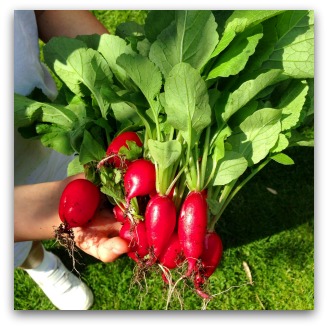 Freshly harvested radishes from the garden.
If you have never grown anything before, start with radishes. They are the undisputed easiest vegetable to grow - and not just for beginners. A radish seed pushed half an inch into moist soil will germinate in three to five days and produce a harvest in as little as 25 days. Nothing in the vegetable garden is faster, easier, or more reliably rewarding for a first-time gardener.
Why radishes are the easiest vegetable to grow
- Germinate in 3-5 days in almost any soil - one of the fastest-germinating vegetables there is
- Ready to harvest in 25-30 days - you get results before doubt sets in
- Need very little space - 16 radishes fit in a single square foot
- Almost no pest or disease problems at this time of year
- Work in raised beds, containers, or directly in the ground
- Can be succession sown every two weeks for a continuous supply all spring and autumn
How to grow radishes
Direct sow seeds half an inch deep, 3 inches apart, in any reasonable soil with good sun. Keep the soil consistently moist - inconsistent watering makes radishes hot and woody. Harvest when the roots are about 1 inch in diameter. Do not leave them in the ground past their prime or they become pithy and unpleasant.
Best varieties for beginners: Cherry Belle (classic round red; 22 days), French Breakfast (longer red and white; 25 days), Watermelon Radish (dramatic pink interior; 60 days - worth growing once you have mastered the basics).
2. Lettuce - Easiest Vegetable for Continuous Salad Harvests
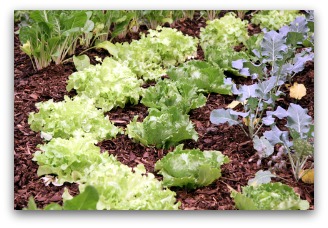
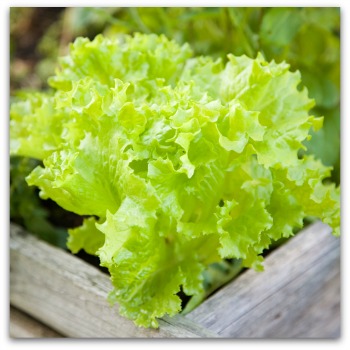 Close-up of loose-leaf lettuce growing in the garden bed.
Lettuce is one of the easiest vegetables to grow and one of the most useful - fresh salad leaves from your own garden taste dramatically better than anything from a supermarket.
Loose-leaf varieties are the easiest to grow because you harvest outer leaves continuously rather than waiting for a full head to form.
Cut a handful of leaves and the plant keeps growing and producing. A single small bed of loose-leaf lettuce varieties can supply a household with fresh salad for months.
Why lettuce is one of the easiest vegetables to grow
- Germinates in 3-7 days even in cool soil - one of the first crops you can sow in spring
- Tolerates partial shade better than most vegetables - ideal for less-than-perfect positions
- Cut-and-come-again harvesting means one sowing feeds you for weeks
- Very quick - first leaves ready in 30 days; full harvest in 45
- Excellent in containers, window boxes, and small spaces as well as beds
- Few serious pest problems in cool weather when it grows best
How to grow lettuce
Sow seeds thinly on the surface of moist soil and barely cover with a dusting of compost. Thin to 6 inches apart when seedlings are 2 inches tall. Begin harvesting outer leaves when they reach 4-6 inches. Water regularly - lettuce in dry soil bolts quickly, turning bitter and going to flower. In summer heat, provide afternoon shade to extend the harvest season. Succession sow every two to three weeks for continuous supply.
Best varieties for beginners: Any mixed loose-leaf variety, Black Seeded Simpson, Oak Leaf, Buttercrunch (slightly slower but excellent flavour).
3. Bush Beans - Easiest Warm Season Vegetable for Beginners
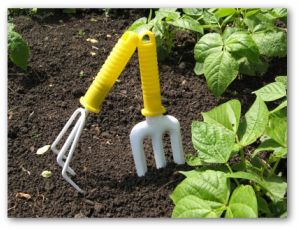 Little bush bean plants growing in the garden.
Bush beans (also called green beans or French beans) are among the easiest vegetables to grow in the warm season, and they produce extraordinary quantities of food for very little effort.
Direct sow the seeds after the last frost, water them in, and within 55 days you will be harvesting more beans than you know what to do with.
Bush beans need no staking, no training, and virtually no maintenance between planting and harvest.
Why bush beans are one of the easiest vegetables to grow
- Sow directly outdoors - no indoor starting needed
- Fast and vigorous - germinate in 5-10 days in warm soil
- No staking or support required - bush varieties stay compact
- Excellent nitrogen fixers - they actually improve your soil for future crops
- Very high yield - a short row of beans produces armloads of pods
- Harvest frequently to keep plants producing all season
How to grow bush beans
Wait until after your last frost date and soil temperature is at least 60°F (15°C). Direct sow seeds 1 inch deep, 4 inches apart. Beans do not like transplanting - always direct sow. Water at planting and keep soil moist until germination. After that, beans are relatively drought-tolerant. Harvest pods when they snap cleanly - before the beans inside swell noticeably. Picking regularly is essential; beans left on the plant too long signal it to stop producing.
Best varieties for beginners: Blue Lake Bush (classic; very productive), Provider (excellent germination even in cool soil; very reliable), Contender (heat and disease tolerant).
4. Zucchini - Most Productive Easy Vegetable in Any Garden
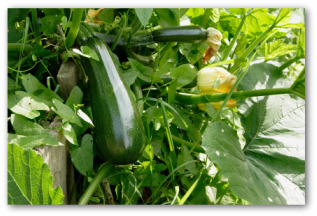 Zucchini plant with a ready-to-pick zucchini.
Zucchini has a legendary reputation among gardeners - and it is entirely deserved.
It is one of the easiest vegetables to grow and almost certainly the most productive plant per square foot in any summer garden.
A single zucchini plant routinely produces 10-20 pounds of fruit through the season.
The running joke among gardeners is that you need to lock your car in July - otherwise neighbors will fill it with zucchini while you are not looking.
Why zucchini is one of the easiest vegetables to grow
- Large seeds germinate quickly and vigorously in warm soil
- Goes from seed to first harvest in just 50 days
- Extremely productive - one or two plants feed a family all summer
- No staking, training, or pruning needed
- Tolerates heat well and grows rapidly in warm summer conditions
- Beautiful large yellow flowers are a bonus - they are edible too
How to grow zucchini
Sow two seeds per position, 1 inch deep, after all frost risk has passed. Thin to one plant per position when seedlings are 3 inches tall. Zucchini needs room - allow at least 3 feet around each plant, or grow a bush variety in a large container. Water consistently at the base; wet foliage encourages powdery mildew. Harvest fruits when they are 6-8 inches long - do not let them grow into marrows or production slows dramatically.
Best varieties for beginners: Black Beauty (classic dark green; very productive), Patio Star (compact; excellent for containers), Yellow Crookneck (fun yellow variety; equally easy).
5. Spinach - Easiest Vegetables to Grow for Quick Nutritious Greens
 Spinach plant growing in the garden.
Spinach is one of the easiest vegetables to grow and one of the most nutritionally valuable.
It germinates in cool soil, grows quickly, tolerates frost beautifully, and provides continuous harvests of tender leaves for weeks on end.
It is the ideal cool-season companion to lettuce and is often the first thing to sprout in a spring garden.
Why spinach is one of the easiest vegetables to grow
- Germinates in soil as cool as 35°F (2°C) - one of the earliest spring sowings possible
- Ready to harvest in 40 days from direct sowing
- Very cold-hardy - survives light to hard frosts and often overwinters
- Harvest outer leaves continuously; the centre keeps producing
- Few pest problems in cool weather
- Grows well in partial shade - excellent for less sunny positions
How to grow spinach
Direct sow seeds half an inch deep, 4 inches apart, as soon as the ground can be worked in spring - or in late summer for a fall harvest. Keep soil consistently moist. Begin harvesting outer leaves when they reach 3-4 inches. Spinach bolts (runs to seed) in heat and long days - it is a cool-season crop, not a summer one. For summer greens, switch to heat-tolerant alternatives like Swiss chard or New Zealand spinach.
Best varieties for beginners: Bloomsdale Long Standing (slow to bolt; very productive), Tyee (bolt-resistant; excellent for spring and fall), Baby Leaf varieties (fast; perfect for container growing).
6. Kale - The Most Indestructible Easy Vegetable
 Kale plants growing in the garden.
Kale has a strong claim to being the most indestructible of all the easiest vegetables to grow.
It tolerates heat, tolerates hard frost, regrows vigorously after being stripped of leaves, and continues producing through conditions that kill most other vegetables.
A well-established kale plant can provide fresh leaves from midsummer right through winter and into the following spring - a single planting that keeps giving for nine months or more.
Why kale is one of the easiest vegetables to grow
- Extremely cold-hardy - survives very hard frosts and often overwinters successfully
- Harvest outer leaves continuously for months from one planting
- Improves in flavour after frost - sweetens dramatically
- Tolerates poor soil better than most easy vegetables
- Minimal pest problems outside of cabbage white butterfly caterpillars (easy to hand pick)
- Works as a background plant in ornamental gardens as well as vegetable beds
How to grow kale
Direct sow or transplant in spring for summer and autumn harvest, or in midsummer for an autumn through spring harvest. Space plants 12 inches apart. Harvest the lowest outer leaves first; leave the growing centre intact. Water consistently - kale tolerates some drought but grows and tastes better with regular moisture. Pick off any caterpillars by hand as you harvest; this keeps plants productive without needing any spraying.
Best varieties for beginners: Dwarf Blue Curled (compact; excellent flavour), Red Russian (flat leaves; less bitter than curly types; excellent raw), Lacinato/Dinosaur Kale (very productive; beautiful dark leaf).
Peas - Easiest Cool-Season Vegetable
to Grow on a Trellis
 Picking fresh peas growing in the garden.
Fresh peas picked and eaten straight from the pod on a cool spring morning are one of gardening's finest pleasures - and peas are one of the easiest vegetables to grow in the cool season.
They are direct sown, fast-growing, cold-tolerant, and require nothing but a simple support to climb on.
The flavor of a garden pea eaten within minutes of picking is completely unlike anything sold in a grocery store.
Why peas are one of the easiest vegetables to grow
- Direct sow outdoors - no indoor starting needed
- Cold-tolerant - sow four to six weeks before last frost when soil is still cool
- Nitrogen-fixing roots improve soil fertility for future crops
- Sugar snap and mangetout types are the easiest - eat pods and all, no shelling needed
- Harvest little and often to keep the plant producing
- Can also be sown in autumn for overwintering in mild climates
How to grow peas
Sow seeds 1 inch deep, 2-3 inches apart, at the base of a simple trellis, fence, or pea sticks (twiggy branches pushed into the ground work perfectly). Peas climb by tendrils and need something to grab onto - even a piece of netting stretched between two canes is enough. Keep soil consistently moist. Harvest peas when pods are plump but before they start yellowing. Pick every two to three days to encourage continuous production.
Best varieties for beginners: Sugar Snap (sweet, crisp, eat whole pod), Oregon Sugar Pod (mangetout; very productive), Alderman/Telephone (tall; excellent yield; needs good support).
8. Cherry Tomatoes - Easiest Tomato and Most Rewarding Summer Crop
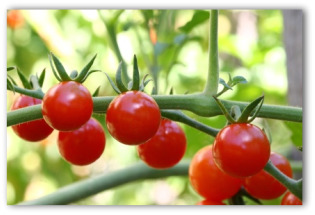 Cherry tomatoes growing on the vine.
Cherry tomatoes belong on any list of the easiest vegetables to grow - not because tomatoes in general are easy (sometimes they are not), but because cherry tomato varieties are significantly more forgiving, more productive, and less demanding than their larger cousins.
A single well-sited cherry tomato plant provides hundreds of sweet fruits all summer and is genuinely one of the most satisfying plants you can grow.
Why cherry tomatoes are one of the easiest tomatoes to grow
- More forgiving of irregular watering than large-fruited varieties
- Less susceptible to blossom end rot and fruit splitting
- Produce prolifically over a very long season - from midsummer through first frost
- Excellent in large containers as well as garden beds
- Children love picking and eating them straight from the plant
- Start from seed indoors 6-8 weeks before last frost, or buy transplants in spring
How to grow cherry tomatoes
Plant in the sunniest spot available after all frost risk has passed. Plant deeply - bury two thirds of the stem to encourage a strong root system. Stake or cage immediately. Water consistently at the base - never overhead. Begin feeding with a high-potassium tomato fertiliser every two weeks once flowers appear. Harvest frequently - picking ripe fruits regularly encourages the plant to keep producing. See our full how to grow tomatoes guide for detailed advice.
Best varieties for beginners: Sungold (orange; extraordinarily sweet; the favourite of most gardeners who try it), Sweet Million (classic red; very productive), Tumbling Tom (compact; excellent in containers and hanging baskets).
9. Cucumbers - Easiest Vegetables to Grow with Impressive Yields
 Cucumber ready-to-pick growing on the vine.
Cucumbers are one of the easiest vegetables to grow in a warm summer garden.
They grow rapidly once the soil is warm, produce generously, and are one of the most refreshing crops to harvest on a hot day.
The key with cucumbers is warmth - they sulk in cold soil and thrive in heat.
Get the timing right and cucumbers are very straightforward.
Why cucumbers are one of the easier vegetables to grow
- Rapid growers once soil is warm - from transplant to first harvest in 60 days
- Very productive - a single plant produces 10 or more cucumbers per season
- Train up a trellis to save space and make harvesting easy
- Excellent in containers with a small trellis
- Few serious pest problems compared to many summer vegetables
How to grow cucumbers
Start indoors 3-4 weeks before the last frost date, or direct sow after the last frost when soil has warmed to at least 65°F (18°C). Cucumbers hate cold - do not rush planting. Train up a trellis or cage for best results; cucumbers grown vertically take up less space and have better air circulation. Water consistently - irregular watering causes bitter fruits. Harvest frequently when fruits reach the desired size.
Best varieties for beginners: Straight Eight (classic slicing; very reliable), Bush Pickle (compact; no trellis needed), Spacemaster (excellent for containers).
10. Beets - Easy Vegetable That Gives You Two Crops in One
 Baby beet plants growing in the garden.
Beets are wonderfully easy vegetables to grow and one of the best value crops in the garden - you get two harvests from a single planting.
The roots are the obvious crop, but the young leaves are delicious in salads and the larger leaves are excellent cooked like spinach.
Beets are fast, low-maintenance, and virtually problem-free.
Why beets are easy vegetables to grow
- Direct sow from early spring - tolerates cool soil
- Ready to harvest in 50-65 days
- Both roots and greens are edible - maximum return from each plant
- Very cold-hardy - can be harvested right through light frosts
- Excellent storage crop - beets keep in the ground for weeks after maturity
- Few serious pest or disease problems
How to grow beets
Beet seeds are actually clusters of several seeds - each one typically produces 2-3 seedlings. Sow 1 inch deep, 3-4 inches apart, thinning to one plant per position after germination. The thinnings are edible. Keep soil consistently moist; irregular watering causes cracked, woody roots. Harvest roots when golf-ball to tennis-ball size for the best flavour and texture. Larger beets become less tender.
Best varieties for beginners: Detroit Dark Red (classic; very reliable), Chioggia (beautiful candy-stripe interior; mild flavour), Golden Beet (yellow; sweet; no staining).
11. Swiss Chard - Easy Vegetable with the Longest Harvest Window
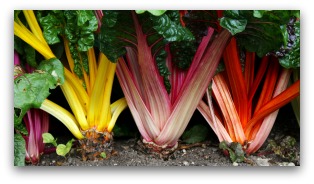 Swiss chard plants growing in the garden.
Swiss chard has the longest productive harvest window of almost any easy vegetable to grow.
A plant started in spring will provide harvests right through summer, autumn, and often into winter - six to eight months of continuous production from a single sowing.
It tolerates heat better than spinach and cold better than most summer crops, making it a genuinely four-season vegetable in most climates.
Why Swiss chard is one of the easiest vegetables to grow
- Extremely long productive season - one sowing provides harvests for six months or more
- Tolerates both heat and cold better than most leafy vegetables
- Cut-and-come-again harvesting - outer leaves removed continuously
- Beautiful coloured stems make it ornamental as well as edible
- Almost no pest problems - one of the most trouble-free easy vegetables to grow
- Works in raised beds, containers, and even flower borders
How to grow Swiss chard
Direct sow or transplant from spring through midsummer. Space 9-12 inches apart. Harvest outer leaves when they are 6-10 inches tall; leave the inner rosette intact to keep producing. Water consistently for the best leaf quality. Swiss chard rarely needs feeding if planted in reasonable soil with compost worked in at planting time.
Best varieties for beginners: Rainbow Chard (mix of red, yellow, orange, white stems; very productive and beautiful), Fordhook Giant (large green leaves; very vigorous), Bright Lights (similar to Rainbow; widely available).
12. Garlic - The Easiest "Plant and Forget" Vegetable
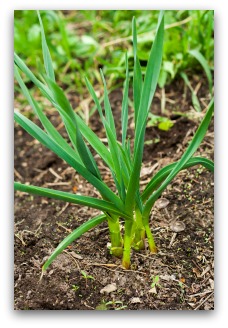 Garlic plants growing in the garden.
Garlic is one of the easiest vegetables to grow precisely because it needs almost nothing from you between planting and harvest.
You push individual cloves into the ground in autumn, cover them with an inch of soil, and nine months later you dig up a full head of garlic.
It grows through winter with no care, no watering, no feeding, and no attention.
Few things in gardening are as satisfyingly effortless.
Why garlic is one of the easiest vegetables to grow
- Plant in autumn and harvest the following summer - nine months of almost zero maintenance
- Fully winter-hardy in almost all climates
- Very few pest or disease problems
- No watering needed through winter; minimal watering through spring
- Homegrown garlic has dramatically better flavour than supermarket garlic
- One bulb planted gives you 8-12 cloves harvested
How to grow garlic
Plant individual cloves pointy end up, 2 inches deep and 6 inches apart, in October or November. Use seed garlic from a garden centre rather than supermarket garlic, which may be treated to prevent sprouting. Mulch lightly over winter. In spring, remove any flower stalks (scapes) that appear - cutting these redirects energy into bulb development. Harvest when the lower leaves have yellowed (usually June or July). Cure in a warm dry spot for two to three weeks before storing.
Best varieties for beginners: Softneck varieties store longest (Music, Silverskin). Hardneck varieties have better flavour and are easier to peel (German Red, Spanish Roja, Chesnok Red).
13. Herbs - The Absolute Easiest Plants to Start Growing
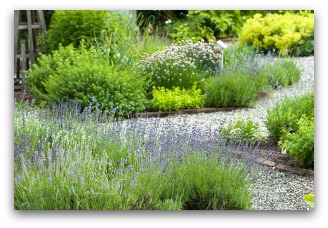 Beautiful herb garden with flowering lavender plants blooming.
If we are being completely honest, the absolute easiest vegetables to grow are not vegetables at all - they are herbs.
Herbs are fast, compact, require minimal space, have almost no pest problems, and give you something to harvest and use within weeks of planting.
They belong in every vegetable garden, flower border, and every kitchen windowsill.
Easiest herbs for beginners
| Herb | Why It Is Easy | Key Tip |
|---|---|---|
| Chives | Perennial - comes back every year; virtually indestructible; pretty purple flowers | Cut back hard occasionally to encourage fresh new growth |
| Basil | Fast-growing; incredibly useful in the kitchen; loves warm weather | Pinch off flowers immediately to keep producing leaves |
| Parsley | Very productive; biennial so lasts two years; tolerates partial shade | Slow to germinate (3-4 weeks) - be patient after sowing |
| Mint | Virtually grows itself; extremely productive | Always grow in a container - it spreads aggressively if planted in the ground |
| Thyme | Perennial; drought-tolerant; thrives in poor soil; almost zero maintenance | Excellent in containers and at bed edges; very low water needs once established |
14. Green Onions - Easiest Vegetable
to Harvest as Needed
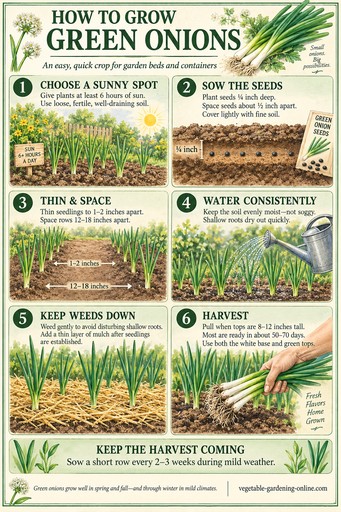 Chart of how to grow green onions in the garden.
Green onions (also called scallions or bunching onions) are one of the easiest vegetables to grow.
They ask almost nothing of you and reward patience with a supply that can be harvested exactly when you need it, rather than all at once.
Unlike bulb onions, they do not require careful curing or storage — you simply pull what you need for tonight's dinner and leave the rest growing in the ground.
Why green onions are one of the easiest vegetables to grow
- Direct sow or grow from sets - no complicated starting process
- Very cold-tolerant - some varieties overwinter in the ground
- Harvest a few at a time as needed rather than all at once
- Regrow from kitchen scraps - the white root end regrows in water or soil
- Minimal pest and disease problems
- Takes up very little space - ideal for edging beds or small containers
 Freshly harvested green onions from the garden.
How to grow green onions
Direct sow seeds half an inch deep in rows 4 inches apart, or plant onion sets an inch deep and 2 inches apart. Keep soil consistently moist while seedlings establish.
Begin harvesting once stalks reach pencil thickness, usually around 60 days from sowing - simply pull individual onions as needed, leaving the rest to keep growing.
For a continuous supply, succession sow every three to four weeks through the growing season.
Best varieties for beginners: Evergreen Hardy White (very cold-tolerant; perennial in many climates), Tokyo Long White (fast-growing; mild flavor), White Lisbon (classic, reliable, widely available).
15. Potatoes - Easy Vegetable
with a Satisfying Harvest
 Hilling potato plants in the garden.
Potatoes are one of the easiest vegetables to grow, and few gardening moments are as satisfying as digging into the soil and discovering how many potatoes have formed underground.
They ask for little beyond loose soil and regular hilling, and they are particularly well suited to grow bags or large containers, which makes them accessible even for gardeners without much ground space.
Why potatoes are one of the easiest vegetables to grow
- Grown from seed potatoes, not seeds - simple and nearly foolproof to plant
- Tolerate a wide range of soil types, especially when grown in loose, amended soil
- Few serious pest or disease problems in a home garden setting
- Excellent in grow bags or large containers, not just in-ground beds
- Minimal ongoing care beyond hilling soil around the stems as they grow
- Rewarding harvest - digging potatoes feels like a treasure hunt, which makes it a favorite with children
How to grow potatoes
 Freshly harvested potatoes from the garden.
Plant certified seed potatoes (cut into pieces with at least one eye each, if large) 3 inches deep and 12 inches apart, about two weeks before your last frost date.
As green shoots emerge and grow, mound soil or mulch up around the stems every few weeks - this "hilling" is the main task potatoes require, and it encourages more potatoes to form along the buried stem.
Keep soil consistently moist, especially once plants begin flowering.
Harvest new potatoes a few weeks after flowering, or wait until the foliage yellows and dies back for a full-size main crop, usually around 90 days from planting.
Best varieties for beginners: Yukon Gold (reliable, excellent flavor, widely available), Red Pontiac (very productive, good disease resistance), Kennebec (classic all-purpose variety, stores well).
Vegetables That Are Harder Than They Look
For the sake of honest advice, here are a few vegetables that are often included on "easy to grow" lists but which are actually more demanding than beginners expect. This does not mean you should not grow them - just go in with realistic expectations rather than discovering the hard way.
Tomatoes (large-fruited varieties)
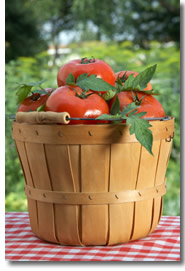
Cherry tomatoes are genuinely one of the easiest vegetables to grow. Large beefsteak tomatoes are not. They need consistent watering, regular feeding, careful pruning, good support, pest and disease management, and a long warm season. Rewarding, but not easy. If you want to grow tomatoes as a beginner, stick to cherry varieties for the first season.
Cauliflower
Cauliflower is technically possible for beginners but is consistently the most demanding brassica. It is intolerant of both heat and cold at key growth stages, needs very consistent moisture, and requires blanching (tying leaves over the developing head) for white varieties. Broccoli is much easier and more forgiving - start there and come back to cauliflower once you have some experience.
Carrots
Carrots are not difficult, but they are fussier than most of the easiest vegetables to grow. They need deeply worked, stone-free, fine-textured soil for good root development - a challenge in many gardens without a raised bed or deep container. They also need consistent moisture and take 70-80 days to mature. Carrots grown in a raised bed with good loose soil are easy. Carrots grown in heavy clay or rocky soil are frustrating.
Corn
Corn requires a lot of space (needs to be planted in blocks for pollination), has a long growing season, and takes up significant real estate for a relatively small return compared to other vegetables. It is not difficult to grow but is a poor use of a small garden. It is best suited to larger plots where a good block planting of 4x4 or larger is practical.
Melons
Melons need a very long warm season, lots of space, consistent heat, and regular attention. In cooler climates they are genuinely challenging. If you are in Zone 7 or warmer and have space, they are achievable. In shorter-season climates, they are best left until you have several seasons of experience and can dedicate a warm sheltered spot
The Best Beginner Vegetable Garden Plan
 Raised bed garden with lettuce plants growing.
For a first vegetable garden, the best approach is to focus entirely on the genuinely easiest vegetables to grow and build confidence from there. Here is a suggested first-year plan for a 4x8 ft raised bed using only the easiest vegetables to grow:
| Season | What to Plant | Why |
|---|---|---|
| Early spring (4-6 weeks before last frost) | Lettuce, spinach, radishes, peas, green onions | Cool-season crops that tolerate frost; gives you early harvests while waiting for warm weather |
| After last frost | Cherry tomatoes (1 plant), zucchini (1 plant), bush beans, cucumbers (1 plant on trellis), basil | The core summer crop; all among the easiest warm season vegetables to grow |
| Midsummer (8 weeks before first fall frost) | Kale, Swiss chard, spinach, lettuce, radishes | Fall garden succession; keeps the bed productive through autumn |
| October / November | Garlic | Plant now for harvest next summer; requires zero care through winter |
This plan uses all of the genuinely easiest vegetables to grow, gives you harvests from early spring through late autumn, includes both cool and warm season crops, and leaves the bed in good shape for the following year with garlic in the ground. Use our free interactive garden planner to design your bed layout before you start, and our free interactive zone finder to find the exact planting dates for your area.
Frequently Asked Questions About the Easiest Vegetables to Grow
What is the single easiest vegetable to grow for a complete beginner?
Radishes. They germinate in days, mature in 25 days, need almost no care, and grow in virtually any reasonable soil. If you have never grown anything before, start with a row of radishes. The quick success builds the confidence and enthusiasm to tackle everything else on this list of the easiest vegetables to grow.
What are the easiest vegetables to grow in containers?
Lettuce, radishes, spinach, cherry tomatoes, peppers, herbs, cucumbers (with a small trellis), and green onions are all among the easiest vegetables to grow in containers. The key is using large enough pots - at least 5 gallons for most crops, 10 gallons for tomatoes - and watering consistently. See our full container vegetable gardening guide for details.
What are the easiest vegetables to grow in shade?
Lettuce, spinach, kale, Swiss chard, arugula, peas, and most herbs tolerate partial shade (4-6 hours of direct sun). These are genuinely among the easiest vegetables to grow in less-than-ideal light conditions. Avoid fruiting crops like tomatoes, peppers, cucumbers, and beans in shady spots - they need 6-8 hours of full sun to produce well.
What are the easiest vegetables to grow from seed?
Radishes, lettuce, spinach, beans, peas, zucchini, and beets are all among the easiest vegetables to grow directly from seed in the garden. Cucumbers and basil are easy to start from seed indoors. See our complete growing vegetables from seed guide for everything you need to know.
How much space do I need to grow the easiest vegetables?
Very little. A single 4x4 ft raised bed (16 square feet) planted with the easiest vegetables to grow - radishes, lettuce, spinach, beans, one cherry tomato, and herbs - will produce a meaningful supply of fresh food for one to two people. A 4x8 ft bed is the most popular size for beginners and is more than enough for a good variety of the easiest vegetables to grow throughout the season.
More Vegetable Gardening Guides
 Raised bed herb garden growing near the house.
- Growing Vegetables — complete hub for growing all vegetables at home
Recent Articles


-
Free Vegetable Garden Printables — Downloads for Every Gardener
Oct 10, 26 11:21 AM
 Browse our complete library of free vegetable garden printables, from planning worksheets and growing charts to kids' activities, all free to download & print.
 -
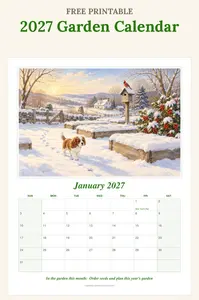
Free Printable Garden Calendar 2027: 12 Watercolor Months (PDF)
Oct 10, 26 10:30 AM
 Free printable garden calendar for 2027: 12 watercolor garden scenes, a monthly garden task, and room to write. Print the whole year or one month at a time.
 -
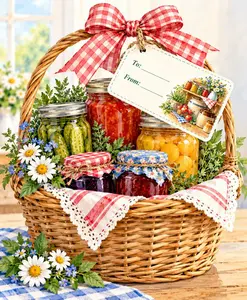
Free Printable Gift Tags: Garden, Harvest, and Christmas
Oct 10, 26 10:26 AM
 Free printable gift tags and folded gift cards in watercolor garden designs: flowers, harvest, Thanksgiving, winter, and Christmas. Print at home on cardstock.
 -
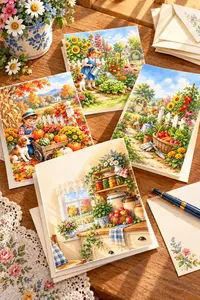
Free Printable Garden Stationery: Gardening Letter Paper & Note Cards
Oct 10, 26 10:22 AM
 Free printable garden stationery: watercolor letter paper, lined and unlined, plus folded note cards with garden, fall, and Christmas scenes. Print at home.
 -
Free Printable Return Address Labels: Garden and Christmas
Oct 10, 26 09:26 AM
Free printable return address labels with watercolor garden and Christmas designs. Type your address, pick a picture, and print on Avery 5160 label sheets. -
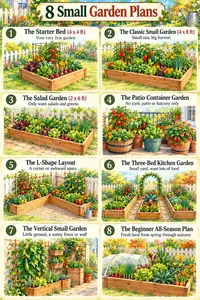
Small Vegetable Garden Plans: 8 Layouts That Maximise Space
Oct 08, 26 10:41 AM
Small vegetable garden plans are some of the most searched and most valuable resources in home food growing. -
USDA Zone Finder - Find Your Vegetable Planting Dates | Vegetable-Gardening-Online.com
Oct 07, 26 03:53 PM
 Find your USDA hardiness zone, last spring frost date, and first fall frost date by state and region. Free interactive zone finder from Vegetable-Gardening-Online.com.