How to Grow VegetablesGrowing Guides for Every Crop in Your Garden
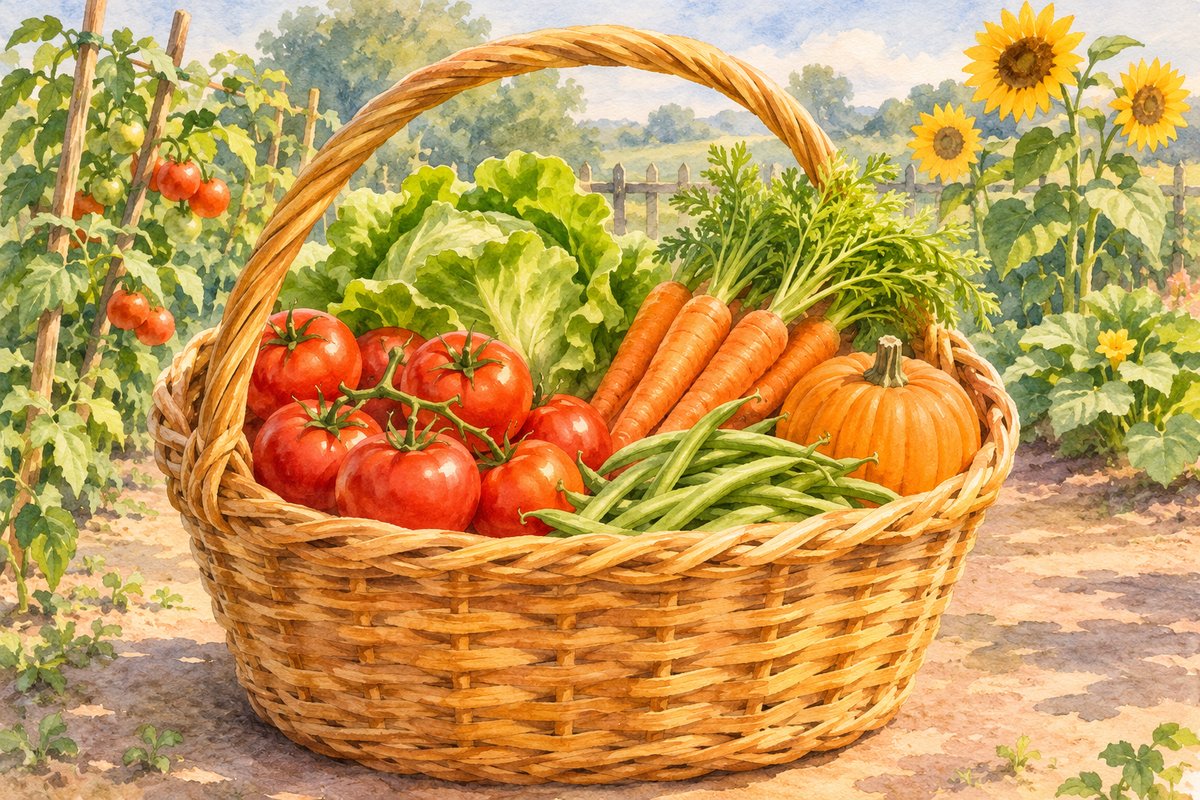
How to grow vegetables, one crop at a time: find your crop below for planting, care, and harvest advice from my own garden in Oregon.
 ★ Save
Each section links to a full growing guide, with free charts you can print and keep in the garden.
On This Page
Free Tools to Plan What to Grow
Start with your own zip code. These free tools tell you when to plant, what still has time to grow, and how to lay out your beds.
How to Grow Vegetables: Where to Begin
New to gardening? Start with crops that are hard to fail with, then add a few more each year.
Most vegetables want the same few things: six or more hours of sun, loose soil rich in compost, steady water, and planting at the right time for your area.
- Seed Starting Chart – when to start each crop indoors
- Vegetable Gardening Tips – practical advice for any garden
Tomatoes: The Heart of the Garden
Most gardens start with tomatoes, and for good reason. No store-bought tomato comes close to one picked warm from the vine.
 ★ Save
- Growing Tomatoes in Containers – for patios and small spaces
- How to Ripen Green Tomatoes Indoors – save the last of the crop
- Cherokee Purple Tomato – a favorite dark heirloom
- Fertilizing Tomatoes – what to feed and when
- Why Are My Tomato Leaves Turning Yellow? – causes and fixes
Cucumbers, Squash, Pumpkins, and Melons
The squash family is the most productive group in the garden. Give them warm soil, plenty of room, steady water, and pick often.
 ★ Save
- How to Grow Zucchini – keeping up with the harvest
- Growing Acorn Squash – a winter squash that keeps
- Growing Butternut Squash – sweet winter squash
- Growing Pumpkins – from pie pumpkins to giants
- Growing Melons – cantaloupe and watermelon
- Cucumber Trellis – grow up, not out
- Why Are My Cucumber Leaves Turning Yellow? – causes and fixes
Beans and Peas
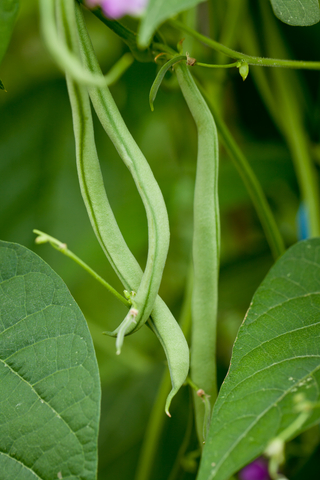
Beans and peas are some of the easiest vegetables for beginners. They sprout fast, grow quickly, and keep producing as long as you keep picking.
 ★ Save
- How to Grow Peas – an early spring crop
- When to Plant Peas – timing for the earliest crop
- Growing Snow Peas – edible pods
- Growing Runner Beans – beautiful and tasty
- Growing Lima Beans – butter beans at home
- Asparagus Bean – the yard-long bean
Peppers: Sweet and Hot
Peppers love heat. Start them early indoors, plant them out when nights stay warm, and they produce until frost.
 ★ Save
Lettuce, Spinach, Kale, and Leafy Greens
Leafy greens are the fastest crops you can grow. Many are ready to pick in a month, and most do best in the cool weather of spring and fall.
 ★ Save
- How to Grow Spinach – a cool-season favorite
- How to Grow Kale – sweeter after frost
- Growing Swiss Chard – colorful and productive
- Growing Collard Greens – heat-tolerant greens
- Growing Lettuce in Hot Weather – keep it from bolting
- Growing Lettuce Indoors – salads on the windowsill
Broccoli, Cabbage, and the Cabbage Family
Timing matters most with this family. Plant in early spring or late summer, because summer heat makes them bolt. Many taste even sweeter after a light frost.
 ★ Save
- How to Grow Cabbage – for fresh eating and sauerkraut
- How to Grow Cauliflower – the fussy one, done right
- How to Grow Brussels Sprouts – a fall and winter treat
- Growing Chinese Cabbage – napa cabbage and bok choy
- Broccoli Raab – the Italian favorite
- Making Sauerkraut – put up your cabbage
Carrots, Potatoes, Beets, and Root Vegetables
Root crops are always a surprise, because you can't see the harvest until you dig it. Loose, stone-free soil makes the biggest difference.
 ★ Save
- How to Grow Carrots – for the sweetest roots
- How to Grow Beets – roots and greens in one
- Growing Turnips – fast spring and fall roots
- Growing Sweet Potatoes – slips to harvest
- Growing Celery – for patient gardeners
- Growing Horseradish – a root that comes back every year
Onions, Garlic, Leeks, and Shallots
With onions and their relatives, timing is everything. Onions planted late make small bulbs. Garlic planted in the fall makes the biggest heads the next summer.
 ★ Save
- How to Grow Garlic – plant in the fall
- Drying Garlic – curing and braiding
- Planting Shallots – the gourmet onion
- Growing Egyptian Onions – the walking onion
Sweet Corn
Sweet corn tastes best minutes after picking, before its sugar starts turning to starch. Plant it in a block of at least four rows so the wind can pollinate every ear.
 ★ Save
- Growing Corn – sweet corn, popcorn, and ornamental corn
- Freezing Corn – save the summer taste
Asparagus and Other Special Vegetables
Some of the best crops are hard to find in stores. Asparagus and rhubarb come back for decades, and ground cherries and okra add something different to the garden.
 ★ Save
- How to Plant Asparagus – decades of spring spears
- Victoria Rhubarb – for pies and preserves
- How to Grow Eggplant – a heat lover
- Growing Okra – for warm summers
- Growing Artichokes – a dramatic perennial
- Ground Cherries – a sweet husked fruit
More Help for Your Vegetable Garden
Learning how to grow vegetables well takes more than knowing each crop. Good soil, the right planting time, and a plan for the harvest matter just as much.

- Vegetable Garden Soil – the foundation of everything
- How to Fertilize a Vegetable Garden – with free charts
- Companion Planting Chart – what grows well together
- Organic Vegetable Garden – growing without chemicals
- Growing Herbs in the Garden – herbs to grow with your vegetables
- Growing Fruit and Berries – blueberries, raspberries, and more
- Preserving Garden Vegetables – freezing, canning, and storing
- How to Freeze Vegetables – with blanching times
For more plant information by region, the National Gardening Association plant library has detailed listings for thousands of vegetables.
From My Garden
I learned how to grow vegetables as a little child, working alongside my parents and grandparents on our family farm in Oregon's Willamette Valley.
These days my own garden is small: tomatoes, sweet and hot peppers, pickling cucumbers, and winter squash, with marigolds and zinnias along the borders.
Good friends with a huge garden share their green beans, corn, and zucchini, and the farmers markets fill in the rest. Sharing the harvest is half the fun of gardening.
Charlotte
My short garden email, Get the Dirt, comes Saturday mornings.
Sign Up for My Free Newsletter