- Home
- How to Grow Vegetables
- Best Vegetables to Grow At Home
Best Vegetables to Grow at Home: 20 Top Picks for Every Garden

Choosing the best vegetables to grow at home is one of the most important decisions a gardener makes - and one of the most personal.
The best vegetables to grow at home are not necessarily the same for every gardener.
They depend on what you love to eat, how much space you have, how much time you can give the garden, and what climate you garden in.
But certain vegetables consistently top the list for home growers because they deliver on the qualities that matter most.
Those qualities are exceptional fresh flavor that supermarkets cannot match, high productivity from a small space, good value for money compared to buying, and the deep satisfaction of eating something you grew yourself.

This guide covers the 20 best vegetables to grow at home with accurate assessments of each - what makes them worth growing, what they need to thrive, and which varieties give the best results for home gardeners.
According to the University of Nebraska Extension, tomatoes, salad greens, beans, peas, and carrots consistently rank among the most popular and productive home garden vegetables - chosen year after year by experienced growers who have tried everything and keep coming back to the same reliable favorites.

Source: University of Nebraska Extension - Vegetable Gardening for Beginners
What Makes a Vegetable Worth Growing at Home?

Before we dive into the best vegetables to grow at home, it is worth understanding the criteria that make a homegrown vegetable genuinely worthwhile.
Not every vegetable is worth the effort and space of growing at home - and understanding why some vegetables are worth it while others are not helps you make better choices about what to plant.
The best vegetables to grow at home deliver on one or more of these criteria.
Flavor difference is the most important - vegetables that taste dramatically better homegrown than shop-bought are almost always worth growing.
Tomatoes, sweetcorn, peas, and strawberries top this list. A freshly picked tomato eaten warm from the vine has almost nothing in common with a supermarket tomato - the difference is real and worth the entire effort of the garden.
Cost value is the second key criterion for the best vegetables to grow at home.
A packet of lettuce seeds costing three dollars can produce three months of fresh salad for a household - at supermarket prices that represents forty to sixty dollars of produce.
Herbs are even more extreme - a pot of fresh basil that costs six dollars at a supermarket every week can be grown from a packet of seeds for the entire season.
Crops that are expensive to buy but cheap and easy to grow are some of the best vegetables to grow at home from a pure economics perspective.
Freshness and nutrition are the third criterion. The nutritional value of many vegetables begins declining immediately after harvest.
Vegetables eaten within minutes or hours of picking contain significantly more vitamins and antioxidants than the same vegetables that have spent a week in supermarket cold storage and distribution chains.
Growing the best vegetables at home means the freshest, most nutritious food possible.
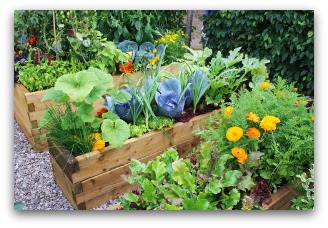
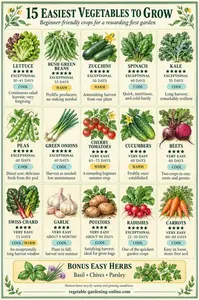
Quick reference: the 20 best vegetables to grow at home
| Vegetable | Why It's One of the Best to Grow at Home | Difficulty | Season |
|---|---|---|---|
| Cherry tomatoes | Extraordinary flavour difference from shop-bought; prolific producer | Easy-Medium | Warm |
| Lettuce and salad greens | Dramatically cheaper and fresher homegrown; cut-and-come-again | Very Easy | Cool |
| Courgettes/Zucchini | Staggering productivity from one plant; edible flowers too | Very Easy | Warm |
| Fresh peas | Garden peas eaten fresh are incomparably better than frozen | Easy | Cool |
| Green beans | Prolific; nitrogen-fixing; excellent fresh flavour | Very Easy | Warm |
| Cucumbers | Very productive; homegrown flavour far superior to supermarket | Easy-Medium | Warm |
| Sweetcorn | Best eaten minutes after picking - quality loss is dramatic and fast | Medium | Warm |
| Carrots | Homegrown varieties available not found in shops; sweet flavour | Easy-Medium | Cool |
| Radishes | Fastest crop; excellent value; good fresh texture rarely found in shops | Very Easy | Cool |
| Kale | Hugely productive; best eaten very fresh; overwinters for long harvest | Very Easy | Cool |
| Spinach | Expensive to buy in small supermarket packets; very cheap and easy to grow | Very Easy | Cool |
| Peppers | Expensive shop-bought; incredibly productive from a few plants at home | Medium | Warm |
| Garlic | Plant once; harvest next summer; far superior flavour to supermarket | Very Easy | Cool/Winter |
| Potatoes | Varieties unavailable in shops; freshly dug flavour is exceptional | Easy | Cool |
| Fresh herbs (basil, parsley, chives) | Best cost-value of all; constant supply instead of expensive small packets | Very Easy | Both |
| Beets | Fresh beets taste nothing like the vinegar-pickled shop version | Very Easy | Cool |
| Swiss chard | Longest productive season of any easy crop; beautiful and productive | Very Easy | Both |
| Broccoli | Fresh-cut broccoli is noticeably sweeter than supermarket | Easy-Medium | Cool |
| Strawberries | Homegrown strawberries are a revelation; supermarket ones are not comparable | Easy | Cool |
| Courgette/Zucchini flowers | Unavailable in most shops; delicious stuffed or fried | Very Easy | Warm |
The Very Best Vegetables to Grow at Home for Flavor
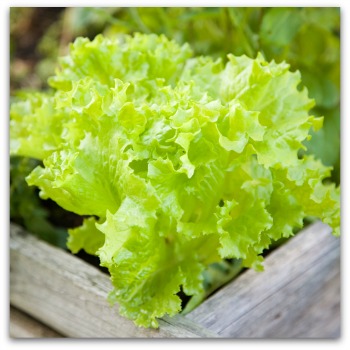
These are the best vegetables to grow at home specifically because the flavor difference between homegrown and shop-bought is so dramatic that once you have tasted the homegrown version, you will never want to go back to supermarket produce.
1. Cherry tomatoes are the single best vegetable to grow at home for flavor.
The gap between a freshly picked warm cherry tomato from a home garden and a supermarket tomato is extraordinary - in sweetness, depth of flavor, acidity balance, and texture.
Supermarket tomatoes are picked green and ripened in controlled atmosphere storage; homegrown tomatoes ripen on the vine in full sun and develop their full sugar and flavor content before harvest.
This is not a subtle difference. It is the most compelling reason there is to grow vegetables at home.
Check out our complete How to Grow Tomatoes guide!
2. Fresh peas eaten directly from the pod in the garden are one of the great joys of summer.
The moment peas are picked, the sugars in the seeds begin converting to starches - within two hours of harvest a pea has already lost a significant proportion of its sweetness.
A supermarket pea or a frozen pea was picked and processed hours or days ago.
A garden pea eaten within minutes of picking is something entirely different - intensely sweet, tender, and flavorful in a way that shop-bought peas simply cannot achieve.
Peas are among the best vegetables to grow at home for this reason alone.
3. Sweetcorn undergoes the same sugar-to-starch conversion after picking but even faster than peas.
The classic advice from experienced gardeners is to put the water on to boil before you go to pick the corn - the moment between picking and cooking should be as short as possible to capture peak sweetness.
This is why sweetcorn is one of the best vegetables to grow at home despite needing more space than most other crops: the quality difference is impossible to replicate with shop-bought corn.
4. Fresh herbs are arguably the best vegetables to grow at home from a pure flavor and value perspective.
Supermarket herb packets are expensive, often wilted, and contain perhaps two to three days of use.
A single basil plant grown at home from seed provides fresh leaves for two to three months.
The same applies to parsley, chives, mint, thyme, and cilantro.
Fresh herbs cut from the garden seconds before use have a vibrancy and intensity that packaged supermarket herbs rarely match.

Best Vegetables to Grow at Home for Value for Money

Some of the best vegetables to grow at home earn their place on the list not just through flavor but through extraordinary cost-effectiveness.
A seed packet costing three to five dollars can produce a season's worth of a vegetable that would cost ten times that amount to buy fresh over the same period.
Lettuce and salad greens offer the best cost-value ratio of any vegetable to grow at home.
A packet of mixed salad seeds costs around three dollars and contains hundreds of seeds.
A single sowing in a small raised bed, harvested cut-and-come-again style, can supply a household with fresh salad multiple times per week for three months.
At current supermarket prices for bagged salad, that represents sixty to eighty dollars of equivalent produce from a three-dollar seed packet and a few hours of gardening.
Growing peppers at home offers exceptional value. Bell peppers and sweet peppers are expensive to buy fresh - particularly the colored varieties, which are typically priced significantly higher than green peppers.
A single pepper plant grown at home produces fifteen to twenty or more fruits through the season. At supermarket prices of one to two dollars per pepper, a single plant pays back its growing costs many times over.
Growing peppers at home in a range of colors - red, yellow, orange, chocolate - gives you varieties that are expensive or completely unavailable in most supermarkets.
Potatoes grown at home offer a different kind of value - access to varieties completely unavailable in shops.
The supermarket potato selection is limited to a handful of commercial varieties chosen for shelf life and appearance rather than flavor.
Home growers have access to dozens of heritage and specialist varieties - Pink Fir Apple, Anya, Ratte, Purple Majesty, Yukon Gold - that are only available to those who grow their own.
The flavor and texture differences between these varieties and standard supermarket potatoes are significant and represent real culinary value.
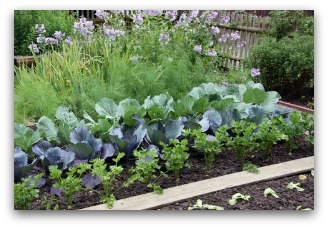
Best Vegetables to Grow at Home: Detailed Crop Guides
Here are growing notes for each of the 20 best vegetables to grow at home, with the key information you need to get started with each one.
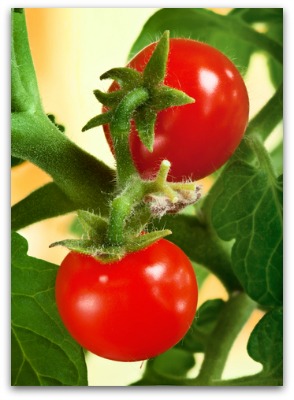
1. Cherry tomatoes
The best single vegetable to grow at home. One plant on a sunny patio or in a raised bed produces hundreds of fruits all summer. Needs full sun, consistent watering, and weekly feeding with tomato fertiliser once flowering starts. Best varieties: Sungold (orange, incredibly sweet), Sweet Million (red), Tumbling Tom (compact, excellent in containers). See our complete how to grow tomatoes guide.
2. Lettuce and salad greens
One of the best vegetables to grow at home for beginners. Choose loose-leaf varieties for cut-and-come-again harvesting. Sow directly in the ground or in containers from early spring. Partial shade is fine and actually extends the season by slowing bolting. Succession sow every two to three weeks for a continuous supply.
3. Courgettes and zucchini
Legendary productivity - one or two plants feed a family. Sow after the last frost, give them space (two to three feet in all directions), and harvest fruits when six to eight inches long. Never let them grow into marrows or production slows dramatically. The flowers are also edible - stuff and fry them for a delicacy unavailable in most shops.
4. Fresh peas
Direct sow in early spring four to six weeks before the last frost. Provide a simple support for plants to climb. Pick pods frequently - leaving peas on the vine too long reduces production. Sugar snap varieties are the easiest to grow at home because the whole pod is eaten with no shelling needed.
5. Bush green beans
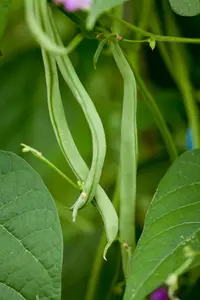
One of the best vegetables to grow at home for productivity. Direct sow after the last frost in warm soil. No staking or training needed for bush varieties. Harvest pods before the beans inside swell - picking regularly is essential to keep production going all season. Nitrogen-fixing roots improve soil for future crops.
6. Cucumbers
One of the best warm-season vegetables to grow at home for summer abundance. Train up a trellis for space-efficient growing and easy harvesting. Needs consistent watering - inconsistent moisture causes bitter fruits. Harvest every two to three days to keep plants producing. See our complete how to grow cucumbers guide.
7. Sweetcorn
Needs more space than most vegetables but the quality difference from shop-bought makes it one of the best to grow at home for flavour. Must be planted in a block of at least four by four plants for pollination. Direct sow after last frost. Harvest when silks turn brown and kernels squirt milky juice when punctured.
8. Carrots
Best grown in raised beds where the deep, loose, stone-free soil allows long straight roots. Direct sow in early spring and again in midsummer for a fall crop. Autumn-harvested carrots that have been through frost are noticeably sweeter than summer carrots. Explore heritage varieties unavailable in supermarkets - Chantenay, Purple Dragon, Yellowstone.
9. Radishes
The fastest of all the best vegetables to grow at home - ready in 25 days. One of the first things to sow in spring and the last in autumn. Succession sow every two weeks. 16 radishes fit in a single square foot of raised bed. An excellent gap-filler between slower crops.
10. Kale
One of the most productive best vegetables to grow at home over the longest season - from summer right through winter and into spring. A single plant provides harvests for seven or more months. Flavour dramatically improves after frost. Among the most cold-hardy of all vegetables, surviving temperatures down to 10 degrees Fahrenheit.
11. Spinach
A cost-effective best vegetable to grow at home. Can be sown in early spring, summer (in partial shade), and late summer for autumn harvest. Overwinters in mild climates for early spring leaves. Cut outer leaves continuously. Baby leaf varieties are ideal for containers and small spaces.
12. Peppers (sweet and hot)
One of the best vegetables to grow at home for value. Start seeds indoors ten to twelve weeks before last frost - earlier than any other crop. Need warmth - both soil and air temperature. Perform exceptionally well in containers on a sunny patio. Can be overwintered indoors and replanted next spring for a head start. See our complete pepper growing guide.
13. Garlic
The easiest plant-and-forget best vegetable to grow at home. Plant cloves in October or November, do nothing through winter, harvest in June or July. One of the most flavourful and useful kitchen crops. Homegrown garlic has a depth of flavour entirely absent from most supermarket garlic, which is often imported and old.
14. Potatoes
One of the best vegetables to grow at home for variety access. Plant seed potatoes in early spring, earth up as they grow, harvest when plants die back in summer. Grow in large containers or grow bags if space is limited - tip the bag out at harvest for a satisfying treasure hunt. Freshly dug new potatoes eaten the same day are exceptional.
15. Fresh herbs
The best vegetables to grow at home for immediate daily kitchen impact. Basil near the back door, chives and parsley in a window box, mint in a container. Fresh herbs cut seconds before use have an intensity that shop packets cannot replicate. Pinch off flower buds on basil to keep it producing leaves. Chives and parsley are perennial and return each year.
16. Beets
Fresh roasted beets bear no resemblance to the supermarket pickled variety. Direct sow in early spring and again in midsummer. Harvest at golf-ball to tennis-ball size for the best flavour and texture. Both the roots and the greens are edible - young beet leaves make excellent salad additions. Very easy to grow and extremely productive.
17. Swiss chard
One of the best low-maintenance vegetables to grow at home over the longest productive season. Provides harvests from spring through winter in most climates. The Rainbow variety has brilliant red, yellow, and orange stems and is ornamental enough for a flower border. Use leaves cooked or raw. Harvest outer leaves continuously.
18. Broccoli
Freshly cut broccoli eaten the same day has a sweetness and tenderness that supermarket broccoli - cut days ago - cannot match. Start indoors in spring for a summer crop or in midsummer for a superior autumn harvest. After harvesting the main head, side shoots continue producing for several weeks.
19. Strawberries
The best fruit to grow at home for flavor impact. A homegrown strawberry ripened fully on the plant is warm, sweet, fragrant, and completely unlike the firm, flavorless supermarket variety picked early for transport. Everbearing varieties produce from spring through autumn. Excellent in raised beds, containers, and hanging baskets. Plant once; harvest for years.
20. Courgette flowers
A bonus of growing courgettes at home - the large golden flowers are a delicacy unavailable in most shops. Harvest male flowers (those without a tiny courgette at the base) in the morning when they are freshly open. Stuff with ricotta and herbs, lightly batter, and fry. A summer treat that is completely exclusive to those who grow their own.
How to Choose the Best Vegetables to Grow at Home for Your Garden

With twenty excellent vegetables to choose from, how do you decide which are the best vegetables to grow at home in your specific situation?
The answer comes down to four practical questions that help you match crops to your garden, your time, and your kitchen.
1. The first question is what do you actually eat?
The best vegetables to grow at home are the ones your household genuinely uses.
There is no point growing broccoli if nobody eats it, or courgettes if they are not a staple of your cooking.
Start with the vegetables you buy most regularly and pay most for at the supermarket - those are almost always the best vegetables to grow at home first.
2. The second question is how much space do you have?
If you are gardening in a small raised bed or a few containers, the best vegetables to grow at home in a limited space are those that produce the most from the smallest footprint - cherry tomatoes, lettuce, herbs, radishes, salad greens, and kale.
If you have more space, add courgettes, cucumbers, sweetcorn, and potatoes. Our free interactive garden planner helps you work out exactly how many of each crop fit in your available space before you buy a single seed.
3. The third question is what is your growing zone?
Some of the best vegetables to grow at home - particularly tomatoes, peppers, and sweetcorn - need a long warm season to produce well. In short-season northern gardens, prioritize fast-maturing varieties and cold-hardy crops.
Use our free interactive zone finder to confirm your frost dates and check which crops have time to mature in your season.
4. The fourth question is how much time can you give the garden?
The best vegetables to grow at home for a busy or low-maintenance gardener are the most self-sufficient ones - kale, garlic, radishes, lettuce, spinach, and Swiss chard all thrive with minimal intervention.
Tomatoes, cucumbers, and peppers are more productive with regular attention. Match your crop choices to the time you genuinely have available.
Planning Your Home Vegetable Garden

Once you have decided which of the best vegetables to grow at home suit your situation, the next step is planning how to grow them together effectively.
A little planning before planting dramatically improves productivity, reduces problems, and makes the garden more manageable.

The square foot gardening method is one of the best approaches for planning a home vegetable garden with a mix of different crops.
Dividing a raised bed into a grid of one-foot squares and planting each square intensively eliminates wasted space, makes companion planting straightforward, and simplifies succession planting.
A 4x8 ft raised bed using square foot gardening spacing can accommodate all of the best vegetables to grow at home in a single bed - the quick-maturing ones in some squares and the slower main crops in others. See our complete square foot gardening guide for full spacing details.
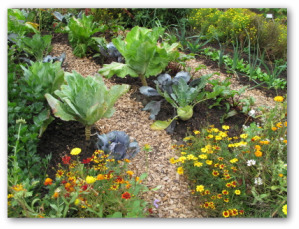
Companion planting improves the productivity of any mix of vegetables grown at home by pairing crops that benefit each other and separating those that do not.
Tomatoes and basil are the classic example - basil deters the pests that bother tomatoes, and they thrive as neighbors in the garden.
Marigolds planted throughout the bed protect almost all the best vegetables to grow at home from a range of common pests.
See our complete companion planting chart for vegetables for full details on which crops to grow together.
Use our free vegetable planting calendar to confirm the right planting dates for each of the best vegetables to grow at home in your zone.
Getting timing right - sowing cool-season crops early enough, waiting for warm soil before planting warm-season crops - is one of the most important factors in a productive home vegetable garden.
Frequently Asked Questions: Best Vegetables to Grow at Home
1. What is the single most productive vegetable to grow at home?
Courgette and zucchini are the most productive vegetables to grow at home by weight - a single plant genuinely produces more food per square foot than almost any other crop. If maximum productivity from minimum space is the priority, one zucchini plant and one cherry tomato plant in a 4x4 ft raised bed will produce remarkable quantities of food.
2. What are the best vegetables to grow at home for beginners?
Lettuce, radishes, green beans, cherry tomatoes, zucchini, and herbs are the best vegetables to grow at home for first-time gardeners. They are all reliably easy, fast-producing, and forgiving of minor mistakes. Start with these and add more challenging crops as your confidence grows.
3. What are the best vegetables to grow at home in containers?
Cherry tomatoes, peppers, lettuce, herbs, cucumbers (with a small trellis), spinach, and radishes are all among the best vegetables to grow at home in containers. The key requirements are large enough pots and consistent watering. See our complete container vegetable gardening guide for full advice.
4. Can I grow the best vegetables at home in a shady garden?
Yes - many of the best vegetables to grow at home tolerate or prefer partial shade. Lettuce, spinach, arugula, kale, Swiss chard, radishes, beets, herbs, and broccoli all grow well in a vegetable garden with three to six hours of sun. Fruiting crops like tomatoes, peppers, cucumbers, and courgettes need full sun. See our vegetable garden shade guide for complete advice.
5. What are the best vegetables to grow at home year-round?
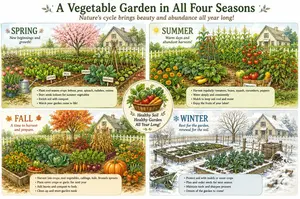
In most climates, year-round home vegetable growing combines cool-season crops in spring and autumn with warm-season crops in summer, and cold-hardy vegetables through winter. Kale, leeks, garlic, parsnips, and overwintered spinach provide harvests through winter. A cold frame vegetable garden extends the season further at both ends. See our fall vegetable gardening guide and cold frame guide for complete information.
More Vegetable Gardening Guides
- Growing Vegetables — complete hub for growing all vegetables at home

Recent Articles


-
How to Grow Cabbage
Sep 15, 26 12:33 PM
 How to Grow Cabbage: The Complete Guide from Seed to Harvest. This complete guide covers everything you need to know about how to grow cabbage.
 -
Easiest Vegetables to Grow: 15 Foolproof Crops for Beginners
Sep 15, 26 09:24 AM
 Easiest vegetables to grow for beginners - with advice on what makes each one easy, how to get started, and which vegetables are harder than they look.
 -
How to Grow Green Beans
Sep 14, 26 07:53 PM
 How to Grow Green Beans: The Complete Guide to Bush and Pole Beans. Green beans are one of the most forgiving crops a beginner can choose.
 -
Seasonal Vegetable Garden
Sep 14, 26 05:38 PM
 Seasonal Vegetable Garden — Growing Food Through Every Season
 -
Overwintering Vegetables: Fall-Planted Crops for Early Spring Harvest
Sep 14, 26 05:35 PM
 Learn about overwintering vegetables like garlic, fava beans, and onions, planted in fall to sit through winter and reward you with an early spring harvest.
 -
Free Vegetable Garden Journal— Printable Downloads for Home Gardeners
Sep 14, 26 01:51 PM
 Download our free Vegetable Garden Journal — choose a full 16-page version or simpler 7-page journal. Track planting, harvest, & garden notes season by season.
 -
Free Vegetable Garden Cut and Paste Activities for Kids Ages 5-7
Sep 12, 26 09:13 PM
 Free printable vegetable garden cut and paste activities for kids ages 5-7. Build your own garden, match seeds to plants, and learn what grows where.