- Home
- Preserving Harvest
Preserving Garden Vegetables
from Your Home Garden

Preserving garden vegetables from your home garden means that none of your hard work goes to waste.
You spent months planting, watering, weeding, and waiting — and now your garden is producing more than your family can eat fresh.
Preserving vegetables is how you capture the flavor of summer and carry it all the way through winter.
Rows of colorful jars on the pantry shelf, bags of garden-fresh produce in the freezer, and a crock of homemade sauerkraut on the counter are the rewards of a productive growing season that keep feeding your family long after the last frost.
This page is your starting point for everything on this site related to preserving garden vegetables that you have grown in your own garden.
We cover five main methods: pressure canning, freezing, fermentation, drying, and freeze drying. Each method has its strengths, and most experienced home gardeners use a combination of all three depending on the vegetable and how they plan to use it.
Whether you are new to preserving garden vegetables or expanding your skills, the guides below will walk you through everything you need to know.
Preserving what you grow is one of the first skills most homesteaders add. See our guide to homestead gardening for beginners to see how it fits into the bigger picture.
Which Method Is Best
for Preserving Garden Vegetables?
Preserving vegetables well starts with choosing the right method for each crop. Not every method works equally well for every vegetable, and knowing the differences will save you time and give you much better results at the table.
Pressure Canning Vegetables
 Image of home canned vegetables.
Pressure canning is the safest and most shelf-stable method for preserving garden vegetables. Low-acid vegetables such as green beans, corn, potatoes, and carrots must be pressure canned — water bath canning is not safe for these crops.
Canned vegetables require no electricity to store and will keep for a year or more on a pantry shelf.
Pressure canning takes more time and equipment than freezing, but the results are worth it, especially when you are dealing with a very large harvest or have limited freezer space.
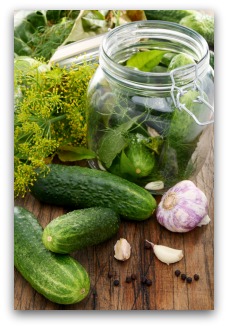
The key to safe pressure canning is accurate equipment and exact timing. Your pressure canner must have a reliable dial gauge, and processing times must be followed precisely for each vegetable.
Our canning guide walks you through the full process — equipment, preparation, cold pack versus hot pack methods, pressure settings, and step-by-step instructions for getting the jars sealed safely and correctly.
Our individual guides then walk you through preserving garden vegetables one crop at a time.
- Canning Vegetables — complete guide to pressure canning: equipment, methods, and step-by-step instructions
- Canning Green Beans — step-by-step pressure canning guide for green beans and string beans
- Canning Tomato Sauce — how to make and preserve homemade tomato sauce
- Canning Tomato Juice — a simple guide to preserving fresh tomato juice at home
Freezing Vegetables

Freezing is the quickest and easiest method for preserving garden vegetables, and it preserves flavor, color, and nutrients very well.
Most vegetables need to be blanched briefly in boiling water and cooled quickly before freezing to stop the enzyme action that causes loss of flavor and texture in the freezer.
Freezing works beautifully for broccoli, green beans, corn, tomatoes, and many others. The main limitation is freezer space.
Vegetable Fermentation
 Image of pantry stocked with home canned fruits and vegetables. Also crocks of sauerkraut and other fermented vegetables.
Fermentation is the oldest method of preserving garden vegetables known to human history, and it requires no special equipment beyond a crock or jar, salt, and time.
Fermented vegetables are rich in probiotics and have a complex flavor that canning and freezing simply cannot replicate.
Cabbage is the most common fermented vegetable in the home garden tradition, but many others can be fermented as well.
Drying or Dehydrating Garden Vegetables
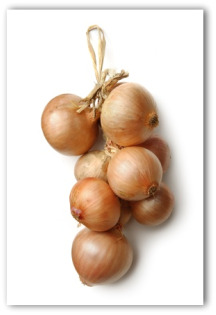
Drying, also called dehydrating, removes moisture from vegetables to stop spoilage.
Dried vegetables take up very little storage space, need no refrigeration or electricity to store, and can last one to two years when kept in airtight containers in a cool, dark location.
A food dehydrator does the work with minimal effort, though oven drying works well too. Tomatoes, hot peppers, onions, herbs, and mushrooms are among the best candidates for drying from the garden.
Freeze Drying Garden Vegetables

Freeze drying is the newest home preservation method and produces the longest shelf life of all — up to 25 years when stored properly in sealed containers.
A home freeze dryer removes moisture at very low temperatures under vacuum pressure, preserving flavor, color, texture, and nutrition better than any other method.
Freeze dried garden vegetables rehydrate quickly and taste remarkably close to fresh. Home freeze dryers are a significant investment, currently ranging from $2,000 to $5,000, but for gardeners serious about long-term food storage and preparedness, the results are unmatched.
Canning Vegetables at Home

Pressure canning is the gold standard for preserving garden vegetables over the long term. A properly canned jar of green beans, corn, or tomato sauce will sit safely on your pantry shelf for a year or more, ready whenever you need it.
Unlike freezing, canned vegetables need no electricity to keep them preserved — they are just sitting pretty in storage for free until you are ready to open them. There is no worry about freezer burn or power outages affecting your supply.
The key to safe pressure canning is accurate equipment and exact timing. Your pressure canner must have a reliable dial gauge, and processing times must be followed precisely for each vegetable.
Our canning guide walks you through the full process — equipment, preparation, cold pack versus hot pack methods, pressure settings, and step-by-step instructions for getting the jars sealed safely and correctly.
Our individual guides then walk you through preserving garden vegetables one crop at a time.
- Canning Vegetables — complete guide to pressure canning: equipment, methods, and step-by-step instructions
- Canning Green Beans — step-by-step pressure canning guide for green beans and string beans
- Canning Tomato Sauce — how to make and preserve homemade tomato sauce
- Canning Tomato Juice — a simple guide to preserving fresh tomato juice at home
Freezing Vegetables from the Garden
 Bags of frozen vegetables in the freezer.
Freezing is the easiest way to start preserving garden vegetables, and for many crops it is the method that best preserves fresh garden flavor.
The key to successful freezing is blanching — briefly heating the vegetables in boiling water, then plunging them immediately into ice water to stop the cooking.
Blanching deactivates the enzymes that cause vegetables to lose color, flavor, and texture in the freezer.
Skip it and your frozen vegetables will be mushy and bland within a few months. Do it properly and your garden vegetables will taste nearly as good in January as they did in August.
Most vegetables freeze well in zip-lock freezer bags with the air pressed out, or in rigid freezer containers.
Label everything with the vegetable name and date before it goes in the freezer — it all looks the same once frozen solid.
Preserving vegetables by freezing is especially efficient when you have a bumper crop of one vegetable ripening all at once, such as broccoli, corn, or green beans. In one productive afternoon you can put up enough to last the whole winter.
- Freezing Vegetables — complete guide to blanching, cooling, and packaging vegetables for the freezer
- How to Freeze Vegetables — step-by-step freezing instructions for home gardeners
- Freezing Broccoli — how to blanch and freeze fresh broccoli from the garden
- Freezing Green Beans — tips for freezing fresh green beans and string beans
- Freezing Tomatoes — the easiest way to preserve a bumper tomato crop
- Freezing Corn — how to freeze sweet corn at peak freshness
Fermenting Vegetables —
Making Sauerkraut at Home

Fermentation is the oldest method of preserving garden vegetables in human history, and sauerkraut is the most familiar fermented vegetable in the home garden tradition.
Made from nothing but fresh cabbage and salt, sauerkraut is a living food rich in beneficial probiotics that support digestive health. It also has a flavor — tangy, crisp, and deeply savory — that no canned or frozen vegetable can match.
Preserving vegetables through fermentation requires no special equipment, no heat, and very little time to prepare.
The process itself takes a week or more of quiet work on the counter while beneficial bacteria do their job. Once you have made your first batch of sauerkraut, you will wonder why you waited so long to start.
Our sauerkraut guide walks you through the whole process, from shredding the cabbage to knowing when your sauerkraut is ready to eat or jar up for longer storage.
- Making Sauerkraut — how to make traditional homemade sauerkraut from garden cabbage
Drying and Freeze Drying Vegetables

Drying is one of the oldest and most space-efficient methods of preserving garden vegetables. Removing moisture from vegetables stops the bacterial and mold growth that causes spoilage, and dried vegetables take up a fraction of the storage space that canned or frozen vegetables require.
A good food dehydrator does the work with minimal effort on your part — simply slice the vegetables, load the trays, set the temperature, and let the machine run for several hours.
Dried vegetables can also be made in a conventional oven set to its lowest temperature, or in the sun in warm dry climates.
Preserving garden vegetables by drying works especially well for tomatoes, hot peppers, herbs, onions, and mushrooms. Our full drying guide covers preparation, temperatures, drying times, and storage for each vegetable.
Freeze drying is the newest home preservation method and produces the longest shelf life of any method available — up to 25 years when stored properly.
A home freeze dryer removes moisture from vegetables at very low temperatures under vacuum pressure, preserving the original flavor, color, texture, and nutritional value better than any other method.
Freeze dried garden vegetables rehydrate quickly in water and taste remarkably close to fresh. The main barrier to entry is cost — home freeze dryers currently run between $2,000 and $5,000 — but for serious home food storage enthusiasts and preparedness-minded gardeners, the investment pays off over time.
Our freeze drying guide covers how the process works, which vegetables freeze dry best, and what to expect from a home freeze dryer.
Start Small and Build Your Skills Each Season

Preserving vegetables is a skill that gets easier and more rewarding with every growing season. If you are new to it, start with freezing one or two vegetables this year — broccoli, green beans, or corn are excellent first choices.
Add pressure canning the following season once you have the equipment and feel comfortable with the process. Fermentation can follow whenever curiosity strikes. There is no rush, and there is no wrong order.
The more seasons you spend preserving garden vegetables, the better you become at knowing how much of each vegetable to grow and put up to keep your family well supplied through the winter.
Many experienced gardeners keep a simple log of what they canned, froze, or fermented each year and how long it lasted — that information becomes a useful planting guide for the following spring. Grow what you use, and preserve what you grow.
For more information on what to grow so that you always have a good harvest to preserve, visit our individual vegetable growing guides. And if you are not yet sure which vegetables grow best in your area, our Zone Finder will help you identify your growing zone and plan accordingly.
- Zone Finder — find your USDA growing zone to plan what to grow and when
- Free Newsletter — seasonal tips and updates including harvest and preserving advice
The Gold Standard for Home Canning Safety
When preserving garden vegetables at home, always use scientifically tested recipes and processing times.
The National Center for Home Food Preservation at nchfp.uga.edu is the most trusted source for up-to-date, research-based home canning guidelines in the United States.
Their tested recipes are the safest standard available for home food preservation.
- National Center for Home Food Preservation — the most trusted research-based source for home canning recipes and food safety guidelines
Return to home page.

Recent Articles


-
How to Grow Cabbage
Sep 15, 26 12:33 PM
 How to Grow Cabbage: The Complete Guide from Seed to Harvest. This complete guide covers everything you need to know about how to grow cabbage.
 -
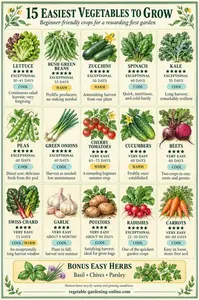
Easiest Vegetables to Grow: 15 Foolproof Crops for Beginners
Sep 15, 26 09:24 AM
 Easiest vegetables to grow for beginners - with advice on what makes each one easy, how to get started, and which vegetables are harder than they look.
 -
How to Grow Green Beans
Sep 14, 26 07:53 PM
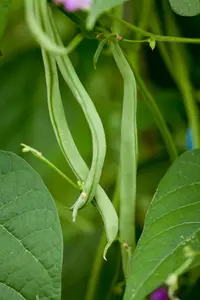
 How to Grow Green Beans: The Complete Guide to Bush and Pole Beans. Green beans are one of the most forgiving crops a beginner can choose.
 -
Seasonal Vegetable Garden
Sep 14, 26 05:38 PM
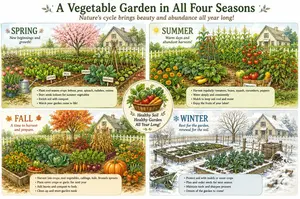
 Seasonal Vegetable Garden — Growing Food Through Every Season
 -
Overwintering Vegetables: Fall-Planted Crops for Early Spring Harvest
Sep 14, 26 05:35 PM
 Learn about overwintering vegetables like garlic, fava beans, and onions, planted in fall to sit through winter and reward you with an early spring harvest.
 -
Free Vegetable Garden Journal— Printable Downloads for Home Gardeners
Sep 14, 26 01:51 PM
 Download our free Vegetable Garden Journal — choose a full 16-page version or simpler 7-page journal. Track planting, harvest, & garden notes season by season.
 -
Free Vegetable Garden Cut and Paste Activities for Kids Ages 5-7
Sep 12, 26 09:13 PM
 Free printable vegetable garden cut and paste activities for kids ages 5-7. Build your own garden, match seeds to plants, and learn what grows where.