- Home
- Growing Fruit and Berries
Growing Fruit and Berries —
Fresh Fruit from Your Own Backyard

Growing fruit and berries at home is one of the most satisfying things a gardener can do.
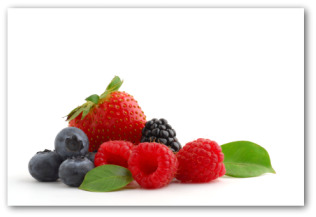
Fresh-picked strawberries, raspberries, blackberries, and blueberries taste completely different from store-bought fruit.
They are sweeter, more flavorful, and eaten at their peak rather than days after harvest. Most berry plants are perennials.
Plant them once and they produce for years — sometimes for decades.
The time you spend establishing a berry patch pays you back with fresh fruit every season. This page is your hub for everything on this site about growing fruit and berries.
You will find individual growing guides for strawberries, raspberries, blackberries, blueberries, and gooseberries.
Each guide covers variety selection, soil preparation, planting, feeding, pruning, and harvesting.
Whether you are planting your first berry bush or expanding an established fruit garden, the growing fruit and berries guides below will help you get the most from every plant.
Growing Strawberries

Strawberries are the most popular choice for gardeners new to growing fruit and berries.
- They are easy to establish.
- They produce fruit in their first season.
- They take up very little space.
And fresh strawberries from the garden taste nothing like the pale, firm berries sold in most grocery stores.
There are three main types to choose from. June-bearing strawberries produce one large crop in early summer.
Everbearing varieties produce two smaller crops — one in spring and one in fall.
Day-neutral varieties produce continuously from spring through fall.
Each has advantages depending on how you plan to use the fruit.
Our strawberry guides cover all three types with full planting and care instructions.

- Growing Strawberries — variety selection, planting, feeding, and care for June-bearing, everbearing, and day-neutral strawberries
- Growing Strawberry Plants — tips for planting and maintaining a productive strawberry bed that produces for seven or more years
Growing Raspberries

Raspberries are among the most productive plants you can grow in a home fruit garden.
They bear heavily every season.
The berries are fragile and expensive to buy.
Growing your own is about the only way to enjoy them truly fresh.
They are also one of the easiest fruits to preserve — frozen raspberries retain their flavor beautifully.
There are summer-bearing and everbearing varieties.
Summer-bearing types produce one large crop in midsummer on canes that grew the previous year.
Everbearing types produce two smaller crops — one in late summer and one the following spring.
Red raspberries are the most common choice.
Black, yellow, and purple varieties are also available and have a slightly richer, more complex flavor.
Growing fruit and berries in the raspberry category means a commitment to annual pruning — but the harvest more than rewards the effort.

- Growing Raspberries — complete guide to planting, pruning, and harvesting raspberries in the home garden
- How to Grow Raspberries — step-by-step raspberry growing guide including variety selection and cane management
- Growing Red Raspberries — focused guide to the most popular raspberry type with recommended varieties and care tips
Growing Blackberries

Blackberries are one of the most vigorous and productive fruits in the home garden.
Once established, they produce abundantly with minimal care.
They are also one of the most versatile fruits for preserving — excellent fresh, frozen, canned, or made into jam and syrup.
Blackberry plants grow large. Give them space.
They spread through runners and root where stems touch the ground, so plan their location carefully before planting.
Thornless varieties make harvest much more pleasant and are widely available.
Traditional thorned varieties are often more productive, but can be painful to the finger-tips when picking!
Growing fruit and berries in the blackberry category means committing to annual pruning to keep the patch manageable and productive.
Our blackberry guides cover everything from choosing a planting site to harvesting and pruning schedules.

- Growing Blackberries — complete guide to planting, caring for, and harvesting blackberries in the backyard garden
- How to Grow Blackberries — step-by-step blackberry growing guide with variety recommendations and pruning instructions
- Planting Blackberries — when and how to plant blackberries for the strongest possible establishment
Growing Blueberries

Blueberries are a long-term investment in your fruit garden.
They take two to three years to begin producing well.
But a well-established blueberry plant produces for decades.
Some blueberry bushes remain productive for fifty years or more.
Blueberries that my mother planted in 1969 are still producing 57 years later!
They are also one of the most nutritious fruits you can grow. Soil pH is the key to success with blueberries.
They need acidic soil — ideally between pH 4.5 and 5.5. Most garden soils are too alkaline.
Testing and amending your soil before planting is essential.
Without the right pH, blueberries struggle to take up nutrients and produce poorly.
Growing fruit and berries in the blueberry category also requires patience with pollination — most varieties produce better when two or more different varieties are planted nearby.
Our blueberry guide covers soil preparation, variety selection, and all the care steps that lead to a productive long-term planting.
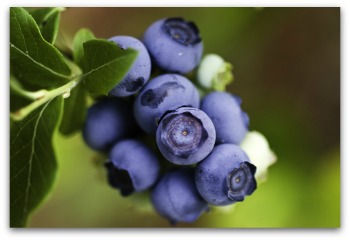
- Growing Blueberries — soil preparation, variety selection, planting, and long-term care for productive blueberry plants
Growing Gooseberries and Other Berries

Gooseberries are one of the most underappreciated fruits in the American home garden.
They are popular and widely grown in the United Kingdom.
Here in the Pacific Northwest and also in the upper Midwest, they grow beautifully.
They are tolerant of partial shade. They produce heavily with minimal care.
And gooseberry pies, jams, and the classic British dessert Gooseberry Fool are truly delicious. Growing fruit and berries beyond the most popular choices opens up a wonderful range of flavors and garden possibilities.
Gooseberries, currants, and other lesser-known fruits are often easier to grow than strawberries or raspberries.
They face less competition from birds and insects. And they provide fresh fruit at times of the season when other berries have finished.
Our gooseberry guide covers everything you need to know about growing this underused and rewarding fruit.

- Growing Gooseberries — how to plant, care for, and harvest gooseberries, plus traditional gooseberry recipes
- Berry, Rhubarb and Melon Questions — answers to common questions about growing fruit and berries in the home garden
Growing Fruit and Berries in Your Garden

Growing fruit and berries requires more planning than annual vegetables.
- Berry plants are permanent.
- You will live with their location for years or decades.
- Choose the site carefully before you plant.
- All fruit and berry plants need full sun — at least six hours per day, and eight or more is better.
- They need good drainage. Waterlogged soil kills berry roots quickly.
- They need access to water.
- And they need space — not just for their first-year size, but for their mature spread.
Most berry plants also benefit from companion planting with herbs and flowers that attract pollinators.
Our companion planting guide and vegetable planting calendar both apply to fruit and berry gardening as well as vegetables.
- Companion Planting — herbs and flowers that attract pollinators and benefit fruit and berry plants
- Preserving Garden Vegetables — freezing, canning, and preserving your fruit and berry harvest
- Free Newsletter — seasonal tips for growing fruit and berries delivered to your inbox
National Gardening Association —
Fruit and Berry Growing Guides
The National Gardening Association at garden.org has comprehensive growing guides for all the major fruits and berries. Their guides cover soil preparation, planting, care, pruning, and pest management. They are a trusted and reliable reference for home gardeners growing fruit and berries at every experience level.
- National Gardening Association — Growing Fruits and Berries — comprehensive growing guides for strawberries, raspberries, blackberries, blueberries, and other home garden fruits

Recent Articles


-
How to Grow Cabbage
Sep 15, 26 12:33 PM
 How to Grow Cabbage: The Complete Guide from Seed to Harvest. This complete guide covers everything you need to know about how to grow cabbage.
 -
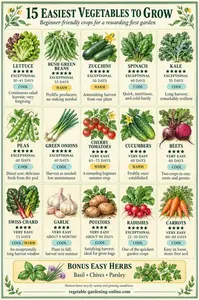
Easiest Vegetables to Grow: 15 Foolproof Crops for Beginners
Sep 15, 26 09:24 AM
 Easiest vegetables to grow for beginners - with advice on what makes each one easy, how to get started, and which vegetables are harder than they look.
 -
How to Grow Green Beans
Sep 14, 26 07:53 PM
 How to Grow Green Beans: The Complete Guide to Bush and Pole Beans. Green beans are one of the most forgiving crops a beginner can choose.
 -
Seasonal Vegetable Garden
Sep 14, 26 05:38 PM
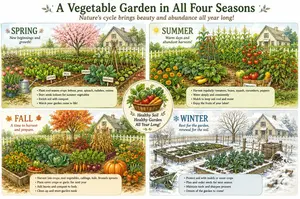
 Seasonal Vegetable Garden — Growing Food Through Every Season
 -
Overwintering Vegetables: Fall-Planted Crops for Early Spring Harvest
Sep 14, 26 05:35 PM
 Learn about overwintering vegetables like garlic, fava beans, and onions, planted in fall to sit through winter and reward you with an early spring harvest.
 -
Free Vegetable Garden Journal— Printable Downloads for Home Gardeners
Sep 14, 26 01:51 PM
 Download our free Vegetable Garden Journal — choose a full 16-page version or simpler 7-page journal. Track planting, harvest, & garden notes season by season.
 -
Free Vegetable Garden Cut and Paste Activities for Kids Ages 5-7
Sep 12, 26 09:13 PM
 Free printable vegetable garden cut and paste activities for kids ages 5-7. Build your own garden, match seeds to plants, and learn what grows where.