How to Grow Beets: The Complete Guide from Seed to Harvest
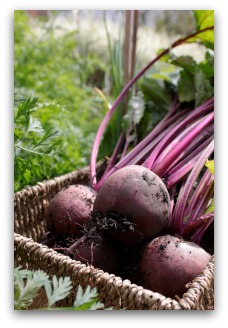
Learning how to grow beets is one of the best investments a vegetable gardener can make in a small amount of space, because beets give you two harvests from a single planting.
The swollen root is the obvious prize - sweet, earthy, and available in colors far beyond the deep red most people picture, including gold, white, and the striking pink-and-white rings of Chioggia.
But the leafy tops are just as valuable, with a flavor and texture similar to Swiss chard, and harvesting some of them along the way does not come at the expense of the root below, as long as you leave enough leaves for the plant to keep growing.
Beets are also very undemanding once you understand a few key points about timing and thinning.
They are a true cool-season crop, sowing easily directly in the garden, tolerating light frost without complaint, and needing relatively little space to produce a worthwhile harvest - a single small bed, a few containers, or even a narrow strip along the edge of another planting is enough to keep a household supplied.
This complete guide covers everything you need to know about how to grow beets, from choosing a variety and preparing the soil through to harvesting both roots and greens, plus how to store a beet crop for use well beyond the growing season.
According to Texas A&M AgriLife Extension, beets are well suited to large or small home gardens since they require little room, growing well in both spring and fall as a genuine cool-season crop.
Source: Texas A&M AgriLife Extension - Growing Beets
Best Beet Varieties for Home Gardens

Choosing the right variety is an enjoyable first step in how to grow beets, since the range of colors, shapes, and flavors available to home gardeners goes well beyond what is typically sold in stores.
Detroit Dark Red is the classic, most widely planted beet variety, with a reliably round shape, deep red color, and excellent all-purpose flavor that holds up well for both fresh eating and canning. It remains one of the best starting points for anyone learning how to grow beets for the first time.
Chioggia, sometimes called Candy Stripe, is a quick-maturing heirloom with a distinctive pattern of pink and white concentric rings when sliced - it has a slightly milder flavor than standard red beets and is a favorite for fresh eating and visual appeal in salads.
Golden beets, sold under names like Touchstone Gold or Boldor, offer a sweeter, milder flavor than red varieties and have the practical advantage of not staining hands, cutting boards, or other ingredients the way red beets can. They also retain their color well when cooked. Bull's Blood is grown as much for its striking deep red-purple foliage as for its root, and the leaves make a particularly attractive and flavorful addition to salads.
For pickling and uniform slicing, cylindrical varieties such as Formanova or Cylindra produce elongated, carrot-shaped roots that yield consistent rounds with very little waste.
Best beet varieties for home gardeners
| Variety | Color | Days to Maturity | Best For |
|---|---|---|---|
| Detroit Dark Red | Deep red | 55-60 days | All-purpose; classic flavor; reliable beginner choice |
| Chioggia | Red and white rings | 55 days | Fresh eating; visual appeal; milder flavor |
| Touchstone Gold | Golden yellow | 55-60 days | Sweet, mild flavor; does not stain |
| Bull's Blood | Dark red (roots); deep red-purple leaves | 58 days | Striking ornamental leaves; salad greens |
| Formanova / Cylindra | Red | 60-65 days | Pickling; uniform slicing; less wasted trim |
| Early Wonder | Red | 50-55 days | Fast maturing; good for short seasons and succession sowing |
When to Plant Beets: Spring and Fall
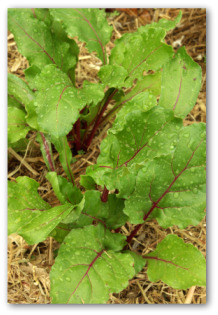
Timing matters in growing beets, since this is a genuine cool-season crop that performs best in moderate temperatures and struggles once sustained heat arrives.
Beets grow best when daytime temperatures sit somewhere between 50 and 75 degrees Fahrenheit, and quality declines noticeably above that range, with roots becoming tougher and less sweet.
For a spring crop, sow seeds directly outdoors two to four weeks before your last frost date, as soon as the soil can be worked and has reached at least 40 to 50 degrees Fahrenheit.
Beet seeds tolerate cool soil and light frost without difficulty, which is exactly why an early start is both possible and advantageous - it gets the crop growing and sizing up before summer heat sets in.
Continue succession sowings every two to three weeks until temperatures climb consistently above roughly 75 to 80 degrees Fahrenheit, then pause through the hottest stretch of summer.
For a fall crop, sow seeds again six to eight weeks before your first fall frost date, timed so roots mature in the cooling temperatures of autumn.
Many gardeners consider fall-grown beets to have the best flavor of the year, since cooler nights as the season progresses tend to sweeten the roots in much the same way frost sweetens carrots and parsnips.
In mild winter climates, beets can be grown right through winter for a continuous cool-season harvest.
Use our free interactive zone finder to confirm your frost dates before mapping out your how to grow beets schedule for either season.
Beet planting calendar by region
| Region | Spring Sowing | Fall Sowing | Notes |
|---|---|---|---|
| Northern US (Zones 3-5) | Late March to April | Mid July to early August | Both seasons reliable; succession sow through early summer |
| Mid-Atlantic / Midwest (Zones 5-6) | March | Late July to mid August | Fall crop often sweeter than spring |
| Pacific Northwest (Zones 7-8) | February to March | August | Wide planting window; mild summers extend spring sowings |
| Southern US (Zones 8-10) | January to February | September to October | Can grow right through mild winters |
Soil Preparation and Site Selection

Good soil preparation is one of the most important steps in how to grow beets with smooth, well-shaped roots rather than forked or misshapen ones.
Because the edible part of the plant is literally pushing its way through the soil as it develops, the physical condition of that soil has a direct and immediate effect on the final shape of the root.
Beets prefer loose, well-drained soil free of stones, clods, and other obstructions, with a pH between 6.0 and 7.0. Work the bed to a depth of at least eight to ten inches before planting, removing rocks and breaking up any compacted layers thoroughly - any obstruction a developing root encounters is likely to cause forking or twisting.
Mix in two to three inches of compost or well-aged manure before planting to improve fertility and structure, but avoid fresh, unrotted manure, which is high in nitrogen and tends to produce excessive leafy top growth at the expense of proper root development, along with a tendency toward forked or "hairy" roots.
Choose a site in full sun for the fastest growth and best root development, though beets tolerate partial shade reasonably well, particularly as a trade-off worth making during the hottest part of summer when some afternoon shade can help prevent stress.
Raised beds are an excellent option for how to grow beets in gardens with heavy clay or rocky native soil, since they offer the loose, well-draining environment beets need from the very start.
See our complete raised garden bed soil guide for advice on building the right growing mix.
How to Plant Beet Seeds
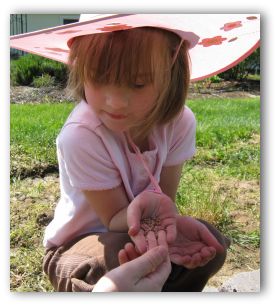
Understanding what a beet seed actually is helps explain one of the more distinctive parts of how to plant beets correctly. What looks like a single beet seed is actually a small dried seed cluster, typically containing two to six individual seeds fused together - which is exactly why beet seedlings tend to emerge in small clumps rather than as single, evenly spaced sprouts, and why thinning afterward is such an essential step.
Sow seeds about half an inch deep, spaced one to two inches apart within rows, with rows themselves spaced twelve to eighteen inches apart. Beet seeds germinate within five to fourteen days depending on soil temperature, fastest in the 60 to 75 degree Fahrenheit range, and more slowly in cooler conditions.
Soaking seeds in water for several hours to twenty-four hours before sowing can speed up germination, particularly useful when planting into cooler early-spring soil or drier conditions.
Keep the seed bed consistently moist throughout germination, since the small seed clusters need sustained moisture to swell and sprout reliably.
Beets transplant somewhat better than many root vegetables, which makes them a flexible option if you want a head start in a short-season climate - sow indoors a few weeks before your last frost date and transplant carefully once seedlings have a couple of true leaves, taking care not to disturb the developing taproot any more than necessary.
Thinning Beets: A Step You Cannot Skip
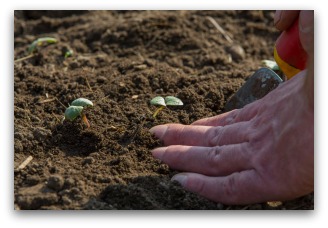
Thinning is one of the most important and most commonly neglected steps in how to grow beets, and it follows directly from the fact that each beet seed is really a small cluster of several seeds. Without thinning, multiple seedlings emerging from the same spot compete fiercely for space underground, and none of them develop into a properly sized root.
Thin seedlings once they reach about two inches tall, to a final spacing of three to four inches apart. Use scissors to snip unwanted seedlings off at the soil line rather than pulling them, since pulling risks disturbing the roots of the seedlings you are keeping nearby.
The good news is that thinned seedlings are not wasted - they make an excellent addition to a salad, with a tender texture and mild beet-and-chard flavor that many gardeners specifically look forward to each spring.
Resist the temptation to skip thinning or to leave plants more crowded than recommended in hopes of a bigger total harvest. Crowded beets push each other out of shape underground, producing small, irregular roots rather than the smooth, well-formed ones that make how to grow beets so rewarding when done properly.
Watering and Feeding Beets
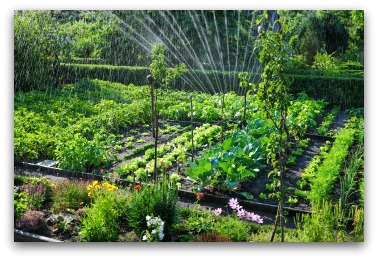
Consistent watering is one of the most important ongoing tasks in how to grow beets with smooth, tender roots rather than tough, cracked, or woody ones. Irregular moisture - a dry spell followed by heavy watering - is one of the most common causes of split or cracked beet roots, much as it is with carrots.
Water beets to provide about one inch per week, watering deeply rather than shallowly to encourage the root to grow downward. As roots begin to swell and size up, consistent deep watering becomes especially important for both size and flavor.
A two-inch layer of mulch around plants helps maintain this even soil moisture, suppresses competing weeds, and keeps the root zone cooler as temperatures rise later in the season.
Feeding needs for growing beets are generally modest if the bed was well prepared with compost at planting time. Beets respond well to potassium in particular, which supports root development, so a side dressing of compost or a balanced fertilizer with a slightly higher potassium content after thinning can help sustain good growth through a longer harvest window. As with soil preparation, avoid excessive nitrogen at any stage, since it consistently favors leafy top growth over the root development that is usually the main point of growing beets.
How to Harvest Beets: Both Roots and Greens

One of the most rewarding parts of how to grow beets is that a single planting gives you two distinct harvests - tender greens throughout the growing season and sweet roots at the end of it - as long as you manage the leaf harvest with a bit of restraint along the way.
Beet greens can be harvested at almost any point in the plant's life, beginning with the thinnings pulled early on. Once plants are more established, take only one or two of the larger outer leaves per plant at a time, leaving the smaller inner leaves intact so the plant can continue directing energy into the developing root below. Stop harvesting leaves heavily as harvest time for the roots approaches, since the plant needs adequate foliage to keep fueling root growth right up until you pull it.
Beet roots are ready to harvest when they reach roughly one and a half to three inches in diameter, usually forty-five to sixty-five days after sowing depending on variety and conditions - check by gently brushing soil away from the top of the root, which will be visible just at the soil surface.
Smaller beets, picked at around the size of a golf ball, tend to be the most tender and sweetest; larger ones, while still perfectly edible, become progressively tougher and more fibrous.
To harvest, loosen the soil gently with a hand fork if needed, then pull the beet by grasping the leaves close to the crown.
Twist off the tops, leaving an inch or so of stem attached, rather than cutting the root itself, which helps the beet keep better in storage.
Beet harvest size guide
| Root Diameter | Texture and Flavor | Best Use |
|---|---|---|
| Golf-ball size (1-1.5 inches) | Most tender and sweetest | Fresh eating; roasting whole; salads |
| Tennis-ball size (2-3 inches) | Good flavor; firmer texture | All-purpose cooking; slicing; pickling |
| Larger than 3 inches | Tougher, more fibrous, may develop a woody core | Still edible; best peeled and used in soups or stews |
Storing Beets After Harvest
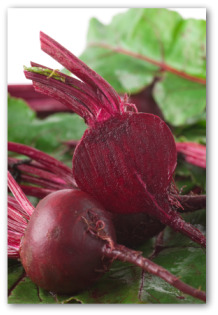
Beets store exceptionally well compared to most vegetables, which makes the effort of how to grow beets pay off well beyond the growing season itself. This is one of the most practical rewards of how to grow beets at home rather than relying on store-bought roots that have already spent weeks in transit and storage.
For short-term storage, remove the greens (which draw moisture from the root if left attached), leaving about an inch of stem, and refrigerate unwashed roots in a perforated plastic bag, where they keep well for two to three weeks. Store the greens separately in their own bag, since they are more perishable and best used within just a few days.
For longer storage, cold and humid conditions are ideal - around 32 to 40 degrees Fahrenheit with high humidity, similar to what carrots and parsnips prefer. A traditional method packs unwashed roots in layers of just-damp sand, sawdust, or peat moss inside a box or bin, kept in a root cellar, cool basement, or unheated garage. Stored this way, beets often keep for several months.
In mild climates, beets can also simply be left in the ground under a layer of mulch and harvested as needed through much of the winter. Beyond fresh storage, beets pickle beautifully and are also a popular choice for canning, two preservation methods that extend a Common Problems When Growing Beetsgood harvest for a year or more.
Common Problems When Growing Beets

A handful of recurring issues account for most of the trouble gardeners encounter while learning how to grow beets, and the majority trace back to soil conditions, watering, or excess nitrogen. Recognizing these patterns early makes how to grow beets a much less frustrating project overall.
Forked, twisted, or misshapen roots almost always result from stones, compaction, or other obstructions in the soil, or sometimes from overcrowding due to insufficient thinning. Thorough soil preparation before planting and disciplined thinning afterward prevent the great majority of these cases.
Cracked or split roots typically point to inconsistent watering - a dry stretch followed by a sudden heavy watering or rainfall. Mulching and a consistent watering schedule are the most effective preventive steps. Small, pale, or oddly textured roots with internal white rings can result from high temperature fluctuations during root development, a quality issue rather than a disease, and is most effectively avoided by timing plantings for genuinely cool conditions.
Leaf miners are a common pest, tunneling through leaf tissue and leaving pale, blistered trails that make affected leaves unappealing, though the roots below are generally unaffected. Row cover placed over young plants helps exclude the adult flies before they lay eggs. Wireworms are one of the more serious below-ground pests in some regions, and some gardeners plant sliced potatoes nearby as a trap crop to draw wireworms away from developing beet roots. Cercospora leaf spot and scab are the most common diseases, both managed primarily through crop rotation and avoiding excessively wet, poorly drained soil.
Common beet problems and solutions
| Problem | Most Likely Cause | Solution |
|---|---|---|
| Forked or twisted roots | Stones, compaction, or overcrowding | Thorough soil prep; remove obstructions; thin properly |
| Cracked or split roots | Inconsistent watering | Water consistently; mulch heavily |
| Lots of leafy growth, small roots | Excess nitrogen | Avoid fresh manure; use balanced or potassium-leaning fertilizer |
| Pale, blistered trails in leaves | Leaf miner larvae | Row cover from planting; remove affected leaves |
| Tunneled or damaged roots | Wireworms | Potato slice trap crop; crop rotation |
| Poor germination | Soil too dry during germination; old seed | Keep soil consistently moist; use fresh seed each season |
Companion Planting for Beets

Companion planting offers practical benefits in how to grow beets, mainly through efficient use of space and a few well-documented beneficial pairings.
Onions and garlic are good companions, since their scent can help deter some of the pests that affect beets, while beets in turn do not compete heavily with alliums for space or light.
Bush beans, cabbage family crops, and lettuce are all generally compatible neighbors, making efficient use of the same bed without significant competition.
Keep beets away from pole beans specifically, which are commonly reported to stunt beet growth when planted too closely, even though bush beans cause no such issue. See our complete companion planting chart for vegetables for the full guide to pairing beets with other crops in your garden.
Growing Beets in Containers

Frequently Asked Questions About How to Grow BeetsGrowing beets in containers works well, since their compact root system and modest space requirements suit container culture nicely.
Use a container at least eight to twelve inches deep with good drainage, filled with a quality potting mix blended with compost - round varieties do well in eight to ten inches of depth, while longer cylindrical types benefit from the full twelve inches or more.
Sow seeds at the same depth and spacing recommended for in-ground plantings, and thin just as diligently, since crowding affects container-grown beets exactly the same way it does those in the ground.
Water container beets a little more frequently than in-ground plantings, since pots dry out faster, and feed lightly once plants are established.
A container of beets on a sunny patio or balcony, managed with the same care described throughout this guide, produces a genuinely worthwhile harvest of both roots and greens.
See our complete container vegetable gardening guide for further advice on container growing in general.
Frequently Asked Questions About How to Grow Beets

1. How long does it take to grow beets from seed to harvest?
Most beet varieties take forty-five to sixty-five days from sowing to harvest, depending on variety and growing conditions, with the greens often ready to start harvesting in thinnings well before the roots reach full size.
2. Can I eat beet greens, or are they just for the roots?
Beet greens are entirely edible and genuinely delicious, with a flavor and texture similar to Swiss chard - not surprising, since the two plants are closely related. Harvesting some outer leaves throughout the season, while leaving enough foliage for the root to keep developing, gives you two distinct vegetables from a single planting.
3. Why are my beet roots small even though the plants look healthy?
Small roots despite healthy-looking tops usually point to overcrowding from insufficient thinning, excess nitrogen pushing growth into leaves rather than roots, or harvesting too early before the root has had time to size up. Thinning properly to three to four inches apart and avoiding high-nitrogen fertilizers both address this directly.
4. Can I grow beets in partial shade?
Beets tolerate partial shade reasonably well compared to many root vegetables, and a bit of afternoon shade during the hottest part of summer can actually help reduce stress. That said, full sun produces the fastest growth and best root development, so reserve shadier spots for beets only when better light is not available.
5. Is fall or spring better for growing beets?
Many experienced gardeners consider fall the better season for how to grow beets, since cooling temperatures and shortening days tend to sweeten the roots in much the same way frost improves carrots and parsnips, while also avoiding the risk of heat stress that a spring crop can run into as summer approaches. Both seasons work well, though fall plantings are often more forgiving and produce noticeably sweeter roots.
More Vegetable Growing Guides

- Growing Vegetables — complete hub for growing all vegetables at home

Recent Articles


-
How to Grow Green Beans
Sep 15, 26 10:55 PM
 How to Grow Green Beans: The Complete Guide to Bush and Pole Beans. Green beans are one of the most forgiving crops a beginner can choose.
 -
How to Grow Cabbage
Sep 15, 26 12:33 PM
 How to Grow Cabbage: The Complete Guide from Seed to Harvest. This complete guide covers everything you need to know about how to grow cabbage.
 -
Easiest Vegetables to Grow: 15 Foolproof Crops for Beginners
Sep 15, 26 09:24 AM
 Easiest vegetables to grow for beginners - with advice on what makes each one easy, how to get started, and which vegetables are harder than they look.
 -
Seasonal Vegetable Garden
Sep 14, 26 05:38 PM
 Seasonal Vegetable Garden — Growing Food Through Every Season
 -
Overwintering Vegetables: Fall-Planted Crops for Early Spring Harvest
Sep 14, 26 05:35 PM
 Learn about overwintering vegetables like garlic, fava beans, and onions, planted in fall to sit through winter and reward you with an early spring harvest.
 -
Free Vegetable Garden Journal— Printable Downloads for Home Gardeners
Sep 14, 26 01:51 PM
 Download our free Vegetable Garden Journal — choose a full 16-page version or simpler 7-page journal. Track planting, harvest, & garden notes season by season.
 -
Free Vegetable Garden Cut and Paste Activities for Kids Ages 5-7
Sep 12, 26 09:13 PM
 Free printable vegetable garden cut and paste activities for kids ages 5-7. Build your own garden, match seeds to plants, and learn what grows where.