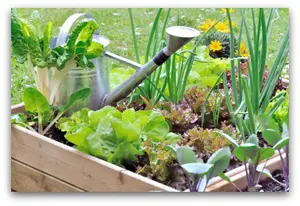
Growing Herbs in the Garden —
Your Complete Herb Guide
 Herb gardens can be both productive and beautiful!
Growing herbs in the garden is one of the most rewarding things a home vegetable gardener can do.
Herbs are easy to grow, take up very little space, produce throughout the season, and pay for themselves in flavor within the first few harvests.
A small herb bed just outside the kitchen door gives you access to fresh basil, thyme, rosemary, parsley, dill, and more — ingredients that transform everyday cooking and taste nothing like their dried store-bought counterparts.
You will find individual growing guides for all the major culinary herbs, plus tips for growing herbs in containers, growing herbs indoors, and designing your herb garden for maximum productivity and beauty.
Whether you are planting your first herb garden or expanding an existing one, growing herbs in the garden is a project that rewards you all season long.
Individual Herb Growing Guides
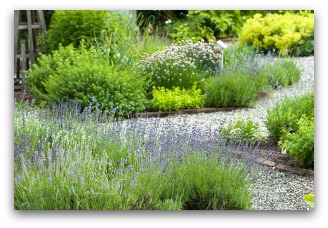 Herb gardens can lend beauty to any landscape design.
Growing herbs in the garden starts with knowing the individual needs of each herb. Some herbs, like basil, demand full sun and warm temperatures and will sulk in cool weather.
Others, like parsley and chives, prefer the cooler sides of the season and can handle light frost. Knowing what each herb needs before you plant it saves a great deal of frustration and gives you the confidence to grow herbs successfully year after year.
Below are our individual growing guides for the most popular culinary herbs. Each guide covers the specific needs of that herb — sunlight, soil, watering, spacing, when to plant, how to harvest, and how to keep the plant producing as long as possible.
Use these guides alongside the general growing herbs in the garden tips further down this page for the best results.
- Growing Basil — the classic companion to tomatoes; full sun, warm weather, regular pinching keeps it productive
- Growing Thyme — a hardy perennial that thrives with minimal care; excellent for borders and between stepping stones
- Growing Sage — a drought-tolerant perennial with bold flavor; beautiful in the garden as well as the kitchen
- Growing Parsley — a biennial best grown as an annual; prefers cool weather and consistent moisture
- Growing Dill — a fast-growing annual beloved by pollinators; essential for pickling and a great companion plant
- Growing Fennel — a tall, dramatic herb with anise flavor; keep it away from most vegetables as it inhibits their growth
- Growing Rosemary — a woody perennial that loves heat and dry conditions; one of the most versatile kitchen herbs
Growing herbs in the garden rewards you with fresh flavor, natural pest control, and beauty throughout the season — all from a surprisingly small amount of space.
This page is part of our Growing Herbs hub, where you will find individual growing guides for basil, thyme, sage, rosemary, dill, parsley, cilantro, chives, and fennel, along with tips for container herb gardens and using herbs as companion plants throughout the vegetable garden.
Growing Herbs in the Garden — complete hub for all our herb growing guides, container herb tips, and companion planting information
Planning Your Herb Garden Layout
 Mix some herbs and flowers in your vegetable garden; it will look great, and you will enjoy having fresh herbs for the kitchen.
Growing herbs in the garden is most productive when you plan the layout thoughtfully before you plant.
Many popular choices of herbs can be fitted comfortably in a bed sized about ten by three feet — a manageable size that keeps all the plants within easy reach for harvesting without stepping on the soil.
This is the most practical starting point for growing herbs in the garden for the first time.
When planning your herb garden layout, group herbs with similar needs together. Mediterranean herbs like rosemary, thyme, sage, and oregano prefer dry, well-drained soil and full sun — they originated in similar climates and thrive under the same conditions.
Cool-season herbs like parsley, cilantro, and dill prefer more moisture and can handle partial shade, especially in warmer regions where full summer sun causes them to bolt quickly.
Confine spreading or invasive herbs — especially mint — to containers or clearly edged beds. Mint is notoriously vigorous and will take over an open bed if left unchecked.
Growing herbs in the garden works best when each plant has room to develop to its full size without crowding its neighbors.
When in doubt, read the mature size on the seed packet and space accordingly.
Some herb garden designs use a formal layout such as the classic cartwheel or fan design, with wedge-shaped beds radiating from a central point.
This style makes the plants easier to reach for harvesting and maintenance, and gives the herb garden a distinctive, attractive look.
Informal cottage-style plantings of herbs mixed in among flowers and vegetables are equally productive and have the advantage of flexibility as your garden evolves year to year.
Basic Requirements for Growing Herbs in the Garden
 Herb gardens can be planted in the ground, and also grown in smaller pots.
Most herbs share a few core requirements that make growing herbs in the garden straightforward for gardeners at any experience level. Understanding these basics will serve you well across the full range of culinary herbs.
- Sunlight is the single most important factor in growing herbs successfully. The majority of culinary herbs need at least six hours of direct sun per day, and most do best with eight or more hours. Herbs grown in too much shade become leggy, produce fewer of the aromatic oils that give them their flavor, and are more susceptible to disease. If your garden has a sunny border or a south-facing bed, that is the ideal location for growing herbs in the garden.
- Soil drainage is the second key factor. Almost all herbs prefer well-drained soil and will rot in waterlogged conditions. If your soil is heavy clay, raise the herb bed slightly or add coarse sand and compost to improve drainage before planting. Herbs do not need rich, heavily fertilized soil — too much nitrogen causes lush leafy growth at the expense of the essential oils that create flavor and fragrance.
- Watering should be deep and infrequent rather than light and frequent. This encourages deep root development and results in more drought-tolerant, robust plants. Allow the soil to dry somewhat between waterings for most herbs, especially the Mediterranean varieties. Basil is the exception — it prefers consistently moist soil and wilts quickly when dry.
- Harvesting regularly is one of the most important practices in growing herbs in the garden. Regular harvesting encourages branching and prevents plants from going to seed prematurely. For most leafy herbs, harvesting the top third of the plant at a time is the correct approach. Never remove more than one third of the plant at once, as this stresses the plant and slows regrowth.
Growing Herbs in Pots and Containers
 Container herb gardens can be beautiful as well as useful--adding flavor to your favorite foods.
Growing herbs in the garden does not require a garden bed. Container growing is an excellent option for many herbs, offering the flexibility to move plants around, bring tender perennials indoors before frost, and grow herbs on patios, porches, balconies, and windowsills where there is no ground space at all.
Containers used for growing herbs should always have drainage holes — herbs sitting in waterlogged soil will quickly decline. Choose containers appropriate to the mature size of each herb. Compact herbs like thyme, chives, and small basil varieties grow happily in a six-inch pot. Larger herbs like rosemary, dill, and fennel need containers of at least twelve inches to develop properly.
An arrangement of decorative pots grouped together creates a charming kitchen herb garden near the back door. Use a high-quality potting mix rather than garden soil, which can compact in containers and reduce drainage. Feed container herbs with a liquid fertilizer at half strength every two to three weeks during the growing season, as nutrients leach out of containers more quickly than from garden beds.h
 Some outdoor container herb gardens can be grown is smaller pots.
- Growing Herbs in Pots — tips for container herb gardens on patios, porches, and balconies
- Herb Container Gardens — designing and planting attractive container herb gardens near your kitchen
Growing Herbs Indoors
 Indoor herb gardens can grow on a bright windowsill, or be supplemented with grow lights.
Many culinary herbs can be grown successfully indoors, extending your fresh herb season through the winter months when the outdoor garden is dormant. Growing herbs in the garden translates naturally to indoor growing — the same basic needs of sun, drainage, and airflow apply, though the indoor environment requires some adjustments.
Choose a sunny windowsill that receives at least six hours of direct light — a south-facing window is ideal. If adequate natural light is not available, a full-spectrum grow light set to run for fourteen to sixteen hours daily will keep herbs producing well through winter. Over-watering is the most common problem with indoor herbs. Water when the top inch of soil feels dry, and always empty the drainage saucer after watering to prevent root rot.
Basil, chives, parsley, thyme, rosemary, and mint are among the most reliable herbs for indoor growing. Dill and cilantro can be grown indoors but require more light than a typical windowsill provides and are usually more successful under grow lights.
Herbs as Companion Plants in the Vegetable Garden
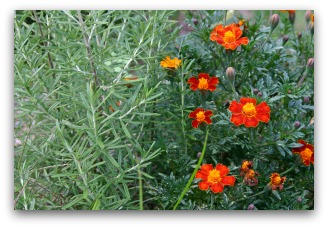 Companion planting sage and marigolds in the garden can help repel pests.
One of the best reasons for growing herbs in the garden alongside your vegetables is the companion planting benefit many herbs provide.
Herbs are among the most effective companion plants available to the home gardener, attracting beneficial insects, repelling common pests, and in some cases improving the flavor and yield of neighboring vegetables.
- Basil planted near tomatoes is the most famous culinary herb companion planting combination — it is said to repel aphids, whiteflies, and tomato hornworms while improving the flavor of the tomatoes themselves.
- Dill attracts beneficial predatory wasps that prey on aphids and caterpillars, making it a valuable addition near any brassica planting.
- Rosemary and sage help deter cabbage moths when planted near broccoli, cabbage, and kale.
- Chives planted around the base of roses or near carrots help deter aphids and carrot flies.
Do not plant fennel near most vegetables — it is allelopathic, meaning it releases compounds that inhibit the growth of many neighboring plants.
Keep fennel isolated at the edge of the garden or in its own container.
- Companion Planting of Vegetables — complete guide to companion planting including herbs as garden companions
- Companion Planting Chart — free printable quick-reference chart for companion planting including herbs
More Vegetable Garden Resources
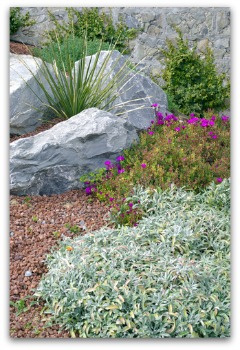 Some herbs also grow well in a rock garden.
Growing herbs in the garden is a natural companion to growing vegetables, and our site covers both in depth.
Visit our vegetable growing hub for guides to every major vegetable crop, or our free printables hub for downloadable planning worksheets, zone charts, and planting calendars that will help you organize your entire growing season — including your herb garden.
- Planning a Vegetable Garden — complete hub for garden planning guides, layouts, and tools
- Free Vegetable Garden Printables — free downloadable worksheets, zone charts, and planting calendars
- Free Newsletter — sign up for seasonal gardening tips and updates including new herb growing guides
The Herb Society of America —
Trusted Resource for Herb Growers
 Have a kitchen herb growing near the back porch; handy for harvesting fresh herbs for the kitchen.
For deeper exploration of herb history, culture, and growing practices, the Herb Society of America at herbsociety.org is the most respected authority on herbs in the United States.
Their resources cover culinary, medicinal, and ornamental herbs in depth and include research, educational materials, and guidance for herb gardeners at every level of experience.
- The Herb Society of America — trusted authority on culinary, medicinal, and ornamental herbs with educational resources for home herb gardeners
Recent Articles


-
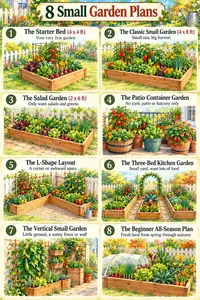
Small Vegetable Garden Plans: 8 Layouts That Maximise Space
Oct 08, 26 10:41 AM
 Small vegetable garden plans are some of the most searched and most valuable resources in home food growing.
 -
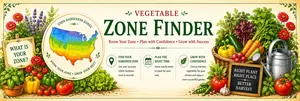
USDA Zone Finder - Find Your Vegetable Planting Dates | Vegetable-Gardening-Online.com
Oct 07, 26 03:53 PM
 Find your USDA hardiness zone, last spring frost date, and first fall frost date by state and region. Free interactive zone finder from Vegetable-Gardening-Online.com.
 -
Interactive Vegetable Garden Planner | Vegetable Gardening Online
Oct 07, 26 02:29 PM
Design a vegetable garden with correctly scaled plant spacing, companion flowers, drag-and-drop placement, and a printable plan. -
Free Printable Garden Stationery: Gardening Letter Paper & Note Cards
Oct 07, 26 12:48 PM
Free printable garden stationery: watercolor letter paper, lined and unlined, plus folded note cards with garden, fall, and Christmas scenes. Print at home. -
Free Preschool Vegetable Garden Cut and Paste Activities
Oct 07, 26 12:43 PM
 Free preschool vegetable garden cut and paste activities for ages 3-4. Build your own backyard, container, or seed packet garden scene, and sticker sheets.
 -
Planning a Vegetable Garden: Layouts, Raised Beds, Containers & More
Oct 06, 26 07:44 PM
 Planning a vegetable garden? Start here: layouts, raised beds, containers, square foot gardening, free planning tools, and tips to avoid beginner mistakes.
 -
How to Start a Vegetable Garden: 10 Easy Steps for Beginners
Oct 06, 26 04:38 PM
 How to start a vegetable garden in 10 easy steps: pick a sunny spot, choose raised beds or containers, prepare the soil, and grow easy vegetables.