- Home
- How to Grow Vegetables
- Growing Broccoli
- How to Grow Broccoli
How to Grow Broccoli: The Complete Guide from Seed to Harvest
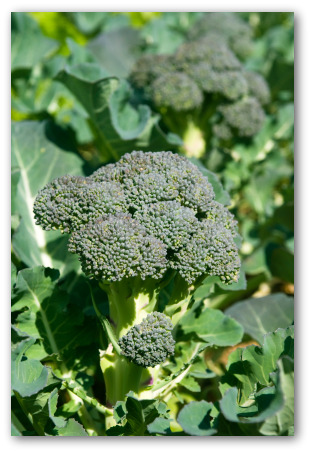
Learning how to grow broccoli is one of the most rewarding decisions a home vegetable gardener can make. Fresh broccoli cut from the garden and eaten the same day has a sweetness and tenderness that supermarket broccoli - harvested days earlier and refrigerated in transit - simply cannot match.
Children who refuse broccoli on the dinner plate have been known to eat it raw, straight from the plant, when they have grown it themselves. How to grow broccoli well is a skill that delivers genuine quality differences in the kitchen.
How to grow broccoli is also a question that opens up a full two-season growing opportunity. Unlike most warm-season vegetables, broccoli is a cool-season crop that grows best in the mild temperatures of spring and fall - giving you two productive windows each year.
A spring planting provides heads in late spring or early summer before heat arrives.
A fall planting started in midsummer produces the finest broccoli of the year, harvested in the crisp temperatures of September and October when the heads develop exceptional sweetness and density. This complete how to grow broccoli guide covers everything you need for success in both seasons.
Source: NC State Cooperative Extension - Tips for Harvesting Broccoli
Types of Broccoli to Grow at Home

Before diving into how to grow broccoli, it helps to understand the different types available and what each one offers the home gardener. Choosing the right type of broccoli to grow is an important first step that affects timing, spacing, harvesting method, and total yield.
Heading broccoli (also called Calabrese) is what most people picture when they think of how to grow broccoli. It produces one large central head of tightly packed dark green flower buds on a thick central stalk. This main head is harvested at four to eight inches across before the buds begin to open. After the central head is cut, most heading broccoli varieties continue to produce multiple smaller side shoots that extend the harvest by four to six weeks. Heading varieties are the most popular for home gardeners learning how to grow broccoli because they are fast, predictable, and very productive.
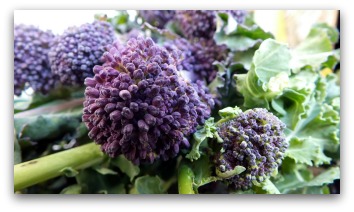
Sprouting broccoli is a different type that produces many small-to-medium florets on branching stems rather than a single large head. Sprouting broccoli varieties are harvested over a much longer period and some continue producing for months. Purple sprouting broccoli is one of the most cold-hardy broccoli types - it overwinters in mild climates and provides some of the earliest spring harvests of any vegetable in the garden.
Romanesco broccoli is a visually spectacular type with lime-green, spiraling conical heads that look almost architectural. It has a nuttier, more complex flavor than standard heading broccoli and is worth growing how to grow broccoli enthusiasts who want something beyond the ordinary. Romanesco needs a longer season than standard heading types.
Broccoli types for home gardeners
| Type | Head Size | Days to Harvest | Side Shoots | Best For |
|---|---|---|---|---|
| Heading (Calabrese) | 4-8 inches; single large head | 50-80 days from transplant | Yes - extends harvest 4-6 weeks | Beginners; spring and fall; most productive type |
| Sprouting broccoli | Multiple small-medium florets | 60-100+ days | Continuous production by design | Long harvest season; overwintering; variety |
| Purple sprouting | Small purple florets | Overwinters; harvests spring | Continuous over several weeks | Cold-hardy; spring harvests; beautiful in garden |
| Romanesco | Spiraling conical heads | 75-100 days from transplant | Some side shoots after main head | Gourmet flavor; visual impact; experienced growers |
Best Broccoli Varieties for Home Gardens
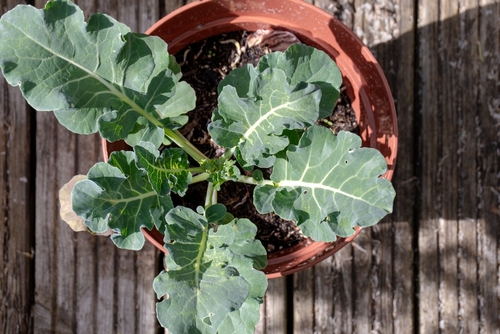
Choosing the right variety is one of the most important decisions in how to grow broccoli successfully. Broccoli varieties differ significantly in their days to maturity, heat tolerance, side shoot production, head size, and suitability for spring versus fall growing. The right variety for your climate and season can make the difference between a bumper harvest and a disappointing one.
For beginner gardeners learning how to grow broccoli for the first time, Belstar, Gypsy, and Green Magic are all excellent starting varieties. They are fast-maturing (60 to 65 days from transplant), heat-tolerant, and produce excellent heads with good side shoot production after the main harvest. These qualities make them forgiving choices for how to grow broccoli in both spring and fall seasons.
For fall growing broccoli specifically, varieties described as mid-season or fall types generally produce the finest heads. Autumn Star, Marathon, and Diplomat all produce exceptional heads in the cool temperatures of fall, with better flavor and density than varieties grown through summer heat. Fall broccoli growing is widely considered the best season for how to grow broccoli in most US climates - the gradually cooling temperatures from midsummer into autumn produce the most perfectly formed, flavored heads that broccoli can offer.
For gardeners who want the longest possible harvest, choose varieties with strong side shoot production. Waltham 29 (a classic open-pollinated variety) and De Cicco produce abundant side shoots over many weeks after the main head is harvested. For a single large head with a concentrated harvest, premium hybrid varieties like Belstar and Marathon are more uniform and larger-headed but produce fewer side shoots.
Best broccoli varieties for home gardeners
| Variety | Days from Transplant | Side Shoots | Best Season | Notes |
|---|---|---|---|---|
| Belstar | 63 days | Good | Spring and fall | Excellent beginner variety; heat tolerant; reliable |
| Green Magic | 60 days | Very good | Spring and fall | Fast; heat tolerant; consistently excellent heads |
| Gypsy | 60 days | Good | Spring and fall | Outstanding heat tolerance; best for warm climates |
| Marathon | 68 days | Moderate | Fall primarily | Very large heads; excellent fall variety; stores well |
| Waltham 29 | 74 days | Exceptional | Fall primarily | Classic heirloom; best side shoot production; open-pollinated |
| De Cicco | 70 days | Exceptional | Spring and fall | Heirloom; prolific side shoots; continuous harvest for months |
| Romanesco | 75-85 days | Some | Fall | Spectacular appearance; nutty flavor; longer season needed |
When to Plant Broccoli: Timing for Spring and Fall
Timing is the most critical factor in how to grow broccoli successfully. Broccoli is a cool-season crop that performs best when it matures in cool temperatures - ideally between 45 and 75 degrees Fahrenheit.
When broccoli matures during hot summer conditions, heads are small, yellow, and loosely formed with poor flavor.
The same variety grown to maturity in cool fall temperatures produces dense, tightly packed, deep green heads with exceptional sweetness. Understanding this temperature relationship is the single most important insight in how to grow broccoli well.
For spring broccoli growing, start seeds indoors four to six weeks before your last frost date. Transplant outdoors two to four weeks before the last frost date - broccoli is cold-hardy and tolerates light frost after hardening off.
Time spring plantings so the heads mature before sustained temperatures above 80 degrees Fahrenheit arrive. In warm climates, spring broccoli growing can be challenging because the window between last frost and summer heat is very narrow. How to grow broccoli in spring in warm climates (Zones 7 and above) requires fast-maturing, heat-tolerant varieties and careful timing.
For fall broccoli growing - which produces the best quality heads in most climates - start seeds indoors in midsummer, ten to twelve weeks before your first fall frost date. Transplant to the garden eight to ten weeks before first frost. This timing allows the plants to establish through late summer and produce their heads as temperatures cool in September and October. Fall is when how to grow broccoli reaches its full potential in most US gardens.
Use our free interactive zone finder to confirm your frost dates before planning your how to grow broccoli schedule for both spring and fall seasons.
Broccoli planting calendar
| Region | Spring: Start Indoors | Spring: Transplant | Fall: Start Indoors | Fall: Transplant |
|---|---|---|---|---|
| Northern US (Zones 3-5) | Late February to early March | Mid April to early May | Early to mid July | Early August |
| Midwest/Mid-Atlantic (Zones 5-6) | Late January to mid February | Late March to mid April | Late June to mid July | Late July to early August |
| Pacific Northwest (Zones 7-8) | January to February | March | June to July | July to August |
| Southern US (Zones 7-9) | December to January | February to March | August | September |
Starting Broccoli Seeds Indoors

Starting seeds indoors is the standard approach in how to grow broccoli, giving plants the protected start they need to produce large, well-formed heads. Broccoli seedlings grown indoors under lights are stronger, more uniform, and better established than directly sown outdoor plants, and the indoor start extends your effective growing season significantly.
Sow broccoli seeds half an inch deep in a quality seed starting mix, two seeds per cell. Broccoli germinates quickly in warm soil - five to ten days at 65 to 75 degrees Fahrenheit. A heat mat is helpful but not essential for broccoli as it does for heat-demanding crops like peppers. After germination, move to strong light immediately - grow lights running fourteen to sixteen hours per day, or the sunniest available windowsill. Broccoli seedlings grown with insufficient light become leggy and weak.
Thin to one seedling per cell when seedlings have their first true leaves. Transplants that are leggy or have crooked stems can be planted deeply, up to their first true leaves, when transplanting outdoors - this stabilizes them and encourages stronger root establishment.
Hardening off is essential in how to grow broccoli before transplanting outdoors. Broccoli seedlings raised indoors are accustomed to stable, protected conditions. Moving them directly to outdoor conditions causes transplant shock and checks their growth for weeks. Begin hardening off seven to ten days before your planned transplant date by gradually increasing outdoor exposure each day. See our complete growing vegetables from seed guide for full hardening off advice.
Soil, Location, and Planting Broccoli
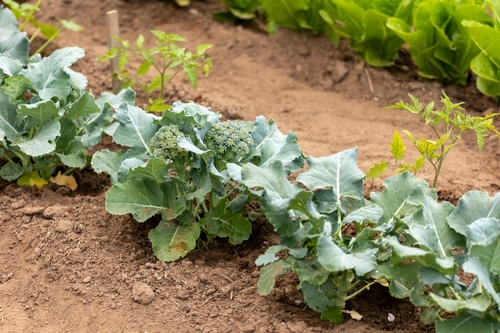
-Soil preparation is a critical foundation in how to grow broccoli with large, dense, well-formed heads. Broccoli is a heavy feeder - it demands significantly more nitrogen than most vegetables to develop the lush, rapid vegetative growth that produces large heads. Hungry broccoli plants, lacking adequate nitrogen, produce small, open, loosely packed heads with poor flavor.
Growing broccoli in excellent soil means working two to three inches of compost plus a balanced organic fertilizer into the bed before planting. Broccoli prefers a pH of 6.0 to 7.0 - slightly higher than most vegetables. If your soil is acidic (below 6.0), adding lime to the broccoli bed raises pH and reduces the risk of clubroot, the most serious soil-borne disease of the brassica family.
Location requirements are straightforward: full sun (six to eight hours minimum) and good air circulation. Avoid planting in low-lying areas where moisture collects and air stagnates - wet, still conditions favor the fungal diseases that affect brassica crops.
Space broccoli plants twelve to eighteen inches apart in rows twenty-four to thirty-six inches apart. Wider spacing produces larger main heads but fewer side shoots; closer spacing produces more modest heads but the plants support each other and shade out weeds more effectively. For raised bed square foot gardening, one broccoli plant per square foot (twelve-inch spacing) is the standard placement. This spacing allows adequate light and air circulation while using space efficiently.
Crop rotation is essential in how to grow broccoli season after season. Never plant broccoli or any brassica family member (cabbage, kale, cauliflower, Brussels sprouts) in the same bed two years in a row. Rotating to a fresh location each year prevents the buildup of clubroot and other soil-borne brassica diseases.
Watering and Feeding Broccoli

Consistent watering and adequate feeding are two of the most important ongoing skills in how to grow broccoli with the large, dense heads that make this crop so rewarding. Broccoli is more demanding in both areas than most vegetables, and neglecting either produces disappointing results.
Broccoli needs approximately one to one and a half inches of water per week. Consistent moisture is particularly important during head formation - this is when broccoli grows most rapidly and water stress at this stage produces small, loose, or prematurely opening heads. Water at the base of plants rather than overhead where possible - wet heads can develop rot and overhead watering in cool weather increases the risk of fungal disease.
Mulching around broccoli plants after transplanting is one of the most effective ways to maintain the consistent moisture that how to grow broccoli well requires. A two-inch layer of straw or shredded leaves between plants retains moisture, moderates soil temperature, and suppresses the weeds that compete with broccoli for nutrients.
Feeding is more important in growing broccoli than in most other vegetable crops because of its high nitrogen demand. At transplanting, the compost and fertilizer worked in at bed preparation provides initial nutrition.
When plants are established and growing strongly (three to four weeks after transplanting), apply a side-dressing of a balanced organic fertilizer or compost around each plant.
As heads begin to form, switch to a lower-nitrogen, higher-phosphorus feed to support head development. Yellowing lower leaves during the growing season indicate nitrogen deficiency - side-dress immediately with a nitrogen-rich amendment like blood meal or liquid fish emulsion.
How to Harvest Broccoli: Main Head and Side Shoots
Harvesting correctly is one of the most critical skills in how to grow broccoli productively. Getting the timing right for the main head harvest - and then continuing to harvest side shoots for weeks afterward - maximizes the total yield from each plant significantly.
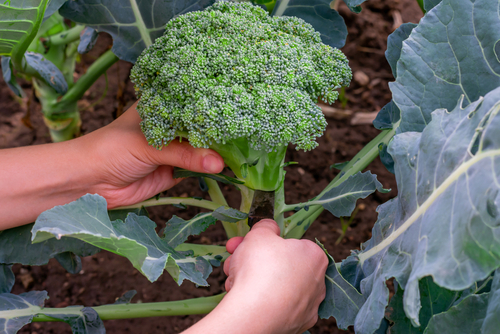
Harvest the main broccoli head when it is well developed, firm, and dark green with tightly closed buds - typically at four to eight inches across depending on variety.
Do not wait for the buds to open into yellow flowers - once flowering begins the head has passed its peak quality and the flavor becomes noticeably more bitter. Check broccoli plants every two to three days during the head formation period, as heads can go from perfect to over-mature surprisingly quickly in warm weather.
Use a sharp knife to cut the main head, leaving four to six inches of stem attached to the plant. This remaining stem is the foundation of the side shoot production that makes how to grow broccoli so productive over an extended season. Do not pull the plant - cut it cleanly and leave it in the ground.
After the main head is harvested, most broccoli varieties produce multiple side shoots from the remaining stem and leaf axils. These side shoots grow as small broccoli heads, typically one to three inches across, and are just as flavorful and nutritious as the main head.
Harvest side shoots regularly as they reach a good size - again, before the buds open. Side shoot production can continue for four to six weeks after the main harvest in cool fall conditions, dramatically extending the total yield from each plant.
How to grow broccoli for maximum side shoot production means leaving as much of the stem as possible after the main harvest, keeping plants consistently watered and fed, and harvesting side shoots promptly so the plant keeps producing. A single broccoli plant managed this way can provide multiple meals worth of fresh broccoli over a six to eight week season.
Growing Broccoli as a Fall Crop: Getting the Best Results
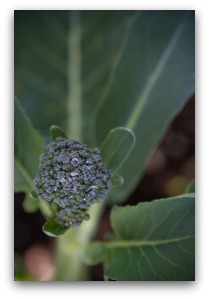
Fall is the finest season for growing broccoli in most US climates, and this is one of the most important things experienced broccoli growers know that beginners often discover by accident.
Broccoli grown to maturity in the gradually cooling temperatures of September and October produces heads with exceptional density, deep green color, and noticeably sweeter flavor compared to spring broccoli that matures in rising temperatures.
How to grow broccoli as a fall crop requires starting seeds in midsummer - which feels counterintuitive but is essential for getting plants large enough to produce good heads before frost. The challenge of how to grow broccoli for fall is germinating seeds and establishing young transplants in the heat of July and August.
This requires consistent watering of newly transplanted seedlings, temporary shade cloth over young plants during extreme heat, and using heat-tolerant varieties for the initial establishment period.
Once fall broccoli plants are established and the heat of late summer eases, they grow remarkably quickly in the cooling temperatures of September. How to grow broccoli for fall rewards the patience of the midsummer setup with some of the finest heads of the year - harvested in crisp autumn conditions with excellent flavor that continues to develop as temperatures cool.
Light frost actually improves fall broccoli flavor in the same way it improves kale and parsnips - the cold triggers sugar development that enhances sweetness. Fall broccoli plants can tolerate temperatures down to around 26 degrees Fahrenheit without significant damage to mature heads. This cold-hardiness is one of the most valuable characteristics in how to grow broccoli for late-season harvests. See our complete fall vegetable garden guide for full advice on timing and managing fall crops.
Common Broccoli Growing Problems and Solutions

Growing broccoli without encountering problems is rarely possible over a full season - but most common broccoli issues are predictable and preventable once you understand their causes.
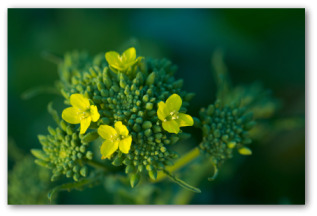
Heads that open into yellow flowers before you harvest them (bolting) is the most common disappointment in how to grow broccoli. Once the buds open, the head is past its peak and the flavor is significantly less delicious.
Prevention is the best strategy: check plants every two to three days during head formation, harvest at the right stage, and time plantings so heads form in cool rather than warm temperatures. Bolting is much more common in spring-grown broccoli than fall-grown broccoli because of the rising temperatures.
Buttoning - the production of very small, premature heads on undersized plants - is a common problem in how to grow broccoli from transplants that were stressed during their indoor growing period. Root-bound transplants, temperature stress during hardening off, or nitrogen deficiency all cause buttoning. Use fresh, uncrowded transplants with a healthy root system, harden off carefully, and ensure adequate nitrogen in the soil at planting.
Cabbage caterpillars (the larvae of the cabbage white butterfly) are the most destructive insect pest in how to grow broccoli. The white butterfly lays eggs on brassica leaves and the green caterpillars that hatch eat rapidly, leaving ragged holes throughout the plant. Fine mesh insect netting placed over plants from transplanting is the most effective prevention - it excludes the butterfly entirely and requires no further management. Hand picking caterpillars and egg clusters (pale yellow ovals on leaf undersides) is effective for small plantings. Bt (Bacillus thuringiensis) spray is an excellent organic control for established infestations
Common broccoli growing problems and solutions
| Problem | Cause | Solution |
|---|---|---|
| Head opening into yellow flowers | Bolting from heat or late harvest | Check every 2-3 days; fall growing; fast-maturing varieties; harvest promptly |
| Buttoning (tiny premature heads) | Root-bound transplants; cold stress; nitrogen deficiency | Fresh transplants; careful hardening off; adequate nitrogen at planting |
| Loose, open, poorly formed heads | Heat during head formation; water stress | Fall growing; consistent watering; heat-tolerant varieties |
| Cabbage caterpillars (ragged holes) | Cabbage white butterfly larvae | Fine mesh netting; hand pick; Bt spray; check leaf undersides for eggs |
| Aphids on growing tips | Aphid colonies; common in spring | Jet of water; insecticidal soap; plant dill and celery nearby |
| Clubroot (wilting; swollen roots) | Soilborne fungus; favored by acidic, wet soil | Raise pH above 7.0; improve drainage; strict crop rotation; resistant varieties |
| Yellowing lower leaves | Nitrogen deficiency | Side-dress with nitrogen-rich fertilizer; fish emulsion; blood meal |
Companion Planting for Broccoli

Companion planting is particularly valuable in growing broccoli because broccoli is a heavy feeder that benefits from nitrogen-fixing neighbors, and its most damaging pests can be deterred by the right plant companions placed strategically throughout the bed.
The best companions for growing broccoli are celery and dill, both of which are documented deterrents of cabbage white butterfly - the most damaging broccoli pest. Celery planted at the ends of broccoli rows appears to confuse the butterfly's ability to locate brassica plants. Dill attracts parasitic wasps that lay eggs in cabbage worm larvae, controlling caterpillar populations naturally.
Nasturtiums planted around the broccoli bed act as a trap crop that attracts aphids away from the plants. Marigolds throughout the bed deter a wide range of soil and foliar pests. Onions, garlic, and chives planted nearby repel aphids and other common brassica pests through their volatile compounds.
Beans and peas planted near broccoli beds fix nitrogen in the soil that the heavy-feeding broccoli plants draw on throughout their growing season. Rosemary planted as a border repels cabbage moth and is one of the most aromatic and effective brassica companions available.
Keep broccoli away from tomatoes and peppers - the very different soil and nutritional needs of these crops make them poor bed companions, and crowding them can promote the fungal conditions that affect both plant families. Fennel should be kept well away from broccoli and all other brassicas.
See our complete companion planting chart for vegetables for the full guide to what grows best near broccoli and what to keep separated.
Frequently Asked Questions About How to Grow Broccoli
1. How long does it take to grow broccoli from seed to harvest?
How long it takes to grow broccoli on a specific timeline depends on the variety and season. Early-season varieties take 50 to 65 days from transplant to main head harvest. Mid-season varieties take 65 to 80 days. Add six to eight weeks for indoor seed starting before transplanting, and the total time from seed sowing to first harvest is typically fourteen to twenty weeks. Fall growing broccoli started indoors in midsummer is typically harvested ten to fourteen weeks after transplanting outdoors in August or September.
2. Why is my broccoli head small?
Small broccoli heads are caused by several factors. The most common in how to grow broccoli are buttoning from stressed transplants, heading during hot weather rather than cool, insufficient nitrogen in the soil, or overcrowding that limits individual plant development. Fall-grown broccoli in a nitrogen-rich, well-prepared bed with adequate spacing consistently produces larger heads than spring broccoli in most climates.
3. Can I grow broccoli in containers?
Growing broccoli in containers is possible but requires large containers - at least five gallons per plant, and ten gallons produces better results. Standard heading varieties can be grown in containers on a sunny patio with consistent watering and weekly feeding. The compact Belstar variety performs particularly well in containers. Container broccoli needs more frequent watering than in-ground plants and benefits from weekly liquid feeding from transplanting through harvest.
4. What should I do after harvesting the main broccoli head?
After harvesting the main head, leave the plant in the ground with the stem intact. Most broccoli varieties produce multiple side shoots from the remaining stem and leaf axils over the following four to six weeks. Harvest these regularly when they reach one to three inches across, before the buds open. Keep plants watered and lightly fed during side shoot production. This post-harvest side shoot period is one of the most productive stages in how to grow broccoli and significantly increases total yield per plant.
5. Is fall or spring better for growing broccoli?
Fall is generally better for how to grow broccoli in most US climates. The gradually cooling temperatures of fall produce denser, better-flavored heads with more uniform bud development. Spring broccoli faces the challenge of maturing in rising temperatures that cause heads to open prematurely. Fall broccoli matures in conditions that actually improve the crop. The challenge with fall growing broccoli is the early setup in summer heat - but the resulting harvest makes it well worth the effort.
More Vegetable Growing Guides
- Growing Vegetables — complete hub for growing all vegetables at home

Recent Articles


-
How to Grow Cabbage
Sep 15, 26 12:33 PM
 How to Grow Cabbage: The Complete Guide from Seed to Harvest. This complete guide covers everything you need to know about how to grow cabbage.
 -
Easiest Vegetables to Grow: 15 Foolproof Crops for Beginners
Sep 15, 26 09:24 AM
 Easiest vegetables to grow for beginners - with advice on what makes each one easy, how to get started, and which vegetables are harder than they look.
 -
How to Grow Green Beans
Sep 14, 26 07:53 PM
 How to Grow Green Beans: The Complete Guide to Bush and Pole Beans. Green beans are one of the most forgiving crops a beginner can choose.
 -
Seasonal Vegetable Garden
Sep 14, 26 05:38 PM
 Seasonal Vegetable Garden — Growing Food Through Every Season
 -
Overwintering Vegetables: Fall-Planted Crops for Early Spring Harvest
Sep 14, 26 05:35 PM
 Learn about overwintering vegetables like garlic, fava beans, and onions, planted in fall to sit through winter and reward you with an early spring harvest.
 -
Free Vegetable Garden Journal— Printable Downloads for Home Gardeners
Sep 14, 26 01:51 PM
 Download our free Vegetable Garden Journal — choose a full 16-page version or simpler 7-page journal. Track planting, harvest, & garden notes season by season.
 -
Free Vegetable Garden Cut and Paste Activities for Kids Ages 5-7
Sep 12, 26 09:13 PM
 Free printable vegetable garden cut and paste activities for kids ages 5-7. Build your own garden, match seeds to plants, and learn what grows where.