How to Grow Lettuce: The Complete Guide to Year-Round Salad Greens
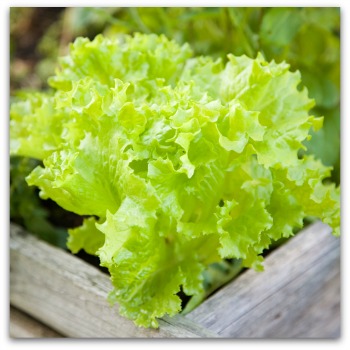
Learning how to grow lettuce is one of the best decisions any home food grower can make. Lettuce is fast, productive, versatile, and delivers some of the best cost-value of any vegetable you can grow. A single packet of lettuce seeds costing two to three dollars can produce fresh salad greens multiple times per week for three to four months - at supermarket prices, that represents fifty dollars or more of fresh produce from a few dollars of seed and a small patch of garden or a container on the patio.
The fresh flavor of homegrown lettuce is also genuinely better than anything sold in supermarket bags - brighter, more tender, and picked at true peak freshness rather than days after harvest. Once you know how to grow lettuce well, the cut-and-come-again harvest method means you can pick fresh leaves every day if you want them, growing enough for a household from a surprisingly small space. According to the University of California Cooperative Extension, lettuce is one of the most efficient and rewarding vegetables for home garden production, offering one of the highest yields per square foot of any vegetable when grown using cut-and-come-again methods.
Source: University of California Cooperative Extension - Home Vegetable Gardening
The Four Types of Lettuce to Grow at Home
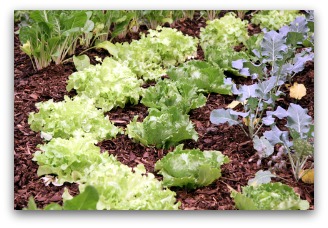
Before diving into how to grow lettuce, it helps to understand the four main types available and what each one offers. Choosing the right type for your growing situation and your kitchen preferences makes a real difference to how satisfying and productive your lettuce growing experience will be.
Loose-leaf lettuce is the best choice for beginners learning how to grow lettuce and for anyone who wants continuous harvests over the longest possible season. Loose-leaf varieties do not form a tight central head - instead they produce an open rosette of leaves that can be harvested individually from the outside while the center continues growing new leaves. This cut-and-come-again harvesting method allows one planting to produce multiple harvests over six to eight weeks. Loose-leaf lettuce is the fastest-maturing type (ready in 30 to 45 days), the most heat-tolerant of all lettuce types, and the most productive per square foot. Oak Leaf, Black Seeded Simpson, and mixed loose-leaf blends are excellent starting varieties.
Butterhead lettuce (also called Boston or Bibb) forms a loose, soft-leaved head with a buttery texture and mild, sweet flavor that many people consider the finest of all lettuce types for fresh eating. It takes slightly longer than loose-leaf varieties (50 to 60 days) and is somewhat more heat-sensitive, but the flavor reward is significant. Buttercrunch is the most popular and reliable butterhead variety for home gardeners growing lettuce in most climates.
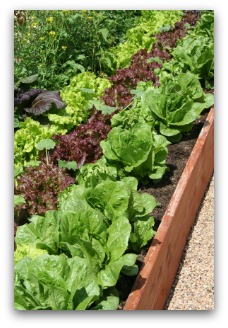
Romaine lettuce forms tall, upright heads with crisp, substantial leaves and a flavor more robust than other types. It is the slowest-maturing lettuce (60 to 75 days) but also the most heat-tolerant of the heading types - romaine holds up better in warm weather without bolting than butterhead or crisphead. Paris Island Cos and Little Gem are excellent romaine varieties for home gardens.
Crisphead or iceberg lettuce is the most familiar supermarket type - tight, dense, crunchy heads with a mild, watery flavor. It is also the most difficult lettuce type for home gardeners because it needs a long cool season to form heads properly and bolts quickly in heat. Most experienced home growers skip crisphead lettuce entirely and focus on the more productive and easier loose-leaf, butterhead, and romaine types.
Lettuce types at a glance
| Type | Days to Harvest | Heat Tolerance | Harvest Method | Best For |
|---|---|---|---|---|
| Loose-leaf | 30-45 days | Best of all types | Cut-and-come-again outer leaves | Beginners; continuous harvest; small spaces |
| Butterhead | 50-60 days | Moderate; bolts in heat | Full head or outer leaves | Best flavor; spring and fall growing |
| Romaine | 60-75 days | Good; most heat tolerant heading type | Full head or outer leaves | Summer; salads needing substance |
| Crisphead (Iceberg) | 70-90 days | Poor; bolts easily | Full head only | Not recommended for most home gardens |
Best Lettuce Varieties for Home Gardens

Growing lettuce from a carefully chosen selection of varieties gives you harvests over a far longer season and with far more variety than growing a single type. The best approach when growing lettuce at home is to choose a mix of fast loose-leaf types for continuous cut-and-come-again harvests, a butterhead variety for the finest flavor, and a romaine type for summer growing when heat makes other types bolt quickly.
When choosing lettuce varieties for your home garden, look for heat-resistant or bolt-resistant descriptions on seed packets if you want to extend growing lettuce into warmer months. These varieties have been specifically bred to delay the bolting response that makes lettuce bitter and inedible in heat. They will not grow indefinitely in hot conditions, but they give you several additional weeks of good-quality harvests compared to standard varieties.
Red and bronze-leaved varieties add visual variety to the garden and the salad bowl - they are equally easy to grow as green types and the color contrasts beautifully in a mixed planting. Prizehead, Red Sails, and Merlot are excellent red loose-leaf varieties. Growing lettuce from a mixed salad variety packet gives you the broadest range of leaf shapes, colors, and textures in a single sowing and is the most convenient starting approach.

Best lettuce varieties for home gardeners
| Variety | Type | Color | Days | Best For |
|---|---|---|---|---|
| Black Seeded Simpson | Loose-leaf | Light green | 45 days | Most popular loose-leaf; very reliable beginner variety |
| Oak Leaf | Loose-leaf | Green or red | 40 days | Beautiful lobed leaves; excellent flavor; heat tolerant |
| Red Sails | Loose-leaf | Deep red-bronze | 45 days | Attractive color; good heat tolerance; excellent flavor |
| Buttercrunch | Butterhead | Green | 55 days | Best flavor of all lettuce types; most popular butterhead |
| Bibb | Butterhead | Light green | 57 days | Classic butterhead; excellent for spring and fall |
| Little Gem | Romaine (mini) | Green | 55 days | Compact; sweet flavor; excellent for small spaces and containers |
| Paris Island Cos | Romaine | Green | 68 days | Classic romaine; good heat tolerance; large productive heads |
| Summer Crisp (Batavian) | Summer crisp | Green or red | 55 days | Best for summer; most bolt-resistant of all types |
| Mixed Salad Blend | Mixed loose-leaf | Various | 30-45 days | Best starter choice; maximum variety from one packet |
When and Where to Plant Lettuce

Timing is one of the most important factors in how to grow lettuce successfully. Lettuce is a cool-season crop that thrives in temperatures between 45 and 65 degrees Fahrenheit and bolts - runs to seed and turns bitter - when exposed to sustained heat above 75 degrees. Understanding this temperature relationship is the key to getting the most from growing lettuce through the seasons.
For spring growing, sow lettuce seeds outdoors two to four weeks before your last frost date. Lettuce seeds tolerate light frost and germinate well in cool soil as long as it is above 40 degrees Fahrenheit. Early spring is actually the ideal time for growing lettuce - cool temperatures produce the sweetest, most tender leaves and significantly delay bolting. Use our free interactive zone finder to confirm your last frost date and plan your spring lettuce sowing schedule precisely.
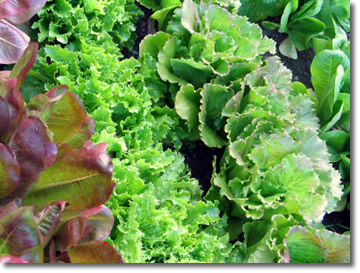
For fall growing lettuce, sow seeds six to eight weeks before your first fall frost date. Fall-grown lettuce is often considered superior to spring lettuce because the gradually cooling temperatures through September and October produce intensely sweet, tender leaves without the urgency to bolt that warming spring temperatures create. Many gardeners who struggle with spring lettuce bolting before they can enjoy it find that fall growing lettuce is significantly more satisfying and productive.
The location question for growing lettuce is one of the most nuanced in vegetable gardening - lettuce is one of the few crops where partial shade is not just acceptable but often preferable. In spring, plant in full sun for the fastest growth and earliest harvests. In late spring and summer, afternoon shade from taller plants or a shade cloth actually extends the lettuce season significantly by keeping leaf temperatures below the bolting threshold. A position that gets morning sun and afternoon shade is close to ideal for summer lettuce growing. See our complete vegetable garden shade guide for full advice on growing lettuce in lower-light positions.
Soil and Bed Preparation for Growing Lettuce

Lettuce is not particularly demanding about soil quality compared to heavy feeders like tomatoes and peppers, but it does have specific preferences that affect germination, growth rate, and leaf quality. Getting the soil right before planting makes a noticeable difference to how well your lettuce performs.
Lettuce prefers a loose, well-draining, moderately fertile soil with a pH of 6.0 to 6.8. The most important soil characteristic for growing lettuce is consistent moisture retention - lettuce is approximately 95 percent water by composition and dries out very quickly in sandy or poorly prepared soil. A generous addition of compost before planting improves moisture retention in sandy soils, improves drainage in clay soils, and provides the steady supply of nitrogen that growing lettuce needs for rapid, lush leaf production.
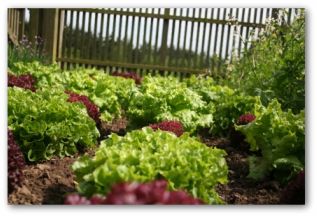
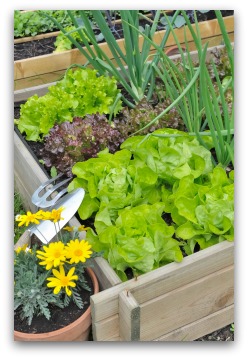
Raised beds are excellent for growing lettuce because of their loose, workable texture, good drainage, and the ability to customize the growing mix. A raised bed with a quality soil mix produces significantly better lettuce than compacted in-ground soil, and the well-defined space makes succession planting very easy to manage. In a four-square-foot section of raised bed using square foot gardening spacing, you can grow four butterhead lettuces or up to sixteen loose-leaf plants for cut-and-come-again harvesting. See our complete raised bed vegetable gardening guide for full advice on preparing raised beds.
Good nitrogen availability is the most important nutritional factor for growing lettuce. Nitrogen drives the rapid leafy growth that makes lettuce productive. A compost-enriched soil provides adequate slow-release nitrogen for most lettuce plantings. For faster growth or in depleted soil, a light application of balanced organic fertilizer at planting time accelerates early leaf production noticeably.
How to Plant Lettuce Seeds

Planting lettuce seeds correctly is slightly different from most other vegetables because lettuce seeds are very small and need light to germinate - they should not be buried deeply. This is one of the most common mistakes made when learning how to grow lettuce: planting seeds too deep and getting poor or no germination as a result.
Sow lettuce seeds at a depth of just one eighth to one quarter inch - barely covered with a fine dusting of soil or vermiculite. Press the seeds gently into the surface and cover with the thinnest possible layer of fine soil. In hot weather, a light covering of shade cloth or a piece of damp burlap over the bed helps retain moisture and keeps soil temperatures in the germination-friendly range. Lettuce seeds germinate best between 55 and 65 degrees Fahrenheit and germinate poorly above 75 degrees - this is why summer sowings of lettuce often fail even with adequate moisture.
For direct sowing outdoors, scatter seeds thinly across the bed surface and cover lightly. Sow more thickly than the final spacing - you can always thin, but you cannot add plants if germination is poor. Loose-leaf varieties can be sown very densely for baby leaf harvests (picking when leaves are two to three inches tall) or thinned to four to six inches apart for full-size cut-and-come-again plants. Butterhead and romaine varieties need more space - thin to eight to twelve inches apart for proper head formation.
Alternatively, start lettuce indoors four to six weeks before outdoor planting for very early spring harvests or for midsummer plantings where outdoor germination is unreliable due to heat. Sow in small cell trays and transplant when seedlings are three to four inches tall with two to three true leaves. Lettuce transplants well and this approach bypasses the germination challenges of sowing in hot or cold outdoor conditions.
Watering Lettuce
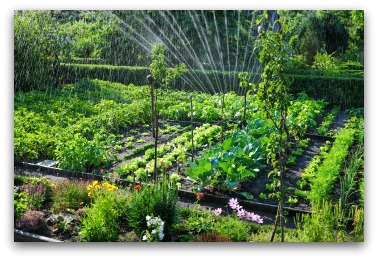
Consistent watering is the most critical ongoing task when learning how to grow lettuce. Because lettuce is composed mostly of water, any significant moisture stress shows up immediately in the leaves - they wilt, lose their crispness, and develop a bitter taste that makes them unpleasant to eat. Well-watered lettuce is tender, sweet, and productive. Stressed lettuce is bitter and bolts quickly.
Water growing lettuce consistently to maintain evenly moist soil throughout the bed. In cool spring and fall weather, this typically means watering every two to three days. In warm summer conditions, daily watering may be needed. The finger test works well for lettuce: if the top inch of soil feels dry, water. Lettuce roots are shallow - concentrated in the top four to six inches of soil - so they dry out much faster than deep-rooted crops and need more frequent attention.
Mulching is one of the most effective ways to maintain the consistent moisture that growing lettuce requires. A one to two inch layer of straw, shredded leaves, or fine wood chip mulch between lettuce plants reduces evaporation dramatically, keeps the soil surface cool in summer, and reduces watering frequency significantly. Apply mulch after seedlings are established and keep it pulled back slightly from the base of each plant to prevent crown rot.
Overhead watering is acceptable for lettuce in a way it is not for many other vegetables - wet foliage does not cause the same disease issues in lettuce as it does in tomatoes and cucumbers. However, watering in the morning rather than the evening gives leaves time to dry and reduces the risk of fungal disease in humid conditions.
Cut-and-Come-Again Harvesting: The Key to Continuous Lettuce Production!

The cut-and-come-again harvest method is the single most valuable technique in how to grow lettuce productively. It transforms a single planting into a six to eight week continuous supply of fresh leaves rather than a one-time harvest - and it is the reason that growing lettuce at home is so dramatically more cost-effective than buying it.
The cut-and-come-again method works by harvesting only the outer leaves of loose-leaf lettuce plants while leaving the central growing point and inner leaves intact. The plant continues producing new leaves from the center while the outer leaves you have harvested are regrown. A single plant harvested this way provides multiple cuts over six to eight weeks before it eventually bolts or exhausts itself.
To harvest using the cut-and-come-again method, use clean scissors or a sharp knife to cut outer leaves two to three inches above the soil surface. Take no more than one third of the plant's leaves at any one harvest. Leave all inner leaves and the central growing point completely undisturbed. The plant will produce a new flush of outer leaves ready for harvesting again within seven to ten days in cool weather. Three or four plants harvested this way continuously provide a household with fresh salad greens multiple times per week.
For even simpler harvesting, you can cut the entire top of a loose-leaf lettuce plant to about two inches above the soil, removing all leaves at once. The plant regrows from the base and is ready for harvesting again in two to three weeks. This approach is less productive overall than the individual leaf method but requires less careful harvesting technique.
Succession Planting Lettuce for Year-Round Harvests

Succession planting is the key strategy for how to grow lettuce continuously through as much of the year as possible. Because lettuce has a relatively short productive window before bolting in heat or dying in hard frost, staggered plantings two to three weeks apart provide a continuous supply rather than a feast-and-famine cycle.
The practical succession planting schedule for growing lettuce through the cool seasons is to make a new small sowing every two to three weeks from early spring through late spring, pause through the hottest midsummer weeks (or switch to heat-tolerant varieties in a shaded position), then resume sowing in late summer for a fall harvest succession that continues until hard frost. In mild climates (Zones 7 and above) fall succession planting extends into November, and with cold frame protection lettuce can be harvested through most or all of winter.
In terms of quantities, three to four plants per household member per sowing, staggered every two weeks, produces a continuous supply without overwhelming the kitchen. More plants per sowing produces larger harvests but increases the risk of having more than you can use before bolting begins. Growing lettuce in small, frequent sowings is far more practical than large infrequent ones.
The combination of cut-and-come-again harvesting and succession planting makes growing lettuce one of the most space-efficient and continuously productive approaches in the home vegetable garden. A bed as small as two by four feet - or three large containers - managed with both techniques provides a meaningful portion of a household's salad greens from early spring through late fall in most climates. See our complete vegetable planting calendar for full succession planting advice and timing guidance.
How to Prevent Lettuce from "Bolting"
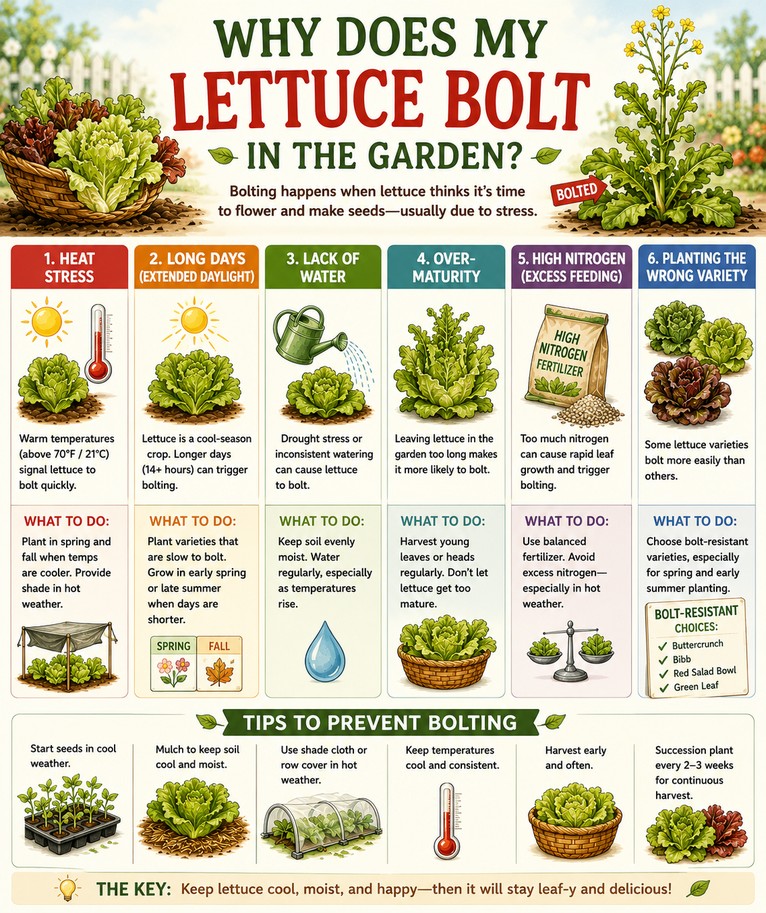
Bolting - the process by which lettuce suddenly switches from leaf production to flower and seed production - is the most common frustration when learning how to grow lettuce through spring into summer. A bolting lettuce produces a tall central stalk, the leaves become intensely bitter, and the plant is essentially finished as a food crop. Understanding why lettuce bolts and how to delay it is one of the most valuable skills in how to grow lettuce through the warmer months.
Lettuce bolts in response to two main triggers: sustained high temperatures above 75 to 80 degrees Fahrenheit, and long day length. Both signals tell the plant that summer has arrived and it should reproduce before dying. Once both triggers are present simultaneously, bolting is rapid - a lettuce plant can go from perfect eating quality to inedibly bitter and starting to bolt within a week during a heat wave.
The most effective strategies for delaying bolting when growing lettuce in warm conditions are providing afternoon shade, choosing bolt-resistant varieties, maintaining consistent soil moisture (drought stress accelerates bolting dramatically), and timing sowings to mature before the hottest weather rather than during it. A shade cloth providing 30 to 40 percent shade over the lettuce bed during the hottest part of the day can extend the growing season by two to four weeks. Growing lettuce in the natural shade of taller plants - under tomatoes or beans - achieves the same effect. See our vegetable garden shade guide for full advice on using shade to extend the lettuce growing season.
Remove the central growing point the moment you see a stalk beginning to form - this delays but does not prevent bolting, and buys a few more days of edible harvest from plants that are heading toward seed production. Once a stalk has formed and the leaves have turned bitter, composting and resowing is the only practical course of action.
How to Grow Lettuce in Containers
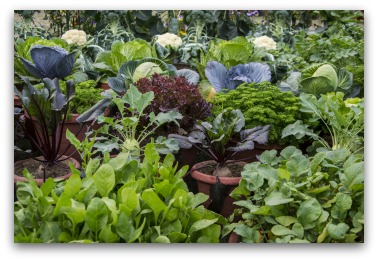
Growing lettuce in containers is one of the most successful and practical container vegetable gardening applications. Lettuce has shallow roots, grows quickly, tolerates close spacing, and produces abundantly in relatively small containers - making it ideal for patios, balconies, windowsills, and any outdoor space with a few hours of light.
Almost any container works for growing lettuce - window boxes, shallow troughs, half-barrel planters, repurposed colanders, and standard pots. The minimum depth needed is six inches for loose-leaf varieties, and eight to ten inches for butterhead and romaine types. Drainage holes are essential - waterlogged soil causes crown rot that kills lettuce plants quickly.
One of the great advantages of how to grow lettuce in containers is the ability to move them to follow the optimal light conditions as seasons change. In spring, position containers in full sun. As summer approaches, move them to a spot with afternoon shade to delay bolting. In fall, move back to full sun for the longest possible late-season harvest. This flexibility makes container growing one of the most productive approaches for extending the lettuce season.
A single twelve-inch diameter container planted with four to six loose-leaf lettuce plants using cut-and-come-again harvesting provides a household with several salad harvests per week for six to eight weeks. Three or four such containers managed with succession planting provide an almost continuous supply through cool weather. See our complete container vegetable gardening guide for full advice on growing lettuce and other vegetables in pots.
Common Lettuce Growing Problems and Solutions

Growing lettuce is generally very trouble-free, but a handful of common problems are worth knowing about before you start.
Lettuce bolting prematurely is the most common problem when growing lettuce in spring and summer. See the bolting prevention section above for full strategies. The simplest solution is timing - grow lettuce in cool weather and switch to heat-tolerant summer crisp varieties in warmer months.
Slugs are the most damaging pest when learning how to grow lettuce, particularly in damp conditions. They feed at night, leaving ragged holes in leaves and sometimes devouring entire young plants. Hand picking at night with a flashlight, iron phosphate bait, and copper tape barriers around containers are the most effective controls. Avoiding overhead watering in the evening reduces slug-favorable damp conditions.
Tip burn - brown, papery edges on inner leaves - is a calcium deficiency caused by inconsistent watering or very rapid growth in conditions of high humidity and poor air circulation. It does not affect flavor and the outer leaves remain perfectly edible. Improve air circulation, water more consistently, and remove affected inner leaves at harvest.
Downy mildew causes yellow patches on the upper leaf surface and grayish spores on the undersides. It is most common in cool, wet conditions with poor air circulation. Choose mildew-resistant varieties, space plants adequately for air movement, water in the morning rather than evening, and avoid overhead watering where possible.
Aphids on lettuce are common in spring and can be controlled by a strong jet of water or insecticidal soap spray. Planting chives, garlic, and nasturtiums nearby deters aphids proactively.
Common lettuce problems and solutions
| Problem | Most Likely Cause | Solution |
|---|---|---|
| Bolting (tall stalk; bitter leaves) | Heat above 75°F; long days | Afternoon shade; bolt-resistant varieties; consistent watering; cool-season timing |
| Slugs (ragged holes in leaves) | Slug damage; wet conditions | Hand pick at night; iron phosphate bait; copper tape; water in morning |
| Tip burn (brown leaf edges) | Calcium deficiency; inconsistent watering | Water consistently; improve air circulation; not a flavor issue |
| Downy mildew (yellow patches) | Cool, wet conditions; poor air circulation | Space plants further; water in morning; choose resistant varieties |
| Poor germination | Soil too hot (above 75°F) or too deep | Sow shallowly; cool soil; start indoors; use fresh seed |
| Aphids | Aphid colonies on young growth | Jet of water; insecticidal soap; plant chives and nasturtiums nearby |
| Crown rot (plant collapses) | Waterlogged soil; slug damage at base | Improve drainage; raised beds; remove mulch from crown area |
How to Grow Lettuce Year-Round

How to grow lettuce year-round is one of the most achievable and satisfying goals in home vegetable gardening. With the right variety choices and a little season extension, lettuce harvests are possible in all but the coldest months in most US climates.
In spring and early summer, grow standard loose-leaf and butterhead varieties in full sun. In midsummer, switch to bolt-resistant summer crisp or batavian varieties in a position with afternoon shade. In late summer, sow again with standard loose-leaf and romaine varieties for the fall harvest season. In fall and early winter, provide cold frame protection or row cover to extend harvests well past the first frost date. In winter in mild climates (Zones 7 and above), certain very cold-tolerant varieties - Winter Density, Rouge d'Hiver, Valdor - continue producing through the coolest months with minimal protection.
A cold frame over a lettuce bed can extend the growing season by six to eight weeks at both ends of the year. Combined with succession planting, this approach makes year-round lettuce harvests achievable in Zones 6 and above with relatively modest effort. See our complete cold frame vegetable garden guide for full advice on using cold frames to extend the lettuce season.
Growing lettuce indoors under grow lights is an excellent strategy for northern gardeners who want fresh greens through the darkest winter months. A simple LED grow light system over a shallow tray of soil produces a continuous supply of baby lettuce leaves in twelve to fourteen days with minimal space or investment. This approach to how to grow lettuce indoors works in any climate and provides year-round fresh greens regardless of what is happening outdoors.
Frequently Asked Questions About How to Grow Lettuce

1. How long does it take to grow lettuce?
Loose-leaf lettuce is ready for its first cut-and-come-again harvest in 30 to 45 days from sowing. Butterhead varieties take 50 to 60 days to form harvestable heads. Romaine takes 60 to 75 days. Growing lettuce as baby leaf by cutting very young plants takes as little as 21 to 30 days. This makes lettuce one of the fastest vegetable crops from seed to first harvest.
2. How much lettuce should I plant?
For a household of two eating salad three to four times per week, four to six loose-leaf plants per person harvested cut-and-come-again is a practical starting quantity. With succession sowings every two to three weeks, this provides a near-continuous supply through the cool growing season. For containers, one twelve-inch pot of four to six plants provides two salad harvests per week for one to two people.
3. Why does my lettuce taste bitter?
Bitterness in lettuce is almost always caused by bolting - the plant has been triggered by heat or long days to begin its seed production cycle. Harvest more frequently in warm weather to delay bolting. Choose bolt-resistant varieties for summer growing. Provide afternoon shade. If leaves have already become bitter, compost the plant and resow with fresh seed.
4. Can I grow lettuce in full shade?
Lettuce tolerates partial shade better than most vegetables - three to four hours of direct sun is adequate for loose-leaf varieties, though growth will be slower than in full sun. True full shade with less than two hours of direct sunlight is not sufficient for productive lettuce growing. Morning sun with afternoon shade is close to ideal, particularly in late spring and summer when afternoon heat accelerates bolting.
5. How do I store harvested lettuce?
Rinse harvested lettuce leaves briefly in cold water, spin or shake dry, and store in a loosely sealed container with a slightly damp paper towel in the refrigerator. Properly stored, fresh-picked lettuce keeps for five to seven days. For best quality, harvest only what you plan to use within a day or two - cut-and-come-again harvesting from living plants is far superior to refrigerating large quantities.
More Vegetable Growing Guides
- Growing Vegetables — complete hub for growing all vegetables at home

Recent Articles


-
Small Vegetable Garden Plans: 8 Layouts That Maximise Space
Oct 08, 26 10:41 AM
 Small vegetable garden plans are some of the most searched and most valuable resources in home food growing.
 -
USDA Zone Finder - Find Your Vegetable Planting Dates | Vegetable-Gardening-Online.com
Oct 07, 26 03:53 PM
 Find your USDA hardiness zone, last spring frost date, and first fall frost date by state and region. Free interactive zone finder from Vegetable-Gardening-Online.com.
 -
Interactive Vegetable Garden Planner | Vegetable Gardening Online
Oct 07, 26 02:29 PM
Design a vegetable garden with correctly scaled plant spacing, companion flowers, drag-and-drop placement, and a printable plan. -
Free Printable Garden Stationery: Gardening Letter Paper & Note Cards
Oct 07, 26 12:48 PM
Free printable garden stationery: watercolor letter paper, lined and unlined, plus folded note cards with garden, fall, and Christmas scenes. Print at home. -
Free Preschool Vegetable Garden Cut and Paste Activities
Oct 07, 26 12:43 PM
 Free preschool vegetable garden cut and paste activities for ages 3-4. Build your own backyard, container, or seed packet garden scene, and sticker sheets.
 -
Planning a Vegetable Garden: Layouts, Raised Beds, Containers & More
Oct 06, 26 07:44 PM
 Planning a vegetable garden? Start here: layouts, raised beds, containers, square foot gardening, free planning tools, and tips to avoid beginner mistakes.
 -
How to Start a Vegetable Garden: 10 Easy Steps for Beginners
Oct 06, 26 04:38 PM
 How to start a vegetable garden in 10 easy steps: pick a sunny spot, choose raised beds or containers, prepare the soil, and grow easy vegetables.