- Home
- Growing Herbs in the Garden
- Growing Sage
Growing Sage for Everyone
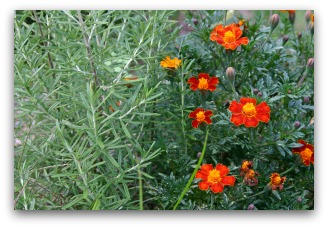 Companion planting sage and marigolds in the vegetable garden can help repel pests.
Tips for growing sage in an herb or vegetable garden; see how easy it is to grow sage at home.
Learn how to plant, grow, start new sage plants, and harvest sage in your home garden.
Design Your Own Vegetable Garden Layout Using our Free "Vegetable Garden Planner" Software!

This ancient herb is most popular as a food seasoning for meat, eggs, soups, gravies, fish, and Mediterranean dishes.
Sage is also a necessary ingredient for preparing the stuffing that goes into the Thanksgiving turkey!
Sage is an evergreen perennial woody plant with several stems, which branch up to about 2 ½ feet.
The shrub has a strong taproot and its soft leaves are gray-green, pebbly textured, lance-shaped, and finely toothed.
Spirals of lovely colored violet blue blossoms appear in the summertime.
Download Free Garden Planning Worksheets, Garden Diary, Zone Chart, Or Planting Guide
 Sage and other herbs can be included in your vegetable garden plan.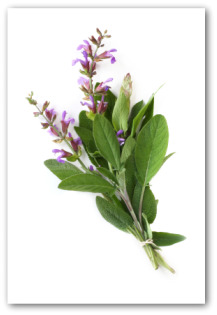
Sage is a beautiful and productive herb that earns its place in any vegetable garden. Its drought tolerance and bold flavor make it one of the most reliable herbs you can grow. This page is part of our Growing Herbs in the Garden hub, where you will find individual growing guides for basil, thyme, rosemary, dill, parsley, and all the other major culinary herbs.
Growing Herbs in the Garden — complete hub for all our herb growing guides, container herb tips, and companion planting information
Varieties of Sage
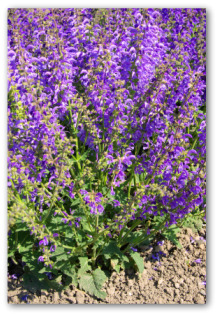 Sage blossoms attract bees, butterflies, and other helpful insects.
There are numerous varieties of sage.
The best culinary sages are the plain narrow leafed and non-flowering broad leaves types.
One or two plants should be sufficient for culinary use.
However, sage plants are also beautiful as ornamental plants in borders, flower, or vegetable gardens.
There are dwarf varieties that grow under the average three foot tall.
Some types of the herb are very ornamental such as Jerusalem Sage.
The leaves of this variety are sometimes made into a tea.
The yard high Holt's Mammoth is favored because it is fast growing and does not die back.
How to Grow Sage
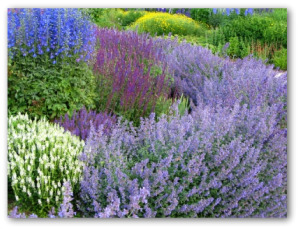 Beautiful herb garden in full bloom.
Grow the herb in well-drained, rich soil, in full sun, and provide protection for the plants from cold winds.
Propagate by layering or from cuttings in spring and summer.
Layering is a foolproof method of encouraging the stem of a woody perennial such as sage to make roots of its own while it is still nourished by the parent plant.
Hardy herbs like sage can be started by rooting several cuttings together in a small pot and then transferring them as a single plant.
Striking is a propagation technique where small cuttings are taken from the parent plant to create new plants.
Striking Cuttings for Sage
Aromatic sage plants have been prized for hundreds of years.- Prepare a gritty, free draining rooting mixture by blending sand with an equal volume of peat or compost.
- Trim the cuttings to size using a sharp knife to cut through the stem just below a node. Remove the lowest pair of leaves.
- Fill a pot with the mixture and insert a cutting in each. Water and strike cutting in pots. Enclose in a plastic bag to allow the cuttings to take root before transplanting.
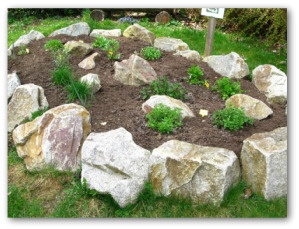
Caring for Growing Sage Plants
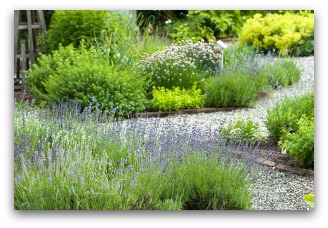 Herb gardens are a beautiful addition to any landscape design.
Pinch off tips of shoots to encourage bushy growth and keep the plants' compact for several months.
Trim growing sage frequently for best results.
Renew sage plants every 4-5 years as scrubs become spindly.
Mounding Sage to Start New Plants
 Pots of herbs can be grown in any small sunny space in your yard, or on your patio, balcony, or deck.
Evergreen perennials such as growing sage can quickly develop into impressive mounds of shrubby growth.
When old woody herbs develop lower stems, they can be propagated by mounding.
- Clear out any dead stems and leaves. Heap soil in the center of the bush.
- Leave for a few months. Each of the branches will have rooted and can be detached as a new growing sage.
Harvesting & Storing Sage

- Sage leaves are used fresh or dried in the shade.
- Pick before flowering for herbal use.
- Harvest sage plants when in flower for oil distillation.
- Essential oils from sage are used in perfumery.
- Culinary herbs cut up small and packed in measured amounts with water in ice cube trays lose little of their flavor when frozen, and are ready almost immediately for use.
Medicinal Uses for Sage
 Half-barrels make great herb gardens.
The medical uses for sage include making sage flavored tea which counteracts sweating.
An infusion of the herb has been used in the past to treat anxiety, depression, and liver disorders.
Homeopathic preparations use the herbs as a remedy for menopause symptoms and poor circulation.
The leaves are antiseptic and can be used in gargles for laryngitis and tonsillitis; as a mouth freshener and teeth cleanser.
The Herb Society of America at herbsociety.org is the most respected authority on culinary, medicinal, and ornamental herbs in the United States. Their resources on sage and all the major garden herbs go deeper than any other source available to home gardeners.
The Herb Society of America — the most respected authority on culinary, medicinal, and ornamental herbs, with in-depth resources for home herb gardeners

Recent Articles


-
How to Grow Cabbage
Sep 15, 26 12:33 PM
 How to Grow Cabbage: The Complete Guide from Seed to Harvest. This complete guide covers everything you need to know about how to grow cabbage.
 -
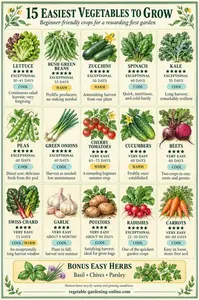
Easiest Vegetables to Grow: 15 Foolproof Crops for Beginners
Sep 15, 26 09:24 AM
 Easiest vegetables to grow for beginners - with advice on what makes each one easy, how to get started, and which vegetables are harder than they look.
 -
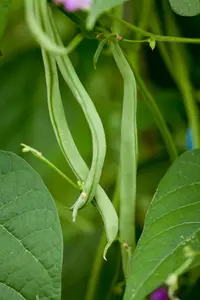
How to Grow Green Beans
Sep 14, 26 07:53 PM
 How to Grow Green Beans: The Complete Guide to Bush and Pole Beans. Green beans are one of the most forgiving crops a beginner can choose.
 -
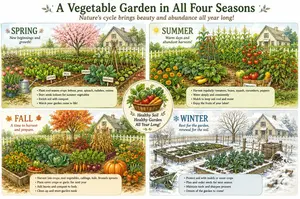
Seasonal Vegetable Garden
Sep 14, 26 05:38 PM
 Seasonal Vegetable Garden — Growing Food Through Every Season
 -
Overwintering Vegetables: Fall-Planted Crops for Early Spring Harvest
Sep 14, 26 05:35 PM
 Learn about overwintering vegetables like garlic, fava beans, and onions, planted in fall to sit through winter and reward you with an early spring harvest.
 -
Free Vegetable Garden Journal— Printable Downloads for Home Gardeners
Sep 14, 26 01:51 PM
 Download our free Vegetable Garden Journal — choose a full 16-page version or simpler 7-page journal. Track planting, harvest, & garden notes season by season.
 -
Free Vegetable Garden Cut and Paste Activities for Kids Ages 5-7
Sep 12, 26 09:13 PM
 Free printable vegetable garden cut and paste activities for kids ages 5-7. Build your own garden, match seeds to plants, and learn what grows where.