- Home
- Free Garden Printables
- Free Vegetable Seeds
Free Vegetable Seeds--Sources and also Through Harvesting Your Own
The best ways to get free vegetable seeds for planting a home garden is to collect them yourself. However it isn't always feasible to do so, especially if you don't already have a garden!
How to harvest and collect free garden seeds, trade seeds with neighbors and friends, to ensure a steady supply of vegetable gardening seeds.
The best source of free vegetable seeds is your own garden — but you do not have to harvest your own seeds to get them for free.
There are several excellent programs across the United States that give away free vegetable seeds to home gardeners, and most of them are closer than you might think.
Design Your Own Vegetable Garden Layout Using our Free "Vegetable Garden Planner" Software!
According to many avid gardeners, the gardening season officially begins on January 1st and ends on December 31st, which gives you plenty of thyme (excuse the pun) to get your hands on free vegetable seeds!
This page is part of our Free Vegetable Garden Printables collection, where you will find all our free downloads in one place — worksheets, plans, coloring books, zone charts, and more.
Free Vegetable Garden Printables — all our free downloads for home vegetable gardeners in one place
Starting with quality organic or heirloom seeds is one of the foundations of a successful organic vegetable garden. This page is part of our Organic Vegetable Garden hub, where you will find complete guides to building organic soil, making organic fertilizer, companion planting for natural pest control, and no-dig growing methods that protect your soil's living ecosystem.
Where to Find Free Vegetable Seeds for Your Garden
 Seed packets can be an inspiring part of vegetable gardening!
Public Library Seed Libraries are the most widespread and accessible source of free vegetable seeds in the country.
Thousands of public libraries across the United States now maintain seed libraries where any member of the public can take free packets of vegetable, herb, and flower seeds.
Many do not even require a library card. You take the seeds, grow the plants, and are encouraged to save seeds from your harvest and return some to the library for the next gardener.
Library seed libraries typically stock a wide variety of open-pollinated and heirloom varieties chosen to grow well in your region.
To find one near you, visit your local library's website or simply call and ask whether they have a seed library. Seed libraries have spread rapidly in recent years and there is a very good chance one exists near you.

Seed Savers Exchange at seedsavers.org is a nonprofit organization dedicated to preserving and sharing heirloom seeds.
Their online Exchange allows members to browse and request seeds directly from other gardeners across the country, and they host National Seed Swap Day events every January where anyone can come and take free heirloom seeds.
They also donate seeds to community gardens, school gardens, and seed libraries through their Herman's Garden Seed Donation Program.
Requesting their free catalog is a good way to discover the extraordinary range of open-pollinated varieties available to home gardeners.
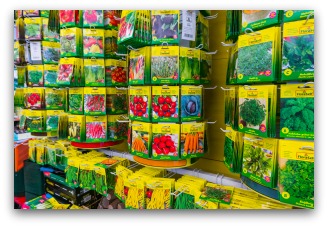
Seed Swaps — both in-person and online — are another excellent source of free seeds. Local garden clubs, community gardens, and farmers markets frequently hold annual seed swaps where gardeners bring their surplus saved seeds and exchange them freely with neighbors.
Online seed swap communities such as the one hosted by Seed Savers Exchange allow you to connect with gardeners across the country who are willing to share rare and regional varieties you cannot find in any store.
Many seeds change hands for nothing more than the cost of a stamped envelope.

Your Local Cooperative Extension Office is worth calling as well.
Extension offices in some counties maintain seed loan programs or can direct you to local seed-sharing resources in your community.
The Isanti County Extension Office in Minnesota, for example, maintains thousands of free seed packets available to anyone who visits. Yours may do the same.
The most sustainable approach of all is to grow open-pollinated or heirloom varieties in your own garden and save seeds each year.
Unlike hybrid varieties, open-pollinated and heirloom seeds come true from year to year — meaning the seeds you save from this season's best tomato or bean plant will produce the same variety reliably next season.
One season of growing becomes a permanent seed supply, and you will never need to buy that variety again.
- Seed Savers Exchange — nonprofit dedicated to preserving and sharing heirloom seeds; member Exchange, National Seed Swap Day, and free catalog request
- Old Farmer's Almanac — Free Seed Catalogs — directory of 40+ seed companies offering free catalogs, many with free seed offers included
Gathering Your Own Vegetable Garden Seeds
Gather free seeds in your own garden! Hybrid plants often do not breed true from seed.
However, with non-hybrid plants, instead of purchasing new seeds every year, collect and save seeds from the best vegetables you have grown in your garden to replant.
You may develop a breed particularly suited to your region.
Sometimes, you may have to purchase seeds the second year, but be patient, some plants do not produce seed their first year out of the gate!
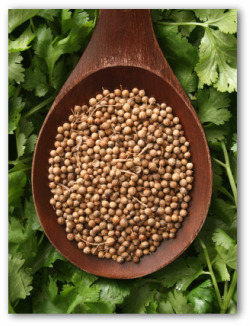
Choose the best overall plants as your champion seeders.
With crops such as lettuce or spinach, where it is the leaves you want to harvest, select a plant that takes its time going to seed.
With root crops such as carrots and radishes, use the plants that go to seed first, since this action means earlier roots in your new plants.
Download Free Garden Planning Worksheets, Garden Diary, Zone Chart, Or Planting Guide
Trade Garden Seeds with Friends and Neighbors
Offer to trade some of the free plant seeds you collect with fellow gardeners for other vegetable seed varieties. If you have a bumper crop of lettuce seeds to share, trade some of them for other types seeds that you didn't collect.
Easiest Free Vegetable Seeds to Collect:
Beet Seeds

If your winters are mild, beets can be left in the garden. If not, store the best roots, set in sand, in a cold, damp spot.
In springtime, replant the beets, and when the seed stalk develops, tie it to a stick to keep it from breaking off.
Cover it with cheesecloth as it matures.
Once the stalk is mature, break off and hang it indoors with your drying onions. Remove the beet seeds when dried.
You should have seeds in time for a late crop the same year. Store in dry glass jar.
Cabbage Seeds

This plant cross-pollinates readily. If you want free vegetable seeds to be true, grow only one species of cabbage. Store the firmest, largest heads in individual baskets of soil in a root cellar or other cold spot over the winter. Follow the same handling as beets listed above.
Carrot Seeds

Follow the same procedures as beets to collect free vegetable seeds. Do not attempt to replant if there are plenty of wild carrots in your area, or you will end up with no account half-breeds!
Cucumber Seeds

Allow the cucumbers to vine-ripen to yellow-orange, even slightly mushy. Remove seeds, wash, and let them sit in shallow dishes of water to ferment for a couple of days.
Rewash them, pat dry with towel, and dry further by layering between sheets of newspaper. (We will really miss newspapers for vegetable gardening techniques when the Internet replaces newsprint for good!) when absolutely dry, store in a tight glass container in a dry corner of a cabinet.
Check once a month to make sure mold has not crept in!
Potato Seeds
 Learn how to potatoes from seed potatoes grown in your garden. Click image to download this worksheet.
Harvest your plumpest, best-shaped, scab-free spuds for saving. (You could hold a spud beauty contest! And the winner is...) Store potatoes whole, buried in dry sand in a cool, dry place. For planting, cut into seed pieces, each with one or two eyes.
Rutabaga Seeds

Mulch heavily over the winter. Uncover early in spring and collect seeds as with beets listed above.
Green Peas such as Snap or Sugar Peas

- Leave on the vine until the leaves turn color and begin to die.
- Pick the pods and shell the peas.
- Dry them further between newspapers in a dark location free of any dampness.
- Watch out for mold.
- Store free vegetable seeds in dry glass jars.
- Gathering your own seed is the best way to self-sufficiency and better vegetable gardening.
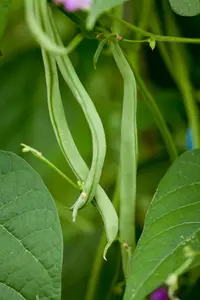
Bean Seeds
 Learn how to harvest bean seeds from your bean plants to use in next years garden. Click image to download this worksheet.
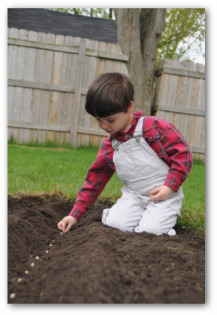 Little garden helper carefully planting bush bean seeds in a row.
Pumpkin and Squash Seeds

After harvesting ripe pumpkin and other winter squash varieties, save a few of the healthiest looking seeds from the best looking specimens.
Rinse the seeds in cold water to remove the plant fibers.
Lay them to dry on a paper towel.
Store the clean, dry seeds in a bag or dry glass jar in a cool dry place until time for planting in the spring garden.

Recent Articles


-
How to Grow Cabbage
Sep 15, 26 12:33 PM
 How to Grow Cabbage: The Complete Guide from Seed to Harvest. This complete guide covers everything you need to know about how to grow cabbage.
 -
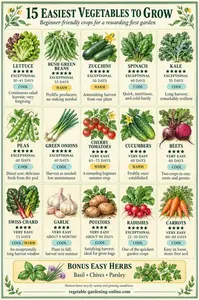
Easiest Vegetables to Grow: 15 Foolproof Crops for Beginners
Sep 15, 26 09:24 AM
 Easiest vegetables to grow for beginners - with advice on what makes each one easy, how to get started, and which vegetables are harder than they look.
 -
How to Grow Green Beans
Sep 14, 26 07:53 PM
 How to Grow Green Beans: The Complete Guide to Bush and Pole Beans. Green beans are one of the most forgiving crops a beginner can choose.
 -
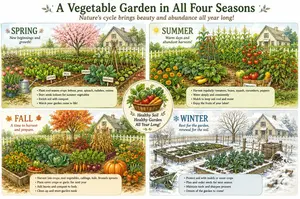
Seasonal Vegetable Garden
Sep 14, 26 05:38 PM
 Seasonal Vegetable Garden — Growing Food Through Every Season
 -
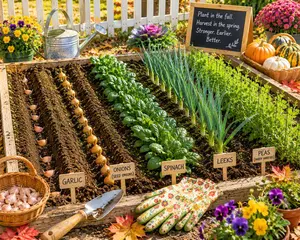
Overwintering Vegetables: Fall-Planted Crops for Early Spring Harvest
Sep 14, 26 05:35 PM
 Learn about overwintering vegetables like garlic, fava beans, and onions, planted in fall to sit through winter and reward you with an early spring harvest.
 -
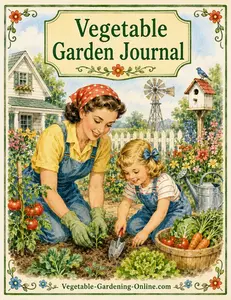
Free Vegetable Garden Journal— Printable Downloads for Home Gardeners
Sep 14, 26 01:51 PM
 Download our free Vegetable Garden Journal — choose a full 16-page version or simpler 7-page journal. Track planting, harvest, & garden notes season by season.
 -
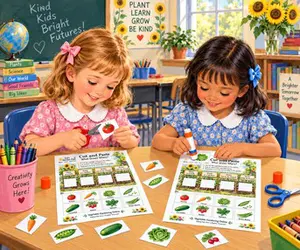
Free Vegetable Garden Cut and Paste Activities for Kids Ages 5-7
Sep 12, 26 09:13 PM
 Free printable vegetable garden cut and paste activities for kids ages 5-7. Build your own garden, match seeds to plants, and learn what grows where.