Freezing Tomatoes From
Your Home Garden
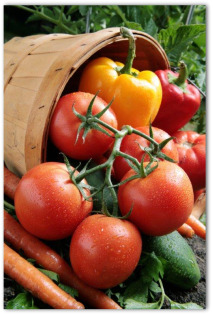
Easy tips for freezing tomatoes at home.
Preserve extra tomatoes from your vegetable garden by freezing them whole, chopped, diced or made into sauce or salsa.
Many tomato plants in the garden will produce such an abundance of fruit, that you will likely have plenty of fresh sun-ripened tomatoes to tuck away for the winter months!
If you have room in the garden for two or more tomato vines, you can be assured of plenty of extra tomatoes during normal growing conditions.
If you would like to have a supply of ripe, frozen raw tomatoes or a stock of frozen precooked tomatoes for use in cooking, select fruits that are fully ripe yet firm.
Design Your Own Vegetable Garden Layout Using our Free "Vegetable Garden Planner" Software!
 A freezer full of home grown vegetable ready for winter use.
A generous tomato harvest gives you more than you can use fresh — freezing is one of the quickest ways to capture that garden flavor before it is lost.
This page is part of our Preserving Garden Vegetables hub, where you will find complete guides to canning, freezing, fermenting, drying, and freeze drying vegetables from your home garden. Find step-by-step guides for every preserving method on our hub page.
Preserving Garden Vegetables — complete guides to canning, freezing, fermenting, drying, and freeze drying vegetables from your home garden
How to Freeze Tomatoes
Preparing Tomatoes for Freezing
 In the kitchen helping mom prepare tomatoes for freezing.
- Dip tomatoes into boiling water for a few seconds, then into cold water.
- Strip off skins.
- Cut out stem ends and cores.
- Pack whole, if being frozen raw.
- Cut into halves or quarters for either the raw or the cooked pack.
- For precooked tomatoes, cook quartered tomatoes, covered, over medium heat just until soft.
- Then cool rapidly and pack.
Download Free Garden Planning Worksheets, Garden Diary, Zone Chart, Or Planting Guide
Tips for Freezing Tomatoes
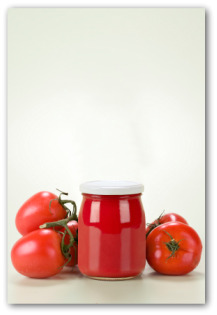
- Scalding or blanching time for preparing tomatoes for freezing, is a few seconds only, to loosen skins for peeling.
- When packing, allow 1 inch headspace.
- Pack raw tomatoes down firmly to eliminate air pockets.
- One bushel or 55 pounds of tomatoes yields 30 to 40 pints.
Freezing Whole Tomatoes
- For whole tomatoes, cut out stems and wrap whole in plastic wrap or small freezer bags.
- Freeze raw.
- For use after freezing, hold under hot water for a few seconds to loosen skin.
- Peel and add to cooked dishes.
Freezing Stewed Tomatoes
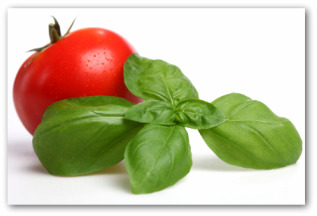
- For stewed tomatoes, blanch for 30 seconds to 1 minute to loosen skins; peel and core.
- Cut into chunks and simmer 10 to 20 minutes. Cook just until heated through.
Pre-Freezing Tomatoes Before Packaging
- If you prefer, freezing tomatoes can be done by spreading the vegetables in a single layer on cookie sheets.
- Leave space around each tomato.
- Set the sheets into a freezer that keeps a zero temperature.
- Freeze the produce solid for about 1 to 3 hours.
- When the vegetables are frozen solid, remove them from the freezer.
- Working quickly, transfer the tomatoes to freezer containers and seal.
- Label them by name and date and return the vegetables to the freezer.
- When ready to use, steam, saute, or cook in a little boiling water.
Freezer Storage Life
Freezing tomatoes have an expected storage life of at 8 months is freezer temperature is maintained at zero degrees or lower.
Ten months to a year is a reasonable time period during which you can expect quality to remain high, so long as the freezer temperature remains low.
Some freezers are equipped with special quick-freezing sections or extra cold surfaces, if your freezer has one of these, be certain to use it.
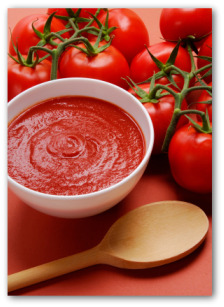
Frozen Tomato Uses
Some gardeners are not too keen on the idea of freezing tomatoes intended for use in salads.
Of course, the texture of thawed tomatoes is changed but their flavor is intact.
For example, in dishes that you normally use fresh tomatoes such as chicken cacciatore or spaghetti amatriciana, freeze a supply of especially meaty kinds like Italian plum tomatoes.
To prepare them, just dip them for a few seconds into boiling water, skin them, cut out the cores, and pack.
If you wish, cut each tomato in half and squeeze out most of the seeds.
Luckily, there are not many seeds in the recommended Italian type mentioned above.
Since tomatoes are used most often in sauces, it is a good idea to have the vegetable frozen on hand.
We offer the following basic tomato puree to prepare for the freezer suitable for using in any kind of sauce you desire to make.
Makes about 1 quart.
Basic Tomato Puree Recipe
Ingredients:
6 tablespoons unsalted butter
6 tablespoons olive oil
2/3 cup minced onion
2 ½ pounds chopped ripe tomatoes with their skins
3 teaspoons kosher salt
½ teaspoon sugar
Directions:
- In a cast iron pot, sauté the onions in hot butter and oil.
- Do not allow them to brown.
- Add the chopped tomatoes, salt, and sugar.
- Bring to the bubbling point, stirring frequently.
- Cover with a lid set askew to permit steam to escape.
- Reduce the heat.
- Simmer gently, stir to prevent sticking.
- Cook 20 to 30 minutes, until softened.
- Avoid overcooking.
- Sieve into a clean bowl.
- Cool quickly and freeze the tomato puree in whatever size containers best suit your needs.
Tomatoes can be preserved by freezing, canning, drying, or pickling.
For complete research-based guidelines on all methods of preserving tomatoes at home, visit the National Center for Home Food Preservation at nchfp.uga.edu — your most reliable source for safe tomato preservation.
National Center for Home Food Preservation — Preserving Tomatoes — research-based guidelines for freezing, canning, drying, and pickling tomatoes at home

Recent Articles


-
How to Grow Cabbage
Sep 15, 26 12:33 PM
 How to Grow Cabbage: The Complete Guide from Seed to Harvest. This complete guide covers everything you need to know about how to grow cabbage.
 -
Easiest Vegetables to Grow: 15 Foolproof Crops for Beginners
Sep 15, 26 09:24 AM
 Easiest vegetables to grow for beginners - with advice on what makes each one easy, how to get started, and which vegetables are harder than they look.
 -
How to Grow Green Beans
Sep 14, 26 07:53 PM
 How to Grow Green Beans: The Complete Guide to Bush and Pole Beans. Green beans are one of the most forgiving crops a beginner can choose.
 -
Seasonal Vegetable Garden
Sep 14, 26 05:38 PM
 Seasonal Vegetable Garden — Growing Food Through Every Season
 -
Overwintering Vegetables: Fall-Planted Crops for Early Spring Harvest
Sep 14, 26 05:35 PM
 Learn about overwintering vegetables like garlic, fava beans, and onions, planted in fall to sit through winter and reward you with an early spring harvest.
 -
Free Vegetable Garden Journal— Printable Downloads for Home Gardeners
Sep 14, 26 01:51 PM
 Download our free Vegetable Garden Journal — choose a full 16-page version or simpler 7-page journal. Track planting, harvest, & garden notes season by season.
 -
Free Vegetable Garden Cut and Paste Activities for Kids Ages 5-7
Sep 12, 26 09:13 PM
 Free printable vegetable garden cut and paste activities for kids ages 5-7. Build your own garden, match seeds to plants, and learn what grows where.