- Home
- Planning A Garden
- Basic Garden Design
Basic Vegetable Garden Design
Plans and Tips

Download our basic vegetable garden design and planning worksheets.
Also, we provide free vegetable garden designs and plans to help layout your garden!
Finding a basic vegetable garden design that fits your needs is an important first step in planning a garden layout.
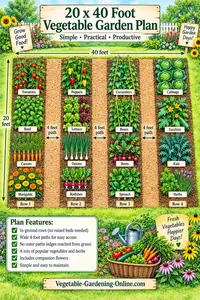
If you have a sunny location in your backyard for an in-ground garden, these two types of vegetable garden plans will work for you.
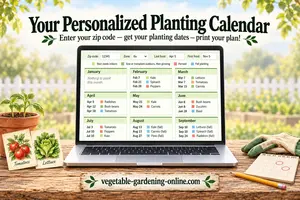
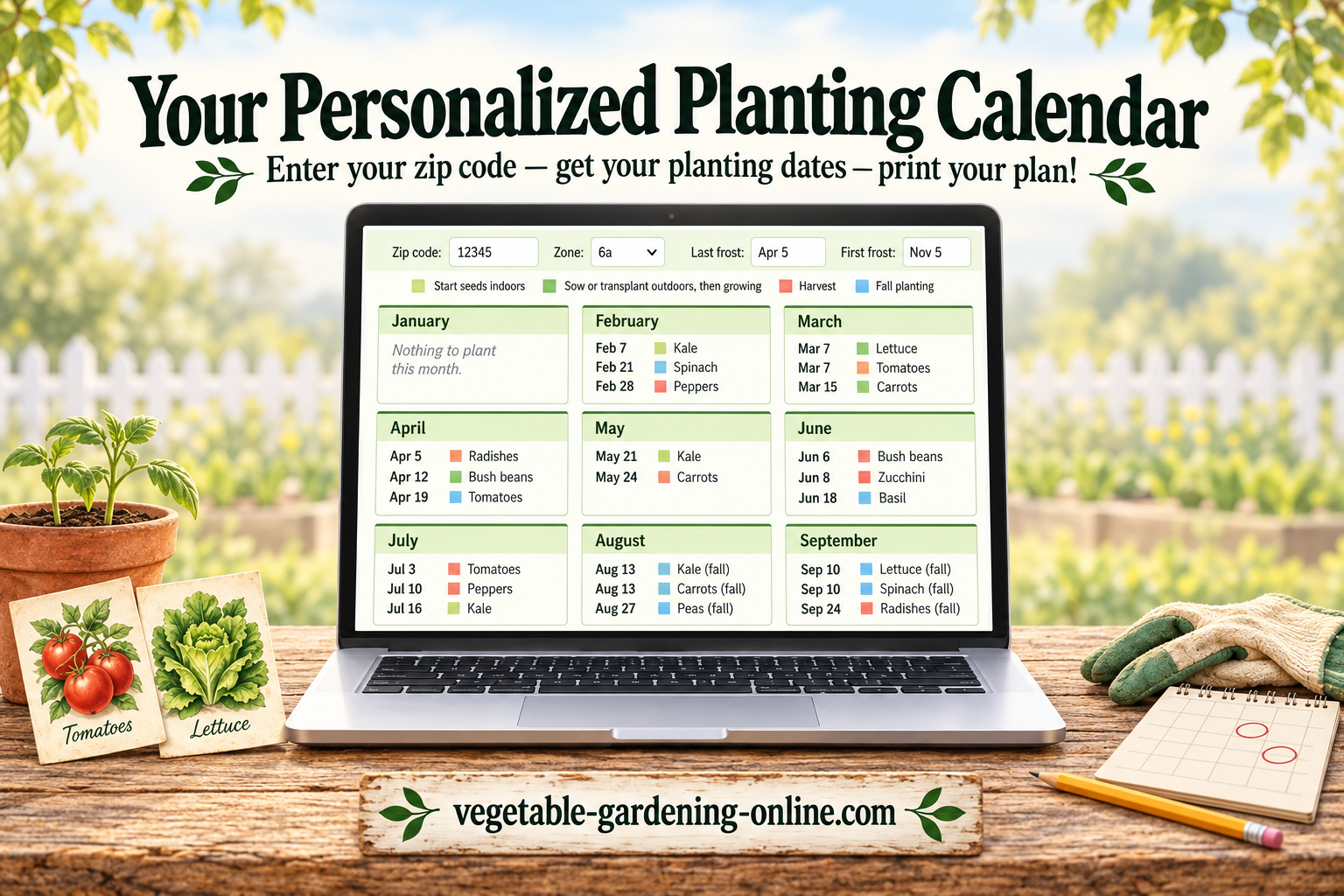
Free garden tools for your own zip code
 Planting Calendar |
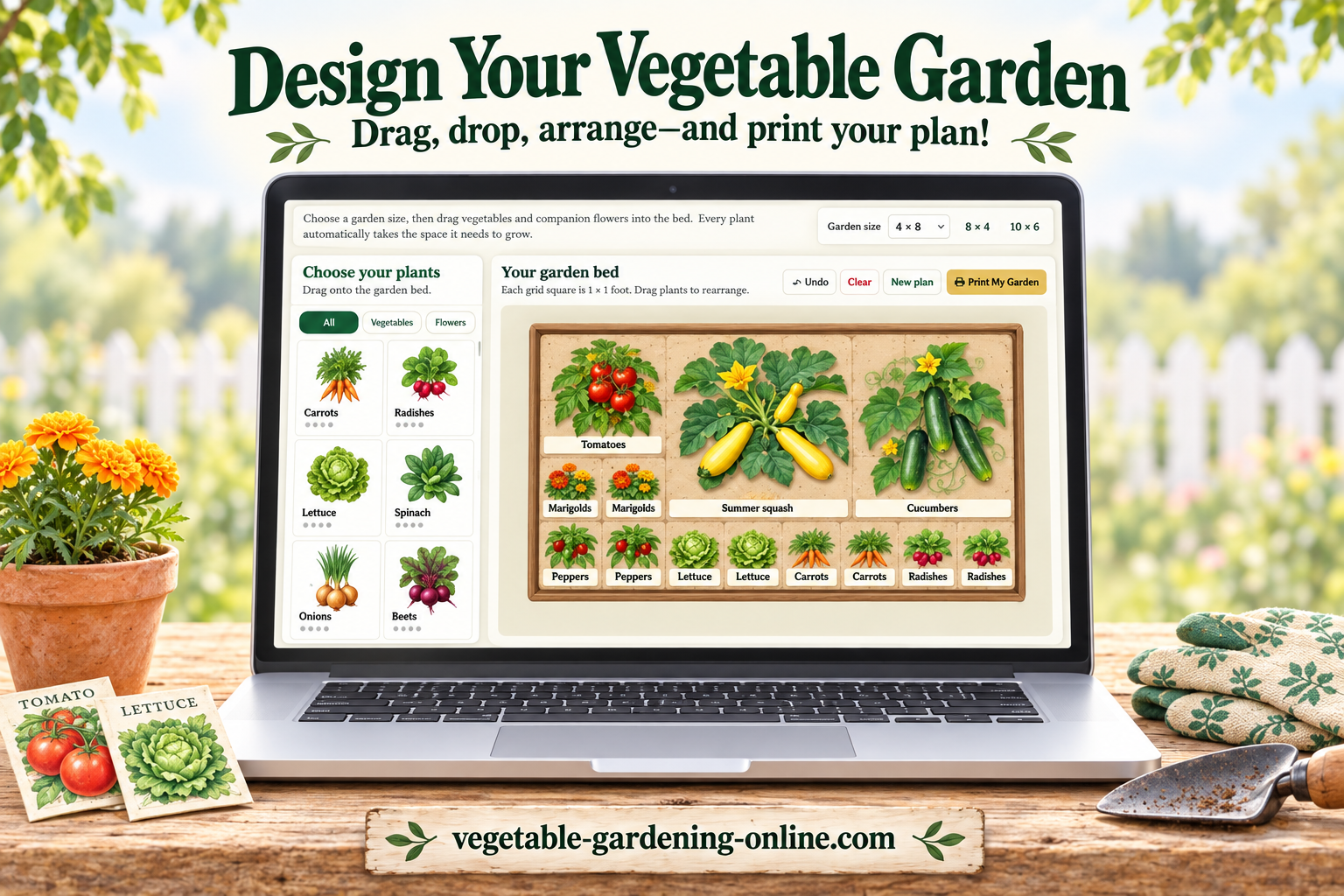 Garden Planner |
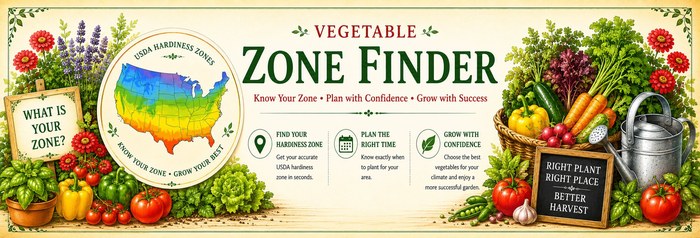 Zone Finder |
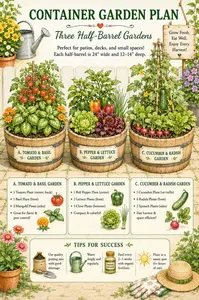
If you don't have room for an in-ground garden, there are many other options available such as a container vegetable garden, a four-square garden, or raised bed vegetable garden.
See our complete guide on planning a vegetable garden for more information.
Whatever type you choose, growing your own produce can be a great adventure and learning experience!
Traditional In-Ground Row Garden Layout
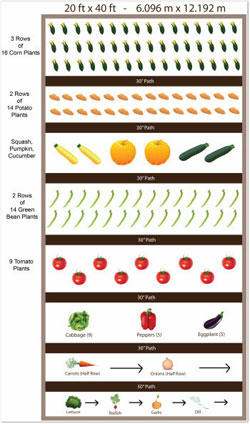
The traditional basic vegetable garden design has been straight and long rows running from north to south.
- Usually
anything growing tall, like corn, beans or peas are planted on the
north side of the vegetable garden to keep them from casting shade on
the shorter crops.
- Medium growing vegetables like
tomatoes, cabbage, broccoli, squash and pumpkins are planted in the
center, while the southern end of the garden contains the shorter
plants, like carrots, beets, lettuce, radishes and onions.
- In general, a vegetable garden design runs from south to north, to make the most of sun exposure and air circulation.
- This
very basic vegetable garden design is meant to make cultivation easier,
as well as for convenience when weeding and harvesting.

With smaller yards and urban gardens becoming common, the traditional basic vegetable garden design is no longer suitable in some situations.
This article will focus on showing you basic and easy methods of creating your own vegetable garden design.
Square Foot Garden Design
For more information, see our complete Square Foot Garden Guide here.

This very simple and easy first garden design is called the square foot garden.
This gardening style was developed by Mel Bartholomew.
Click to download plan and planting instructions.
Click Here for a Free Square-Foot Garden Plan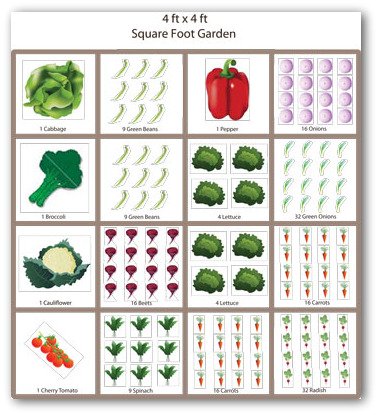
Basic 4 Square Rotation Basic Vegetable Garden Design

Take out a pen and paper and draw a square. Divide the square into four by drawing a cross inside it.
You now have a diagram of four square beds that you’ll use as a plan for your very own vegetable garden design.
The four beds are for the four main groups of vegetable crops.
The plants are divided into four categories based on the amount of nutrients that they need to flourish.
Below is an example of these categories.
- Heavy feeders: These heavy feeders demand a lot of nitrogen. Examples of these are the large leafed plants like lettuce, corn, and even the vine crops like squash.
- Middle Feeders: These middle-of-the-road feeders are the mid sized leafed plants with above-ground fruits like tomatoes and peppers.
- Light Feeders: These feeders include the root crops like turnips and carrots. They like potash in the soil.
- Soil Builders: These types leave more nitrogen in the soil than they take out. Examples of these are the legumes like peas and beans.
How to Rotate Your
Four Square Garden
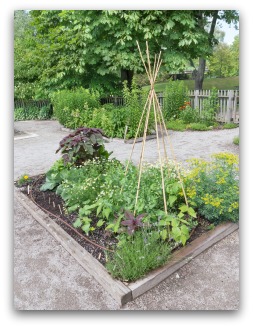
Now it’s time to explain the rotation for this most basic of vegetable garden designs!
- Each of the four types mentioned above goes into one of squares that you’ve diagrammed, called beds.
- From top-left and counter-clockwise; Heavy Feeders, Middle Feeders, Light Feeders and the Soil Builders.
- After every harvest and when replanting each season, you rotate each
group to the next square, to reduce pests and soil problems.
- Make sure that when you rotate these four types, they always follow the same order given here.
- This means, that when you move the Heavy Feeders, they go to the Soil Builder’s previous position.
- The Middle Feeders move up to the Heavy Feeders' former position, etc.

Try to imagine a baseball game where in your players occupy bases.
Each year you move the location of each plant group by one space, changing the location of your plant types.
Another benefit of this kind of rotation is that the Heavy Feeders will grow better by transferring to the Soil Builder’s former spot which gives them more of the nutrients they require to flourish.
Conditioning and Preparing Your Garden Soil

Your garden will grow best in enriched well-conditioned soil.
If you don't know your soil composition, it is best to find out by taking a sample to your local garden center.
Then you can add compost, sand, humus, fertilizer and any other ingredients as needed to create the best environment for your plants.
In order for your garden to thrive, the soil should also be well-drained.
Sunshine and Weeds!
 It helps to have "little helpers"!
When designing a vegetable garden bed, don’t leave any bare patches, as this will encourage weeds.
Add a layer of mulch to help prevent weed seeds from sprouting.
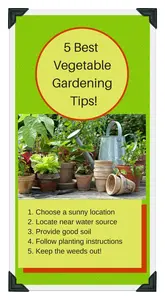
Determine sun patterns before planting to ensure the maximum exposure.
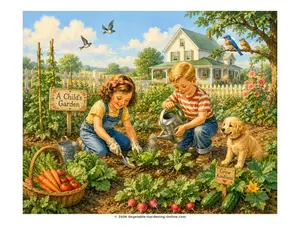
Ask for help with planting; kids and grandkids often enjoy helping plant the garden!
Watering Your Vegetable Garden
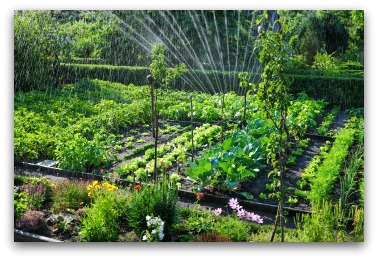
When planning your basic vegetable garden design, be sure to locate your garden near a convenient source of water. See our Watering Your Garden guide for more information.
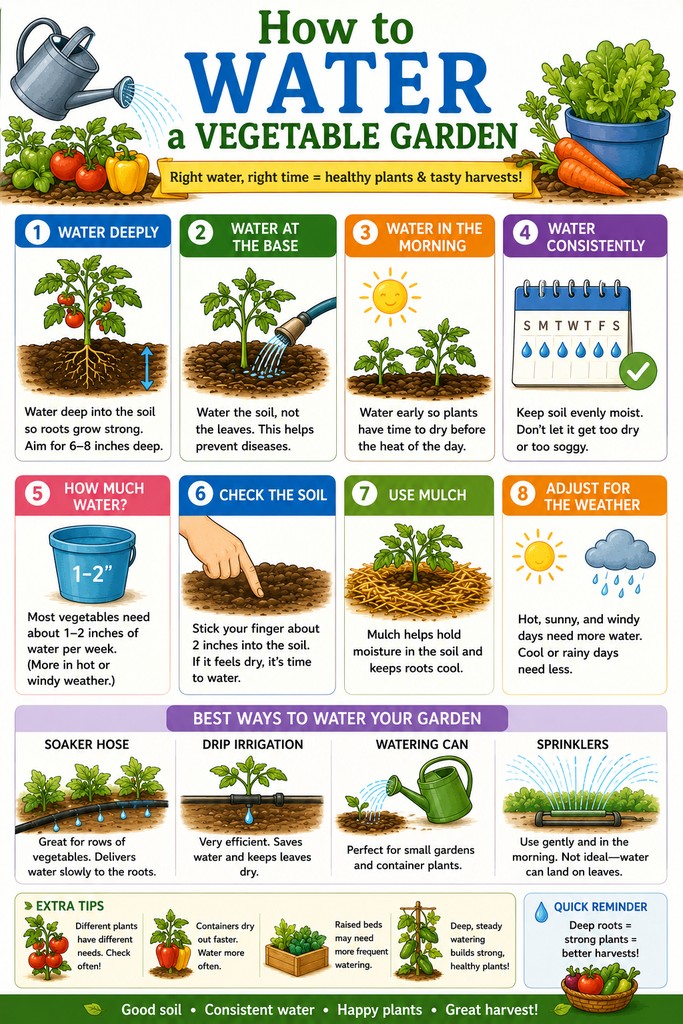
Especially when the plants are small, they will need to be watered frequently as the root systems are small and will dry out quickly. After your plants are well-established, less-frequent deep watering is best!
Plant your garden away from tree and shrub roots that can take moisture away from your plants.
It’s important to know that there are many variations of vegetable garden designs.
These are two of the most basic and easiest garden plans.
You can certainly use what you’ve learned here and design your own garden by basing it on one of these easy methods.
Whether you are a beginner or an experienced gardener, finding the right design for your vegetable garden is part of the adventure.
So experiment, and have some fun!
Vegetable Garden Designs for Color as Well as Flavor
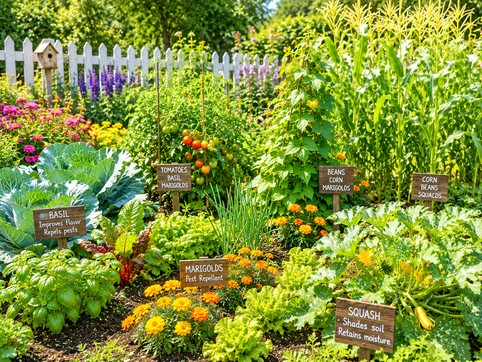 Companion planting flowers in the garden can help with pest control, as well as making your garden more beautiful.
Sprinklers or a Drip System?
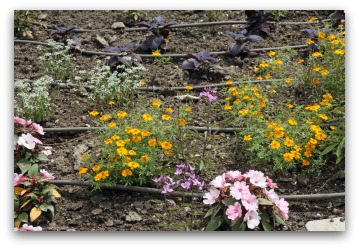
In your vegetable garden design, decide whether you need to add or install a sprinkler system.
For the highest efficiency, a drip irrigation system directs water to the plant’s roots, avoiding costly run-offs or evaporation.
Many gardeners water their vegetable garden at the wrong time or over-water.
According to the EPA, this action wastes 25,000 gallons each year.
Installing proper watering systems when designing a vegetable garden saves money and deters pests and diseases from invading the planting site.
Return to our Planning a Vegetable Garden hub for complete guides to garden design, layout, raised beds, containers, and planning tools.
- Planning a Vegetable Garden — complete hub for garden design, layout, raised beds, containers, and planning tools

Recent Articles


-
Child Vegetable Garden--Kids Gardening Hub
Sep 23, 26 08:04 PM
 Everything for kids in the garden; free worksheets, coloring books, preschool activities, scarecrow projects, and tips for planning a child vegetable garden.
 -
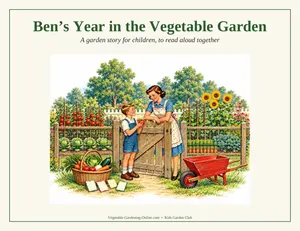
Garden Story for Children: Free Printable; Ben's Garden Year
Sep 23, 26 04:09 PM
 A free printable garden story for children ages 4-7. Read it online or print the picture book: Ben plants seeds in winter, grows a tomato, and picks radishes.
 -
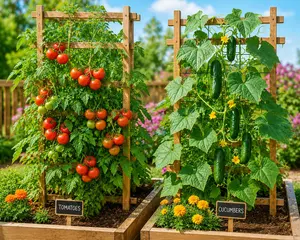
Growing Cucumbers — Complete Guide to Planting, Care, and Harvest
Sep 23, 26 01:59 PM
 Complete guide to growing cucumbers: varieties, planting times, soil, spacing, trellising, watering, pests, and harvesting for a big cucumber crop.
 -
Vegetable Garden Planting Times: When to Plant Every Crop by Zone
Sep 23, 26 12:12 PM
 Vegetable garden planting times for every crop: find your frost dates, use soil temperature, cool and warm season windows, and a quick reference table by zone.
 -
Free Vegetable Garden Plans and Layouts: 8 Printable Plans + Planner
Sep 22, 26 08:49 PM
 Free vegetable garden plans to print: 10x10, 20x20, 20x40, 4x20, circular, square foot, and container layouts, plus a free interactive garden layout planner.
 -
Designing Your Vegetable Garden Layout
Sep 22, 26 07:22 PM
 Free worksheets for planning a vegetable garden layout for a raised bed, square foot, or traditional backyard garden.
 -
Planning a Vegetable Garden Layout: Free 20x40 Plan and Online Planner
Sep 22, 26 01:26 PM
 Planning a vegetable garden layout step by step: pick a garden type, download the free 20x40 plan, lay out beds in the free online planner, and build the soil.