- Home
- Planning A Garden
- Vegetable Garden Layout Ideas
Vegetable Garden Layout Ideas: 10 Designs That Work for Any Space
By Vegetable-Gardening-Online.com | Updated May 2026 | 12 min read
The right vegetable garden layout ideas can make the difference between a garden that thrives and one that frustrates. Whether you have a large backyard, a small patio, or just a few square feet of sunny ground, there are vegetable garden layout ideas here that will help you grow more food with less effort. This guide covers ten proven designs - from classic row gardens to creative vertical layouts - with honest advice on which works best for your situation.
One of the most common mistakes beginner gardeners make is jumping straight into planting without thinking through the layout first. A little planning goes a long way. The best vegetable garden layout ideas all share a few things in common: they make the most of available sunlight, they keep maintenance manageable, and they match the actual space you have available. Get the layout right and everything else becomes easier.
What You Will Find in This Guide
- Why your garden layout matters more than you think
- The 4 golden rules of good vegetable garden design
- 10 vegetable garden layout ideas with pros, cons and best uses
- How to choose the right layout for your space
- Layout planning tips from experienced gardeners
- How to plan your layout before you dig a single hole
Why Your Garden Layout Matters More Than You Think
Most gardening guides focus heavily on soil, watering, and plant selection - and those things matter enormously. But the underlying layout of your garden affects almost everything else. Poor vegetable garden layout ideas lead to shaded plants, compacted soil, wasted space, and gardens that are awkward to maintain. Great vegetable garden layout ideas do the opposite: they maximise sunlight, simplify maintenance, and make the most of every square foot you have.
A well-planned layout also makes your garden more enjoyable to work in. Wide enough paths, beds you can reach across without straining, logical groupings of plants with similar needs - these small design decisions add up to a garden that feels like a pleasure rather than a chore.
Use Our Free Garden Planner: Before you commit to any layout, try our free interactive vegetable garden planner. You can design your bed layout, choose your vegetables, check companion planting, and see spacing requirements - all before you dig a single hole.
See our Planning a Vegetable Garden guide for complete information on planning your garden.
The 4 Golden Rules of Good Vegetable Garden Design
Whatever vegetable garden layout ideas appeal to you, these four rules apply to all of them:
- Sun comes first. Place your beds where they get the most sun - a minimum of 6 hours daily for most crops. No layout, however clever, can compensate for insufficient sunlight.
- Never make beds wider than 4 feet. You should be able to reach the centre from either side without stepping into the bed. Stepping on garden soil compacts it and undoes all your good soil preparation work.
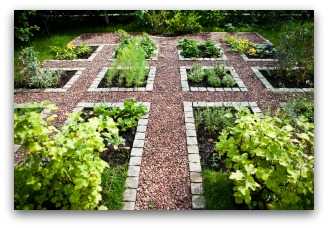
- Plan your paths before your beds. Leave at least 18 inches between beds - 24 inches if you use a wheelbarrow. Cramped paths make maintenance frustrating and are one of the most common layout regrets.
- Tall crops go at the north end. In the Northern Hemisphere, place tall plants like tomatoes, corn, and trellised cucumbers at the north end of the bed so they cast shade away from shorter plants rather than over them.
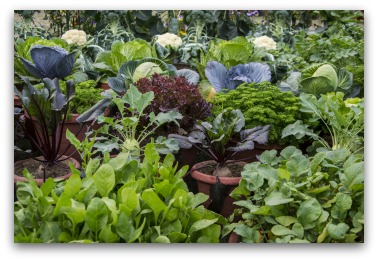
10 Vegetable Garden Ideas That Work
Layout Idea 1 - The Classic Raised Bed Layout

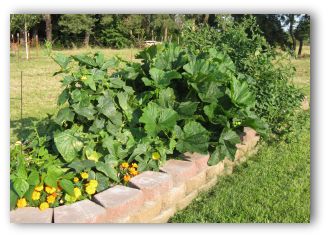
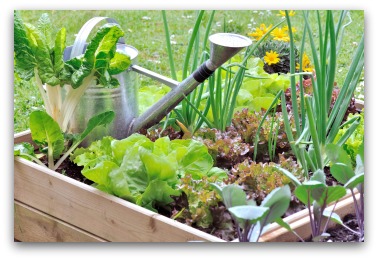
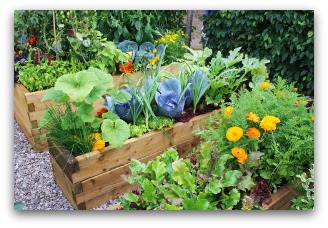
The raised bed layout is the most popular of all vegetable garden layout ideas right now - and for good reason. You build frames (usually from cedar, galvanised steel, or composite lumber), fill them with a high-quality soil mix, and grow intensively within the defined space. The defined edges keep grass out, the loose soil means roots grow easily, and the beds warm up faster in spring than in-ground soil.
Standard dimensions: 4 feet wide by 8 feet long by 12 inches deep. You can reach the centre from either side, the length is practical, and the depth suits almost every vegetable.
| Pros | Cons | Best For |
|---|---|---|
| Complete soil control; fewer weeds; great drainage; warms up fast in spring | Initial cost to build and fill; needs topping up with compost each year | Most beginners; poor native soil; small to medium yards |
Layout tip: Arrange multiple raised beds with the long sides running east to west, and leave 24-inch paths between them. Plant tall crops (tomatoes, cucumbers on trellis) along the north edge of each bed.

Layout Idea 2 - Square Foot Garden Layout
Square foot gardening is one of the most structured vegetable garden layout ideas available - and one of the most space-efficient. This block-style planting method replaces long rows with dense groupings to maximise space by dividing your raised bed into a grid of 1-square-foot sections, each planted with the appropriate number of plants for that crop.
The number of plants per square depends on the crop: 1 tomato or broccoli per square, 4 lettuces or basil plants, 9 spinach or beans, or 16 carrots or radishes. Our interactive garden planner uses this exact system - it shows you how many plants fit in each square automatically as you design your bed.
| Pros | Cons | Best For |
|---|---|---|
| Maximum yield from minimum space; very organised; easy to track what is planted where; minimal weeding | Requires careful planning upfront; not ideal for large sprawling crops like pumpkins | Small gardens; beginners who like structure; raised beds |
Quick Win: A 4x4 ft square foot garden divided into 16 squares can grow an impressive variety - one tomato, four lettuces, one broccoli, one pepper, one cucumber (on a small trellis), and nine beans, with squares left over for radishes and herbs. That is a lot of food from a very small footprint.

Layout Idea 3 - Traditional Row Garden Layout
The traditional row garden is one of the oldest vegetable garden layout ideas there is - long parallel rows with walking paths between them. It is the layout you see on farms and in large allotment plots, and it works best when you have plenty of space.
A container vegetable garden layout is ideal for patios, balconies, and very small yards where in-ground planting is not possible. But for those with larger spaces, the row layout remains practical and effective. Rows run north to south so all plants get equal sunlight through the day. Tall crops go at the north end.
| Pros | Cons | Best For |
|---|---|---|
| Easy to set up; works well with a tiller or hoe; simple to manage large volumes of one crop | Wastes space between rows; more weeding; soil compacts in walking paths; lower yield per square foot than raised beds | Large yards; growing corn, potatoes, pumpkins in quantity; rural properties |

Layout Idea 4 - The Vertical Garden Layout
Vertical vegetable garden layout ideas are among the fastest-growing trends in home food growing - and for good reason. By growing vertically, you can grow more than one crop in a small space. A trellis, fence, or A-frame support system lets vining crops like cucumbers, beans, and peas grow upward rather than outward, freeing up precious ground space for other vegetables.
A classic vertical layout pairs tall trellis plants at the back with shorter companion plants at the base. Cucumbers on a trellis can be underplanted with lettuce, which benefits from the dappled shade in summer. Beans climbing a tripod of canes can be surrounded by low-growing nasturtiums. The result is a layered, highly productive planting in a small footprint.
| Pros | Cons | Best For |
|---|---|---|
| Dramatically increases yield from limited space; improves air circulation; easier harvesting; looks great | Requires sturdy support structures; not suitable for all crops; can shade neighbouring beds if not planned carefully | Small gardens; urban spaces; raised beds; anyone growing cucumbers, beans, or peas |
Best vertical crops: Cucumbers, pole beans, peas, tomatoes (with caging or staking), squash and small pumpkins on strong supports, and nasturtiums which trail beautifully.

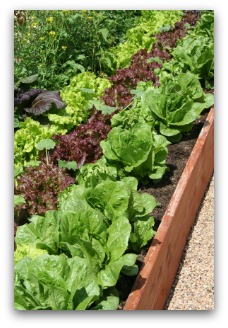
Layout Idea 5 - The Salad Garden Layout
One of the most practical vegetable garden layout ideas for beginners is the dedicated salad garden - a bed or collection of containers planted entirely with quick-growing salad crops. A salad layout focuses on fast-growing greens and vegetables you can harvest often. Because most crops mature quickly, you can replant several times through the growing season.
A 4x4 ft salad bed might contain three or four types of lettuce, a row of radishes, some spinach, spring onions, and a clump of chives. Everything is ready to harvest within 4-6 weeks of planting. As each section finishes, replant it with the next crop. A well-managed salad garden layout can produce fresh salad ingredients continuously from early spring right through to autumn.
| Pros | Cons | Best For |
|---|---|---|
| Fast results; continuous harvest; grows well in partial shade; low maintenance; ideal for containers | Does not produce heavy staple crops; needs succession planting to stay productive | Beginners wanting quick results; small spaces; anyone who eats a lot of salad |
Layout Idea 6 - The Salsa Garden Layout
Themed vegetable garden layout ideas - where you plant everything needed to make one type of dish - are a fun and practical approach, especially for beginners. A salsa layout groups the vegetables you need for fresh salsa. Place tomatoes along the back since they grow tall. Add peppers in the middle. Plant onions or green onions near the front so they get full sun without blocking other plants. Include a small patch of cilantro in a corner where you can reach it easily.
Other popular themed vegetable garden layout ideas include:
- Pizza garden - tomatoes, peppers, basil, onions, oregano
- Stir-fry garden - bok choy, snap peas, spring onions, garlic, ginger
- Soup garden - carrots, celery, onions, leeks, potatoes, kale
- Herb garden - basil, parsley, chives, thyme, rosemary, mint (in its own pot)
Themed layouts are especially motivating because every harvest has an immediate, obvious purpose. They also make excellent gifts - a friend who loves cooking Mexican food would be delighted with a salsa garden as a gift idea.

Layout Idea 7 - The Three Sisters Layout
The Three Sisters is one of the most historically significant of all vegetable garden layout ideas - a Native American companion planting system that has been used for over 3,000 years. Corn, beans, and squash are grown together in a mutually beneficial arrangement: corn provides a climbing structure for beans, beans fix nitrogen for corn and squash, and squash spreads broad leaves across the soil to suppress weeds and retain moisture.
This layout requires more space than most - a minimum 4x8 ft bed, ideally larger - but it is one of the most productive and self-sustaining vegetable garden layout ideas available. Plant corn first, add beans two weeks later when corn is 4-6 inches tall, then add squash when the beans have sprouted.
| Pros | Cons | Best For |
|---|---|---|
| Self-fertilising; natural weed suppression; high yield; historically proven; fascinating to grow | Needs significant space; requires careful timing; corn needs pollination from a block planting not a single row | Medium to large gardens; gardeners interested in companion planting; families who eat a lot of corn, beans, and squash |


Layout Idea 8 - The Container and Patio Layout
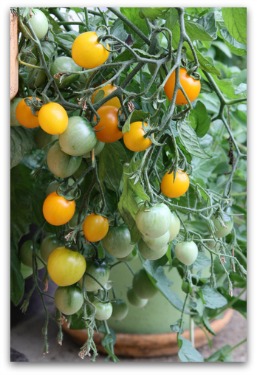
Container-based vegetable garden layout ideas have exploded in popularity in recent years, and they are now one of the most common approaches for urban and suburban gardeners. This layout works well if you only have a patio, balcony, or small concrete area. Choose large containers for tomatoes and peppers since they need more soil. Use medium containers for herbs, lettuce, and compact greens.
A well-planned container layout groups pots by sunlight needs - sun-hungry tomatoes and peppers in the sunniest spot, shade-tolerant lettuces and herbs where the sun is less intense. Leave space to move pots if needed, and place larger heavy containers against walls or in corners where they will not need moving.
| Pros | Cons | Best For |
|---|---|---|
| Works anywhere with sun; no digging; portable; can be expanded gradually; great for renters | Dries out faster; needs regular feeding; limits root depth for large crops | Balconies; patios; renters; anyone without a garden; beginners wanting to start small |

Layout Idea 9 - The Keyhole Garden Layout
The keyhole layout is one of the more creative vegetable garden layout ideas - and one of the most space-efficient for a round or curved garden. Instead of a standard rectangular bed, you create a circular bed with a narrow path cut into the centre like the keyhole of a lock. This allows you to reach every part of the bed from the central path without stepping on the soil.
A typical keyhole garden is 6 feet in diameter with an 18-inch wide central path. The composting basket sometimes placed in the centre of traditional keyhole gardens (originating from African permaculture design) feeds the bed as it breaks down. The circular shape makes excellent use of corner spaces or awkward areas of a yard.
| Pros | Cons | Best For |
|---|---|---|
| Excellent use of circular or corner spaces; no stepping on soil; visually attractive; built-in composting option | Less efficient use of space than rectangular beds; harder to cover with netting or frames | Gardeners with awkward spaces; those interested in permaculture; decorative kitchen gardens |

Layout Idea 10 - The No-Dig Garden Layout
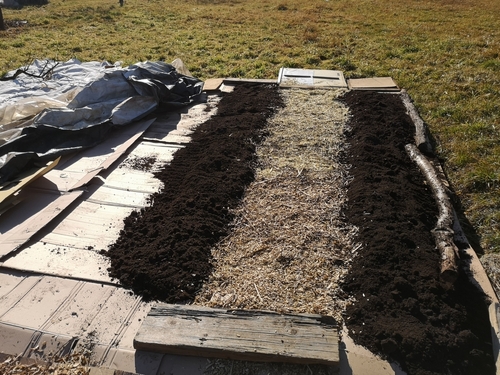
The no-dig layout is one of the most practical and increasingly popular vegetable garden layout ideas for gardeners who want to convert lawn or weedy ground into a productive vegetable garden without any digging. You lay cardboard directly over the existing ground, then build up layers of compost and organic matter on top - smothering what is below and creating rich growing medium above.
No-dig vegetable garden layout ideas work equally well in rectangular raised bed format or as informal in-ground beds. The key is starting with a thick cardboard layer and a generous top layer of compost. See our complete no-dig vegetable gardening guide for full instructions.
| Pros | Cons | Best For |
|---|---|---|
| No digging; converts lawn to garden quickly; builds excellent soil; very low weed pressure after year one | First year requires sourcing cardboard and compost; deep-rooted perennial weeds may push through initially | Converting lawn to garden; gardeners who cannot dig; anyone wanting to build soil naturally |
How to Choose the Right Layout for Your Space
With so many vegetable garden layout ideas to choose from, how do you decide which is right for you? Here is a simple decision guide:
| Your Situation | Best Layout Ideas to Consider |
|---|---|
| Complete beginner with a small yard | Single 4x8 raised bed using square foot garden layout |
| Patio or balcony only | Container and patio layout with grow bags |
| Large yard, want maximum food production | Multiple raised beds or traditional row layout |
| Converting lawn to garden | No-dig layout over cardboard |
| Very small space, want maximum yield | Square foot garden plus vertical layout combined |
| Want quick results and easy maintenance | Salad garden layout in a single raised bed |
| Interested in companion planting | Three Sisters layout or companion-planned raised beds |
| Awkward corner or circular space | Keyhole garden layout |
Layout Planning Tips from Experienced Gardeners
Here are the most useful pieces of layout advice from gardeners who have tried all kinds of vegetable garden layout ideas over many seasons:
1. Sketch It Out Before You Dig
Even a rough pencil sketch on paper helps enormously. Draw your available space to scale, mark where the sun falls at different times of day, note any shade from trees or buildings, and sketch in your bed positions and paths. You will almost certainly rearrange things several times on paper - far easier than moving beds after they are built.
2. Start With One Bed and Do It Well
The most common layout mistake is building too many beds in the first season. One 4x8 raised bed, well-planned and well-maintained, will teach you more and produce more food than four beds that get away from you. The best vegetable garden layout ideas are the ones you can actually manage with the time you have available.
3. Leave Room to Expand
Whatever vegetable garden layout ideas you start with, leave physical space to add another bed next year. Gardening is an expanding hobby - almost everyone wants more space after their first successful season. Building your initial layout with expansion in mind saves a lot of rearranging later.
4. Think About Access in All Weathers
Your garden paths should be wide enough and firm enough to use in wet weather. Muddy, narrow paths become impassable when it rains and make autumn and spring gardening miserable. Lay bark chip, gravel, or stepping stones on main paths to keep them usable year-round.
5. Group Plants by Their Needs
Good vegetable garden layout ideas group plants with similar needs together - thirsty crops like cucumbers, squash, and celery in one bed where you can water heavily; drought-tolerant crops like tomatoes, peppers, and herbs in another where you water less. This makes irrigation far more efficient and reduces the risk of over or underwatering any one crop.
6. Plan for Succession
The best vegetable garden layout ideas build in space for succession planting - sowing a new crop in the same space as soon as the previous one is harvested. A 4x8 bed with a succession planting plan can produce three or four different crops from the same squares in a single growing season, dramatically increasing your total yield.

How to Plan Your Layout Before You Dig
Whatever vegetable garden layout ideas appeal to you, the smartest approach is to plan digitally before you commit to anything physically. Our free interactive garden planner is the perfect tool for this - you can try out different bed sizes, experiment with different vegetable combinations, check companion planting compatibility, and see spacing requirements for every crop, all before you spend a penny on materials or plants.
Plan Your Layout Before You Plant
Try out all these vegetable garden layout ideas in our free interactive planner. Design your bed, choose your vegetables, check companion planting - all before you dig a single hole.
Open the Free Garden Planner
Download Free Planning Worksheets

Frequently Asked Questions About Vegetable Garden Layout Ideas
What is the best vegetable garden layout for a beginner?
The single raised bed layout using square foot garden spacing is the best starting point for most beginners. It is manageable, highly productive, and teaches you the fundamentals of spacing, companion planting, and succession planting in a compact space. A 4x4 ft or 4x8 ft raised bed is all you need for a very rewarding first season.
How do I layout a vegetable garden for maximum yield?
Combine the square foot garden method with vertical growing for maximum yield from a small space. Use every square foot intensively, train vining crops up trellises to free up ground space, succession plant empty squares as soon as a crop finishes, and use companion planting to improve productivity and reduce pest problems.
Which direction should vegetable garden rows run?
In a traditional row layout, rows should run north to south so all plants receive equal sunlight throughout the day. In a raised bed, place your tallest plants at the northern end of the bed to prevent them shading shorter neighbours. In a square foot garden, this is less critical since beds are narrow enough that most plants get adequate light from both sides.
How much space do I need between vegetable garden beds?
Leave a minimum of 18 inches between beds for comfortable foot access. If you use a wheelbarrow or garden cart - which you will want to once you start adding compost - allow 24-30 inches. For main access paths between groups of beds, 36 inches is a comfortable working width.
Can I combine different vegetable garden layout ideas?
Absolutely - in fact the best gardens often combine several approaches. A typical productive garden might use raised beds with square foot spacing for most vegetables, a vertical trellis system for cucumbers and beans, a container layout on the patio for herbs and cherry tomatoes, and a no-dig expansion bed built over lawn for next season. There are no rules that say you have to choose just one approach.
How do I plan a vegetable garden layout on paper?
Start by measuring your available space and drawing it to scale on graph paper (1 square = 1 foot works well). Mark north, note any areas of shade, and sketch in bed positions. Then fill in what you want to grow in each section, checking spacing requirements as you go. Alternatively, use our free interactive online garden planner which does all the spacing calculations for you automatically.
Start Planning Your Vegetable Garden Layout Today
There is no single perfect answer when it comes to vegetable garden layout ideas - the best layout is the one that fits your space, your time, and your gardening goals. Whether you start with a single square foot raised bed or go straight to a full multi-bed layout with vertical growing and companion planting, the most important step is to make a plan before you start digging.
The vegetable garden layout ideas in this guide have all been proven in real gardens over many seasons. Pick the one that fits your situation, sketch it out, then use our free planner to refine the details. A little planning now will pay dividends every week of the growing season.
Ready to Design Your Garden Layout?
Use our free interactive planner to bring your vegetable garden layout ideas to life.
Free Interactive Garden Planner
Free Interactive Zone Finder

Return to our Raised Bed Vegetable Garden hub for complete guides to building, filling, and planting raised beds.
- Raised Bed Vegetable Garden — complete hub for building, filling, and planting raised vegetable garden beds

Recent Articles


-
How to Grow Cabbage
Sep 15, 26 12:33 PM
 How to Grow Cabbage: The Complete Guide from Seed to Harvest. This complete guide covers everything you need to know about how to grow cabbage.
 -
Easiest Vegetables to Grow: 15 Foolproof Crops for Beginners
Sep 15, 26 09:24 AM
 Easiest vegetables to grow for beginners - with advice on what makes each one easy, how to get started, and which vegetables are harder than they look.
 -
How to Grow Green Beans
Sep 14, 26 07:53 PM
 How to Grow Green Beans: The Complete Guide to Bush and Pole Beans. Green beans are one of the most forgiving crops a beginner can choose.
 -
Seasonal Vegetable Garden
Sep 14, 26 05:38 PM
 Seasonal Vegetable Garden — Growing Food Through Every Season
 -
Overwintering Vegetables: Fall-Planted Crops for Early Spring Harvest
Sep 14, 26 05:35 PM
 Learn about overwintering vegetables like garlic, fava beans, and onions, planted in fall to sit through winter and reward you with an early spring harvest.
 -
Free Vegetable Garden Journal— Printable Downloads for Home Gardeners
Sep 14, 26 01:51 PM
 Download our free Vegetable Garden Journal — choose a full 16-page version or simpler 7-page journal. Track planting, harvest, & garden notes season by season.
 -
Free Vegetable Garden Cut and Paste Activities for Kids Ages 5-7
Sep 12, 26 09:13 PM
 Free printable vegetable garden cut and paste activities for kids ages 5-7. Build your own garden, match seeds to plants, and learn what grows where.