Answer two quick questions, and the tool answers the question every gardener asks: "What is wrong with my vegetable plant?"
1. Which plant?
2. Where is the problem?
Still not sure what is wrong with my vegetable plant? Leave "Any vegetable" and "Anywhere" picked and read through the list. Problems that come from watering, weather, and soil are more common than pests and diseases, so check those first.
PestRagged holes in leaves or fruit, seedlings eaten overnight, shiny slime trails
How to tell: Slugs and snails feed at night and hide by day under boards, mulch, and leaves. Go out after dark with a flashlight, or look for silvery slime trails in the morning. They are worst in cool, damp springs, and they love tender young shoots just coming up.
What to do now: Hand-pick them at night. Scatter iron phosphate slug bait, which is safe around pets and wildlife. Set out shallow dishes of beer, or a board they can hide under, and collect them in the morning.
Prevent it next year: Water in the morning so the soil surface is dry by night. Pull mulch back from young seedlings. Copper tape around raised beds keeps many out. Put bait where they hide by day, under low-growing plants and ground covers near the garden. Grow sturdy transplants instead of tiny seedlings where slugs are bad.
Read more: Vegetable Garden Care
PestYoung plants cut off at the soil line
How to tell: The stem is chewed through right at the ground, and the top of the plant lies beside it. Dig gently around the stem and you may find a fat gray or brown caterpillar curled in a C shape.
What to do now: Dig around the damaged plant and remove the caterpillar. Replant.
Prevent it next year: Put a cardboard collar around each transplant, pushed about an inch into the soil. Keep the garden free of weeds for a few weeks before planting.
Read more: How to Grow Broccoli
PestClusters of tiny soft bugs on new growth or under leaves; curled or sticky leaves
How to tell: Look under the leaves and on the growing tips for small green, gray, or black insects. Leaves may curl, turn yellowish, or feel sticky, and black sooty mold can grow on the sticky spots.
What to do now: Knock them off with a strong spray of water. If they come back, use insecticidal soap or neem oil, following the label.
Prevent it next year: Plant flowers and herbs such as dill, yarrow, and alyssum nearby to bring in ladybugs and lacewings, which eat aphids. Go easy on high-nitrogen fertilizer, which makes the soft new growth aphids love.
Read more: Vegetable Garden Care
PestFine yellow speckles or a bronze look on leaves, with tiny webs
How to tell: Spider mites are almost too small to see. Look for fine webbing under the leaves and tiny pale speckles on top, worst in hot, dry weather.
What to do now: Spray the undersides of the leaves with a strong stream of water every few days. Use insecticidal soap if they keep coming back.
Prevent it next year: Water regularly in hot, dry spells; mites love dusty, drought-stressed plants.
Read more: Why Are My Tomato Leaves Turning Yellow?
PestMany tiny round holes, like buckshot or lace
How to tell: Tiny black beetles jump like fleas when you brush the leaves. Young plants are hit hardest.
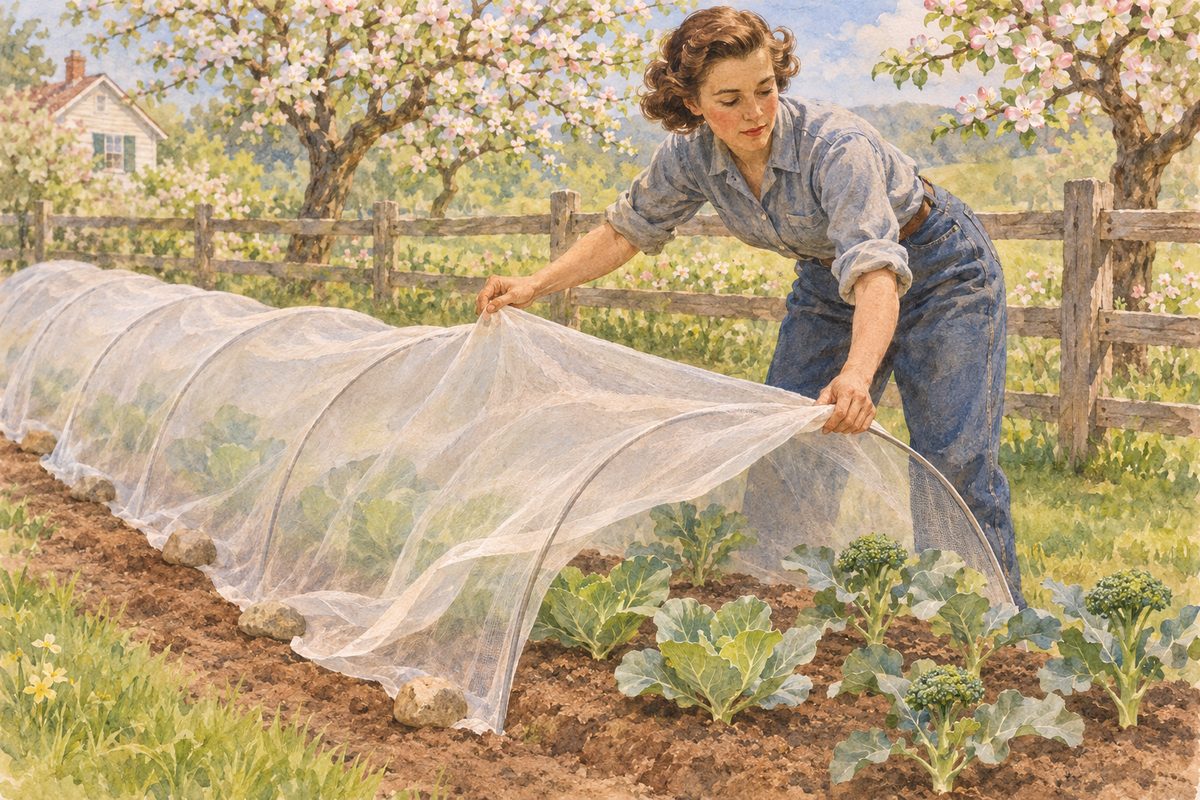
What to do now: Cover young plants with floating row cover. Yellow sticky traps catch some. Older, larger plants usually outgrow the damage.
Prevent it next year: Use row cover from planting until the plants bloom (eggplant) or for the whole season (cabbage family).
Read more: How to Grow Eggplant
PestPale, winding trails or blotches inside the leaves
How to tell: Hold a leaf up to the light: the tunnels are made by tiny larvae living inside the leaf.
What to do now: Pick off and destroy the affected leaves. The rest of the plant is fine to eat.
Prevent it next year: Cover the bed with row cover from planting, to keep the small adult flies from laying eggs.
Read more: How to Grow Spinach
Watering or weatherBlack or dark, leathery, sunken spot on the bottom of the fruit
How to tell: Blossom end rot starts on the blossom end (the bottom) of the fruit. It is caused by a calcium shortage in the fruit, almost always from uneven watering, not from a lack of calcium in the soil.
What to do now: Pick and discard damaged fruit. Water deeply and on a steady schedule. Later fruit is usually fine.
Prevent it next year: Mulch to keep the soil evenly moist, water deeply once or twice a week, and don't over-fertilize with nitrogen.
Read more: How to Grow Tomatoes
Watering or weatherTomatoes cracked or split open
How to tell: Cracks usually show up after heavy rain or watering that follows a dry spell. The fruit swells faster than the skin can stretch.
What to do now: Pick cracked tomatoes and use them soon. Pick the rest at the first blush of color.
Prevent it next year: Mulch and water evenly.
Read more: How to Grow Tomatoes
Watering or weatherFlowers fall off without making fruit
How to tell: It is almost always the temperature: days above about 90 to 95°F, or nights below about 55°F, keep the pollen from working. Beans also drop flowers in heat.
What to do now: Wait for milder weather; plants start setting fruit again on their own. Shade cloth helps in a heat wave. No spray fixes it.
Prevent it next year: Don't plant warm-season crops too early. In hot climates, plant so flowering misses the worst heat.
Read more: How to Grow Peppers
DiseaseBrown spots with rings like a target, starting on the lowest leaves
How to tell: Early blight spots have dark rings inside them and often a yellow halo. It starts at the bottom of the plant and moves up, worse in wet weather and crowded plants.
What to do now: Remove affected leaves and bag them for the trash, not the compost. Water at the base, not over the leaves.
Prevent it next year: Rotate crops, space plants for air flow, mulch so soil doesn't splash up, and clean up old plants in fall.
Read more: Why Are My Tomato Leaves Turning Yellow?
DiseaseMany small spots with dark edges and pale centers on lower leaves
How to tell: Septoria leaf spot makes lots of small round spots, each with a dark border and a light center, in damp weather.
What to do now: Remove affected leaves; improve air flow; use a fungicide only if it is severe.
Prevent it next year: Rotate crops, mulch, and water at the base.
Read more: Why Are My Tomato Leaves Turning Yellow?
DiseaseDark, water-soaked patches that spread fast in cool, wet weather
How to tell: Late blight makes large greasy-looking dark patches on leaves and stems, sometimes with white fuzz underneath, and can kill plants within days in cool, wet weather.
What to do now: Pull and throw away (don't compost) affected plants. A copper spray can slow the spread on healthy plants.
Prevent it next year: Grow resistant varieties, rotate beds, space plants well, and water at the base.
Read more: How to Grow Potatoes
DiseaseYellowing and wilting on one side of the plant or one branch
How to tell: Fusarium and verticillium wilt live in the soil. Leaves yellow, brown, and wilt, often on one side first, even when the soil is moist.
What to do now: There is no cure. Remove the plant.
Prevent it next year: Plant resistant varieties and rotate crops: keep tomatoes, peppers, eggplant, and potatoes out of that spot for 3 to 4 years. In a small garden, grow them in large containers of fresh potting mix.
Read more: Why Are My Tomato Leaves Turning Yellow?
DiseaseMottled light and dark green or yellow leaves; twisted new growth
How to tell: Mosaic viruses make a patchy, mottled pattern on the leaves and can twist or stunt new growth. Aphids spread them from plant to plant.
What to do now: There is no cure. Remove sick plants, control aphids, and wash your hands and tools after handling them.
Prevent it next year: Grow resistant varieties and keep aphids in check.
Read more: Why Are My Cucumber Leaves Turning Yellow?
Nothing wrongOnly the oldest, lowest leaves turn yellow; the rest of the plant looks healthy
How to tell: Plants shed their oldest leaves as they grow. If the new growth is green and healthy, this is normal aging.
What to do now: Pick off the yellow leaves. Nothing else is needed.
Prevent it next year: Nothing to prevent. If the yellow keeps climbing the plant, feed it, and check the other causes.
Read more: Why Are My Tomato Leaves Turning Yellow?
Soil and feedingEven, pale yellow on the older leaves; slow growth
How to tell: Nitrogen shortage turns the whole leaf pale yellow, starting with the older leaves, while new growth stays green but small.
What to do now: Feed with a nitrogen-rich fertilizer such as fish emulsion or blood meal, or side-dress with compost.
Prevent it next year: Work compost into the soil every spring.
Read more: How to Fertilize a Vegetable Garden
Soil and feedingYellow between the veins while the veins stay green, older leaves first
How to tell: Yellow between green veins on older leaves points to a magnesium shortage.
What to do now: Water in Epsom salt (magnesium sulfate), about 1 tablespoon per gallon of water. If you can, test your soil first; Epsom salt only helps when magnesium is short.
Prevent it next year: Test your soil and add compost each year.
Read more: Why Are My Cucumber Leaves Turning Yellow?
Watering or weatherYellow, soft, drooping leaves while the soil stays wet
How to tell: Push a finger into the soil. If it is wet an inch down and the leaves still droop, the roots are short of air.
What to do now: Stop watering until the top inch dries. Check that water drains away.
Prevent it next year: Water deeply but less often, and improve drainage with compost or a raised bed.
Read more: Why Are My Cucumber Leaves Turning Yellow?
Watering or weatherLeaves wilt in the afternoon, with crispy brown edges, and the soil is dry
How to tell: Afternoon wilting that recovers by evening, with dry soil, means the plant needs more water.
What to do now: Water deeply at the base, then mulch to hold the moisture.
Prevent it next year: Water deeply once or twice a week instead of a little every day, and mulch.
Read more: Vegetable Garden Irrigation
PestBare stems and big bites out of leaves and fruit; dark droppings below
How to tell: Tomato hornworms are big green caterpillars that match the leaves. Look for their dark droppings on the leaves below, then search above.
What to do now: Hand-pick them. Bt (Bacillus thuringiensis), an organic spray that only affects caterpillars, works on young ones.
Prevent it next year: Check plants every few days in midsummer. Till in fall to break up the pupae in the soil.
Read more: How to Grow Tomatoes
Watering or weatherScarred, lumpy, misshapen tomatoes
How to tell: Catfacing comes from cold weather while the flowers were forming. Large heirloom types get it most.
What to do now: Cut away the scarred part; the rest is fine to eat.
Prevent it next year: Don't plant too early, and cover plants in cool spells.
Read more: How to Grow Tomatoes
Watering or weatherPale, papery, white patches on the side of the fruit facing the sun
How to tell: Sunscald hits fruit that lost its leaf cover. It is only skin deep.
What to do now: The fruit is still good to eat; cut away the damaged part.
Prevent it next year: Keep the foliage healthy and don't strip many leaves at once. Shade cloth in a heat wave helps.
Read more: How to Grow Peppers
Soil and feedingBig, leafy, healthy-looking plants with few fruit or small roots
How to tell: Lots of leaves and little harvest usually means too much nitrogen.
What to do now: Stop feeding with high-nitrogen fertilizer. For peppers and tomatoes, switch to a tomato fertilizer.
Prevent it next year: Skip fresh manure and high-nitrogen feeds for fruiting and root crops.
Read more: How to Grow Peppers
PestStriped or spotted yellow beetles chewing leaves and flowers; vines wilt and die
How to tell: Cucumber beetles chew holes and spread bacterial wilt, which makes whole vines wilt suddenly and not recover. Cut a wilted stem: sticky threads that string out point to bacterial wilt.
What to do now: Remove wilted plants. Hand-pick beetles in the morning when they are slow.
Prevent it next year: Cover young plants with row cover right after planting, and take it off when female flowers open so bees can pollinate.
Read more: Growing Cucumbers
DiseaseWhite powder on the leaves
How to tell: Powdery mildew looks like a dusting of flour on the leaves, usually from midsummer on. Late in the season it does little harm.
What to do now: Remove the worst leaves. If it shows up early and spreads fast, spray 1 tablespoon of baking soda and a few drops of liquid soap in a gallon of water, or neem oil.
Prevent it next year: Water in the morning at the base, give plants room for air flow, trellis cucumbers, and choose resistant varieties.
Read more: How to Grow Zucchini
PestA squash plant suddenly wilts and collapses; sawdust-like bits at the base of the stem
How to tell: Squash vine borers tunnel inside the stem near the ground. Look for a hole and frass (sawdust-like droppings). They don't bother cucumbers.
What to do now: Slit the stem lengthwise, remove the borer, and bury the stem in moist soil so it can root again.
Prevent it next year: Cover young plants with row cover until they flower, bury vine joints so extra roots form, and sow a second crop in early summer as a backup.
Read more: How to Grow Squash
PestGray-brown bugs and bronze egg clusters under the leaves; leaves wilt and brown
How to tell: Squash bugs gather under leaves and at the base of the plant. Their shiny bronze eggs sit in neat clusters on the leaf undersides.
What to do now: Hand-pick the bugs and scrape off the eggs. Set a board out overnight and collect the bugs under it in the morning.
Prevent it next year: Clean up old vines in fall, and check under leaves twice a week in summer.
Read more: How to Grow Squash
Nothing wrongFlowers but no fruit, or baby squash turn yellow and fall off
How to tell: Squash and cucumbers have separate male and female flowers. Early in the season, the first flowers are often all one kind, and the little fruit drop if they aren't pollinated.
What to do now: Wait a week or two for both kinds of flowers. Or hand-pollinate in the morning: dab pollen from a male flower onto the center of a female flower (the one with a tiny squash at its base).
Prevent it next year: Plant flowers nearby to bring in bees.
Read more: How to Grow Squash
PestLacy, skeletonized bean leaves
How to tell: Mexican bean beetles and their yellow, spiny larvae eat the leaf tissue between the veins, leaving a lacy skeleton.
What to do now: Pick off the beetles, larvae, and yellow egg clusters under the leaves. Neem oil helps.
Prevent it next year: Row cover on young plants.
Read more: How to Grow Green Beans
DiseaseRusty orange-brown spots on bean leaves
How to tell: Bean rust makes small raised rust-colored spots, mostly under the leaves.
What to do now: Remove affected leaves. Pick beans only when the plants are dry.
Prevent it next year: Water at the base and plant resistant varieties.
Read more: How to Grow Green Beans
Watering or weatherPlants wilt and die even though the soil is wet
How to tell: Soggy soil rots the roots. Pull a plant: rotten roots are brown and mushy instead of white.
What to do now: Remove dead plants and let the soil dry out between waterings.
Prevent it next year: Improve drainage with compost or raised beds, and don't overwater.
Read more: How to Grow Green Beans
Watering or weatherSeeds didn't come up
How to tell: The soil was too cold, too wet, or too dry, the seeds went in too deep, or the seed was old. Beans need soil at least 60°F; peas rot in cold, soggy soil.
What to do now: Replant with fresh seed at the right depth once the soil is warm enough.
Prevent it next year: Test old seed between damp paper towels first, and keep the surface moist until seeds sprout.
Read more: Growing Vegetables from Seed
PestTunnels or small caterpillars inside pea pods
How to tell: Pea moth larvae feed inside the pods.
What to do now: Pick and discard damaged pods.
Prevent it next year: Cover plants with fine insect netting while they flower.
Read more: How to Grow Peas
Watering or weatherYellowing leaves, small pods, or plants quitting as the weather warms
How to tell: Peas, lettuce, and spinach are cool-weather crops. Heat and long days stress them, and they slow down or bolt.
What to do now: Give afternoon shade and water in hot spells. Harvest what you can.
Prevent it next year: Plant early in spring, or again in late summer for fall.
Read more: How to Grow Peas
Watering or weatherA tall flower stalk shoots up; leaves turn bitter
How to tell: Bolting is the plant going to seed, set off by heat and long days (or a cold spell for onions and cabbage).
What to do now: Harvest what you can right away; the leaves only get more bitter. Pull the plant and replant.
Prevent it next year: Grow in cool weather, choose bolt-resistant varieties, give afternoon shade, and water evenly.
Read more: How to Grow Lettuce
DiseaseYellow patches on top of leaves with gray fuzz underneath
How to tell: Downy mildew shows in cool, damp weather.
What to do now: Remove affected leaves.
Prevent it next year: Space plants for air, water in the morning at the base, and choose resistant varieties.
Read more: How to Grow Spinach
Watering or weatherBrown edges on the leaves (inner leaves on cabbage)
How to tell: Tipburn comes from uneven watering, when the plant can't move calcium to new leaves fast enough.
What to do now: Water steadily. Trim the brown edges; the leaves are fine to eat.
Prevent it next year: Mulch and water evenly.
Read more: How to Grow Cabbage
PestRagged holes in leaves; green caterpillars and dark droppings
How to tell: Cabbage worms (from the small white butterflies) and loopers chew holes and hide along the leaf veins.
What to do now: Hand-pick them. Bt (Bacillus thuringiensis), an organic spray that only affects caterpillars, works well.
Prevent it next year: Cover plants with floating row cover or fine mesh from planting time so the butterflies can't lay eggs.
Read more: How to Grow Kale
DiseaseStunted plants that wilt on hot days; swollen, twisted roots
How to tell: Pull a plant: clubroot makes the roots swollen and knotted. It lives in the soil for many years.
What to do now: There is no cure. Remove the plants with their roots and throw them away.
Prevent it next year: Keep cabbage-family crops out of that bed for at least 3 to 4 years, and lime acidic soil to near neutral before planting.
Read more: How to Grow Cabbage
Watering or weatherBroccoli or cauliflower makes tiny heads, or heads open into yellow flowers
How to tell: Tiny early heads ("buttoning") come from stressed or root-bound transplants or a cold shock. Heads that open into flowers were hit by heat or picked too late.
What to do now: Pick small heads; side shoots will follow. Check heads every 2 or 3 days.
Prevent it next year: Use young, healthy transplants, harden them off, feed well, and grow broccoli for a fall harvest.
Read more: How to Grow Broccoli
Watering or weatherCabbage heads split open
How to tell: Splitting comes from uneven watering, or a head left in the garden too long.
What to do now: Harvest split heads right away.
Prevent it next year: Water evenly, mulch, and harvest promptly. Twisting a mature head a quarter turn slows its growth.
Read more: How to Grow Cabbage
Soil and feedingForked, crooked, or stunted roots
How to tell: Stones, hard or clumpy soil, crowding, or fresh manure make roots split and twist.
What to do now: Use them in the kitchen; they taste the same.
Prevent it next year: Loosen the soil deeply, remove stones, thin properly, and never use fresh manure. Raised beds help.
Read more: How to Grow Carrots
Watering or weatherCracked or split roots
How to tell: A dry spell followed by heavy watering makes roots grow in a rush and split.
What to do now: Use cracked roots first; they don't store well.
Prevent it next year: Water steadily and mulch. Harvest before roots get oversized.
Read more: How to Grow Carrots
PestRusty tunnels in carrot roots
How to tell: Carrot rust fly larvae tunnel through the roots. The flies find carrots by scent and fly low.
What to do now: Cut away damaged parts.
Prevent it next year: Cover the bed with fine insect netting from sowing to harvest, or put up a 2-foot-tall barrier of row cover. Thin in the morning and take the thinnings away.
Read more: How to Grow Carrots
PestSmall round holes or narrow tunnels in roots and potatoes
How to tell: Wireworms are thin, shiny, yellow-brown larvae, common in ground that was lawn or sod.
What to do now: Cut away the damage; the rest is fine to eat.
Prevent it next year: Rotate crops, and bury potato slices nearby as traps; pull them up after a few days.
Read more: How to Grow Beets
DiseaseRough, corky patches on potato skins
How to tell: Common scab is worse in alkaline soil, with fresh manure, and when soil dries out as potatoes form.
What to do now: The potatoes are fine to eat once peeled.
Prevent it next year: Keep the pH below 6.5, skip lime and fresh manure, and water evenly.
Read more: How to Grow Potatoes
PestStriped beetles and red-orange larvae stripping the leaves
How to tell: Colorado potato beetles have yellow and black stripes; their larvae are red-orange and humped. Orange egg clusters sit under the leaves.
What to do now: Hand-pick them into a jar of soapy water and crush the egg clusters. Spinosad is an organic spray for heavy infestations.
Prevent it next year: Row cover on young plants, and rotate crops.
Read more: How to Grow Potatoes
Nothing wrongGreen patches on potatoes
How to tell: Potatoes turn green where light reaches them. The green parts can taste bitter and should not be eaten.
What to do now: Cut away all the green before cooking.
Prevent it next year: Hill soil or mulch over the plants so no potatoes are exposed, and store them in the dark.
Read more: How to Grow Potatoes
PestOnions or garlic wilt and yellow; tunnels or rot at the base
How to tell: Onion maggots are small white larvae that feed in the bulb.
What to do now: Pull and destroy affected plants.
Prevent it next year: Rotate crops and clean up old onion debris.
Read more: How to Grow Onions
PestSilvery streaks on onion leaves
How to tell: Thrips are tiny insects that scrape the leaf surface, worst in hot, dry weather.
What to do now: Spray with insecticidal soap; a strong spray of water helps.
Prevent it next year: Control weeds and encourage helpful insects.
Read more: How to Grow Onions
Soil and feedingSmall onion or garlic bulbs
How to tell: Onions: the wrong day-length type for your area, or crowding. Garlic: small cloves, planting late, or crowding.
What to do now: Use them first; small bulbs are fine in the kitchen.
Prevent it next year: Choose long-day onions in the North and short-day in the South, thin to the right spacing, plant the biggest garlic cloves on time, and feed in spring.
Read more: How to Grow Garlic
Watering or weatherTall, thin, floppy seedlings
How to tell: Leggy seedlings are almost always short of light.
What to do now: Move them closer to the light or add a grow light, a few inches above the plants.
Prevent it next year: Give seedlings 14 to 16 hours of strong light a day from the start.
Read more: Growing Vegetables from Seed
DiseaseSeedlings suddenly fall over at the soil line
How to tell: Damping off is a fungus that rots the stem right at the soil surface, worse in wet, still air.
What to do now: Remove the fallen seedlings. Let the mix dry a little, and run a small fan nearby.
Prevent it next year: Use clean trays and fresh seed-starting mix, water from below, and keep air moving.
Read more: Growing Vegetables from Seed
Watering or weatherNew transplants wilt or sit still after planting
How to tell: Transplant shock: the roots need time to settle. Cold soil also stops warm-season crops from growing.
What to do now: Shade the plants for a few days and keep them watered. Most recover within a week.
Prevent it next year: Harden off seedlings for 7 to 10 days, plant on a cloudy day, and wait for warm soil for tomatoes, peppers, and squash.
Read more: Growing Vegetables from Seed