- Home
- Planning A Garden
- Best Time to Plant a Vegetable Garden
Best Time to Plant a Vegetable Garden:
How to Figure Out Your Planting Dates
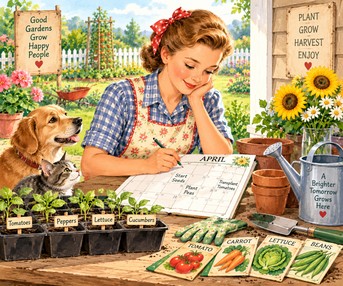
The best time to plant a vegetable garden is not one single date.
It depends on where you live, what you are growing, and which season you are planting for.
This page walks through how to figure that out for your own garden.
Timing is everything in a vegetable garden.
Plant too early, and a late frost can kill tender seedlings overnight.
Plant too late, and a crop may not have enough warm days left to mature before fall arrives.
Finding the Best Time to Plant a Vegetable Garden Starts with Your Frost Dates
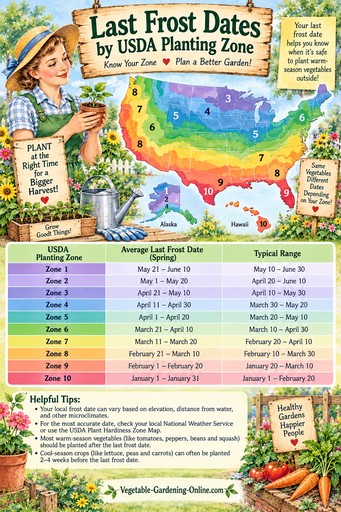
Everything else builds on two dates: your average last spring frost, and your average first fall frost.
The stretch of time between them is your growing season.
These dates vary widely depending on where you live.
A gardener in a mild coastal climate may have a growing season of eight months or more.
A gardener in a cold northern climate may have closer to four.
Neither date is exact every year, since frost dates are averages, not guarantees.
But they give you a solid, reliable starting point for planning.
Once you know your frost dates, the best time to plant a vegetable garden becomes much easier to work out for each individual crop.
Use our Zone Finder to find your frost dates in seconds if you do not already know them.
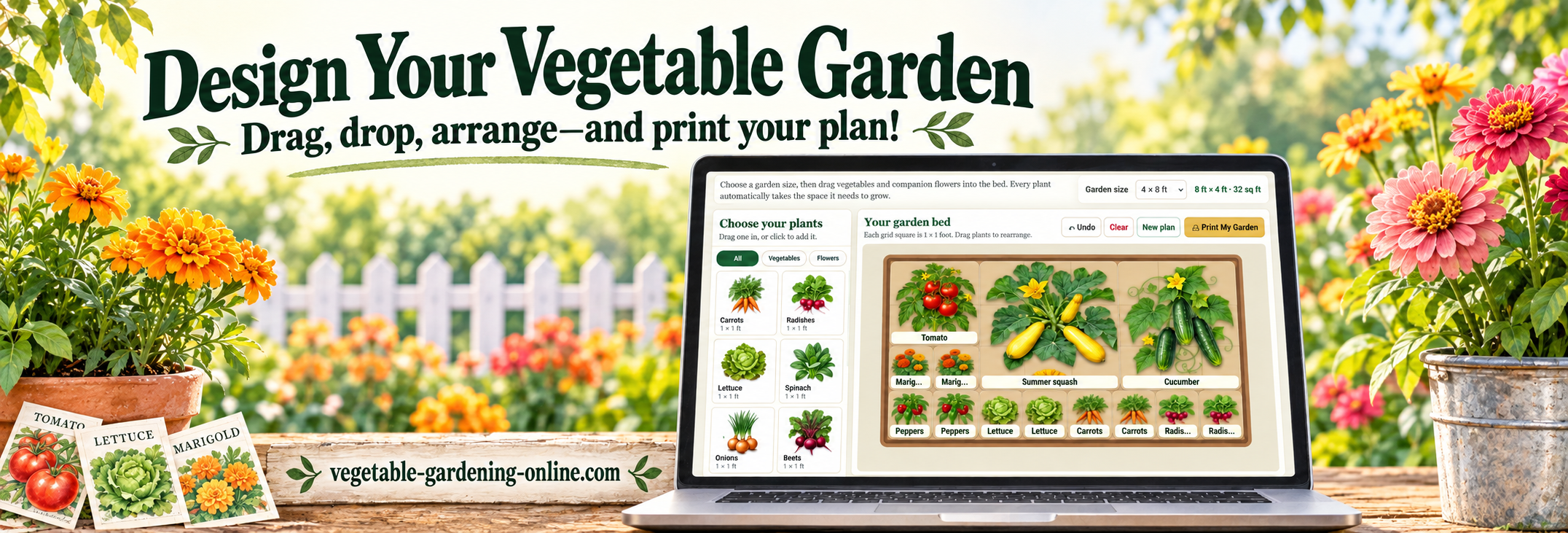
Here in the Willamette Valley in Oregon, we can usually start our cold season vegetables, and flowers such as Sweet Peas, in February.
Raised garden beds help in our climate, as they have better drainage than in-ground gardens. We usually get so much rain in the spring that some seeds will rot in the ground before they can sprout and grow.
The warm season crops have to wait until the end of April or the beginning of May before being planted or transplanted. Sometimes it is difficult to wait that long, but patience pays off in the long run with plants that flourish rather than suffer from cold weather!
Cool-Season vs. Warm-Season Crops
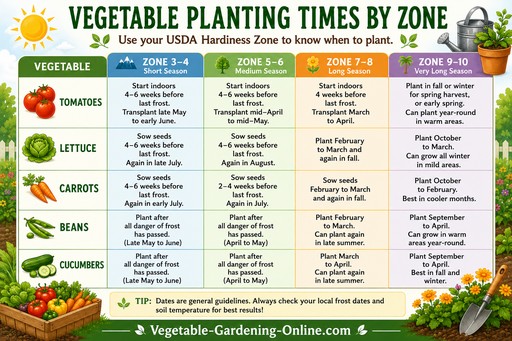
Not every vegetable wants the same weather, and that is really the heart of the timing question.
Cool-season crops thrive in the cooler weather of early spring and fall.
Lettuce, spinach, peas, broccoli, cabbage, carrots, and radishes fall into this group.
Many tolerate light frost without damage, and some, like kale and carrots, actually taste better after a light frost.
These go into the ground several weeks before your last spring frost date, or again in late summer for a fall crop.
Warm-season crops need warm soil and warm air to grow well, and most are damaged or killed by frost entirely.
Tomatoes, peppers, cucumbers, beans, squash, and corn fall into this group.
These wait until after your last spring frost date, once the soil has genuinely warmed.
Knowing which category a vegetable falls into is most of what you need to find the best time to plant a vegetable garden crop by crop.
Timing is everything for tender crops especially — tomatoes, peppers, corn, beans, and cucumbers all need that warm soil to get going.
Quick Reference: Timing by Crop Type
| Crop Type | Examples | General Timing |
|---|---|---|
| Cool-season, spring | Lettuce, spinach, peas, radishes | 2-4 weeks before last spring frost |
| Cool-season, fall | Kale, broccoli, carrots, cabbage | 6-10 weeks before first fall frost |
| Warm-season, direct sow | Beans, corn, squash, cucumbers | After last spring frost, soil warmed |
| Warm-season, start indoors | Tomatoes, peppers, eggplant | 6-8 weeks indoors before last frost |
Starting Seeds Indoors vs. Direct Sowing
Some crops do best started indoors, then transplanted out once the weather cooperates.
Tomatoes, peppers, and eggplant are the classic examples.
Starting them indoors six to eight weeks before your last frost date gives them a head start on a growing season that would otherwise be too short for them to mature outdoors from seed.
If you don't have time and space to start your own seeds indoors, local garden centers and nurseries have many varieties of transplants ready for purchase and planting.

Other crops prefer being sown directly in the garden and left alone.
Carrots, beans, corn, and squash all fall into this group.
Their roots dislike being disturbed by transplanting, so direct sowing at the right time works better than starting them indoors.
Knowing which method a crop prefers is another piece of finding the best time to plant a vegetable garden successfully, since indoor starting means counting backward from your frost date, while direct sowing means simply waiting for the right outdoor conditions to arrive.

Get Your Exact Dates

Once you understand the reasoning above, you are ready for exact dates.
Our Vegetable Planting Calendar lays out specific planting windows for every common vegetable, organized by growing zone, so you can see exactly when to start seeds indoors, transplant, or direct sow.
If you have not yet found your USDA growing zone and frost dates, start with our Zone Finder.
It takes just a few seconds and gives you the foundation everything else on this page is built on.
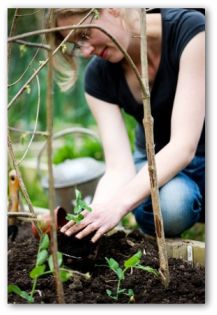 Gardener transplanting tomato plants into her garden.
Explore more: Vegetable Planting Calendar | Zone Finder | Planning a Vegetable Garden | Seasonal Vegetable Garden
Source: University of Illinois Extension

Recent Articles


-
How to Grow Cabbage
Sep 15, 26 12:33 PM
 How to Grow Cabbage: The Complete Guide from Seed to Harvest. This complete guide covers everything you need to know about how to grow cabbage.
 -
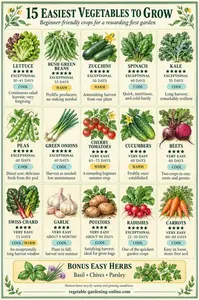
Easiest Vegetables to Grow: 15 Foolproof Crops for Beginners
Sep 15, 26 09:24 AM
 Easiest vegetables to grow for beginners - with advice on what makes each one easy, how to get started, and which vegetables are harder than they look.
 -
How to Grow Green Beans
Sep 14, 26 07:53 PM
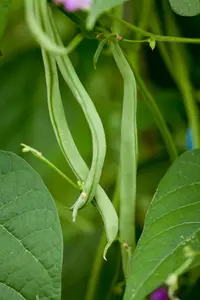
 How to Grow Green Beans: The Complete Guide to Bush and Pole Beans. Green beans are one of the most forgiving crops a beginner can choose.
 -
Seasonal Vegetable Garden
Sep 14, 26 05:38 PM
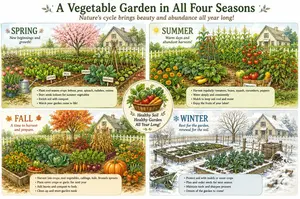
 Seasonal Vegetable Garden — Growing Food Through Every Season
 -
Overwintering Vegetables: Fall-Planted Crops for Early Spring Harvest
Sep 14, 26 05:35 PM
 Learn about overwintering vegetables like garlic, fava beans, and onions, planted in fall to sit through winter and reward you with an early spring harvest.
 -
Free Vegetable Garden Journal— Printable Downloads for Home Gardeners
Sep 14, 26 01:51 PM
 Download our free Vegetable Garden Journal — choose a full 16-page version or simpler 7-page journal. Track planting, harvest, & garden notes season by season.
 -
Free Vegetable Garden Cut and Paste Activities for Kids Ages 5-7
Sep 12, 26 09:13 PM
 Free printable vegetable garden cut and paste activities for kids ages 5-7. Build your own garden, match seeds to plants, and learn what grows where.