- Home
- Planning A Garden
- Vegetable Garden Zone Finder
Vegetable Garden Zone Finder — Know Your USDA Planting Zone
Our free vegetable garden zone finder helps you discover your USDA hardiness zone, your average last spring frost date, your average first fall frost date, and a personalized vegetable planting calendar for your area — all in one place.
Knowing your zone is the single most important piece of information a home vegetable gardener can have. Without it, you are guessing at planting times and risking your entire season on seeds started too early or transplants set out too late.

Use the vegetable garden zone finder below to look up your zone instantly.
Select your state, then your region, and the tool will return your complete growing zone information along with frost dates and planting guidance customized for your location.
What Is the USDA Hardiness Zone?
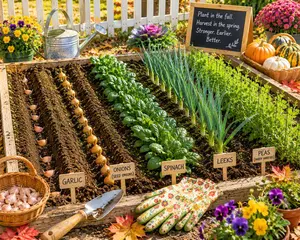
 Even a small container garden can provide fresh peas, or lettuce, onions, and radish for your family to enjoy.
The USDA Plant Hardiness Zone Map divides the United States into numbered zones based on average annual minimum winter temperatures.
There are 13 zones in total, ranging from Zone 1 in the coldest parts of Alaska to Zone 13 in the warmest tropical areas.
Each zone represents a ten-degree range of minimum winter temperatures, and the zones are further divided into "a" and "b" sub-zones representing five-degree increments.

For vegetable gardening purposes, your zone tells you two critical things: how cold your winters get and how long your frost-free growing season is.
A vegetable garden zone finder gives you this information instantly so you can plan your garden with confidence rather than guesswork.
When you see a seed packet or plant tag marked "best for zones 5-8," it is the USDA zone system being referenced — and knowing your zone means you can immediately tell whether that variety is right for your garden.

Your vegetable garden zone finder result is a starting point, not a ceiling.
Many gardeners in cooler zones extend their seasons successfully using cold frames, row covers, and season extension techniques.
And many gardeners in warmer zones use shade cloth and succession planting to grow cool-season crops that technically prefer a colder zone. Your zone tells you what to expect from your climate — what you do with that information is up to you.
Frost Dates — The Heart of Vegetable Garden Zone Planning
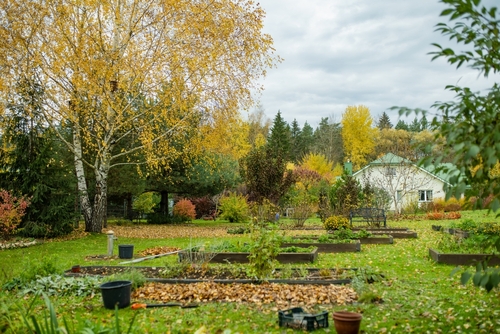
Of all the information your vegetable garden zone finder returns, the frost dates are the most immediately useful for day-to-day garden planning.
Your last spring frost date tells you the earliest safe date to set out frost-sensitive transplants like tomatoes, peppers, cucumbers, and squash outdoors without risking frost damage.
Your first fall frost date tells you when that same window closes — the deadline for ripening warm-season crops before cold returns.
Almost every planting decision in the vegetable garden is calculated from one of these two dates.
- Start tomato seeds indoors six to eight weeks before your last frost date.
- Direct sow carrots four to six weeks before your last frost date.
- Plant fall broccoli eight to ten weeks before your first frost date.
Without knowing your frost dates, these instructions are meaningless. With them, your entire planting calendar falls into place.
Your vegetable garden zone finder provides both dates for your specific region — not just a broad state average but a regionalized estimate based on your local climate.
Use these dates as guidelines and supplement them with local observation over time.
Every garden has its own microclimate, and experienced gardeners learn the small differences between the official frost date for their area and what actually happens in their specific yard.
How to Use Your Vegetable Garden
Zone Finder Information
Once your vegetable garden zone finder has given you your zone and frost dates, here is how to put that information to work in your garden planning.
First, write your last frost date and first frost date somewhere you will see them often — on the inside cover of your garden diary, pinned to your potting shed wall, or tucked into your seed box.
These two dates are the anchor points for your entire growing calendar, and you will refer to them every time you start seeds or plan a planting schedule.
Second, use your zone information when selecting seed varieties.
Many catalogs and seed packets list recommended zones, and some specify "days to maturity" figures that only work if you have enough frost-free days in your season.
Your vegetable garden zone finder result tells you how many frost-free days to expect, which helps you choose varieties that will actually ripen in your climate rather than getting caught by fall frost before harvest.
Third, download our free printable vegetable planting calendar, which gives you zone-specific planting windows for all the major vegetable crops.
Combined with your vegetable garden zone finder result, it gives you a complete, personalized planting schedule for your entire growing season.
- Vegetable Planting Calendar — free printable zone-specific planting windows for all major vegetable crops
- Garden Planting Guide — free printable reference guide for planting times, spacing, and seed depth
- Vegetable Garden Worksheets — free printable garden diary, planning worksheets, and zone chart
Free Printable Zone Chart

In addition to our interactive vegetable garden zone finder tool, we also offer a free printable zone chart that you can download and keep in your garden binder, post in your potting shed, or give to gardening friends.
The printable zone chart shows all thirteen USDA hardiness zones with their temperature ranges and a brief description of typical growing conditions in each zone.
A printed zone chart is especially useful when you are browsing seed catalogs or shopping at a garden center. It gives you an instant reference so you do not have to pull up the vegetable garden zone finder on your phone every time you want to check whether a variety is right for your climate.
Print it on card stock, laminate it, and it will last for years.
For the official USDA Plant Hardiness Zone Map — the standard used by gardeners and growers across the United States for determining which plants are most likely to survive winter in their location — visit the USDA Agricultural Research Service at planthardiness.ars.usda.gov.
- USDA Plant Hardiness Zone Map — the official interactive zone map for finding your USDA hardiness zone and frost dates by zip code
- Free Vegetable Garden Printables — all our free downloads in one place, including the printable zone chart
More Vegetable Garden Planning Tools

Your vegetable garden zone finder is just the starting point for planning a productive garden.
Once you know your zone and frost dates, our garden planning tools will help you design your layout, track your planting schedule, and record results from season to season.
Visit our free printables hub for everything you need to plan, plant, and track your vegetable garden from the first seed of spring to the last harvest of fall.
- Vegetable Garden Planner — interactive drag-and-drop online garden planner; design your layout and print it
- Planning a Vegetable Garden — complete hub for all our garden planning guides, tools, and layouts
- Free Newsletter — sign up to be notified when new printables and tools are added to the site
This page is part of our Free Vegetable Garden Printables collection, where you will find all our free downloads in one place — worksheets, plans, coloring books, zone charts, and more.
Free Vegetable Garden Printables — all our free downloads for home vegetable gardeners in one place
The Official USDA Plant Hardiness Zone Map
The data behind our vegetable garden zone finder is drawn from the official USDA Plant Hardiness Zone Map, which is updated periodically as climate data is revised.
For the most current and detailed zone information, including an interactive zip code lookup and downloadable state and regional maps, visit the official USDA Plant Hardiness Zone Map at planthardiness.ars.usda.gov.
- USDA Plant Hardiness Zone Map — the official government zone map with interactive zip code lookup and downloadable regional maps
Return to our Planning a Vegetable Garden hub for complete guides to garden design, layout, raised beds, containers, and planning tools.
- Planning a Vegetable Garden — complete hub for garden design, layout, raised beds, containers, and planning tools

Recent Articles


-
How to Grow Cabbage
Sep 15, 26 12:33 PM
 How to Grow Cabbage: The Complete Guide from Seed to Harvest. This complete guide covers everything you need to know about how to grow cabbage.
 -
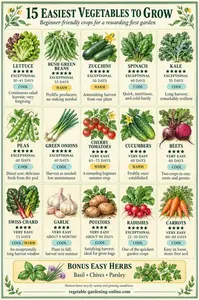
Easiest Vegetables to Grow: 15 Foolproof Crops for Beginners
Sep 15, 26 09:24 AM
 Easiest vegetables to grow for beginners - with advice on what makes each one easy, how to get started, and which vegetables are harder than they look.
 -
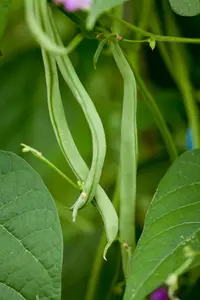
How to Grow Green Beans
Sep 14, 26 07:53 PM
 How to Grow Green Beans: The Complete Guide to Bush and Pole Beans. Green beans are one of the most forgiving crops a beginner can choose.
 -
Seasonal Vegetable Garden
Sep 14, 26 05:38 PM
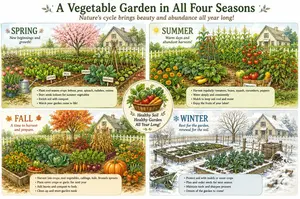
 Seasonal Vegetable Garden — Growing Food Through Every Season
 -
Overwintering Vegetables: Fall-Planted Crops for Early Spring Harvest
Sep 14, 26 05:35 PM
 Learn about overwintering vegetables like garlic, fava beans, and onions, planted in fall to sit through winter and reward you with an early spring harvest.
 -
Free Vegetable Garden Journal— Printable Downloads for Home Gardeners
Sep 14, 26 01:51 PM
 Download our free Vegetable Garden Journal — choose a full 16-page version or simpler 7-page journal. Track planting, harvest, & garden notes season by season.
 -
Free Vegetable Garden Cut and Paste Activities for Kids Ages 5-7
Sep 12, 26 09:13 PM
 Free printable vegetable garden cut and paste activities for kids ages 5-7. Build your own garden, match seeds to plants, and learn what grows where.