How to Start a Vegetable Garden From Scratch--A Complete Beginner's Guide
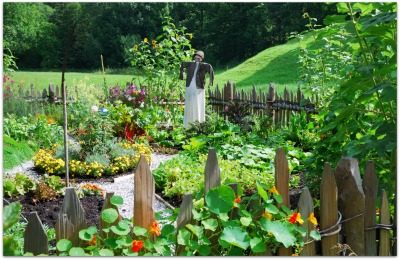
Learn how to start a vegetable garden from scratch; it is one of the most rewarding things you can do — and it's far simpler than most beginners expect. This step-by-step guide covers everything from choosing the right spot to harvesting your first crops, with no experience required. k of text...
Every experienced gardener started exactly where you are right now — staring at a patch of ground (or a small patio) and wondering where to begin. The good news is that vegetables are forgiving, fast-growing, and incredibly satisfying. Follow these ten steps and you will have a productive, enjoyable garden by the end of your first season.
Step 1. Find the Right Location
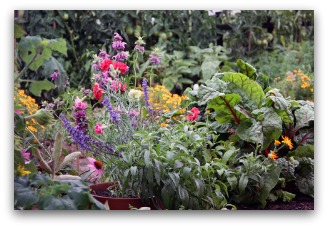
The single most important factor before you learn how start a vegetable garden from scratch, is sunlight. Most vegetables — tomatoes, peppers, cucumbers, squash, beans, and corn — need a minimum of 6 to 8 hours of direct sunlight every day. Less than that and your plants will grow slowly, produce poorly, and become more vulnerable to disease.
Before you dig a single hole, spend a day watching how sunlight moves across your yard. Note which areas are in full sun from morning to evening, which get afternoon shade from a fence or tree, and which are shaded for most of the day.
What to Look for in a Garden Location
- Full sun: 6–8 hours of direct sunlight daily, ideally morning sun (which dries dew quickly, reducing disease)
- Good drainage: Avoid areas where water pools after rain — roots sitting in waterlogged soil will rot
- Close to water: Being near a hose or tap makes a huge difference to how consistently you'll water
- Away from large trees: Tree roots compete aggressively for water and nutrients, and heavy shade kills crops
- Level ground: Slopes cause water runoff; water pools in low spots
Beginner Tip
If your best sunny spot has poor soil, don't worry — that's what raised beds are for. You bring the good soil to the spot, rather than trying to fix what's already there.
If you only have partial sun (4–6 hours), you can still grow a productive garden — just focus on cool-season crops like lettuce, spinach, kale, radishes, peas, and herbs like parsley and cilantro. These tolerate shade far better than warm-season crops.
Step 2 - Decide on Your Garden Type
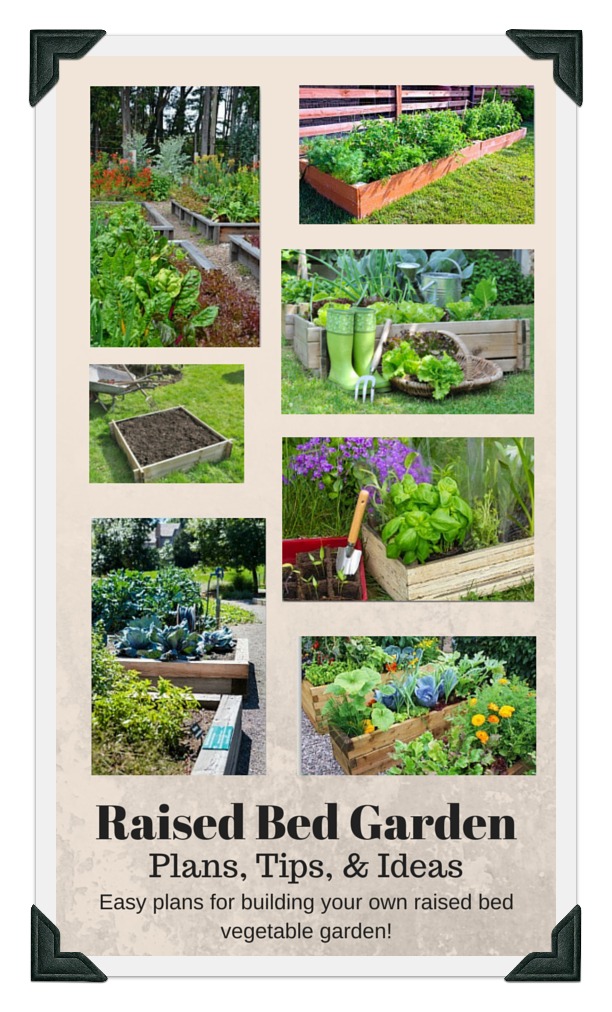
There are three main ways to grow vegetables, each with real advantages depending on your space, soil, and budget. Most beginners today choose raised beds - and for good reason.
| Garden Type | Best For | Pros | Cons |
|---|---|---|---|
| Raised beds | Most beginners; poor native soil; bad drainage | Full soil control; fewer weeds; great drainage; easier on your back; warms up faster in spring | Initial cost to build and fill with soil |
| In-ground beds | Large gardens; good existing soil | Low cost to start; unlimited space; no building required | More weeding; soil may need heavy amendment; harder to control drainage |
| Containers / pots | Patios, balconies, renters, very small spaces | Grow anywhere; move pots for optimal sun; no digging; great for herbs and salad greens | Dries out faster; needs regular feeding; limits root space for large crops |
A 4-foot-wide raised bed is the most popular choice for beginners because you can reach the centre from either side without stepping on the soil - which keeps it from compacting. The standard starter size is 4 feet wide by 8 feet long by 12 inches deep, giving you 32 square feet of growing space.
No Space? No Problem: Even a single 10-gallon grow bag on a sunny balcony can produce a satisfying crop of cherry tomatoes, lettuce, or herbs. Container gardening is one of the fastest-growing gardening trends - you do not need a yard to grow your own food.
Step 3 - Start Small
This is the mistake almost every new gardener makes: starting too big. An overly ambitious first garden leads to overwhelm, neglect, and disappointment. A small garden that is well-tended will produce far more food - and far more enjoyment - than a large garden that gets away from you.
For your very first garden, aim for one of these sizes:
- One 4x4 ft raised bed (16 square feet)
- One 4x8 ft raised bed (32 square feet)
- Three to five large containers on a patio or balcony
This is enough to grow a meaningful variety of vegetables without overwhelming you with maintenance. Once you have had a successful first season, you will know exactly what you want to expand. You can always add a second bed next year.
Step 4 - Know Your Growing Zone and Frost Dates
Your USDA Hardiness Zone and your local frost dates are the two most important pieces of information a vegetable gardener needs. They tell you when it is safe to plant outdoors, which crops will thrive in your climate, and how long your growing season is.
Your last spring frost date is when you can safely transplant warm-season crops outdoors. Your first fall frost date tells you when the season ends.
Find Your Zone: Not sure of your zone or frost dates? Download our free USDA Zone Chart - it covers every US growing zone with frost date guidance and recommended crops for each region.
Cool-season vegetables like lettuce, peas, spinach, and broccoli can handle light frost and should be planted 4-6 weeks before your last frost date. Warm-season crops like tomatoes, peppers, cucumbers, and squash are killed by frost and should only go outdoors after your last frost date has passed.
Step 5 - Prepare Your Soil
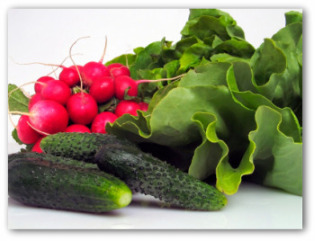
Experienced gardeners say it constantly: feed the soil, not the plant. Healthy soil is the single biggest factor in a productive vegetable garden. No amount of fertilizer can compensate for poor soil structure.
Vegetables need soil that is:
- Loose and crumbly - roots need to penetrate easily; compacted soil stunts growth
- Rich in organic matter - compost feeds your plants slowly and improves both drainage and water retention
- Well-draining but moisture-retentive - good soil holds water long enough for roots to absorb it, then drains the excess
- Slightly acidic to neutral - a pH of 6.0 to 7.0 suits most vegetables
For Raised Beds
Do not use straight garden soil - it compacts in raised beds and drains poorly. The gold standard mix is one-third compost, one-third topsoil or raised bed soil mix, and one-third coarse material like perlite, coarse sand, or vermiculite.
For In-Ground Beds
Test your soil first - basic home test kits cost under $15. Then work in 2-4 inches of compost across your whole bed, digging it in to a depth of 10-12 inches. Repeat this every season and your soil will improve year after year.
Common Mistake: Never work wet soil - it destroys the structure you have worked to create, turning it into hard clods when it dries. If you can squeeze a handful of soil and it holds a ball that crumbles when poked, it is ready to work.
Step 6 - Choose the Right Vegetables to Start With
Not all vegetables are equally beginner-friendly. Some are fast, forgiving, and highly productive. Others are slow, fussy, and prone to problems. Start with the easy wins.
Best Vegetables for Beginners
| Vegetable | Why It Is Great for Beginners | Days to Harvest |
|---|---|---|
| Lettuce | Ready in 30-45 days. Grows in partial shade. Cut-and-come-again. | 30-45 days |
| Radishes | Ready in just 25 days. The ultimate beginner crop - almost foolproof. | 25 days |
| Green Beans | Direct sow after frost. Heavy producer. Bush types need no staking. | 55 days |
| Carrots | Easy from seed. Very rewarding to pull. Use loose, deep soil. | 75 days |
| Cherry Tomatoes | Easier than slicers. Prolific producers all summer long. | 65-75 days |
| Cucumbers | Fast-growing once warm. Train up a trellis to save space. | 60 days |
| Zucchini | Almost too easy - one plant feeds a family. Harvest young. | 55 days |
| Basil | Fast, useful, and great in containers near the kitchen. | 30 days |
| Spinach | Quick cool-season crop. Plant early spring and again in fall. | 40 days |
Plan Before You Plant: Use our free interactive vegetable garden planner to design your bed before you buy anything. It shows you exactly how many plants fit in your space, which plants grow well together, and which combinations to avoid.
Step 7 - Plan Your Layout with Companion Planting in Mind
How you arrange your vegetables matters - both for making efficient use of space and for the health of your plants. Companion planting is the practice of growing certain plants near each other because they benefit one another.
Key Layout Rules for Beginners
- Tall plants go on the north side of the bed so they do not shade shorter plants
- Spreading plants like zucchini and cucumbers go at the edges where they can sprawl out
- Succession plant fast crops like radishes and lettuce - as soon as one finishes, replant that space
- Group by water needs - thirsty crops like cucumbers near each other; drought-tolerant herbs together
Good Companion Planting Combinations
- Tomatoes + Basil - basil repels aphids and whiteflies
- Carrots + Onions - onions repel carrot fly; carrots repel onion fly
- Beans + Corn - beans fix nitrogen in the soil that feeds the corn
- Lettuce + Tall crops - lettuce benefits from afternoon shade in summer
- Marigolds everywhere - plant marigolds throughout your beds; they repel nematodes, aphids, and many common pests
Design Your Garden Before You Dig
Our free interactive planner lets you drag and drop vegetables into your bed, check companion planting compatibility, and see spacing requirements - all in your browser.
Open the Free Garden Planner
Download Free Worksheets
Step 8 - Plant Correctly: Seeds vs Transplants
Some vegetables grow best when sown directly from seed in the garden. Others need a longer growing season and should be started indoors weeks before the last frost, then transplanted out as young plants.
| Direct Sow Outdoors | Start Indoors or Buy as Transplants |
|---|---|
| Carrots, radishes, beans, peas, beets, spinach, lettuce, corn, squash, cucumbers | Tomatoes, peppers, eggplant, broccoli, cabbage, cauliflower, celery |
| These crops do not like having their roots disturbed - direct sowing is best | These need 6-10 weeks of indoor growing before they are ready for outdoor conditions |
How Deep to Plant
A general rule: plant seeds two to three times as deep as the seed is wide. Always check the seed packet - it will tell you the exact depth and spacing for that variety.
Transplanting Tips
- Harden off transplants before moving them outdoors - set them outside for a few hours each day for a week
- Transplant on a cloudy day or in the evening to reduce transplant shock
- Water transplants in well immediately after planting
- Tomatoes can be planted deep - up to two-thirds of the stem can be buried, and roots will form along it
Step 9 - Water, Feed, and Maintain Your Garden
Once your garden is planted, the work shifts to consistent care. Vegetables need regular water, occasional feeding, and vigilance for pests and problems. With a simple routine, it takes no more than 15-20 minutes a day.
Watering
Most vegetable gardens need about one inch of water per week from rain or irrigation. The best way to check is to stick your finger 2 inches into the soil - if it feels dry, it is time to water. Water at the base of plants rather than over the leaves, which reduces fungal disease.
Game Changer: A simple drip irrigation system or soaker hose on a timer is the single best investment a beginner gardener can make. It removes the most common cause of failure - inconsistent watering - entirely from the equation.
Feeding
If you have prepared your soil with good compost, you may not need much additional fertiliser in year one. For a quick boost, a balanced granular fertiliser such as 10-10-10 worked into the soil before planting gives young plants a strong start. Heavy feeders like tomatoes and corn benefit from a liquid feed every two to three weeks once they are actively growing.
Mulching
Spreading 2-3 inches of straw, shredded leaves, or wood chip mulch between your plants is one of the best things you can do for a low-maintenance garden. Mulch suppresses weeds, retains moisture, regulates soil temperature, and slowly breaks down to feed the soil.
Managing Pests and Problems
Check your plants a few times a week. Look under leaves for eggs and larvae. Pick off caterpillars by hand. Blast aphids off with a jet of water. A healthy, well-fed plant in good soil is the best defence against most common garden pests and diseases.
Water in the morning for best results! Evening watering can lead to mildew problems if the plant foliage doesn't dry before nightfall.
Step 10 - Harvest at the Right Time
Most crops taste best - and produce most heavily - when harvested young and regularly. Leaving vegetables on the plant too long reduces quality and signals the plant to stop producing.
- Zucchini and cucumbers: Harvest when small - 6-8 inches for cucumbers; 6-10 inches for zucchini. Leaving them to grow huge reduces flavour and stops new fruits forming.
- Lettuce and salad greens: Cut outer leaves as needed - the centre keeps growing. Harvest the whole plant before it bolts.
- Beans: Pick when the pods are full but before the beans inside are visible as hard bumps - this keeps the plant producing for weeks.
- Tomatoes: Harvest when fully coloured and slightly soft to the touch.
- Radishes: Check from day 20 onwards - they become hollow and woody if left too long in warm soil.
- Herbs: Pinch off tips regularly to keep plants bushy and prevent flowering, which turns the flavour bitter.
How to Start a Vegetable Garden From Scratch: The 7 most Common Beginner Mistakes
- Starting too big. A small, well-tended garden beats a large neglected one every time.
- Planting in too much shade. If your plants are tall and spindly with pale leaves, they need more sun.
- Watering inconsistently. Irregular watering causes blossom end rot in tomatoes, splitting in carrots, and bitter cucumbers.
- Not improving the soil. Thin, compacted, or sandy soil without organic matter will produce disappointing harvests.
- Planting too close together. Overcrowding reduces air circulation, increases disease, and makes harvesting difficult.
- Ignoring pest problems until they are severe. A weekly 5-minute walk through your garden catching problems early saves hours of work later.
- Not keeping records. Write down what you planted, when, and what worked. Your second season will be dramatically better than your first.
Frequently Asked Questions
How much does it cost to start a vegetable garden?
A basic in-ground garden can cost as little as $30-$50 for seeds, compost, and basic tools. A single 4x8 raised bed typically costs $100-$250 depending on materials and soil. The investment pays for itself quickly in fresh produce.
What is the easiest vegetable to grow for a beginner?
Radishes are the easiest - they germinate in days and are ready to eat in as little as 25 days. Lettuce, zucchini, and green beans are also excellent beginner crops: fast, productive, and very forgiving of minor mistakes.
When should I start my vegetable garden?
It depends on your climate and what you want to grow. Cool-season crops can go in the ground 4-6 weeks before your last spring frost. Warm-season crops go in after your last frost date. Find your zone and frost dates here.
How much sun does a vegetable garden need?
Most vegetables need 6-8 hours of direct sunlight daily. If you have 4-6 hours, focus on leafy greens, herbs, and root vegetables. Fewer than 4 hours makes food gardening very challenging.
Do I need to test my soil before starting?
It is not strictly necessary, but highly recommended - especially for in-ground gardens. A basic test ($10-$15 at most garden centres) tells you your soil pH and nutrient levels so you know exactly what amendments to add.
How often should I water my vegetable garden?
Most gardens need about 1 inch of water per week. In hot, dry weather, that may mean watering every 2-3 days. The best method is to check the soil - 2 inches down it should feel moist, not soggy.
You Are Ready to Grow
Learn how to start a vegetable garden from scratch; it comes down to ten straightforward steps: find the sun, choose your bed type, start small, know your zone, prepare excellent soil, pick beginner-friendly vegetables, plan your layout thoughtfully, plant at the right time, maintain consistently, and harvest regularly.
Your first garden will not be perfect - no garden ever is. But it will produce real food that you grew with your own hands, and that makes even the imperfections worthwhile.
Ready to Plan Your First Garden?
Use our free tools to get started - no experience required.
Free Interactive Garden Planner
Free Zone Chart