How to Grow Beets in
Your Vegetable Garden

Learn how to grow beets (also known as beetroots) in your backyard vegetable garden with our easy tips.
Learn how to plant, care for, and harvest beets when home vegetable gardening.
Design Your Own Vegetable Garden Layout Using our Free "Vegetable Garden Planner" Software!
In 2003, a man in Britain named Richard Hope achieved the world record for growing the longest beet, which measured over 20 feet long!
The beet plant originally came from the Mediterranean, where it grew as a leafy form, without enlarged roots.
Today, improved types of these early growing beets are grown as Swiss chard.
In 1806, in the United States, only one beet variety was listed.
Now there are numerous varieties available for growing beets at home.
Download Free Garden Planning Worksheets, Garden Diary, Zone Chart, Or Planting Guide
How to Grow Beets from Seed

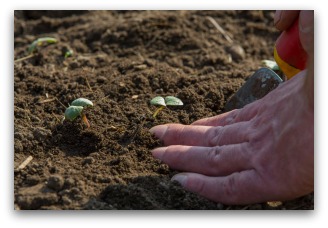
- Sow beet seeds directly in the garden, in rows a foot or so apart.
- Thin the growing beets to spaces of 2 inches.
- Thin the plants early because unless you use a single-seeded variety, each beet seedball will produce 3 to 5 plants in a tight clump.
- You can postpone some of the thinning until the extra beet plants are large enough to eat.
- The thinned beets can be washed and eaten leaves and all in a stir-fry or salad.
Growing Beets
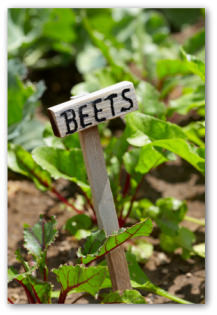
- Although growing beets prefer cool weather, they are tolerant of a wide range of conditions.
- The crops can be planted early in the season and
depending on your climate, you can make additional plantings up until
the summertime.
- When planting during very hot weather, pay special attention to watering and mulching the growing beets.
How to Grow Beets--Vegetable Gardening Tips
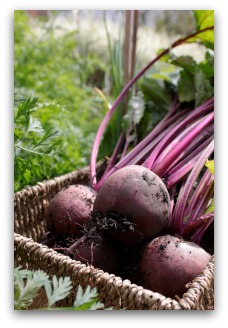
- If beet roots are damaged when you dig them, dip the beets in flour to stop the "bleeding".
- The most common mistakes beginning gardeners make when growing beets is over-planting and under-thinning.
- If there is not enough moisture or if there is too much competition for space from weeds or other plants, your beets will be stringy and tough.
How to Grow Beets--Choosing Seeds
When learning how to grow beets, choose beet seeds that are resistant to downy-mildew.
All types of growing beets can serve both for roots and greens.
If you would rather grow beets for the greens, plant chard or a variety for that use, such as sugar beets.
Varieties of Beets for Planting in Your Garden
Detroit Dark Red
‘Detroit Dark Red' can be harvested in 63 days.
It has a dark color with a neat globe shape.
Early Wonder
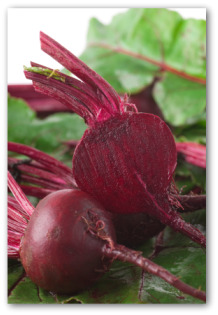
‘Early Wonder' is ready for harvesting in 55 days and has a semi-globe shape.
Ruby Queen
Harvest 'Ruby Queen' in 60 days.
The beet is globe-shaped and colored deep red.
Mono-King Explorer
'Mono-King Explorer' can be harvested in 50 days.
This deep red type has a single seed to each seedball.
Burpee Golden
'Burpee Golden' is ready in 55 days.
This good quality root has an unusual golden-yellow color.
It may average higher in sugar content.
The pigment does not bleed out in cooking, as occurs with growing beets that are red.
Pickled Beets
Once you have learned how to grow beets in your garden, turn some of your extra beets into delicious Pickled Beets.
By definition, a pickle is a vegetable that has been kept in vinegar, different from chutney, which has been cooked in it.
To pickle beets, boil the vegetable for an hour and a half and then rub off the skins.
(Boiling makes it easier to remove the skin. They will simply slip off instead of having to be peeled.)
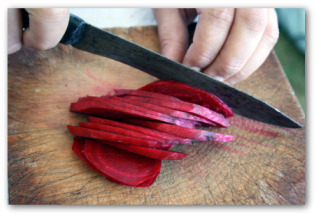
- Slice the beets and soak overnight in salted water to draw out some of the moisture.
- Use roughly one part salt to ten parts water.
- Drain.
- Add the vegetables to sterilized canning jars filled with wine, cider, or malt vinegar.
To boost flavor, add spices and herbs of your choice.
The most popular choices are adding mustard seeds, black peppercorns, garlic cloves, and celery seeds.
You can begin eating the pickled beets after a week or so but many experts suggest waiting at least 10 weeks.
Using Beets for Cooking and Canning
After growing beets, serving ideas include to serve hot, cooked, sliced beets in an orange sauce or with dollops of sour cream.
Shred raw beets and cook quickly in butter. In some countries, beets are eaten on hamburgers. (Don't knock it until you try it!)
Beets also make a great flavor and color addition to soups such as borscht, and stews.
Recent Articles


-
Growing Dill In a Backyard Vegetable Garden
Nov 20, 18 11:40 PM
 Easy tips for growing dill in a home vegetable, kitchen, or herb garden. Learn how to plant, grow, care for, and harvest dill plants when backyard vegetable gardening.
 -
Vegetable Garden Pictures to Help Plan Your Garden
Nov 20, 18 09:53 AM
 Vegetable garden pictures and videos to help you get started planting a garden. Gardening pictures can help you plan your garden whether a raised bed, container, or traditional backyard home garden.
 -
Vegetable Gardening Planting Times, Zone Chart, and Guide for When to Plant
Nov 20, 18 09:51 AM
Use our free zone chart and guide for vegetable gardening planting times, to plan your next garden. Whether planting seeds or transplants, learn when to start.