- Home
- How to Grow Vegetables
- Growing Lettuce
- Growing Spinach
Growing Spinach in a Small Vegetable Garden

Here are a few of the best tips for growing spinach in backyard or container vegetable gardens!
Learn how easy it is to plant, grow, care for spinach plants in your garden.
Spinach can also be grown in a raised-bed or container vegetable garden...
Try planting spinach in your in-ground, raised bed, square foot, or container vegetable garden this year!
You will be surprised at how quickly it grows, and how delicious it tastes.
Spinach is easy to grow in any type of vegetable garden.
Spinach can be planted from seeds, and is easy to plant and maintain.
Even a small vegetable garden can include spinach, as it doesn't take much space.
When planning your vegetable garden this year, be sure to include a row of spinach!
Recommended Spinach Plant Varieties

Bountiful harvests can be produced in the unlikeliest of places!
- A window box or patio container garden can be used to plant edible and attractive spinach.
- Gardeners cramped for space can turn a bright sunny spot into an area that yields healthy vegetables for their families.
- Spinach plants will also thrive in lightly shaded locations.
Download Free Garden Planning Worksheets, Garden Diary, Zone Chart, Or Planting Guide
Most spinach plants do not mind a bit of crowding. In fact, varieties have been developed for small spaces. Recommended varieties for growing spinach are Virginia Savoy, Dixie Market, Hybrid 7, and Bloomsdale Longstanding.
How to Grow Spinach Plants

- Seed germination for growing spinach is 10-14 days.
- Sow during cool weather in a prepared garden bed.
- Keep soil moist to speed germination and encourage quick growth.
- Spinach may be grown in single rows but adapts well to double cropping and wide row techniques.
- Days
to harvest are 45-60.
- Spacing between rows needs to be 14-18 inches at a
depth of ¾ when planting spinach.
- Space between plants should be 3 to 5
inches.
- Plants needed per person of this nutritious vegetable are 30-40.
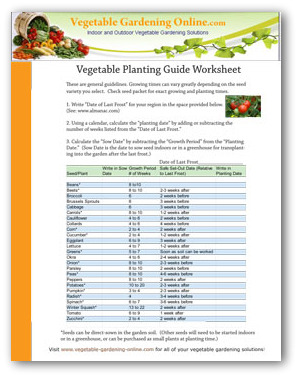
- Spinach is tolerant of frosts and light freezes. For additional planting and growing information, download our vegetable planting guide worksheet.

Fertilizing Spinach Plants
- Fertilize lightly every 2 to 3 weeks with 6-6-6 nitrogen-only
fertilizer.
- The numbers of a fertilizer analysis indicate the percentage
of, in order, nitrogen, phosphorus, and potassium.
- Minor nutrients such as iron, boron, zinc, and manganese are often included.
Caring for Spinach Plants in the Garden

- Use mulch to stretch the intervals between watering.
- Plants can be harvested for 2-3 weeks. When a seed stack appears, cut and use the entire plant. To ensure a continual supply, make monthly sowing while the weather is cool.
Warm Weather Spinach Varieties
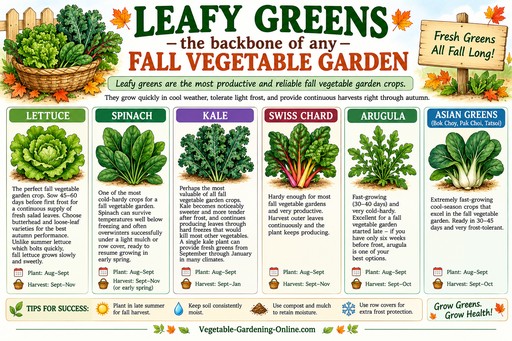
For gardeners interested in growing spinach in warm weather, you can try Malabar and New Zealand species, which do well spring through the summer.
Malabar also known as Ceylon can take the heat.
It is climbing spinach and needs to be trellised. Start plantings from seeds or cuttings.
Two vines should provide a sufficient harvest for growing spinach to supply your family with its health benefits.
Prune the plants to restrict growth getting out of hand. Use the tender leaves and stems as substitutes for true spinach.

New Zealand Spinach
The New Zealand species of spinach is planted from seeds and grows as a bushy herb. Clip the vigorous growing branches as needed to cause branching. The clippings can be eaten.
Spinach Troubleshooting
If you have difficulty growing spinach in the fall, plant during cool weather.
- Seedlings are susceptible to rots when the weather is too warm.
- When plantings repeatedly fail, consider fumigating the soil with Vapam.
- Follow soil solarization techniques described below before attempting to replant the crop.
Solarization Technique for Growing Spinach
When the soil is heated to and held at temperatures above 120 degrees, pests such as nematodes are destroyed.
The garden must be in the full sun, the ground should be loose and watered well.
This technique is called solarization, and works well during the hottest days of summer.
Cover the prepared site with clear plastic and seal the edges to retain the sun’s heat.
Treatment should continue for four weeks to destroy nematodes and longer for disease control.
It Helps to Rotate Your Spinach Crop!
- Rotating your spinach crops each year is one of the best guidelines
you can use to ensure an abundant production of the vitamin packed
vegetable every season.
- At harvest time, begin
harvesting spinach plants when the leaves are 3 to 4 inches tall.
- Cut
individual leaves or the entire plant.
Spinach is easy even for a beginner vegetable gardener.
It is a healthy delicious addition to any type of vegetable garden design.
If your kids don't love spinach, have them plant some spinach seeds, and take care of them in the garden.
They will be easily tempted to taste their spinach either fresh or lightly steamed from the garden.
Growing spinach is a great way to teach important life-skills, and encourage healthy eating habits.
You know Pop-eye had it right!
- Growing Vegetables — complete hub for growing all vegetables at home

Recent Articles


-
What Can I Still Plant? Enter Your Zip Code and Find Out
Sep 19, 26 08:22 PM
 What can I still plant this season? Enter your zip code or first frost date and today's date, and see which vegetables still have time to mature before frost.
 -
Free Vegetable Garden Planner Printable: Plan, Plant, Grow, Harvest
Sep 19, 26 06:47 PM
 Free vegetable garden planner printable; It is a complete 8-page planning and record-keeping workbook designed for home vegetable gardeners
 -
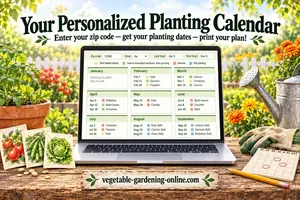
Personalized Vegetable Planting Calendar: Free Tool, Your Frost Dates
Sep 19, 26 04:19 PM
Free personalized vegetable planting calendar. Enter your zip code or frost dates, pick your crops, and print a month-by-month seed starting and planting plan. -
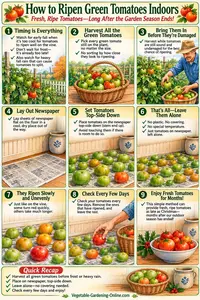
How to Ripen Green Tomatoes Indoors
Sep 16, 26 09:48 PM
 Ripen green tomatoes indoors with a simple newspaper method. Learn when to pick, where to place them, and how to keep fresh ripe tomatoes coming for weeks.
 -
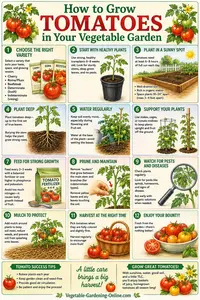
How to Grow Tomatoes: The Complete Guide from Seed to Harvest
Sep 16, 26 08:56 PM
How to grow tomatoes from seed to harvest. Choosing varieties, deep planting, watering, feeding, pruning, and fixing common problems in the home garden -
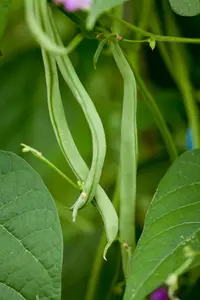
How to Grow Green Beans
Sep 15, 26 10:55 PM
How to Grow Green Beans: The Complete Guide to Bush and Pole Beans. Green beans are one of the most forgiving crops a beginner can choose. -
How to Grow Cabbage
Sep 15, 26 12:33 PM
 How to Grow Cabbage: The Complete Guide from Seed to Harvest. This complete guide covers everything you need to know about how to grow cabbage.