Growing Gooseberries
in Your Backyard

Here are a few easy tips for growing gooseberries in a home vegetable garden!
Learn gardening tips for how to plant, care for, and harvest gooseberry plants.
We have included an easy but delicious recipe for Gooseberry Fool dessert that will soon become a family favorite!
If you like a tart tasting berry, then you should consider planting gooseberries.
Although, some people like the shock to their taste buds of eating them raw, many prefer to stew them in an English dessert called Gooseberry Fool.
Download Free Garden Planning Worksheets, Garden Diary, Zone Chart, Or Planting Guide
The gooseberry is said to have received its name because it was once used to make a sauce which was served with cooked goose.
The French enjoy gooseberries in a sauce made with fresh mackerel.
Growing Gooseberries

The plants grow best in Zones 4-8.
Gooseberries are prone to mildew.
Be sure to water them in the morning, so that the foliage has time to dry thoroughly.
Chive sprays have been used against downy and powdery mildew on gooseberries.
When companion plant gardening, tomatoes may aid their growth and broad beans may help drive away the gooseberry sawfly caterpillar.
Planting Gooseberries in Your Garden
- Plant where the bushes will receive full sun.
- The gardening site should consist of moist but well draining soil, with a pH of 6.0 to 7.0.
- Schedule planting in the springtime in Zones 4 to 6.

- Gooseberries can be planted in the spring or fall in Zones 7 and 8.
- You can also take hardwood cuttings in autumn to root the following spring.
- Alternatively, propagate simply by layering or mound layering in the springtime.
How to Grow Gooseberries

- Spacing requirements are 5 to 6 feet apart.
- Set container-grown nursery plants at the same planting depth they were previously grown.
- Place bare root plants with the old soil line 1 inch into the ground.
- When setting out nursery plants, cut back all the branches so plants are 5 inches high.
- After planting, mulching the gooseberry bushes conserves moisture.
- Leave the mulch in place year round, replacing as needed.
Growing Gooseberries Tips
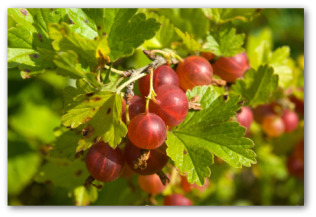
Gooseberries may carry white pine blister rust.
Check with your county extension agency about any regulations for planting in your area.
When selecting a site, make certain the plants will be at least 900 feet away from any white pines growing in the location.
- Gooseberries bloom early and may be injured by late frost in Zones 4 and 5.
- Planting on a north-facing slope helps delay blooming in these regions.
- Gooseberry plants are easily trainable and can make decorative screens or wall coverings in the garden.
- Gooseberries are eaten by birds despite their thorns, so plant an extra bush!
- Potassium is especially needed by gooseberries for fruiting and disease resistance.

Gooseberry Fool Recipe
Gooseberry Fool was a favorite dessert in England for hundreds of years.
Legend has it that it got its name because after it was eaten, you acted like a fool.
It was said that children would eat as much as they could, run outside, roll down a hill, and then start eating all over again!
Ingredients:
- 1 pound gooseberries
- 2 tablespoons water
- ½ cup sugar
- ½ pint cream
Instructions:
1. Remove the top and bottom ends of the gooseberries.
2. Put the gooseberries in a saucepan with the water and sugar. Simmer over low heat. Stir occasionally for about 20 minutes, until the berries are tender.
3. Using the back of a spoon pass the fruit through a sieve into a bowl and allow to cool.
4. Whip the cream with a mixer until stiff peaks form.
5. Fold the cream into the gooseberry puree.
6. Pour into individual dessert dishes and chill at least 1 hour before serving.
Although growing gooseberries is a beloved gardening practice in the United Kingdom, it is not as common in the USA.
Where I live in Oregon, many gardeners plant a few gooseberry bushes near the garden.
Our favorite is sweet-tart gooseberry pie, and gooseberry jam...yum.
The tide could turn as gardeners discover how easy gooseberries are to grow and what excellent preserves and desserts can be made with the berries!
Recent Articles


-
Growing Dill In a Backyard Vegetable Garden
Nov 20, 18 11:40 PM
 Easy tips for growing dill in a home vegetable, kitchen, or herb garden. Learn how to plant, grow, care for, and harvest dill plants when backyard vegetable gardening.
 -
Vegetable Garden Pictures to Help Plan Your Garden
Nov 20, 18 09:53 AM
 Vegetable garden pictures and videos to help you get started planting a garden. Gardening pictures can help you plan your garden whether a raised bed, container, or traditional backyard home garden.
 -
Vegetable Gardening Planting Times, Zone Chart, and Guide for When to Plant
Nov 20, 18 09:51 AM
Use our free zone chart and guide for vegetable gardening planting times, to plan your next garden. Whether planting seeds or transplants, learn when to start.