Tips for Growing Lettuce
in Your Backyard

Need tips and plans for growing lettuce in the spring or in hot weather?
Good lettuce varieties including Icberg, Romaine, Bibb, Loose Leaf, and Butterhead in a small backyard, container, or raised vegetable garden.
Design Your Own Vegetable Garden Layout Using our Free "Vegetable Garden Planner" Software!
When planting lettuce in your home garden, there are a few things to remember.
Lettuce is very easy to grow, and makes a great addition to any home vegetable garden plan.
Lettuce grows well in container gardens, raised bed gardens, and also in backyard row gardens.
These ABC’s of lettuce cultivation will help you harvest these great leafy vegetables, which are rich in nutrients, in great abundance.
Include Your Favorite Lettuce Varieties in Your Vegetable Garden Plans!

You can choose from among the five most common varieties of lettuce:
- Loose-leaf (Oak Leaf)
- Crisphead (Iceberg)
- Butterhead (Tom Thumb)
- Romaine (Cos) Stem
- (Asparagus Lettuce)
- Also,
mixed lettuce seed packets are available at your local garden center,
so that you can plant all the varieties together in one row!
- As lettuce grows and matures quickly, you can plant all lettuce types
every three weeks to ensure a steady supply to your kitchen
throughout the growing season.
Download Free Garden Planning Worksheets, Garden Diary, Zone Chart, Or Planting Guide
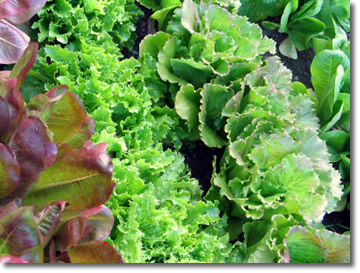
Lettuce is used nearly every day by most families for salads and in sandwiches.
It is easily grown in the ground or in container gardens.
The varieties of lettuce allow for flavor, crunchiness, high nutritional content and aesthetic value unequaled by other green leafy vegetables.
And by growing your own lettuce, you will save on your grocery bill as well!
Download Free Garden Planning Worksheets, Garden Diary, Zone Chart, Or Planting Guide
How to Grow Lettuce
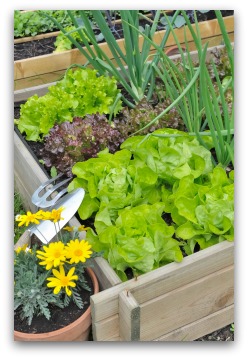
To ensure good results when planting lettuce, you will want to purchase fresh seeds each season.
Store the opened seed packet inside a sealed container and keep it in the refrigerator.
Plant a few more lettuce seeds every 2-3 weeks to keep a steady supply of lettuce throughout the growing season.
Depending on the variety of lettuce planted, you can thin the seeds as follows:
- romaine and butterhead varieties about 6-8 inches apart
- loose-leaf varieties 4 inches apart
- On the other hand, crisphead seedlings need to be about 10-12 inches apart.
- When thinning lettuce, wait until the leaves are the size of "baby" lettuce, and then you can eat the plants you have thinned!
- For thinning recommendations when planting mixed varieties of lettuce, follow the instructions on the back of the seed packet.
Before Planting Lettuce
When preparing the beds for planting lettuce from seeds, leave enough room to plant your rows of lettuce 12-18" apart.
- You need to ensure that the soil is light, moist, sandy and rich in humus to properly cultivate lettuce.
- Have a source of water located near your planting area. Water your lettuce plants frequently, especially when the seedling are small and have shallow roots.
- Lettuce will grow well in containers or in the ground.
- It
is a great plant for beginning gardeners, as it grows quickly and is
very easy to care for.
- Most varieties of lettuce also grow well in light shade, and especially need shade during the heat of mid-summer.

When to Plant Lettuce
Cool Weather is Best for Lettuce Plants
Lettuce varieties thrive in cool weather, which is usually late spring, early summer, and early fall.
If you do plant lettuce in summer, you may end up with bitter lettuce leaves, unless you provide adequate water and some shade during the hottest time of the day.
There is no need to fertilize your lettuce plants if you have used a good potting soil, or added compost or humus to your ground soil.
Lettuce plants like cool weather, but they do not like freezing weather.
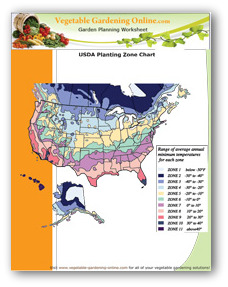
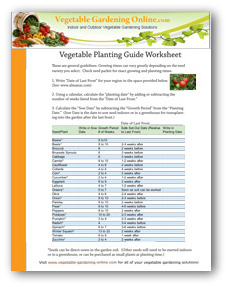
Use our zone chart and planting guide to determine the outdoor planting time in your zone.
Growing Lettuce in Hot Weather
Lettuce plants will grow well in partial shade. When the weather is hot, provide some shade for your lettuce plants.
Watch them closely, and harvest promptly as they will try to "bolt" and form seed-heads quickly during hot weather.
You must cover the planted seeds very lightly with soil. Don’t pack it too tightly as some lettuce types need light to germinate properly.
You can, however, opt to dig a hole about ¼-½ inch deep before covering the seeds.
Growing Lettuce Indoors in Containers

When planting lettuce indoors in pots, especially for lettuce of the bunching varieties, remember to provide the seedlings with plenty of direct sunlight.
However, don't let the soil get dry.
Lettuce plants grow better in cool weather, so plan on having a cool place for your growing lettuce plants.
If you do not have a sunny location indoors for your lettuce plants, provide them with a grow light.
In conclusion, your success as a lettuce grower depends on proper planting, caring and harvesting of your lettuce plants.
Growing lettuce is one of the easiest and most satisfying garden vegetables you can grow. Don't wait to try it yourself!
You Might Also like to Read:
Recent Articles


-
Growing Dill In a Backyard Vegetable Garden
Nov 20, 18 11:40 PM
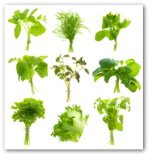 Easy tips for growing dill in a home vegetable, kitchen, or herb garden. Learn how to plant, grow, care for, and harvest dill plants when backyard vegetable gardening.
 -
Vegetable Garden Pictures to Help Plan Your Garden
Nov 20, 18 09:53 AM
 Vegetable garden pictures and videos to help you get started planting a garden. Gardening pictures can help you plan your garden whether a raised bed, container, or traditional backyard home garden.
 -
Vegetable Gardening Planting Times, Zone Chart, and Guide for When to Plant
Nov 20, 18 09:51 AM
Use our free zone chart and guide for vegetable gardening planting times, to plan your next garden. Whether planting seeds or transplants, learn when to start.