Growing Strawberry Plants:
Planting, Care, and Renewing the Patch
Growing strawberry plants is one of the most rewarding things you can do in a home garden. A small patch gives you fresh berries for eating, freezing, and jam, and with good care it keeps producing for several years.
 ★ Save
| Strawberries at a glance | |
|---|---|
| Sun | Full sun, 6 to 8 hours or more. They tolerate light shade, but bear less. |
| Soil | Rich, moist, well-drained soil with plenty of compost; pH 5.5 to 6.5 |
| Plant | Early spring, as soon as the soil can be worked |
| Spacing | June-bearing: 18 to 24 inches apart in rows 3 to 4 feet apart. Everbearing and day-neutral: about 12 inches apart. |
| Water | About 1 inch a week, more while fruiting |
| Life of the patch | Best for 3 to 5 years; longer with yearly renewal |
This page is part of our Growing Fruit and Berries hub, with guides to raspberries, blackberries, blueberries, and more.
My First Wild Strawberries
The first wild strawberries that I remember picking and eating were growing under the pine trees on the grounds of the two-room school I attended in the country near Monroe, Oregon. My first three very enjoyable years of school were at Irish Bend grade school. We had a student body of 27 pupils in 8 grades.
We played outdoors year-round; Kick the Can was a favorite, also Rover Rover Come Over, and Annie Annie Over. Discovering the tiny, delicious strawberries was very memorable.
Charlotte
Types of Strawberry Plants
The type you choose decides when you pick and how much room the plants need.
| Type | When it bears | Runners | Varieties to try |
|---|---|---|---|
| June-bearing | One big crop over 2 to 3 weeks in late spring or early summer; the largest berries | Many; the patch fills in on its own | Earliglow (early), Jewel (mid), Sparkle, Surecrop; in the Pacific Northwest, Hood and Shuksan |
| Everbearing | A crop in early summer and another in late summer or fall | Fewer | Ozark Beauty, Quinault |
| Day-neutral | Early summer until frost, unless the weather is very hot | Few; good for small spaces, baskets, and strawberry jars | Albion, Seascape |
| Alpine | All summer; small, very fragrant berries | None; neat clumps about a foot tall | Alexandria |
Stretch the harvest: plant an early, a mid-season, and a late June-bearing variety, and the picking lasts for weeks instead of days.
Alpines from seed: alpine strawberries are the one kind that is easy to grow from seed. Start them indoors in late winter, 10 to 12 weeks before your last frost.
Short on space? Build a strawberry pyramid of three stacked rings of metal edging, each about 6 inches deep. A pyramid about 6 feet across at the base holds around 50 plants.
Preparing the Strawberry Bed

Success with growing strawberry plants starts before you plant. Put some extra work into preparing a new patch, and it will pay you back for years.
- Clear the weeds first. Weeds are the number one problem in a strawberry patch. Remove every perennial weed, like quackgrass and bindweed, before you plant. Preparing the bed a year ahead makes this much easier.
- Add organic matter. Dig in well-aged manure and compost. It feeds the plants, holds moisture, and makes weeding easier.
- Try a cover crop. A green manure crop grown the season before, such as soybeans or buckwheat, dug in while still green, adds organic matter and helps crowd out weeds.
- Choose the spot carefully. Ground where carrots, beans, or lettuce grew is a good choice. Avoid spots where tomatoes, potatoes, peppers, or eggplant grew in the last few years, since they can carry verticillium wilt, a soil disease that also attacks strawberries.
- Make sure it drains. Strawberry roots rot in soggy soil. In heavy clay, plant in a raised bed.
Planting Strawberries
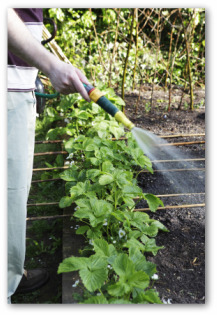 ★ Save
- When: in early spring as soon as the ground is dry enough to work, usually March, April, or May depending on where you live. Early planting lets the plants settle in before hot weather.
- Time of day: plant in the evening or on a cloudy day, so the new plants aren't stressed by hot sun.
- Depth matters most: set each plant so the soil is level with the middle of the crown, the short stem where the leaves come out. Too deep, and the crown rots. Too shallow, and the roots dry out. Like Mama Bear, plant it "just right."
- Spread the roots out in the hole, firm the soil, and water well.
Pick off the first flowers. On June-bearing plants, pinch off all the blossoms the first year. You get no berries that season, but the plants grow strong and produce far more in the years ahead. On everbearing and day-neutral plants, pinch the blossoms until about early July, then let them fruit.
Mulching Strawberries
 ★ Save
- Summer mulch: straw or pine needles around the plants keep the berries clean, hold in moisture, and slow weeds. Pine needles also help discourage slugs.
- Winter mulch: strawberry plants are fairly hardy, but in cold areas cover them in mid-fall, after a few hard frosts, with about 3 to 4 inches of clean straw. It protects the crowns from deep cold and drying winter winds.
- Uncover in spring: pull the straw back when new growth appears, and leave it between the rows as a summer mulch.
See mulching a vegetable garden for more.
Companion Planting Strawberries
 ★ Save
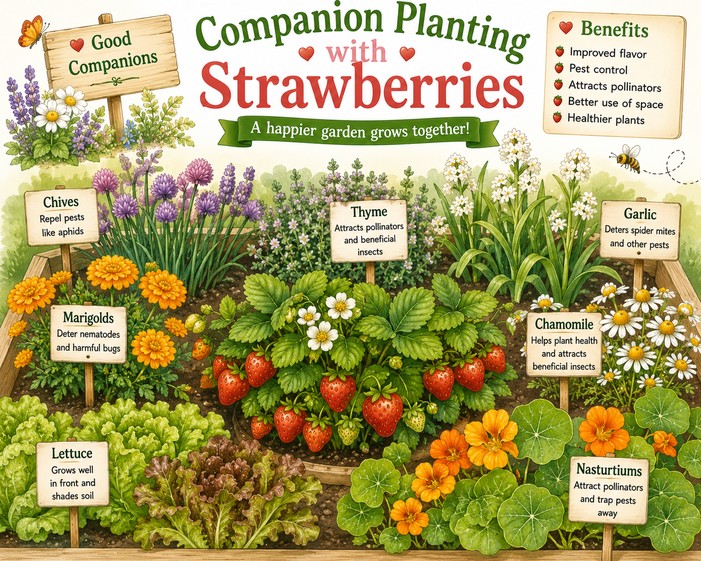
A bed just for strawberries is ideal. If space is tight, strawberries can share the garden with some vegetables.
- Good neighbors: bush beans, spinach, lettuce, onions, and borage are commonly grown with strawberries.
- Keep away: cabbage, broccoli, and other cabbage-family crops are traditionally kept apart from the strawberry patch.
- Alpine strawberries make a pretty edging almost anywhere in the garden.
See our companion planting chart for more pairings.
Caring for Growing Strawberry Plants
 ★ Save
- Water steadily, about an inch a week, especially while the berries are forming. Water in the morning, at the base of the plants, so the berries stay dry and don't rot.
- Weed often. Your care in weeding is the biggest thing that decides how long the patch keeps producing.
- Pick often. Pick fully red berries every day or two in the cool of the morning, with a bit of stem attached. Remove any soft or moldy ones so the rot doesn't spread.
- Watch for slugs and birds. Slugs love ripe berries. Netting keeps the birds off.
Renewing the Strawberry Patch After Harvest
June-bearing strawberries should be renewed every year, right after the harvest ends, usually late June or July. This keeps the patch growing strawberry plants that bear well, instead of a crowded mat of tired plants.
- Mow the leaves. Mow or cut off the leaves about 1 inch above the crowns. Don't cut into the crowns.
- Clean up. Rake out the old leaves and compost them away from the patch, to remove diseased leaves and insects.
- Narrow the rows. Dig or till out plants on both sides until the rows are about 12 inches wide. Runners will fill them back out to about 2 feet by fall.
- Thin the plants. Remove weak and old plants, keeping the youngest, strongest ones about 6 to 8 inches apart.
- Weed and feed. Pull the weeds, then spread a balanced fertilizer or about an inch of compost or soil around the plants, without burying the crowns.
- Water. Water well through the rest of summer. Next year's flower buds form in late summer and early fall.
When to start over: after 3 to 5 years, or sooner if berries get small, start a new patch in a fresh spot with new, certified disease-free plants.
Enjoying Your Strawberries
 ★ Save
 ★ Save
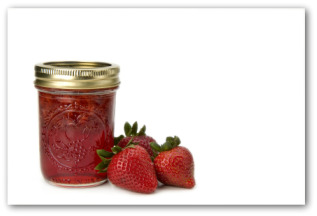
The best part of growing strawberry plants is the harvest. Fresh strawberries are best eaten the day you pick them. Extras freeze well whole or sliced, and they make wonderful jam.
More Berry Growing Guides

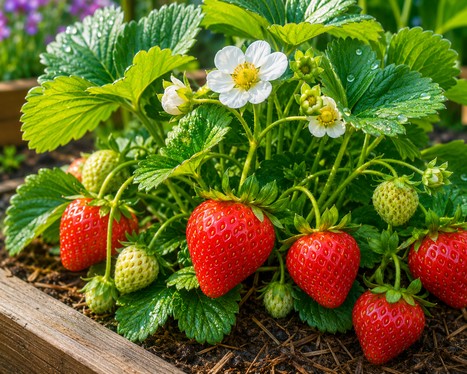
For a research-based guide to growing strawberries, see the University of Minnesota Extension's Growing Strawberries in the Home Garden.
My short garden email, Get the Dirt, comes Saturday mornings.
Sign Up for My Free Newsletter