Planting Green Beans
in Easy Steps

Here are a few great tips for planting green beans in home vegetable gardens.
Learn simple steps for how to plant, water, and harvest green beans for gardening success!
Design Your Own Vegetable Garden Layout Using our Free "Vegetable Garden Planner" Software!
There are so many varieties and bean hybrids that an entire vegetable garden could be devoted solely to growing green beans!
To simply matters, the focus here will be the type most commonly known, which is grown for its young pod, the pole bean

5 Easy Tips for Success
1. Choose a sunny location. Full sun is best.
2. Locate near a convenient source of water.
3. Provide fertile, well-drained soil.
4. Plant at proper time; follow planting instructions on seed packet.
5. Keep the weeds out!
Basic Requirements for Planting Green Beans (Pole)

- All beans are legumes, so there are some generalizations we can make when it comes to cultivation requirements.
- Following these basic vegetable gardening steps, you should be successful at growing green beans.
- Choose varieties that are suitable to the length of your growing season.
- Provide a fertile garden plot that receives full sun.
- Water efficiently.
Download Free Garden Planning Worksheets, Garden Diary, Zone Chart, Or Planting Guide
Vegetable Gardening Tips for Planting String Beans

There are various species of beneficial bacteria appropriate to different bean varieties.
Make sure to purchase the inoculate for growing green beans.
Pay close attention to the expiration dates on the inoculation.
While seeds may be stored for several years successfully, the bacteria has a limited viable period.
Even in the colder regions of the United States, planting green beans from seed directly planted into the garden can produce a successful harvest.

Growing Green Beans
in Easy Steps
- Climbing or pole beans do require some type of trellis, pole tepee, or wire support.
- These structures should already be in place at planting time.
- Early prep work prevents the possibility that young seedlings and transplants will get trampled underfoot as construction is performed in the garden.
- Pole beans are often planted in hills.
- Plant 1-3 seeds in each hill and separate mounds 18 inches apart.
- After germination, the green bean plants are trained to climb.
- Climbing beans may also be planted along a wire, string, or wooden trellis.
- Beans are planted along one side of the trellis at distances of 4-8 inches apart, and then trained to climb the supports.
Watering Green Bean Plants
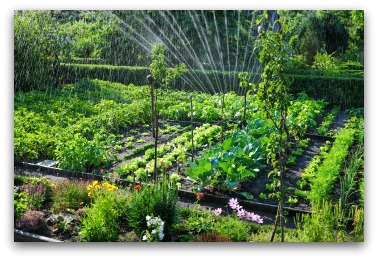
Most vegetable garden plants including green beans, require about 1 inch of water per week.
During especially hot and drying weather, the amount of water can be increased if needed to 1 1/2 to 2 inches of water.
Adding a 2 " layer of mulch on top of your garden soil will help conserve water, by preventing the soil from drying out so quickly.
Harvesting Green Beans
All string beans should be harvested when the pods are young because the flavor and texture are best at this stage of development.
The warmer the soil and summer temperatures, the faster the growing green beans will mature.
Harvest beans only when the plants are dry.
Harvesting beans that are wet from dew or rain can spread disease throughout the planting.

To Inoculate Green Beans Seeds or Not?
When planting green beans it is advised by some expert growers to first inoculate the bean seeds with a nitrogen-fixing bacteria before planting.
This action increases the plant's ability to nourish itself and enrich the soil.
The inoculation has obvious advantages of promoting more vigorous and productive crops.
Legumes are often used as cover crops, to replenish and enhance vegetable garden soils.
Legume inoculate is available from garden centers and catalogs.
Spread out the seeds to be treated in a shallow pan. Spray the seed lightly with water so the inoculate adheres.
Cover the seeds by sprinkling the powdery substance over them.
Use an old spoon to stir the seed until it is completely coated.
Plant the seeds immediately after treatment.
I have grown green beans successfully, and have not inoculated the seeds before planting.
So in my opinion it is not necessary to do this, although it may be helpful.
How to Extend Green Bean Harvest
If you find yourself with too many beans (blame it all on us and Mother Nature!) to freeze, can, or give to neighbors, you can keep the vines producing green beans for eating fresh by harvesting the older pods.
Seeds allowed to mature within the bean pod signal the plant to stop producing flowers and fruit.
If we can make one final recommendation when planting green beans, it would be to encourage gardeners to try new varieties from season to season.
You Might Also like to Read:
Growing Green BeansRecent Articles


-
Growing Dill In a Backyard Vegetable Garden
Nov 20, 18 11:40 PM
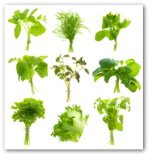 Easy tips for growing dill in a home vegetable, kitchen, or herb garden. Learn how to plant, grow, care for, and harvest dill plants when backyard vegetable gardening.
 -
Vegetable Garden Pictures to Help Plan Your Garden
Nov 20, 18 09:53 AM
 Vegetable garden pictures and videos to help you get started planting a garden. Gardening pictures can help you plan your garden whether a raised bed, container, or traditional backyard home garden.
 -
Vegetable Gardening Planting Times, Zone Chart, and Guide for When to Plant
Nov 20, 18 09:51 AM
Use our free zone chart and guide for vegetable gardening planting times, to plan your next garden. Whether planting seeds or transplants, learn when to start.