- Home
- Planning A Garden
- How to Start a Vegetable Garden
How to Start a Vegetable Garden:
10 Easy Steps for Beginners
How to start a vegetable garden is easier than most beginners think. All you need is a sunny spot, good soil, and a few easy vegetables.
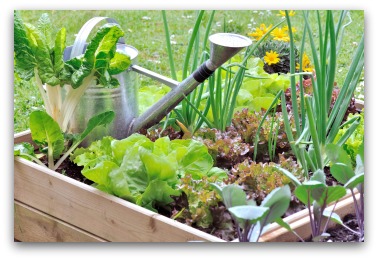
This guide walks you through 10 simple steps, from choosing your spot to picking your first ripe tomato.
I learned to garden as a young child, helping my parents in our big family garden on the farm in Oregon's Willamette Valley. Looking back, we were "homesteaders", even though we didn't call it that. We grew or raised almost all of our own food on our 80 acre farm. These are the same basics they taught me.
Your 10 steps to a first vegetable garden
- 1. Find a sunny spot
- 2. Choose your garden type
- 3. Start small
- 4. Know your zone and frost dates
- 5. Prepare the soil
- 6. Choose easy vegetables
- 7. Plan your layout
- 8. Plant seeds or transplants
- 9. Water, mulch, feed, and weed
- 10. Harvest at the right time
Step 1. Find a Sunny Spot

Sunlight matters more than anything else. Most vegetables need 6 to 8 hours of direct sun every day.
Tomatoes, peppers, cucumbers, squash, beans, and corn all need full sun. With less, they grow slowly and give a poor harvest.
Before you dig, spend a day watching how the sun moves across your yard.
- ✔ Full sun: 6 to 8 hours a day. Morning sun is best, because it dries the dew and helps prevent disease.
- ✔ Good drainage: skip spots where puddles stand after rain. Roots rot in soggy soil.
- ✔ Close to water: a garden near the hose gets watered more often.
- ✔ Away from big trees: tree roots steal water and food, and their shade slows your crops.
- ✔ Fairly level ground: on a slope, water runs off instead of soaking in.
Only 4 to 6 hours of sun? You can still grow lettuce, spinach, kale, radishes, peas, parsley, and cilantro. These crops handle some shade.
When you learn how to start a vegetable garden, choosing the spot always comes first.
Step 2. Choose Your Garden Type
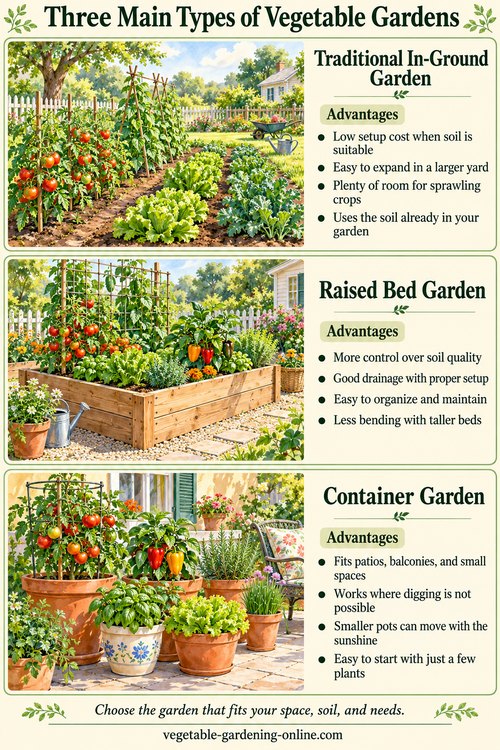 In-ground, raised bed, or containers: choose the garden that fits your space and needs.
There are three main types of home vegetable gardens: in-ground, raised beds, and containers.
Raised beds are the most popular choice for beginners. You control the soil, there are fewer weeds, and they are easier on your back.
In-ground gardens cost the least to start. They suit big, sprawling crops like corn, squash, and pumpkins.
Containers fit a patio, balcony, or porch. No yard? One big pot of cherry tomatoes or lettuce is a fine way to begin.
For a first raised bed, a 4 x 8 foot bed, 12 inches deep, is the most popular size. At 4 feet wide, you can reach the middle from either side without stepping on the soil.
There is no single right way to start. The best answer to how to start a vegetable garden is the type that fits your space.
Learn more: Raised Bed Vegetable Garden · Container Vegetable Gardening · Square Foot Gardening
Step 3. Start Small
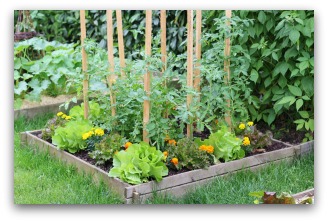 A small garden is easier to keep up with.
The most common beginner mistake is starting too big. A big garden that gets away from you in July is no fun.
A small garden that you can keep watered and weeded will give you more food and more joy.
For a first garden, choose one of these:
- One 4 x 4 foot raised bed (16 square feet)
- One 4 x 8 foot raised bed (32 square feet)
- Three to five large pots on a patio or porch
Pick five or six vegetables your family loves to eat. You can always add another bed next year.
If you remember only one tip on how to start a vegetable garden, make it this one: keep it small the first year.
Step 4. Know Your Zone and Frost Dates

Two dates matter most in a vegetable garden: your last spring frost and your first fall frost.
Your last spring frost tells you when it is safe to plant tender crops outdoors. Your first fall frost tells you when the season ends.
Cool-season crops like lettuce, peas, spinach, and broccoli can handle a light frost. Plant them 4 to 6 weeks before your last frost date.
Warm-season crops like tomatoes, peppers, cucumbers, and squash are killed by frost. Wait until after your last frost date to plant them outside.
You can also look up your zone on the USDA Plant Hardiness Zone Map.
Free tools for your own zip code: find your zone and frost dates with our Zone Finder, get planting dates with the Personalized Planting Calendar, or see What Can I Still Plant?
Step 5. Prepare the Soil
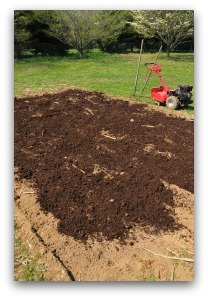 Compost is the best thing you can add to your soil.
Good soil grows good vegetables. Experienced gardeners say it often: feed the soil, not the plant.
Vegetables grow best in soil that is loose and crumbly, rich in compost, and drains well but still holds some moisture.
For an in-ground garden: Remove the grass, then spread 2 to 4 inches of compost and dig it in 10 to 12 inches deep. Add more compost every year, and your soil will get better and better.
For a raised bed: Fill it with a bagged raised bed mix, or blend about two parts good topsoil with one part compost. Plain garden soil packs down hard in a raised bed.
A simple soil test kit from the garden center tells you your pH. Most vegetables like a pH of 6.0 to 7.0.
Good soil is the foundation of how to start a vegetable garden that thrives.
Never dig wet soil. It dries into hard clods. Squeeze a handful first: if it holds together but crumbles when you poke it, it is ready to work.
Learn more: Raised Garden Bed Soil · Vegetable Garden Soil
Step 6. Choose Easy Vegetables
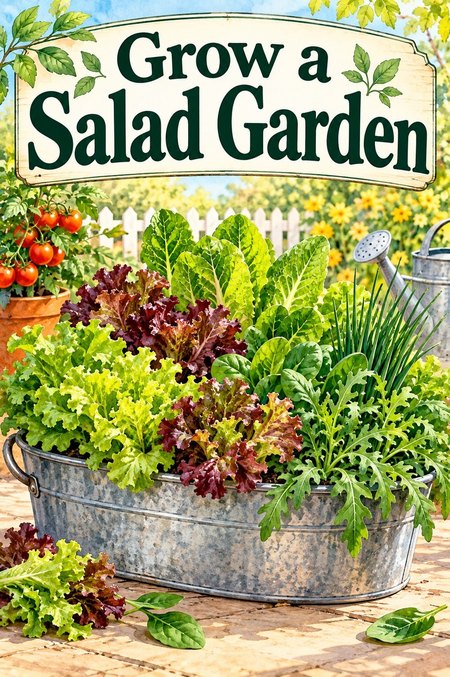
Some vegetables are fast, forgiving, and give a big harvest. Others are slow and fussy. Start with the easy ones.
A salad garden makes a great first garden. Grow lettuce, radishes, green onions, a cucumber, and a cherry tomato plant. Add a little parsley, dill, and basil, and you have everything for a fresh garden salad.
Most of these grow well from an inexpensive packet of seeds. Tomatoes and peppers are easier to buy as small plants from the garden center.
Choosing easy crops is the simplest way to learn how to start a vegetable garden with success.
| Vegetable | Why It's Easy | Days to Harvest |
|---|---|---|
| Radishes | Almost foolproof, and the fastest crop of all. | 25 |
| Lettuce | Grows in part shade. Pick a few leaves at a time. | 30 to 45 |
| Basil | Fast and useful. Great in a pot by the kitchen door. | 30 |
| Spinach | A quick cool-season crop for spring and fall. | 40 |
| Green beans | Sow after frost. Bush types need no support. | 55 |
| Zucchini | One plant feeds a family. Pick them small. | 55 |
| Cucumbers | Fast once it's warm. Grow them up a trellis. | 60 |
| Cherry tomatoes | Easier than big tomatoes, and they bear all summer. | 65 to 75 |
| Carrots | Easy from seed in loose, deep soil. | 75 |
| Onions | Plant small onion sets. They need little room. | 100 or more |
More ideas: Easiest Vegetables to Grow
Step 7. Plan Your Layout
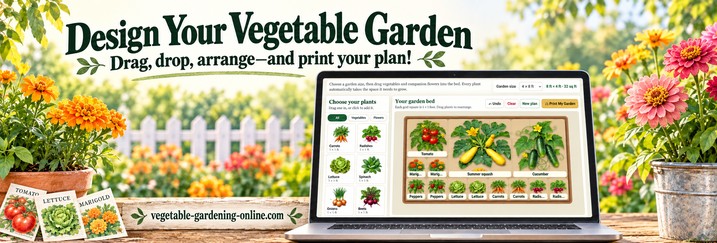
A little planning on paper can save a lot of trouble later. Sketch your bed before you buy a single seed.
Put tall crops like tomatoes, corn, and pole beans on the north side, so they don't shade the shorter plants.
Give sprawling crops like zucchini, squash, and cucumbers room at the edges, or grow them up a trellis.
In an in-ground garden, leave paths 18 to 24 inches wide so you can weed and pick without stepping on your plants.
When a fast crop like radishes or lettuce is finished, plant something new in that spot right away.

Good garden neighbors to try
- Tomatoes and basil: they like the same sun and water, and taste great together.
- Carrots and onions: the onion scent may help confuse carrot flies.
- Lettuce and tall crops: lettuce likes a little afternoon shade in summer.
- Marigolds all around: they add color and bring in helpful insects.
See our Companion Planting Chart for more, or design your bed with our free garden planner.
Step 8. Plant Seeds or Transplants
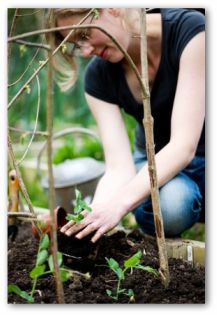 Firm the soil gently around each new plant.
Some vegetables grow best from seeds planted right in the garden. Others need a head start indoors, so most beginners buy them as small plants.
A good rule for seeds: plant them two to three times as deep as the seed is wide. The seed packet tells you the exact depth and spacing.
Water new seeds gently, and keep the soil damp until they sprout.
Knowing what to plant from seed and what to buy as plants makes how to start a vegetable garden much easier.
| Plant Seeds Right in the Garden | Start Indoors or Buy Small Plants |
|---|---|
| Carrots, radishes, beets, beans, peas, spinach, lettuce, corn, squash, cucumbers | Tomatoes, peppers, eggplant, broccoli, cabbage, cauliflower |
| These don't like their roots disturbed, so sow them where they will grow. | These need 6 to 10 weeks of growing time before they go outside. |
Tips for setting out small plants
- ✔ Harden them off: set them outside a few hours a day for about a week before planting.
- ✔ Plant on a cloudy day or in the evening, so they don't wilt.
- ✔ Water well right after planting.
- ✔ Plant tomatoes deep: bury up to two-thirds of the stem, and new roots will grow along it.
Starting your own seeds? See our Seed Starting Chart.
Step 9. Water, Mulch, Feed, and Weed

Once your garden is planted, a simple routine of 15 to 20 minutes a day keeps it growing well.
Water: Most gardens need about 1 inch of water a week from rain or the hose. Push a finger 2 inches into the soil. If it feels dry, it is time to water. Water in the morning, at the base of the plants.
Mulch: Spread 2 to 3 inches of straw or shredded leaves around your plants. Mulch keeps weeds down, holds in moisture, and feeds the soil as it breaks down.
Feed: If you worked in plenty of compost, you may not need much fertilizer the first year. Heavy feeders like tomatoes and corn like a little extra every few weeks once they are growing well.
Weed: Pull weeds while they are small, before they take over. A quick walk through the garden every few days also helps you spot pests early.
A simple daily routine is the secret of how to start a vegetable garden and keep it growing all summer.
The best money a beginner can spend: a soaker hose or drip line on a timer. Even watering prevents most common problems, like blossom end rot on tomatoes and bitter cucumbers.
Learn more: Watering · Mulching · Fertilizing · Weed Control
Step 10. Harvest at the Right Time
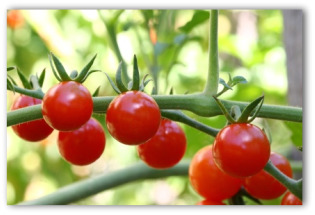
Most vegetables taste best when picked young, and picking often tells the plant to keep producing.
Leave vegetables on the plant too long, and they get tough, and the plant slows down.
- ✔ Zucchini and cucumbers: pick them small, 6 to 8 inches long. Giant ones are tough and stop new fruit from forming.
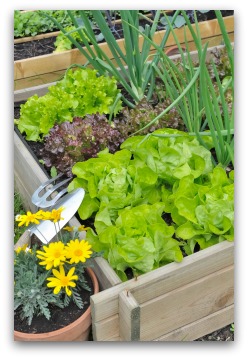
- ✔ Lettuce: cut the outer leaves as you need them, and the center keeps growing.
- ✔ Green beans: pick when the pods are full but before the beans inside make bumps.
- ✔ Tomatoes: pick when fully colored and slightly soft to the touch.
- ✔ Radishes: check them at about 3 weeks. Left too long, they turn woody.
- ✔ Herbs: pinch off the tips often to keep plants bushy and stop them from flowering.
Too much to eat? See our guide to Preserving Garden Vegetables: canning, freezing, and drying.
How to Start a Vegetable Garden: 7 Mistakes to Avoid
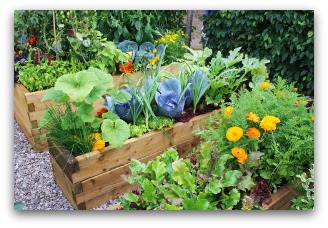 Keep your first garden small and simple.
Every gardener makes mistakes. When you learn how to start a vegetable garden, knowing the common ones ahead of time saves you a lot of trouble.
- Starting too big. A small garden you can keep up with beats a big one full of weeds.
- Too much shade. Tall, spindly plants with pale leaves are asking for more sun.
- Watering now and then. Uneven watering causes blossom end rot in tomatoes, split carrots, and bitter cucumbers.
- Skipping the compost. Poor, hard soil gives a poor harvest. Compost fixes most soil problems.
- Planting too close. Crowded plants stay small and get more disease. Follow the spacing on the seed packet.
- Ignoring pests. A quick look under the leaves every few days catches problems while they are small.
- Not writing it down. Note what you planted, when, and how it did. Next year's garden will be much better.
Keep track of your garden with our free printable Vegetable Garden Journal.
Start a Vegetable Garden with Your Children


A vegetable garden is one of the best ways to teach children where food comes from.
Kids who help plant and grow vegetables are much more willing to eat them. Peas and cherry tomatoes often get eaten right off the vine.
Give each child their own square or pot to care for. Radishes, sunflowers, bush beans, and cherry tomatoes grow fast enough to keep them interested.
For a fun project, grow potatoes in a big tub or bucket with drainage holes. Plant seed potatoes in a few inches of soil, and keep adding soil as the plants grow. At harvest time, tip the tub over and let the kids hunt for potatoes.
I spent many hours gardening with my grandchildren. I also remember my own grandmother letting me help her in the garden. You will create some great memories together.
More for kids: Kids Garden Club · Bean in a Jar Experiment · Garden Chore Chart for Kids
Frequently Asked Questions
How much does it cost to start a vegetable garden?
An in-ground garden can be started for the cost of seeds, compost, and a few basic tools. A raised bed costs more at first, for the lumber and soil, but it lasts for years and pays for itself in fresh vegetables.
What is the easiest vegetable for a beginner?
Radishes. They sprout in a few days and are ready to eat in about 25 days. Lettuce, zucchini, and bush beans are also very easy.
When should I start my vegetable garden?
Plant cool-season crops like peas and lettuce 4 to 6 weeks before your last spring frost. Plant warm-season crops like tomatoes and squash after your last frost date.
How much sun does a vegetable garden need?
Most vegetables need 6 to 8 hours of direct sun a day. With 4 to 6 hours, grow leafy greens, herbs, and root crops.
Do I need to test my soil?
It isn't required, but a simple soil test kit is inexpensive and tells you your pH. It is most helpful for in-ground gardens.
How often should I water?
About 1 inch of water a week. In hot, dry weather, that may mean every 2 or 3 days. Check the soil 2 inches down: it should feel damp, not soggy.
You Are Ready to Grow

Starting a vegetable garden comes down to a few simple things: sun, good soil, water, and a handful of easy vegetables.
Your first garden won't be perfect. No garden ever is! But it will give you fresh food you grew with your own hands, and every season you'll learn a little more.
Start small this spring, and have fun with it. Fresh air and sunshine make it all worthwhile.
Now you know how to start a vegetable garden, one easy step at a time.
Free tools to plan your first garden
- Garden Planner: lay out your bed with the right spacing.
- Planting Calendar: planting dates for your zip code.
- Zone Finder: your growing zone and frost dates.
- Garden Worksheets: free printable plans and records.
More guides for new gardeners
- Free Vegetable Garden Plans
- Small Vegetable Garden Plans
- Basic Vegetable Garden Design
- Vegetable Planting Calendar
- Companion Planting Chart
- Free Vegetable Garden Printables
Return to our Planning a Vegetable Garden hub for garden design, layouts, raised beds, containers, and planning tools.
Recent Articles


-
Free Printable Gift Tags: Garden, Harvest, and Christmas
Oct 20, 26 01:19 PM
 Free printable gift tags and folded gift cards in watercolor garden designs: flowers, harvest, Thanksgiving, winter, and Christmas. Print at home on cardstock.
 -
Free Printable Place Cards: Thanksgiving, Christmas, and Parties
Oct 20, 26 12:04 PM
 Free printable place cards for Thanksgiving, Christmas, birthdays, tea parties, and garden parties. Type your guest list, pick a picture, and print.
 -
Free Vegetable Garden Printables — Downloads for Every Gardener
Oct 19, 26 10:12 PM
 Browse our complete library of free vegetable garden printables, from planning worksheets and growing charts to kids' activities, all free to download & print.
 -
How to Grow a Garden Ebook: Free Guide to 27 Gardening Questions
Oct 19, 26 08:10 PM
 How to grow a garden ebook, free: 27 vegetable gardening questions answered, with watercolor charts, a planting chart, a 4x8 garden plan, and a garden diary.
 -
Free Printable Return Address Labels: Garden and Christmas
Oct 19, 26 10:18 AM
 Free printable return address labels with watercolor garden and Christmas designs. Type your address, pick a picture, and print on Avery 5160 label sheets.
 -
Free Printable Pet Calendar: Your Pet or Family Photos in the Garden
Oct 17, 26 10:02 PM
 Free printable pet calendar: add your dog, cat, or family photos to 12 watercolor garden scenes, type in birthdays, and print a 2027 calendar at home.
 -
Free Printable Garden Calendar 2027: 12 Watercolor Months (PDF)
Oct 17, 26 11:15 AM
 Free printable garden calendar for 2027: 12 watercolor garden scenes, a monthly garden task, and room to write. Print the whole year or one month at a time.