How to Make Compost Tea
for Your Vegetable Garden
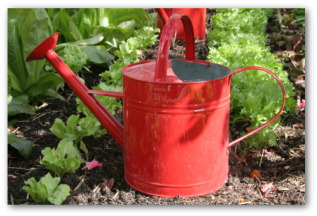
Learn how to make compost tea for your vegetable garden using two simple ingredients; compost and aged manure.
Use this simple and fool-proof recipe to grow healthy vegetables in the ground or in container gardens.
Design Your Own Vegetable Garden Layout Using our Free "Vegetable Garden Planner" Software!
Feeding the plants the proper amounts and learning how to produce compost tea is important for adding organic materials to the soil.
The three main elements, phosphorous, potassium, and nitrogen are used up in large quantities in vegetable gardens.
Due to the effects of close planting, the major elements may be in short supply.
It is often necessary to give the growing vegetables a fertilizer boost.
Compost tea is pure organic liquid fertilizer that has been "watered down" so as not to burn the plants.
Download Free Garden Planning Worksheets, Garden Diary, Zone Chart, Or Planting Guide
In general, it is safe to say that any soil that is supporting a healthy growth of shrubbery, grass, flowers, and even weeds, for that matter will be suitable for vegetable gardening.
However, the long-seasoned, heavy producers such as squash, tomatoes, eggplant, pepper, and cucumber, will greatly benefit from a compost tea.
Do Vegetable Plants Have a Preference?
Beets, carrots, an other root vegetables require more potassium.
Lettuce, spinach, and other greens need more nitrogen.
On the other hand, being overfed with nitrogen can cause tomato and bean plants to grow lush foliage but few blooms or produce.
Sugar in your tea?
Soil can be alkaline "sweet" or acid "sour".
Limestone is the agent applied to soils to reduce acidity. Over-liming can harm the plants.
Knowing whether your garden soil is too sweet or sour is important in maintaining the right balance of nutrients for plant growth.
Extreme sweetness (alkalinity) or sourness (acidity) can release toxins in the soil which encourages plant diseases.
Most vegetables grow best in only slightly acid soils.
How to Make Compost Tea
Feed and water your plants at the same time by supplying homemade compost or manure teas.
• This organic fertilizer recipe is made by mixing a small amount of animal manure and/or compost in the bottom of a bucket and filling the bucket with water.
• Let the mixture sit for several days, stir occasionally, and then use the top tea as plant food.
This compost tea recipe is so simple and easy to make, and will help ensure a healthy productive vegetable garden.
If your vegetable garden is mulched, foliar feeding is the easiest way to fertilize the plants.
Mulching with this organic fertilizer recipe is the best way to ensure your plants receive a constant supply of essential nutrients.
• In addition, apply the compost tea through the holes of a black plastic mulch or around the base of a plant with organic mulch.
• Manure teas can also be fed through a single container drip watering system.
"Green" or fresh manure can be added in the autumn or early winter to amend your garden's soil after the growing season is complete.
"Aged" or rotted manure contains a reduced amount of nitrogen due to decomposition.
It's all about the Timing
Fertilizing plants is an ongoing process.
Before planting, apply fertilizer to the soil and work it in thoroughly as you cultivate.
About four weeks after sprouts appear, or soon after nursery plants are transplanted, apply a second feeding of fertilizer outside the root zone of each vegetable plant.
For each month thereafter, apply more fertilizer until fruit begins to set on the plants.
Compost tea serves the plants diluted nutrients and takes care of their watering and feeding at the same time!
During the growing season , add well-rotted manure to avoid overdosing the vegetable plants with nitrates.
Nutrient-rich teas are made by soaking well-rotted manure in water, then draining off the liquid.
After you learn how to make compost tea, it can be applied to your vegetable garden as a safe, fast-acting, effective, and easy to use fertilizer in liquid form.
How to Make Compost Tea to Vegetable Gardening
How to Make Compost Tea to Vegetable Garden Fertilizer
You Might Also like to Read:
Vegetable Garden FertilizerRecent Articles


-
Growing Dill In a Backyard Vegetable Garden
Nov 20, 18 11:40 PM
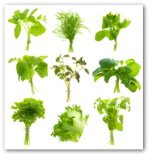 Easy tips for growing dill in a home vegetable, kitchen, or herb garden. Learn how to plant, grow, care for, and harvest dill plants when backyard vegetable gardening.
 -
Vegetable Garden Pictures to Help Plan Your Garden
Nov 20, 18 09:53 AM
 Vegetable garden pictures and videos to help you get started planting a garden. Gardening pictures can help you plan your garden whether a raised bed, container, or traditional backyard home garden.
 -
Vegetable Gardening Planting Times, Zone Chart, and Guide for When to Plant
Nov 20, 18 09:51 AM
Use our free zone chart and guide for vegetable gardening planting times, to plan your next garden. Whether planting seeds or transplants, learn when to start.