Growing Runner Beans
in Your Garden

Here are a few easy tips for growing runner beans in backyard vegetable gardens!
Learn how to plant, grow and care for beautiful Scarlet Runner Beans in your garden.
Design Your Own Vegetable Garden Layout Using our Free "Vegetable Garden Planner" Software!
A gardener's rule of thumb is that transplants shorten the time to harvest.
Although, for some plants such as scarlet runner beans, the rough handling during transplanting can actually delay their maturity or even threaten their very survival.

Transplanting Runner Beans
If you don't handle these temperamental transplants just right, you can defeat the whole purpose of using them in the first place.
Touchy vegetables such as legumes resent any disturbance to their roots.
Take some precautions while handling these seedlings to make sure their transfer to the vegetable garden is a success.
Bean plants are very temperamental and are a bit trickier to transplant than the others.
Handle them with extra care.
Never start beans in communal flats, always give them their own containers.
Plant three or four seeds to a container and once they have sprouted, thin the extras by cutting rather than lifting.
Some gardeners find that Styrofoam cups or plastic containers work better than peat pots for growing runner beans.
Download Free Garden Planning Worksheets, Garden Diary, Zone Chart, Or Planting Guide
Before transplanting, water the plants well so the soil sticks together to form a protective ball around the roots.
Tear away the sides of Styrofoam cups or carefully ease plants out of the plastic containers.
Set the seedlings into prepared holes as gently as possible.
Throughout this process, try not to handle or manipulate the roots.
With just the right touch, these plants should get off to a good start.
Planting Runner Beans
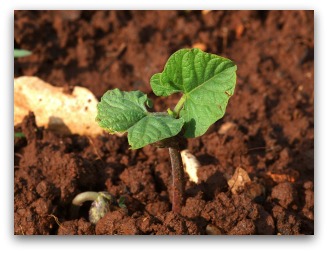
All beans are warm weather crops. If growing runner beans from seed, the seeds should be planted after the soil warms in the springtime.
If the soil is too wet or cold it may cause the seeds to rot.
Growing runner beans prefer light, well-drained soil.
Plant seeds one inch deep and space plants six inches apart in the rows.
Runner Bean Trellis Ideas
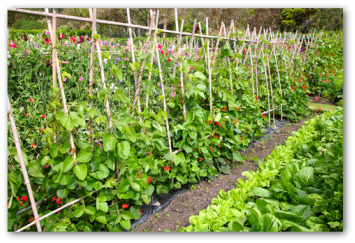
Runner beans would be ideal on a tall wooden framed wire trellis.
They also flourish when planted on a wigwam, wall, bean arch, maypole, or natural support such as a tree, hedge, or even corn plants.
The variety known as scarlet runner beans grows over ten feet tall.
The bean's foliage is similar to the pole bean.
The fresh, young, green beans are tasty and tender.
They are often called scarlet runners because of the red color of their blooms and multi-colored seeds.
Scarlet Runner Bean Flowers
The vines flower in long sprays of ten to twenty bright red, sweet pea-shaped blossoms.
Provided with deep and through watering, the vines bloom all summer.
There are also a variety of runner beans that have white flowers and seeds instead of the red color.
Growing Runner Beans as Ornamental Plants or Food
Most vines are grown as annuals because they are tender to frost. However, in mild climates, they grow as true perennials.
The scarlet runner beans are grown as both ornamentals and as food.
The pod seeds can be used fresh or dried.
In the United States, growing runner beans are mainly viewed as an ornamental plant.
The beans contain traces of lectin, and must be cooked thoroughly before eating.
Lectin is a protein found mainly in seeds and may be a factor in some immune reactions and dietary intolerance.
Harvesting Scarlet Runner Beans
Scarlet runner flowers are very pretty with lush handsome foliage.
Some seasoned gardeners find the beans too tough for their taste.
In the United Kingdom, the crop is a great favorite among avid gardeners.
One mistake a gardener can make is leaving them on the vine too long.
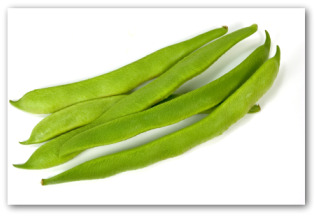
It is advised to pick the pods before the beans have developed too far and slice them French style for cooking.
If the beans are allowed to remain on the vines past their prime, remove the seeds inside and cook them as any other shell beans.
You Might Also like to Read:
Recent Articles


-
Growing Dill In a Backyard Vegetable Garden
Nov 20, 18 11:40 PM
 Easy tips for growing dill in a home vegetable, kitchen, or herb garden. Learn how to plant, grow, care for, and harvest dill plants when backyard vegetable gardening.
 -
Vegetable Garden Pictures to Help Plan Your Garden
Nov 20, 18 09:53 AM
 Vegetable garden pictures and videos to help you get started planting a garden. Gardening pictures can help you plan your garden whether a raised bed, container, or traditional backyard home garden.
 -
Vegetable Gardening Planting Times, Zone Chart, and Guide for When to Plant
Nov 20, 18 09:51 AM
Use our free zone chart and guide for vegetable gardening planting times, to plan your next garden. Whether planting seeds or transplants, learn when to start.