Quick Tips For
Growing Basil
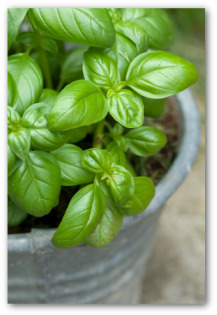
Looking for tips for growing basil in your vegetable garden?
Learn how to plant, water, and care for basil plants, and what varieties are best for home growing!
Design Your Own Vegetable Garden Layout Using our Free "Vegetable Garden Planner" Software!
As long as you have a sunny garden spot and reasonably fertile soil, basil can be successfully done throughout the United States.
Most gardeners who have grown, handled, and cooked a number of varieties have found that their cultivation requirements are not demanding at all.
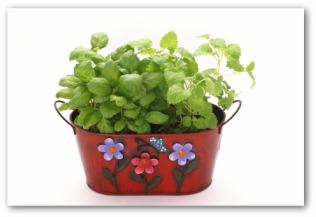
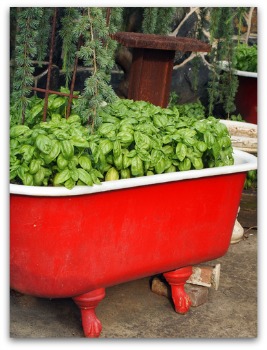
Basils also do well in container gardens located in full sun.

Growing Basil in Cooler Climates
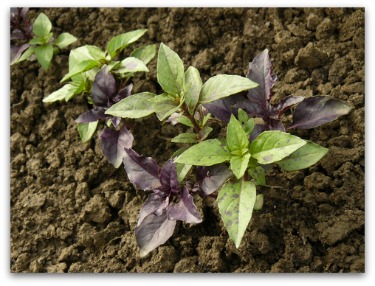
In northern gardens with cooler climates, it is recommended to start basil seeds indoors.
Basils prefer warm temperatures.
It is best to have small plants hardened off and ready to go in the garden when the nighttime temperatures reach above 50 °F.
It is possible to direct sow basil seed but it is advisable to wait until the soil has warmed.
Keep in mind, that basil plants that have been direct seeded are not generally as productive as transplants.
Basil transplants easily.
Basil seeds show a gelatin cover when they have been moistened, which remains until the seeds germinate.
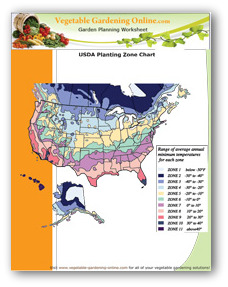
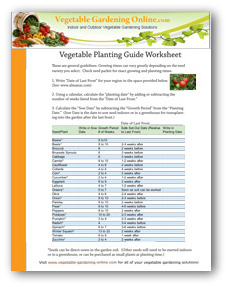
Download Free Garden Planning Worksheets, Garden Diary, Zone Chart, Or Planting Guide
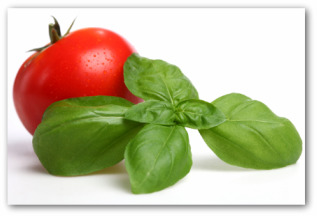
How to Start Basil Seeds Indoors for Transplant Outdoors
- Seeds should not be covered with soil but sprinkled on the surface of the seed flat.
- Keep the basil seed uniformly moist during germination.
- Once the basil seeds have germinated, grow seedlings at temperatures of 65-70 degrees F.
Which Varieties to Grow

Sweet Green Italian basil is usually grown for its abundant crops of large leaves for using fresh, drying, or making pesto.
Minimum is small leaved basil, sometimes called piccolo or bush basil, and is an excellent cooking type.
Spicy Globe is sold as an ornamental herb to be used as a border or in containers.
It can also be used in culinary dishes. Lemon basil has a distinct lemon fragrance and flavor.
Cinnamon basil is an attractive large leafed herb with a spicy fragrance and flavor that is perfect for using fresh to flavor marinara sauces or making herbal vinegars.
The list could go on and on with seed companies offering new choices every season! We have to get down to the dirt!
Planting Basil Plants
If you are growing basil for the first time and want the herb primarily for using fresh and cooking, we suggest Sweet Green Italian and Lettuce Leaved for starters.
These varieties are the easiest to grow and size up quickly.
They also have the most familiar sweet basil flavor.
Two or three plants of either variety will produce enough leaves to use fresh all summer and to harvest for winter.
How to Grow Basil
All varieties of basil produce longer if the blossoms are continuously removed from the plants.
This action encourages the plants to set side branches and produce more leaves.
Once a plant goes to blossom, it spends its energy flowering and maturing seed.
The leaf quality and quantity decline.
Frost Warning for Basil Plants!
When to Plant Basil
Basil is very frost sensitive, so harvest their leaves before any threat of frost.
Dry or store them in oil for use in winter.
Basil plants are native to warm, temperate, and tropical regions.
Saving Basil Seeds
If you wish to save your own basil seed, select a few vigorous growing basil and allow the plants to grow uninterrupted to flowering and seed formation.
Watch the flower and seed pots carefully so that you harvest the seeds for drying before they fall to the ground.
Culinary Herb Uses for Basil Plants

Basil can be used as an ingredient in culinary delights, potpourris, herbal teas, honeys, and vinegars.
Basil can also be used as decorative borders for the vegetable garden or in patio containers.
Recent Articles


-
Growing Dill In a Backyard Vegetable Garden
Nov 20, 18 11:40 PM
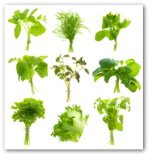 Easy tips for growing dill in a home vegetable, kitchen, or herb garden. Learn how to plant, grow, care for, and harvest dill plants when backyard vegetable gardening.
 -
Vegetable Garden Pictures to Help Plan Your Garden
Nov 20, 18 09:53 AM
 Vegetable garden pictures and videos to help you get started planting a garden. Gardening pictures can help you plan your garden whether a raised bed, container, or traditional backyard home garden.
 -
Vegetable Gardening Planting Times, Zone Chart, and Guide for When to Plant
Nov 20, 18 09:51 AM
Use our free zone chart and guide for vegetable gardening planting times, to plan your next garden. Whether planting seeds or transplants, learn when to start.