Vegetable Garden Weed Control Using Mulch
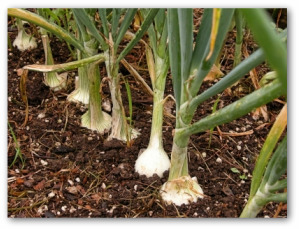
Great tips for garden weed control when backyard vegetable gardening. Learn easy ways to prevent and control weeds by using mulch and other ground cover materials.
Design Your Own Vegetable Garden Layout Using our Free "Vegetable Garden Planner" Software!
Cultivating and Mulching
There are two care requirements for vegetables gardening: cultivating and mulching.
Both benefit in vegetable weed control. Neither requires a significant amount of time spent and can be accomplished in a matter of days as time permits.
These controls make a measurable difference in your garden's results.
Download Free Garden Planning Worksheets, Garden Diary, Zone Chart, Or Planting Guide
Mulching a Garden for Weed Prevention
A favorite method of vegetable garden weed control is by the use of mulches.
Mulching gives an additional advantage of conserving soil moisture.
In vegetables gardening situations where using mulch for controlling weeds is not feasible, hand weeding, cultivating with garden tools, or applying chemical weed killers are among your options.
To eliminate weeds organically, mulch around and between large plants such as tomatoes and eggplant, in between rows of carrots, bush beans, and other row crops.
Most mulching materials are organics like pine needles, leaves, straw, seaweed, compost, rotted sawdust, newspapers, and peanut hulls. A synthetic mulching material is black plastic sheeting.
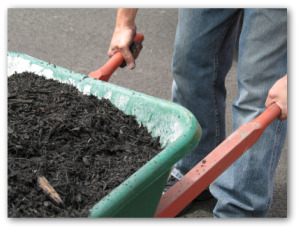
Mulch applied as vegetable garden weed control:
- Clean and cultivate the vegetable garden area.
- Dig out unwanted volunteer seedlings.
- Remove all weed roots, especially tenacious grasses to prevent re-growth under the mulch.
- Organic materials are best for mulching such as bark, grass clippings, and straw.
- Spread mulch layer 2 to 6 inches thick depending on the size and density of material.
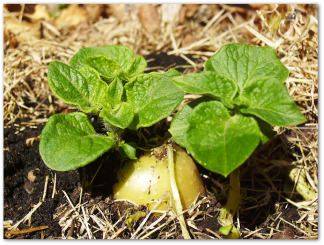
- Bark chips do not compress readily so they can be applied more thickly.
- When properly applied the layer of mulch can be attractive vegetable weed control.
- With mulch in place, water and fertilize vegetable garden as usual.
- Cultivation is an ancient practice of eliminating weeds. Soil fumigation or solarization before planting controls many weed seeds before they germinate.
Plastic, Newspaper, and Landscape Fabric for Weed Control
One proven method for minimizing weeds is to cover the soil with perforated plastic, several sheets of newspaper, or landscape fabrics.
With the coverings in place the weeds have difficulty sprouting. Add a layer of organic matter on top and the site is decorative as well as protected from weeds.
Weed-Pulling, Hoeing, and Weeding Tools
Some stubborn weeds will have to be pulled out.
Try to eliminate the weeds when they are young and have small root systems which pull easily.
Using an ordinary hoe for weed control is fine for removing weeds alongside your plant rows and in pathways.
Use a scraping motion instead of chopping or digging.
There are specialized weed control tools like a long handled scuffle hoe or a Dutch hook which is a hand tool that you push or pull along just under the soil surface to cut weeds at its roots.
Cultivate shallowly around vegetable garden plants to prevent digging too deeply and injuring the roots of the vegetables.
Why Eliminate Weeds?
Few gardeners enjoy the chore of weeding yet in every edible landscape there are bound to be wandering growths that we call weeds.
A weed is actually just a plant out of place but it competes with crops for moisture ad nutrients and should be prevented or removed.
Weeds also harbor insects and can serve as a source for disease-causing inoculums. Even the best soils need cultivation for the elimination of weeds.
Vegetable garden weed control can be handled efficiently using a hoe or cultivating fork to loosen the soil around each plant.
The action of disturbing the soil surface overturns and cuts any small weeds before they become established.
Vegetable Garden Weed Control to Vegetable Gardening
Recent Articles


-
Growing Dill In a Backyard Vegetable Garden
Nov 20, 18 11:40 PM
 Easy tips for growing dill in a home vegetable, kitchen, or herb garden. Learn how to plant, grow, care for, and harvest dill plants when backyard vegetable gardening.
 -
Vegetable Garden Pictures to Help Plan Your Garden
Nov 20, 18 09:53 AM
 Vegetable garden pictures and videos to help you get started planting a garden. Gardening pictures can help you plan your garden whether a raised bed, container, or traditional backyard home garden.
 -
Vegetable Gardening Planting Times, Zone Chart, and Guide for When to Plant
Nov 20, 18 09:51 AM
Use our free zone chart and guide for vegetable gardening planting times, to plan your next garden. Whether planting seeds or transplants, learn when to start.