Indoor Vegetable Gardening:
Fresh Food from Your Windowsill
 ★ Save
Indoor vegetable gardening lets you grow fresh food with no yard at all. A sunny windowsill, a shelf under a grow light, or a few pots on a bright counter can keep you in herbs, salad greens, and more, all year long.
It's also the place every outdoor garden begins: starting seeds indoors gives your plants a head start before the weather warms up.
From My Garden
I have enjoyed starting seeds indoors over the years. There is something very thrilling about seeing the tiny sprouts bursting hopefully through the soil.
I have many indoor plants, including a few herbs such as thyme and oregano. But I also try not to overdo it with indoor plants, as it can become overwhelming if there are too many plants to care for.
Indoors is a good option for keeping some fresh herbs handy, especially if you have a sunny kitchen windowsill!
Charlotte
Starting seeds indoors?
See when to start each vegetable indoors before your last frost.
Seed Starting ChartOn This Page
Free Garden Planning Helps
Plan your indoor or outdoor garden with our free tools.

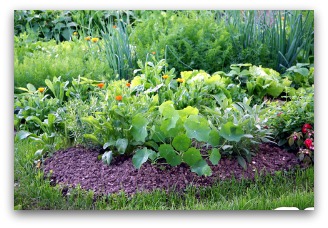
Light: The Most Important Part of Indoor Vegetable Gardening

Most vegetables need at least 6 hours of sun a day. Indoors, that means your brightest window, usually south- or west-facing. Lettuce, spinach, and many herbs manage with a little less.
- Turn your pots a quarter turn each time you water, so plants grow straight instead of leaning toward the window.
- Use grow lights if your windows are dim, especially in winter. Hang LED lights 6 to 12 inches above the plants and run them 14 to 16 hours a day on a timer.
- Watch for leggy plants. Tall, pale, floppy stems mean they need more light.
Most vegetables grow best indoors at 60°F to 75°F. Keep them away from cold glass, drafts, and heater vents.
What to Grow Indoors

Start indoor vegetable gardening with the easiest crops: herbs and greens. With strong light, you can try more.
| Crop | How easy indoors | Tips |
|---|---|---|
| Herbs (basil, chives, parsley, thyme, oregano, mint) | Easiest | Snip often; give mint its own pot |
| Lettuce, spinach, and salad greens | Easy | Pick outer leaves; loose-leaf types like Tom Thumb |
| Microgreens | Easy | Ready in 1 to 3 weeks in a shallow tray |
| Green onions | Easy | Regrow from the root ends of store-bought onions |
| Radishes | Easy | Need a pot at least 6 inches deep |
| Short carrots and beets | Moderate | Choose round or short varieties; pretty leaves |
| Peas | Moderate | Dwarf types like Little Marvel; give them a small trellis |
| Cherry tomatoes and peppers | Harder | Need very bright light or grow lights; choose dwarf types |
| Strawberries | Moderate | Everbearing types in a sunny window |
Grow what you love to eat. With limited space, there's no room for vegetables you won't use. See growing lettuce indoors and growing herbs in pots.

Pot Sizes for Indoor Herbs and Vegetables

Bigger pots are better for indoor vegetable gardening. They hold more soil and water, so plants grow bigger roots and need watering less often.
| Pot size | Good for |
|---|---|
| 4 inches | Young herb plants: mint, fennel, lavender, young rosemary |
| 6 inches | Basil, parsley, marjoram seedlings, thyme |
| 8 inches | Leaf lettuce, radishes, green onions, chives, oregano, thyme, mature basil |
| 10 to 12 inches | Dill, sage, romaine, cherry tomatoes |
| 12 to 14 inches | Bibb lettuce, spinach, carrots, bell peppers |
| 14 inches and up | Tomatoes, peppers, eggplant, cucumbers, peas, mature rosemary |
Every pot needs drainage holes. Set pots in trays or saucers to catch water, but empty them so roots don't sit in water.
Soil, Water, and Feeding

- Soil: use a good potting mix, never garden soil, and mix in compost or slow-release fertilizer.
- Water: check pots every few days by pushing a finger into the soil. Water when the top inch is dry. Too much water is as bad as too little.
- Self-watering pots help if you're often away or forget.
- Feed lightly: a diluted liquid fertilizer every 2 to 4 weeks. Too much builds up salts that burn roots.
- Humidity: winter air indoors is dry. Group plants together, mist them, or set pots on a tray of wet pebbles.
- Winter care: plants grow slower in winter and need less water and fertilizer.
Indoor Container Garden Ideas

- Window box salad garden: a box about 10 inches deep with a dwarf tomato at each end, rows of lettuce, radishes, or carrots in the middle, and an edging of parsley or chives.
- Tub garden: a pepper or tomato in the center with a ring of lettuce or herbs around it.
- Kitchen windowsill herbs: a row of small pots of the herbs you cook with most.
- Countertop kits: hydroponic kits with built-in grow lights grow herbs and lettuce on a counter with no window at all.
- Shelves and hanging planters add growing space near a bright window.
Small Spaces: Grow Up

On a sunny porch, balcony, or sunroom, grow up instead of out. A bean vine can cover a wall, and planter boxes on a railing can hold trailing cherry tomatoes or cucumbers.
Try a "vegetable tree": fasten a half-circle of sturdy wire mesh to a 6-foot backboard, line it with plastic, and fill it with light potting mix. Slit the plastic and tuck in lettuce plants early in the season, add two tomato plants at the top to trail down, and two cucumbers halfway down.
Plants in small containers dry out faster and need more water and feeding. See vertical vegetable gardens.
Starting Seeds Indoors
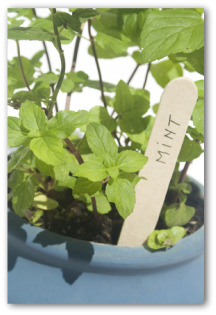
Starting seeds indoors gives tomatoes, peppers, and many other crops a head start before it's warm enough to plant outside.
- Use clean trays or small pots and a light seed-starting mix.
- Keep the soil moist and warm until seeds sprout, then give them strong light right away.
- Handle seedlings by their leaves, never the stem; their roots are delicate.
- Harden them off outdoors for a week before planting out.
See our seed starting chart and growing vegetables from seed.
Indoor Vegetable Gardening Questions
- What vegetables grow best indoors?
- Herbs, lettuce and salad greens, microgreens, green onions, and radishes are the easiest. Cherry tomatoes and peppers need very bright light or grow lights.
- Do I need grow lights?
- Not always. A sunny south- or west-facing window works for herbs and greens. For fruiting crops, or in winter, grow lights help a lot.
- How often should I water indoor vegetables?
- When the top inch of soil is dry. Check every few days; small pots dry out faster.
- Can I bring outdoor container plants inside?
- Yes. Herbs like rosemary, thyme, and chives, and even peppers, can come indoors to a sunny spot before frost to extend the season.
- How many indoor plants should I start with?
- Just a few. It's easy to take on more plants than you can care for. Start small and add more as you go.
More Container and Indoor Guides
My short garden email, Get the Dirt, comes Saturday mornings.
Sign Up for My Free Newsletter